How Long Largemouth Bass Live
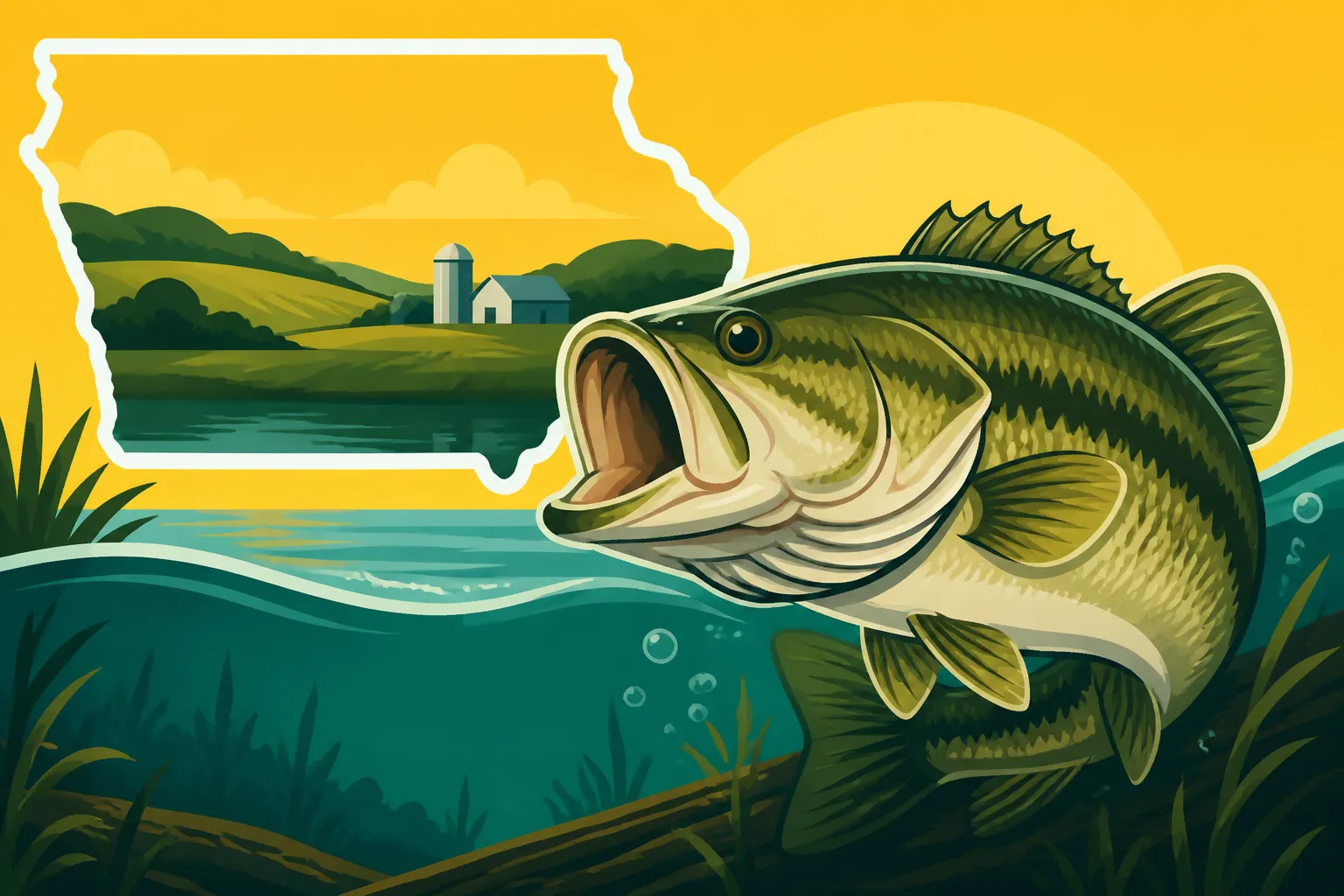
It's a question many of us have pondered while reeling in a beautiful largemouth bass from an Iowa lake or pond: "How old is this fish, really?" We marvel at their size, their fight, and their striking appearance, but rarely do we consider the long journey they've taken to reach our lines. Understanding the lifespan of largemouth bass is not just a matter of curiosity; it sheds light on the health of our fisheries and how our angling practices can impact these incredible creatures. This guide will dive deep into what factors influence how long these popular sport fish live in Iowa's diverse waters, helping you appreciate each catch a little more.
Factors Influencing a Largemouth Bass's Lifespan
Just like us, a largemouth bass's life expectancy isn't set in stone from birth. A whole host of environmental and biological factors play a huge role in how many seasons they'll get to enjoy cruising through submerged timber or ambushing bluegill. It's not just about luck; it's about habitat, food, and even how often they encounter an angler's hook.
Habitat Quality and Environmental Conditions
Think of a bass's habitat as its home – and a good home offers comfort, safety, and all the necessities. For largemouth bass, this means clear, warm water with plenty of submerged cover like weed beds, fallen trees, or rocky ledges. These structures provide vital hiding spots from predators, ambush points for prey, and protection from harsh weather. In Iowa, we have a mix of natural lakes, man-made reservoirs, and countless farm ponds, each offering different levels of habitat quality. A bass living in a nutrient-rich farm pond with abundant cover and a stable environment might live a considerably longer, healthier life than one in a heavily pressured public lake with poor water quality or fluctuating water levels. Pollutants, drastic temperature swings, or prolonged periods of low oxygen can all stress bass, making them more susceptible to disease and shortening their lives. When a fish lives in ideal conditions, it thrives, grows larger, and has a much better chance of reaching its full natural lifespan.
Food Availability and Growth Rate
It’s simple math: more food equals more energy, which translates to faster growth and better health. Largemouth bass are opportunistic predators, feasting on everything from smaller fish like minnows and panfish, to frogs, crayfish, and even ducklings or mice if the opportunity arises. In an Iowa lake with a robust forage base – meaning lots of easily catchable prey – bass can grow quickly and maintain a healthy weight. This isn't just about getting bigger; it means their immune systems are stronger, they recover faster from stress, and they have the reserves to survive lean times or the rigors of spawning. Conversely, in waters where competition for food is high or prey is scarce, bass will grow slower, be less robust, and their overall lifespan can be significantly reduced. A bass that struggles to find food might survive, but it won't flourish, and its life will likely be shorter and harder.
Fishing Pressure and Angler Handling
This is where we, as anglers, truly come into the picture. Iowa loves its bass fishing, and many popular spots see a lot of lines in the water. While catch and release is widely practiced and encouraged for bass, particularly for larger "trophy" fish, every interaction with a hook and an angler creates stress for the fish. A bass caught multiple times, especially if mishandled, can suffer physical injuries or severe exhaustion. Deep hooking, rough handling, keeping the fish out of water for too long for photos, or improper release can all contribute to delayed mortality – meaning the fish might swim away, but succumb to its injuries or stress hours or days later. Waters with high fishing pressure and anglers who aren't careful with their releases can inadvertently shorten the average lifespan of the bass population. It's a sobering thought, but one that encourages us all to be more mindful catch-and-release stewards. You can find more details on responsible practices in our Iowa Fishing Techniques Guide.
Typical Lifespan of Largemouth Bass in Iowa
So, after all those variables, what's a realistic expectation for how long these incredible fish actually live in our Iowa waters? It's not always easy to give a single number, but we can look at averages and the upper limits under ideal circumstances.
Average Lifespan in Iowa's Lakes and Ponds
In general, most largemouth bass caught in typical Iowa lakes and ponds are between 3 and 7 years old. These are the fish that have successfully navigated their early years, found consistent food sources, and perhaps haven't been caught too many times. Within this age range, you'll find a wide variety of sizes, depending on the specific water body's fertility and the genetic potential of the fish. A five-year-old bass in a highly productive central Iowa lake might be significantly larger than a five-year-old bass in a less fertile, colder northern Iowa lake. Many factors contribute to How Big Largemouth Bass Get in Iowa Ponds, including their age.
For anglers, this means that while a 12-inch bass might seem "young," it could easily be 3-4 years old. A feisty 18-inch fish could be a seasoned veteran of 5-6 years. The consistent fishing pressure and the general environmental conditions in many public waters tend to keep the average lifespan in this moderate range. Not every fish makes it past the first couple of years, but those that do often settle into a rhythm of growth and survival for several seasons before natural mortality or angling pressure takes its toll.
Maximum Age and Record-Breaking Bass
While 3-7 years is common, largemouth bass are certainly capable of living much longer, especially in optimal, less-pressured environments. It's not unheard of for largemouth bass to reach ages of 10 to 12 years, and some even push past 15 years in exceptional circumstances. These old warriors are often found in private, well-managed ponds with little fishing pressure, abundant food, and stable water quality. They're the true giants of the bass world, growing to impressive sizes that often become local legends.
Think about that monstrous bass you've heard whispers about, the one that's been caught and released several times, or the one that always seems to evade capture. That fish has likely seen many seasons come and go, proving its resilience and adaptability. Reaching these maximum ages requires a perfect storm of favorable conditions – enough food, minimal stress, genetic predisposition for longevity, and perhaps a healthy dose of luck. These older, larger bass are critical to the genetic health of a fishery, as they are often the most successful breeders, passing on their strong genes to future generations. Protecting these venerable fish, particularly through careful catch and release, is vital for maintaining trophy potential in our waters.
Here's a quick look at the typical age ranges you might encounter:
| Age Range (Years) | Typical Size (Iowa) | Notes |
|---|---|---|
| 1-2 | 6-10 inches | Juveniles, rapid growth |
| 3-4 | 10-14 inches | Common catchable size, good growth |
| 5-7 | 14-18 inches | Mature adults, prime breeding age |
| 8-10 | 18-20+ inches | Larger, older fish, becoming less common |
| 10+ | 20+ inches | Rare, true trophy fish, usually in optimal habitats |
Recognizing the Age of a Largemouth Bass
Unless you're a fisheries biologist with specialized tools, accurately determining the exact age of a largemouth bass you've just caught is incredibly difficult, if not impossible. We often rely on size as a general indicator, but as discussed, size can be misleading due to varying growth rates.
Visual Cues vs. Scientific Methods
When you're holding a bass, you might notice a few things that hint at its age. Larger, heavier fish are generally older, of course. Sometimes, very old bass might show more wear and tear, perhaps scars from past encounters or slightly more faded coloration. However, these are extremely unreliable indicators. A young, fast-growing bass in a rich environment could easily outgrow an older, slower-growing fish from a poorer habitat. So, don't let a big fish fool you into thinking it's always ancient, or a smaller one that it's a youngster.
Scientific methods for aging fish are much more precise, but they aren't something an angler can do streamside. Fisheries biologists primarily age bass by examining calcified structures like scales, otoliths (ear bones), or fin rays. These structures lay down annual growth rings, similar to tree rings, which can be counted under a microscope. This process usually requires removing the structure from the fish, meaning it's often done on fish that are harvested or part of scientific studies. So, next time you hear a biologist talk about the age structure of a fish population, know that a lot of painstaking work goes into those numbers! It’s a fascinating process that helps us understand how healthy and productive a particular fishery truly is.
Why Size Isn't Always an Indicator of Age
It's a common misconception to equate a fish's size directly with its age, especially for fast-growing species like largemouth bass. We all love to assume that a massive bass must be ancient, but that's not always the case. Imagine two different environments in Iowa: a small, fertile farm pond with an abundance of minnows, crayfish, and warm, stable water temperatures, and a large, deep public lake with colder water, more competition, and a less consistent food supply. A bass hatched in the farm pond might reach 18 inches in 4-5 years, enjoying rapid growth thanks to its ideal conditions. Meanwhile, a bass hatched in the public lake might take 7-8 years to reach the same size, simply because its growth was slower due to environmental factors.
This variation means that relying solely on length or weight to guess a fish's age can be very misleading. A 16-inch bass could be a rapidly growing 3-year-old or a slower-growing 6-year-old. This is why fisheries management focuses on understanding growth rates within specific water bodies, rather than applying a universal age-to-size chart. So, while it's fun to speculate, know that every bass has its own unique growth story influenced by where it lives and what it eats.
How Anglers Impact Largemouth Bass Longevity
Our actions on the water have a tangible impact on the survival and longevity of the bass we love to pursue. Beyond just the immediate catch, how we treat these fish plays a crucial role in their ability to thrive for years to come.
The Role of Catch and Release Practices
Catch and release has revolutionized bass fishing, allowing anglers to enjoy the sport while conserving fish populations. However, it's not a foolproof guarantee of survival. The key is responsible catch and release. This means minimizing the fight time, using appropriate tackle for the size of fish you're targeting (you don't want to play a big bass on ultra-light gear for 10 minutes), and being quick and gentle during handling. Consider barbless hooks, which can reduce injury and make hook removal much easier. When a bass is landed, try to keep it in the water as much as possible, especially during warmer months when oxygen levels are lower. If you do lift it for a quick photo, support its body horizontally and avoid hanging it vertically by the jaw, which can damage its internal organs. These small considerations can make a huge difference in the fish's ability to recover and continue its life cycle.
The benefit of careful catch and release is that it allows older, larger bass – often the best breeders – to continue contributing to the fishery. It's a cornerstone of modern conservation that, when done correctly, helps maintain healthy, robust bass populations for everyone to enjoy for years to come. You can find excellent tools and resources for proper handling techniques on Amazon, from specialized landing nets to weigh slings that minimize stress on the fish.
Minimizing Stress and Injury During Handling
Every time a fish is caught, it experiences stress. Our goal as responsible anglers should be to minimize that stress and prevent injury as much as possible. Here are a few pointers that can significantly impact a bass's post-release survival:
- Wet Hands: Always wet your hands before touching a fish. Dry hands can remove the protective slime coat, making the fish vulnerable to infection.
- Support the Body: When lifting a fish for a photo, especially larger ones, support the tail and belly with one hand while holding the lower jaw. This prevents damage to the spine and internal organs. Avoid letting a big bass flop around in the boat or on the bank.
- Quick Hook Removal: Use needle-nose pliers or a hook remover tool to extract hooks quickly and cleanly. If a fish is deeply hooked in the gills or throat, it's often best to cut the line as close to the hook as possible rather than trying to rip it out. The hook will often rust out or be encapsulated by the fish's tissue.
- Revive If Necessary: If a fish seems lethargic after unhooking, hold it gently in the water, facing into any current, and move it back and forth to push water over its gills until it regains strength and swims away on its own.
- Minimize Air Exposure: The less time a fish spends out of water, the better its chances of survival. A quick photo is fine, but extended photo sessions or keeping fish in livewells without proper aeration can be detrimental.
- Release Gently: Don't just toss the fish back. Lower it gently into the water.
These seemingly small acts of kindness go a long way in ensuring that the bass we release have the best possible chance to recover, grow, and continue to populate our favorite fishing spots for future generations. When you're ready to upgrade your fishing tools to aid in better catch and release, remember that retailers like Amazon offer a wide selection of specialized gloves, hook removal tools, and nets designed with fish safety in mind. Practicing these techniques shows respect for the fish and contributes to the overall health of Iowa's largemouth bass fisheries, ensuring there are plenty of fish around for Bass Fishing Tips for Iowa Farm Ponds and other great spots. It's a commitment that benefits everyone who loves to chase these feisty fighters.
Conservation Efforts and Future Longevity
Ensuring a healthy future for largemouth bass in Iowa isn't just up to individual anglers; it's also about broader conservation efforts and smart fisheries management. State agencies and local groups work tirelessly to protect and enhance bass populations, which in turn impacts their longevity.
Stocking Programs and Habitat Improvement
Iowa's natural lakes and man-made reservoirs are dynamic environments, and sometimes they need a little help to maintain robust fish populations. Fisheries biologists often implement stocking programs, introducing fingerling or juvenile bass into waters to supplement natural reproduction or establish new fisheries. These programs are carefully planned to ensure genetic diversity and to select fish that are well-suited to the local conditions. While these fish are usually not intended to live exceptionally long, they contribute to the overall population health and provide angling opportunities.
Beyond stocking, habitat improvement is a huge factor. This can involve sinking brush piles to create cover, establishing native vegetation for spawning and nursery areas, or improving water quality through watershed management. Better habitat provides more places for bass to hide, find food, and spawn successfully, which directly correlates to healthier, longer-lived fish. Agencies also conduct research to understand bass growth rates and survival in different water bodies, informing decisions about slot limits or bag limits, which are designed to protect certain age classes of fish. You can learn more about specific regulations in our Iowa Fishing Daily Bag Limits Guide.
Understanding and Respecting Regulations
Iowa has a comprehensive set of fishing regulations designed to protect our fisheries and ensure their sustainability. These rules, including daily bag limits and length limits, are based on scientific data about fish populations and are crucial for maintaining the health and longevity of species like largemouth bass. For example, a slot limit might require anglers to release all bass within a certain size range (e.g., 14-18 inches) while allowing them to keep smaller or larger fish. This is often implemented to protect prime breeding-age fish or to reduce competition among smaller fish, thereby promoting faster growth for the remaining individuals.
It’s vital for all anglers to understand and respect these regulations. They aren't just arbitrary rules; they are tools designed to manage fish populations so that generations of anglers can continue to enjoy the sport. Ignoring these limits, whether intentionally or unintentionally, can have negative impacts on local fisheries, potentially leading to reduced fish numbers and smaller average sizes, ultimately affecting how long largemouth bass live in that particular body of water. Stay informed about the current rules by checking resources like the Iowa Fishing Regulations Explained. Your adherence to these guidelines is a direct contribution to the long-term health and impressive longevity of Iowa's beloved largemouth bass.
The Impact of Environmental Stewardship
Ultimately, the longevity of largemouth bass in Iowa, and indeed all fish, is intrinsically linked to the health of our environment. Clean water, healthy aquatic ecosystems, and responsible land management practices are foundational to thriving fisheries. This means being mindful of what goes into our lakes and rivers – avoiding litter, properly disposing of chemicals, and supporting initiatives that promote water quality.
Beyond the immediate fishing experience, thinking about the broader environmental picture ensures that the places where largemouth bass live remain suitable for them for many years to come. Whether it's participating in a lake clean-up, advocating for conservation policies, or simply being a responsible angler who cleans up after themselves, every action contributes to creating an environment where largemouth bass can reach their full potential and live long, healthy lives. It's a responsibility we all share, and it makes every lunker you pull from an Iowa lake feel even more precious, knowing the journey it took to get there.
Disclaimer
This article is for general informational purposes only and does not constitute professional advice. Laws, prices and regulations vary by location and change over time. Consult a qualified professional for guidance on your specific situation.