How Long Rainbow Trout Live in Stocked Waters
There's nothing quite like the thrill of heading to a scenic Iowa trout stream, especially when you know the Iowa Department of Natural Resources has recently stocked it. You picture those vibrant rainbow trout, eager to bite, and you can't help but wonder: once they're released into these waters, how long do they actually live? It’s a completely fair question. After all, you’ve put in the time, perhaps picked up your Iowa Trout Fishing Fee and Stamp Guide, and you want to understand the lifecycle of these beautiful fish. This guide will dive deep into the realistic lifespan of rainbow trout in Iowa's stocked waters, helping you set expectations and appreciate the unique dynamics of our trout fishing program.
The Purpose of Iowa's Stocking Program and Immediate Lifespan
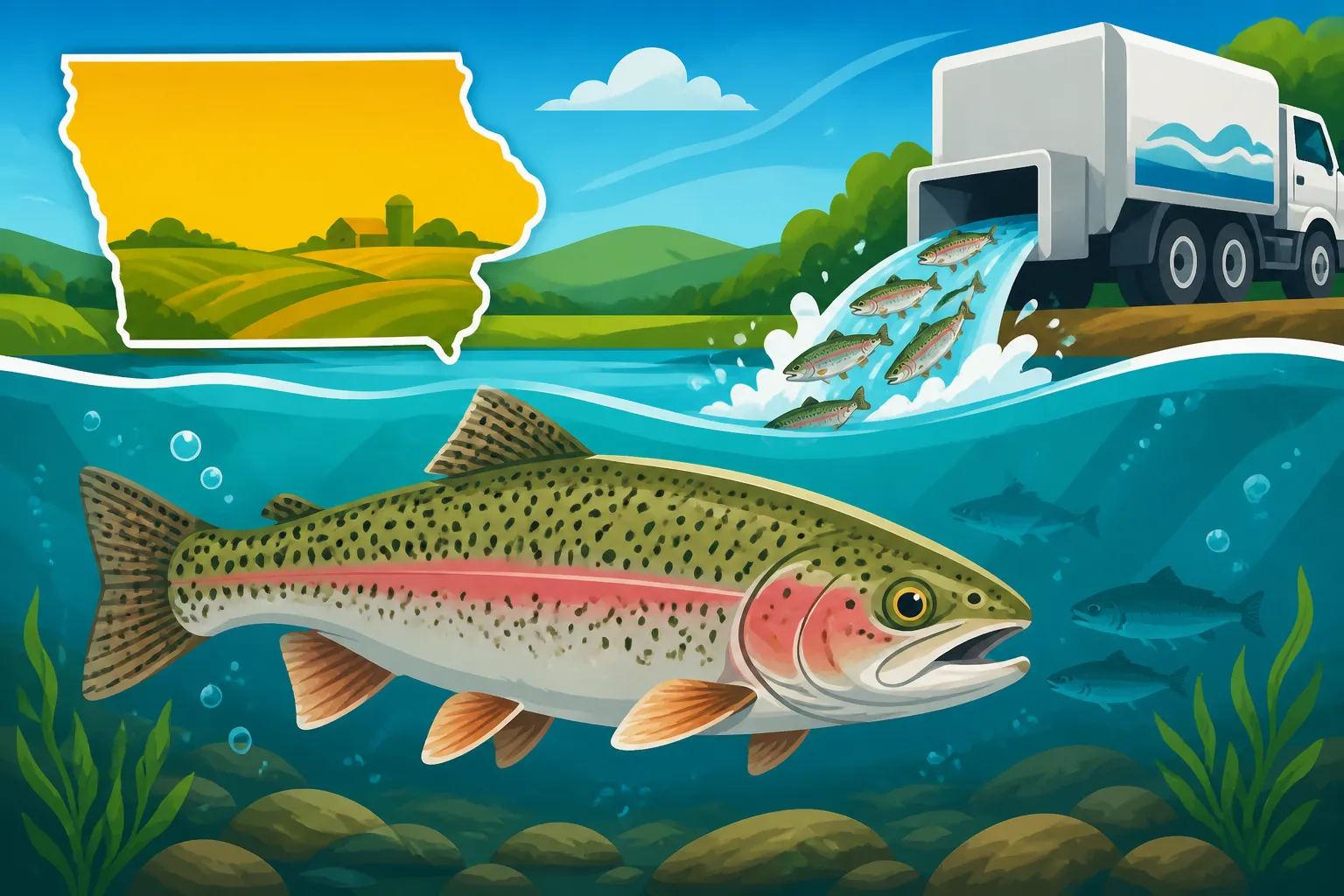
Let's be real about why Iowa stocks rainbow trout: it's primarily a "put-and-take" fishery. This means the DNR introduces trout into streams, especially those that can't support natural trout reproduction year-round, specifically for anglers to catch. The goal isn't necessarily for these fish to establish long-term, self-sustaining populations in most stocked locations. Instead, it's about providing a fantastic fishing opportunity for you and me.
Because of this "put-and-take" model, the immediate lifespan of a stocked rainbow trout can be quite short. Many are caught within days or a few weeks of being stocked, which is exactly what the program intends! This isn't a bad thing; it means the program is successful in creating those exciting fishing experiences we all chase. It's a balance of providing recreation while managing a non-native species in an environment that might not be its natural, long-term home. Understanding this helps you appreciate the quick turnaround and the importance of checking stocking schedules for the best chances of success.
Factors Affecting Initial Survival
Even in the most ideal stocked stream, a rainbow trout's life can be cut short by several factors right after release. Think about it: they've just been transported, introduced to a new environment, and suddenly they're sharing space with other fish and, of course, a lot of eager anglers.
Predation is a huge one. Herons, eagles, raccoons, and even larger fish already present in the stream see these freshly stocked trout as an easy meal. These predators don't care that the trout were just released; they just see food. Additionally, the stress of transport and being suddenly introduced to a new stream can make some fish more vulnerable to disease or less inclined to feed aggressively initially, further impacting their immediate survival. It's a tough world out there for a fish, even one that's been carefully raised in a hatchery!
The "Catchable" Fish Mentality
The term "catchable" is key here. When the DNR talks about stocking "catchable" trout, they mean fish that are already a decent size, usually 8-12 inches, making them prime targets for anglers. These aren't tiny fry that need years to grow; they're ready to be caught from day one.
This strategy ensures that when you visit a stocked stream, you have a good chance of reeling something in. It maximizes the recreational value of the program, which is why so many of us look forward to the Rainbow Trout Stocking Program in Iowa. It's a great way to introduce new anglers to the sport or give seasoned veterans a reliable target. The expectation, therefore, isn't that these specific fish will grow into massive, years-old trophies, but rather that they provide immediate fun and the opportunity to take home a tasty meal.
Environmental Challenges to Long-Term Survival
While some Iowa streams have natural spring-fed conditions that can support trout year-round, many of our stocked waters face significant environmental hurdles that limit how long rainbow trout can truly thrive. These aren't the cold, clear mountain streams where wild trout populations flourish for years.
The reality is that most Iowa streams are simply too warm, especially during the summer months, for rainbow trout to survive long-term. Trout need consistently cold water, ideally below 65 degrees Fahrenheit, to be healthy. As water temperatures rise, their metabolism speeds up, oxygen levels in the water drop, and they become highly stressed, susceptible to disease, and eventually, unable to survive. This is one of the primary reasons why Do Trout Reproduce Naturally in Iowa Streams? is a complex question with limited positive answers outside of a few specific cold-water areas.
Water Temperature Fluctuations
Iowa weather is notoriously unpredictable, and so are our stream temperatures. A beautiful spring morning can quickly turn into a scorching summer afternoon, sending water temperatures soaring. Even what seems like a cold-water stream in April might become marginal for trout survival by July or August.
This means that a rainbow trout stocked in spring might only survive until the first significant heatwave. They simply aren't equipped to handle prolonged periods of warm water. Anglers who focus on the Spring Trout Stocking Strategy or Fall Trout Stocking Strategy know this; they target those cooler shoulder seasons precisely because the trout are more active and the water conditions are more favorable for their immediate survival. It's a window of opportunity, not a year-round open season for sustained populations in many spots.
Predation and Habitat Limitations
Beyond temperature, the habitat itself in many stocked Iowa streams can be challenging for long-term trout survival. While the DNR works hard to improve stream habitats, many lack the deep pools, undercut banks, and consistent overhead cover that trout need to escape predators and find refuge.
A stocked trout, accustomed to hatchery life, might not be as adept at evading a hungry heron or a lurking northern pike as a wild-born fish would be. The sheer volume of anglers can also put pressure on these fish. If a trout manages to avoid being caught by a human, it still has to contend with all the natural predators that call the stream home. When you’re selecting gear, like a good pair of waders or a quality landing net, from places like Amazon, it’s because you want to make sure you have the best chance to land these fish before nature or other anglers do.
Food Availability and Competition
In a hatchery, trout are fed a consistent, high-quality diet. When they're released into a stream, they suddenly have to forage for themselves, competing with native species for insects, small crustaceans, and baitfish. While trout are adaptable, this transition can be tough.
If a stream doesn't have an abundant natural food source, or if there's too much competition from other fish species, the stocked trout might struggle to find enough to eat. This can lead to slower growth, reduced energy, and ultimately, a shorter lifespan. It’s another subtle but significant factor in why a stocked trout might not live as long as you might hope, even if it avoids the hook and the heron.
Maximizing Your Chances of Encountering Stocked Trout
Given the "put-and-take" nature and environmental challenges, the best way to enjoy Iowa's stocked rainbow trout fishing is to understand when and where to go. It's not about them living for years, but about catching them when they are most active and abundant shortly after stocking.
The Iowa DNR publishes stocking schedules, often online or through local announcements. Keeping an eye on these schedules is crucial. You'll want to aim for streams that have just received a fresh batch of fish. Places like the Trout Streams in Northeast Iowa are prime examples where regular stocking occurs. These fish are typically eager to bite after their journey and are still adjusting to their new surroundings.
Timing Your Visit
Timing is everything. If you wait too long after a stocking event, the number of fish will naturally decrease due to angling pressure, predation, and environmental factors. Aim to be there within the first few days, or at most, the first week, after a stocking. This is when the fish are most concentrated and typically most active.
Think of it like a special event: it's best to arrive early to get the full experience! The fish will be less wary, and the thrill of a fresh stocking is unparalleled. Plus, you’re often fishing in cooler weather, which is more comfortable for both you and the trout. This is why many experienced anglers are religious about checking those stocking updates.
Gear and Techniques for Success
When targeting recently stocked trout, you don't need overly complex gear. A light spinning rod and reel combo, spooled with 4-6 pound test monofilament or fluorocarbon line, is perfect. Small inline spinners (like Panther Martins or Mepps), tiny spoons, or even just a simple hook with a piece of corn, power bait, or a worm under a bobber can be incredibly effective.
For the fly-fishing enthusiasts, standard nymph patterns, small streamers, or even dry flies if there's a hatch, will work wonders. You can find a huge variety of these items, from a reliable spinning combo to an assortment of flies, readily available on Amazon. Having a small, portable tackle box with a good selection of these basics will set you up for success in almost any Iowa stocked trout stream. Remember, the fish aren't usually picky right after stocking; they're hungry and curious!
| Factor | Impact on Stocked Trout Longevity | Angler Tip |
|---|---|---|
| Angling Pressure | Significantly reduces numbers quickly. | Fish within days of stocking announcements. |
| Water Temperature | High temps cause stress & death. | Target spring and fall; check stream temps before going. |
| Predation | Herons, eagles, other fish quickly reduce populations. | Fish areas with good cover if possible, but know it's a natural process. |
| Food Availability | Lack of natural food sources can lead to starvation. | Use common trout baits (worms, PowerBait, spinners) as they are familiar. |
| Post-Catch Handling | Poor handling can cause delayed mortality. | Use wet hands, minimize air time, and consider barbless hooks for C&R. |
| Habitat Suitability | Lack of deep pools, cover limits refuge. | Focus on areas with current breaks, deeper runs, or structure. |
Respecting the Resource and Regulations
While the goal is to catch these fish, it's also important to be a responsible angler. Handle fish gently if you plan to release them, minimizing their time out of the water. Use wet hands to protect their slime coat, and try to remove hooks quickly and cleanly. Even though it's a "put-and-take" fishery, respecting the fish ensures the best experience for everyone.
Always be mindful of the daily bag limits and possession limits, which you can find in the Iowa Fishing Regulations Explained. These rules are in place to help manage the resource and ensure that future generations of anglers have the same fantastic opportunities. Whether you keep your limit for a delicious meal or practice catch-and-release, enjoying these Trout Streams Near Decorah or other great spots is a privilege.
Beyond the Immediate Catch: The Environmental Angle
Understanding the lifespan of stocked rainbow trout isn't just about maximizing your catch; it also sheds light on the broader environmental context of Iowa's fishing programs. The DNR's efforts aren't just about throwing fish into a stream; they involve careful consideration of habitat, water quality, and the potential impact on native species.
While rainbow trout are beautiful and exciting to catch, they are not native to Iowa's streams. The intensive stocking program is a testament to the DNR's commitment to providing diverse fishing opportunities in a state not naturally known for its trout. It's a managed fishery that relies heavily on ongoing human intervention to maintain. This contrasts sharply with areas where self-sustaining populations of native species thrive, where the focus might be more on habitat preservation and less on consistent stocking.
Conservation and Habitat Improvement
The fact that most stocked rainbow trout have a relatively short lifespan in Iowa streams underscores the importance of ongoing conservation efforts. The DNR and various conservation groups work tirelessly on projects that improve water quality, restore stream banks, and create better in-stream habitat. These efforts benefit not only the stocked trout during their brief stay but also native fish species and the entire aquatic ecosystem.
For instance, projects that add overhead cover or create deeper pools can provide temporary refuge for trout from predators and warmer temperatures, potentially extending their survival for a little longer. While these improvements don't typically lead to widespread natural reproduction of rainbows, they enhance the overall health and resilience of our waterways, which is a win for all aquatic life and anglers alike. If you're looking for more information on the season itself, you might want to check out How Long Iowa's Trout Season Lasts.
Supporting the Program
When you purchase your Iowa Resident Annual Fishing License or pay the trout fee, you're directly contributing to this program. Those funds help operate the hatcheries, transport the fish, and support the critical habitat improvement projects that make trout fishing in Iowa possible. It’s a collective effort, and every angler plays a part.
Consider trying different techniques, perhaps even exploring How to Fly Fish for Trout in a Small Stream. It’s a rewarding way to connect with nature and appreciate the environment these fish briefly call home. The experience of fishing in these picturesque streams, whether you catch a limit or just a few, is truly special and worth supporting.
Ultimately, while the lifespan of a stocked rainbow trout in Iowa might be shorter than you'd imagine, the program itself is designed to provide immediate, accessible, and thrilling fishing opportunities. Go enjoy those stocked streams, appreciate the fish, and remember the incredible work that goes into making trout fishing a reality in the Hawkeye State.
Disclaimer
This article is for general informational purposes only and does not constitute professional advice. Laws, prices and regulations vary by location and change over time. Consult a qualified professional for guidance on your specific situation.