Do Trout Reproduce Naturally in Iowa Streams?
Many Iowa anglers dream of a pristine stream teeming with wild trout, fish born and raised right there in the flowing water, a truly self-sustaining ecosystem. It's a beautiful image, but the reality for much of our state is a bit more complex, and frankly, a common source of confusion and sometimes disappointment for those new to trout fishing in Iowa. This guide will dive deep into whether trout truly reproduce naturally in Iowa streams, where it can happen, and why our dedicated stocking programs are absolutely vital to enjoying the fantastic trout fishing opportunities we do have.
The Dream of Wild Trout in Iowa
There’s something magical about the idea of catching a truly wild fish, a creature that has navigated the challenges of its environment from egg to adult without human intervention. For trout anglers, this vision often involves clear, cold streams where trout populations thrive independently. In Iowa, this dream is largely concentrated in a specific region, and for very particular reasons.
Why Natural Reproduction is So Challenging Here
Iowa's geography, while beautiful in its own right, isn't naturally set up for widespread trout reproduction. Trout, particularly their eggs and newly hatched fry, are incredibly sensitive to water temperature. They need consistently cold water, ideally below 60 degrees Fahrenheit (15.5 degrees Celsius), for successful incubation and survival. Many of Iowa's rivers and streams, especially outside of the extreme northeast, simply don't maintain these low temperatures year-round, particularly during our hot summer months when water levels can also drop.
Beyond temperature, the very geology of Iowa presents a hurdle. Much of our state is characterized by rich, agricultural land, which, while fantastic for farming, means many waterways are susceptible to runoff. This runoff can introduce sediment, nutrients, and even pollutants that degrade water quality. Trout eggs need clean, oxygenated gravel beds to hatch, and fine sediment can smother them. The subtle changes in stream chemistry from nutrient runoff, while not always immediately fatal to adult fish, can certainly hinder the delicate process of reproduction. It’s a frustrating reality for those who love our state and its potential for fishing, knowing that the very land we cherish can make natural trout survival so difficult.
What "Naturally Reproducing" Really Means for Trout
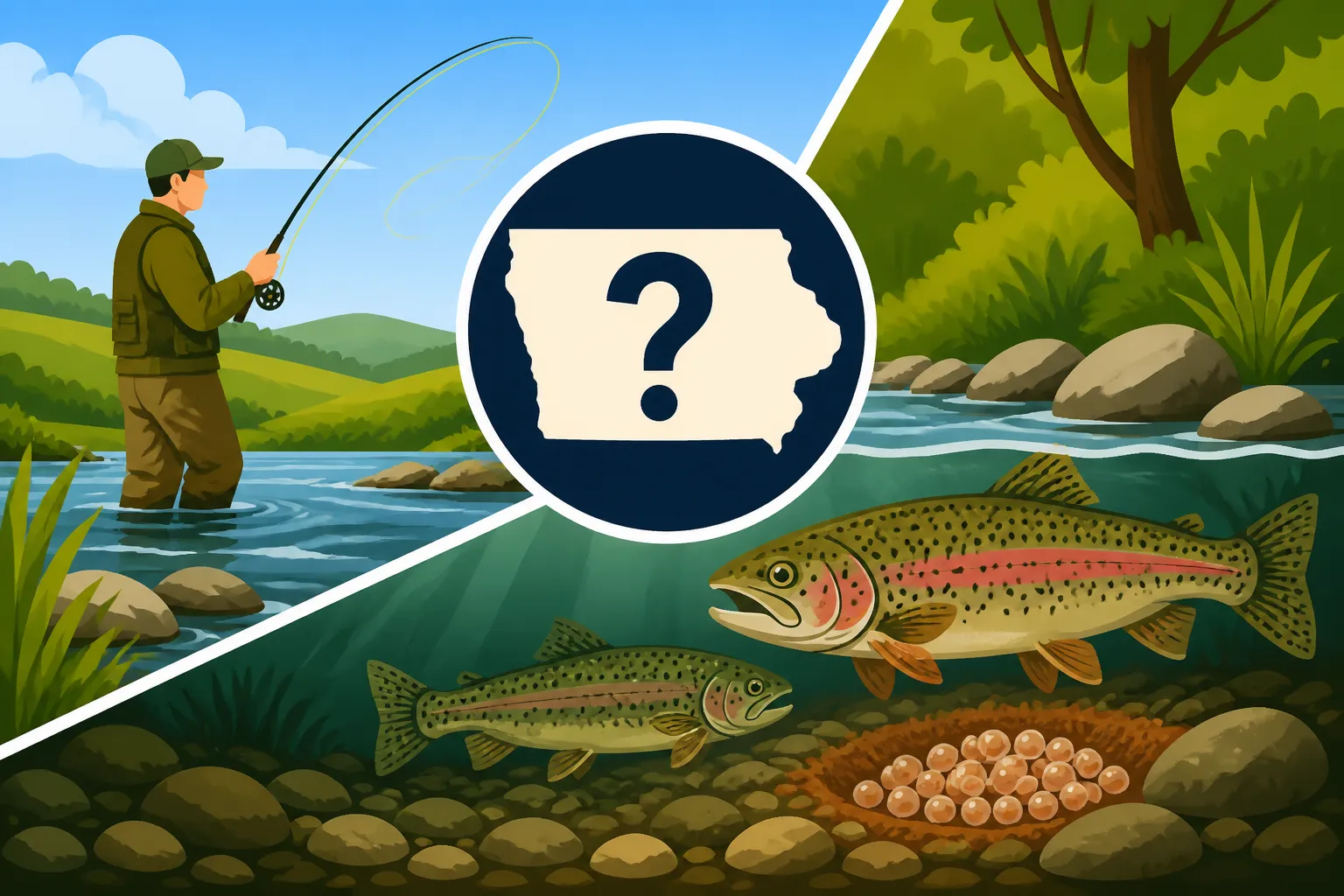
When we talk about a naturally reproducing trout population, we're not just talking about adult fish swimming around. We're talking about a complete lifecycle. This means the adult trout successfully spawn, laying their eggs in clean, well-oxygenated gravel nests (called redds). Then, those eggs must incubate for weeks or months without being washed away, smothered by silt, or eaten by predators. After hatching, the tiny trout fry must find sufficient food and cover to grow, avoiding disease and predation, and eventually mature enough to return and spawn themselves.
This full lifecycle requires very specific and consistent environmental conditions. Clean, flowing water, a stable streambed with appropriate gravel, overhead cover, and consistent cold water temperatures throughout the year are all non-negotiable. Without these elements consistently in place, even if a few eggs hatch, the chances of those fry surviving to adulthood and contributing to the next generation are incredibly slim. This is a stark contrast to a "stocked" fishery, where fish are raised in a hatchery and then released at a size where they are already capable of surviving and being caught by anglers, bypassing all those critical early life stages in the wild.
Where Natural Reproduction Does Occur (and Why it's Rare)
While the challenges are significant, it's not entirely impossible to find naturally reproducing trout in Iowa. These instances, however, are rare gems, existing only in very specific, geographically blessed locations.
Isolated Pockets of Success
If you're looking for genuine natural trout reproduction in Iowa, your focus absolutely has to turn to the extreme northeast corner of the state. This region is home to Iowa's driftless area, a unique geological zone that escaped glaciation. Here, you'll find an abundance of coldwater springs that emerge from the limestone bedrock. These springs are the lifeblood of Iowa's trout streams, providing a consistent flow of pure, cold groundwater that acts as a natural air conditioner for the creeks. This stable, chilly water environment is crucial for trout eggs and fry to survive.
In these exceptional spring-fed streams, particularly in counties like Clayton, Allamakee, Winneshiek, and Fayette, you can find small, self-sustaining populations of trout. They're often smaller in number than the fish you'd find in a heavily stocked stream, but catching one is a truly rewarding experience, knowing that it hatched and grew entirely in the wild. These spots often require a bit more effort to find and fish, but for many, the hunt for a truly wild Iowa trout is part of the allure. Keep an eye on local reports and resources for Trout Fishing Streams in Northeast Iowa to pinpoint these special areas.
The Role of Specific Trout Species
When it comes to natural reproduction in Iowa, not all trout are created equal. Brown Trout are generally more resilient and adaptable than their rainbow cousins, making them the most likely species to achieve some level of natural reproduction in our marginal conditions. Brown trout are known for their hardiness and ability to tolerate slightly warmer temperatures and more fluctuating water conditions than, say, a delicate brook trout. Their instinct to spawn in the fall also gives their eggs a longer incubation period over winter, potentially benefiting from consistent spring flow before summer heat.
Rainbow Trout, while incredibly popular with anglers and a staple of Iowa's stocking program, are far less likely to reproduce successfully in Iowa streams. The vast majority of Rainbow Trout Fishing in Iowa is sustained purely by hatchery-raised fish. Even in the very best spring-fed creeks, naturally reproducing rainbow trout are exceedingly rare. This difference in reproductive success highlights why conservation efforts and strict Trout Stream Regulations in Northeast Iowa are so important for those precious wild brown trout populations. It's a reminder that even for the more robust species, thriving naturally in Iowa is a delicate balance.
The Importance of Iowa's Trout Stocking Program
Given the natural limitations, you might wonder how Iowa maintains any trout fishing at all. The answer lies in a highly successful and robust stocking program, which is the backbone of our state's trout fishery.
Sustaining the Fishery for Anglers
Let's be real: without stocking, trout fishing in Iowa would be an incredibly niche, very limited activity, restricted to a handful of small, wild-sustaining creeks. The Iowa Department of Natural Resources (DNR) works tirelessly through its hatcheries to raise and release thousands upon thousands of catchable-sized trout each year. This means that anglers across a broader range of streams in Northeast Iowa, and even in urban community ponds during cooler months, have reliable access to trout fishing. It creates opportunities for families, beginners, and seasoned pros alike to experience the thrill of a trout on the line.
The stocking program isn't just about putting fish in the water; it's about creating a recreational opportunity that many Iowans cherish. It allows for consistent fishing pressure and opportunities for anglers, ensuring that the passion for trout fishing remains vibrant. This also has a positive ripple effect on local economies in trout country, with anglers buying bait, tackle, food, and sometimes lodging. It truly is a testament to dedicated management that Iowa, a state not traditionally known for its trout, can offer such fantastic fishing. Remember, to participate in this, you'll likely need an Iowa Fishing License Guide and, if targeting trout in special waters, an Iowa Trout Fishing Fee and Stamp Guide.
How Stocking Programs Work in Iowa
Iowa's stocking program is a well-oiled machine. Trout are raised in state-of-the-art hatcheries, like the Decorah Trout Hatchery and Big Spring Trout Hatchery, from eggs to catchable size. These fish are then transported and released into designated trout streams and ponds, often on a regular schedule. The goal isn't necessarily to establish self-sustaining populations, but rather to provide a "put-and-take" fishery where anglers can enjoy catching these fish soon after they're released.
These stocked fish are typically Rainbow Trout Fishing in Iowa, though some Brown Trout are also stocked. They are accustomed to hatchery life, meaning they are ready to bite and provide immediate sport. The sheer effort and resources dedicated to this program are immense, all with the aim of ensuring that when you visit one of Iowa's trout streams, you have a real chance of success. This means checking the stocking schedule, understanding Iowa Fishing Regulations Explained, and being prepared for a lively day on the water. Many anglers even check the "Iowa Fishing Atlas" or the DNR website for details on when and where stockings will occur.
What Anglers Can Do to Support Healthy Streams
Even though natural reproduction is rare, anglers still play a crucial role in maintaining the health of Iowa's trout streams, whether those streams hold wild fish or are sustained by stocking. Our actions on and off the water truly matter.
Catch and Release and Ethical Practices
For those truly special streams that do hold naturally reproducing trout, or even for the larger, more mature stocked fish that have adapted well to the wild, practicing catch and release is paramount. This isn't just a suggestion; it's a vital part of conservation. Releasing fish carefully ensures they have the best chance of survival, potentially even contributing to future generations. This means using appropriate gear, like a good quality net (you can find many options on sites like Amazon), minimizing handling, and releasing the fish quickly and gently.
Beyond just catch and release, ethical angling practices are key. Always be mindful of your impact on the stream environment. Avoid disturbing stream banks, pack out all your trash, and if you see struggling fish or environmental issues, report them to the authorities. Learning proper handling techniques, such as keeping the fish in the water as much as possible, using barbless hooks, and minimizing direct contact, can make a huge difference. Every angler has a responsibility to be a steward of these precious resources, especially in areas where trout are working against the odds to reproduce naturally.
Protecting and Improving Habitat
The challenges to natural reproduction in Iowa trout streams often boil down to habitat—or the lack thereof. Anglers can contribute significantly by supporting efforts to protect and improve these habitats. This includes advocating for and participating in projects that stabilize stream banks, plant riparian vegetation (trees and shrubs along the bank), and reduce sediment and nutrient runoff from surrounding lands. These initiatives, while sometimes slow to yield results, are essential for creating the conditions where trout, both wild and stocked, can thrive.
Organized groups like Trout Unlimited or local conservation districts often lead habitat improvement projects. Getting involved, even if it's just donating your time for a workday or contributing financially, makes a tangible difference. Healthy streams aren't just good for trout; they're good for all aquatic life, local wildlife, and the overall ecosystem. While it's true that How Long Rainbow Trout Live in Stocked Waters might vary, a healthier environment gives every fish a better chance. Protecting these areas means understanding and respecting guidelines such as Trout Fishing Techniques for Iowa Streams and the associated rules, knowing that our collective efforts can create a more resilient and beautiful fishing future for Iowa.
Here's a quick comparison of naturally reproducing vs. stocked trout considerations in Iowa:
| Feature | Naturally Reproducing Trout | Stocked Trout |
|---|---|---|
| Source | Born and raised in the wild | Raised in a hatchery, then released |
| Primary Species | Primarily Brown Trout; Rainbow Trout rare | Primarily Rainbow Trout; some Brown Trout |
| Location | Limited to specific spring-fed streams in NE Iowa driftless area | Many designated trout streams & community ponds across NE Iowa |
| Population Size | Generally smaller, more localized populations | Larger, more consistent numbers |
| Survival Rate | Subject to high natural mortality in early life stages | Higher initial survival rate due to catchable size |
| Fishing Experience | More challenging, highly rewarding for "wild" fish | Accessible, reliable "put-and-take" opportunity |
| Conservation Focus | Habitat protection, responsible catch & release | Program sustainability, angler access, water quality |
Disclaimer
This article is for general informational purposes only and does not constitute professional advice. Laws, prices and regulations vary by location and change over time. Consult a qualified professional for guidance on your specific situation.