What a Sheepshead Fish Is
When you hear the term "sheepshead fish," if you're an angler in Iowa, your mind probably conjures up images of a specific freshwater inhabitant with a rather distinct appearance. Yet, for many, there's a bit of confusion, as "sheepshead" is a name that can apply to a saltwater species as well. This guide is here to clear up that mystery, focusing on the fascinating fish we Iowans know as the sheepshead – which is, in fact, the hard-fighting freshwater drum – and to help you understand where to find them, how to catch them, and whether they make a good meal.
Unpacking the Mystery: What Exactly is a Sheepshead Fish in Iowa?
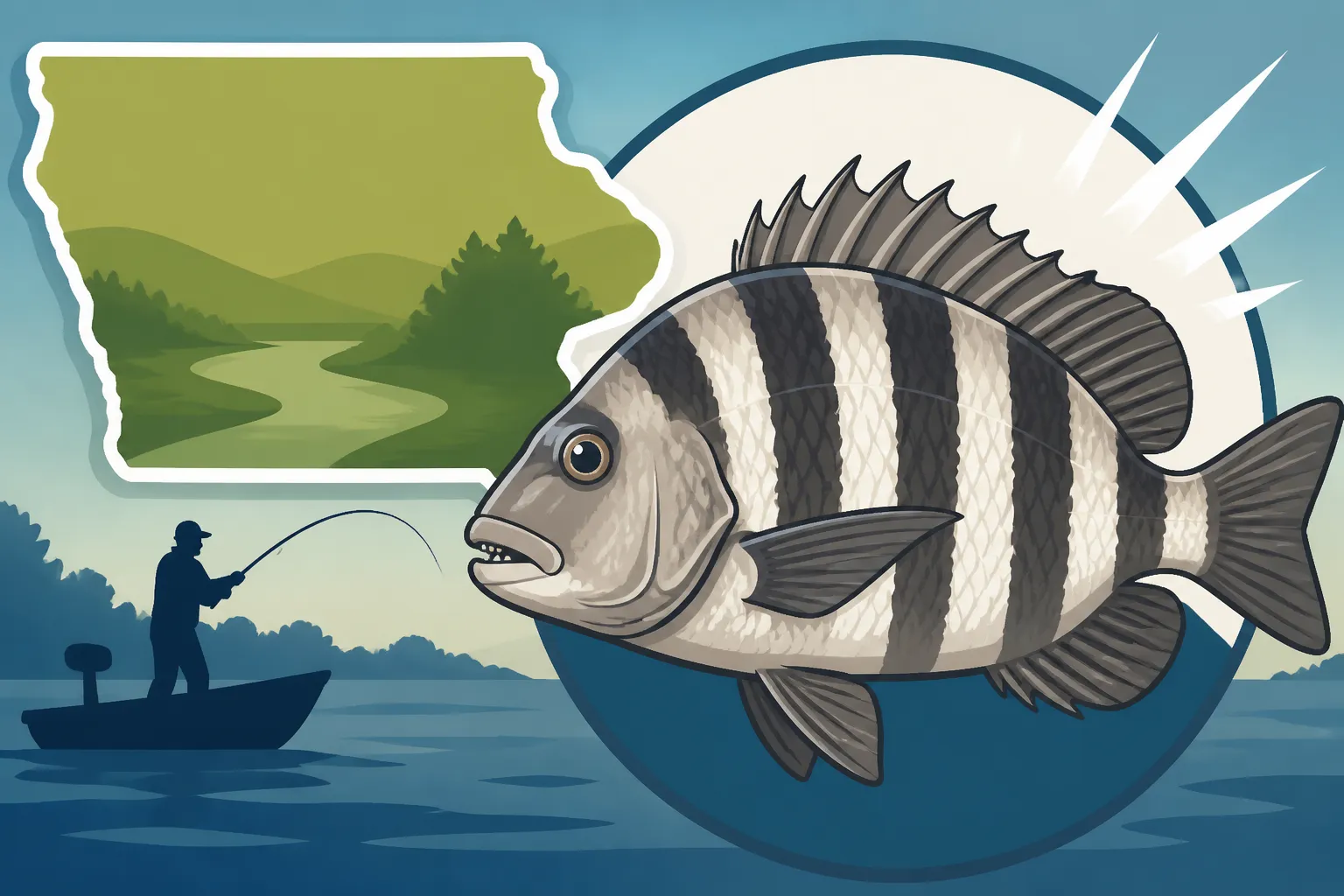
Alright, let's get right to it and cut through the confusion. When Iowans, or really anyone fishing in the freshwater rivers and lakes of the Midwest, talk about a "sheepshead," they are almost certainly referring to the Freshwater Drum (Aplodinotus grunniens). It's a classic case of a common name causing a bit of a ripple in the fishing world, because there's also a saltwater fish, the Archosargus probatocephalus, that's also called a sheepshead, famous for its human-like teeth. But don't worry, you won't be encountering any toothy saltwater cousins in our beautiful Iowa waters!
The Many Names and Identifiable Features of a Freshwater Drum
So, our Iowa "sheepshead" is the Freshwater Drum. But even that name isn't the only one you'll hear! They're often called "drum," "gaspergou" (especially further south), or even "croaker" due to the drumming or croaking sound they can make. It's truly one of those fish with a multitude of aliases, which just adds to their enigmatic charm.
When it comes to identification, freshwater drum have a few key characteristics that make them stand out. They typically have a deep, compressed body, meaning they're taller than they are wide. Their coloration usually ranges from silvery-grey to brownish on their backs, fading to a lighter, often white or yellowish, belly. One of their most distinctive features is a long dorsal fin, which is deeply notched, giving the appearance of two fins. They also possess a rounded tail fin, which differentiates them from some other common bottom feeders. Their mouths are subterminal, meaning it's located underneath the snout, perfectly designed for rooting around on the bottom for food. Perhaps one of the most unique biological aspects of the freshwater drum is the presence of large otoliths, or "ear stones," which are calcium carbonate structures found in their inner ear. These often get polished up and kept as good luck charms by anglers, sometimes even called "lucky stones" or "crosses" due to their shape. You can read more about their physical traits in Freshwater Drum Facts and Habitat.
| Feature | Freshwater Drum (Iowa Sheepshead) | Channel Catfish | Common Carp |
|---|---|---|---|
| Scientific Name | Aplodinotus grunniens | Ictalurus punctatus | Cyprinus carpio |
| Common Names | Sheepshead, Drum, Gaspergou | Channel Cat, Spotted Cat | German Carp, Mud Hog |
| Body Shape | Deep, compressed, somewhat humped | Elongated, cylindrical | Deep, robust, slightly compressed |
| Coloration | Silvery-grey to brownish back, white belly | Olive-brown to blue-grey, spotted (young) | Brass or golden-brown, yellowish belly |
| Mouth Position | Subterminal (underneath snout) | Terminal (at the end of snout), barbels | Subterminal, protrusible, barbels |
| Dorsal Fin | Long, deeply notched, appears as two | Single, spiny, often with a barb | Single, long, serrated spine |
| Tail Fin | Rounded | Deeply forked | Slightly forked to nearly straight |
| Scales | Large, prominent | Scaleless | Large, prominent |
Natural Habitat and Behavior Patterns
Freshwater drum are native to a vast area of North and Central America, and Iowa falls squarely within their prime territory. They're true bottom dwellers, preferring slow to moderate currents in rivers and streams, as well as the deeper, open waters of lakes and reservoirs. They’re incredibly adaptable and can tolerate a wide range of water conditions, which is part of why they're so widespread. You'll find them hunkering down near structure – think submerged logs, rock piles, bridge pilings, or even channel drop-offs. These areas provide both cover from predators and prime feeding grounds.
Their diet is pretty much what you'd expect from a bottom feeder: they love to munch on small crustaceans like crayfish, insects, and mollusks. They have incredibly powerful pharyngeal teeth (throat teeth) that allow them to crush the shells of snails and clams, making them invaluable for keeping these populations in check within an ecosystem. You'll often see them feeding in schools, especially when they're younger. As they mature, they tend to become a bit more solitary, though you can still find several in a good feeding spot. They're generally active feeders from late spring through early fall, with their metabolism slowing down considerably in the colder winter months. During warmer periods, they can be quite aggressive on the bite, making them a fun target for anglers.
Where to Find Freshwater Drum in Iowa Waters
If you're looking to hook into an Iowa sheepshead, you're in luck! These fish are incredibly common and widespread throughout the state, making them an accessible target for almost any angler. They thrive in a variety of environments, from our mighty border rivers to many of our larger interior lakes and reservoirs. Understanding their preferred habitats will significantly increase your chances of a successful outing.
Prime Riverine Habitats and Major Waterways
Iowa's rivers are absolutely prime territory for freshwater drum. They particularly love rivers with moderate current, soft bottoms where they can root around, and plenty of structure. The Mississippi River is arguably the grand daddy of drum fishing in Iowa. Every pool along the Iowa border holds a healthy population. Anglers often find them in the deeper holes, along current breaks created by wing dams, and in the slower stretches of backwaters near the main channel. The Missouri River, on Iowa's western border, also offers fantastic drum fishing, with similar preferences for deeper water and current seams. If you're exploring Fishing the Mississippi River in Iowa or thinking about Fishing the Des Moines River in Iowa, you're in a great position to encounter drum.
Beyond these giants, many of Iowa's interior rivers, such as the Cedar, Iowa, Skunk, and Maquoketa rivers, also hold strong populations of freshwater drum. Look for them in areas where the river widens, slows down, and creates deeper pockets. Bend sections where the current has scoured out a deeper hole are often hotspots. Structure is key here too; think about areas with submerged logs, rock piles, or even bridge footings and culverts. They'll often school up in these locations, especially during feeding times. These fish are resilient and abundant, so even if you're just Best Tackle for Bank Fishing on Iowa Rivers, you have a good shot at catching a drum.
Lake and Reservoir Preferences
While rivers are a go-to for drum, don't overlook Iowa's larger lakes and reservoirs. These fish do very well in big bodies of standing water, particularly those with muddy or silty bottoms and ample depth. Lakes like Fishing Rathbun Lake in Iowa, Saylorville Reservoir, Coralville Reservoir, and Red Rock Reservoir all boast significant freshwater drum populations.
In lakes and reservoirs, drum often inhabit the deeper basin areas, especially where there are significant changes in depth, such as old creek channels or ledges. They’ll also congregate around artificial structures like submerged roadbeds, bridge abutments, and rip-rap shorelines. When fishing these areas, especially from a boat, paying attention to your fish finder can reveal schools of drum hugging the bottom. For shore anglers, focusing on deeper points, jetties, or public fishing piers that extend into deeper water can be very effective. During the warmer months, they might move shallower to feed, but generally, their preference for deeper, cooler water makes them a reliable target in these environments.
The Culinary Question: Are Freshwater Drum Good to Eat?
This is where the freshwater drum sometimes gets a bit of a bad rap, and honestly, it's often unfair! Many anglers consider them "trash fish" or believe they taste muddy. However, with the right approach and a bit of knowledge, freshwater drum can be a perfectly delicious table fare. The key, as with many fish, lies in how you handle them after the catch and how you prepare them.
Dispelling Myths and Exploring the Taste Profile
The biggest myth surrounding freshwater drum is that they automatically taste "muddy." This isn't universally true, and often depends on the water quality from which the fish was caught, as well as its size. Like carp or catfish, drum can absorb flavors from their environment. A drum caught from a clean, cool, oxygen-rich river will generally taste much better than one pulled from a stagnant, warm, muddy pond. This holds true for many species, including our beloved Channel Catfish Fishing in Iowa.
When caught from good water, freshwater drum actually have a mild, flaky white meat. Some describe the flavor as similar to cod or even a milder snapper. The texture is firm, which holds up well to various cooking methods. I've had drum fillets that were absolutely fantastic, often surprising those who had previously dismissed the species. It's truly a shame that a blanket prejudice prevents many from trying this readily available protein. You can find more detail on their taste in What Freshwater Drum Taste Like and further discussions in Are Freshwater Drum Good Eating Fish?.
Best Practices for Preparing and Cooking Freshwater Drum
To ensure you get the best possible eating experience from a freshwater drum, follow these tips:
- Immediate Care: This is crucial. As soon as you catch a drum you intend to eat, get it on ice. Chilling the fish immediately helps preserve the quality of the meat and prevents any off-flavors from developing. If you can bleed the fish upon landing, even better, as this further reduces strong flavors.
- Filleting: Drum can be a bit challenging to fillet for beginners due to their deep body and sometimes tough skin, but it's certainly doable. Many people choose to remove the reddish lateral line meat, as this is often where stronger "fishy" flavors reside. You'll be left with beautiful, white fillets.
- Cooking Methods: Freshwater drum is quite versatile.
- Frying: This is a classic for a reason. Lightly breaded and pan-fried or deep-fried, drum fillets are crispy on the outside and flaky on the inside.
- Baking/Broiling: You can bake or broil fillets with butter, lemon, and your favorite herbs and spices. They absorb flavors well.
- Grilling: Thicker fillets can be grilled, especially if wrapped in foil or placed in a fish basket to prevent them from flaking apart too soon.
- Fish Tacos: The firm, white meat makes excellent fish tacos!
- Smoking: Some anglers enjoy smoking drum, which imparts a wonderful flavor and firm texture.
Remember, the key is proper handling and not letting the fish sit un-iced in the heat. Give them a chance, and you might just find a new favorite on your plate! For great cooking gear, including fillet knives and coolers to keep your catch fresh, you can often find fantastic options on Amazon.
Getting Them on the Hook: Tips for Fishing for Freshwater Drum
Fishing for freshwater drum isn't usually the primary target for most Iowa anglers, but they are a fantastic species for consistent action, especially for kids or when other species are finicky. They fight hard, putting a good bend in your rod, and once you know their habits, they're relatively easy to catch.
Effective Baits and Tackle for Drum Fishing
Freshwater drum are opportunistic bottom feeders, so your bait selection should reflect that. They're not particularly picky, which makes them a great target for casual anglers.
- Baits:
- Live Bait: Hands down, the most effective baits are natural offerings. Nightcrawlers or pieces of nightcrawlers are absolute drum magnets. Minnows can also work, especially if you're targeting larger fish. Cut bait, like pieces of shad or other oily fish, can be very effective, especially when fishing in rivers for bigger drum. Crayfish are also a natural food source, so a live or imitation crayfish can draw strikes. For some good bait options, check your local bait shop or even Amazon for artificial versions.
- Prepared Baits: Stink baits or dough balls designed for catfish will also often attract drum, particularly in areas where they congregate with catfish.
- Tackle:
- Rod and Reel: A medium-action spinning rod (6-7 feet) paired with a reel spooled with 8-12 lb monofilament or braided line is perfect. This setup offers enough backbone to handle their strong runs while still being sensitive enough to detect bites. You definitely don't need highly specialized gear; a good all-around setup works.
- Rigging: A simple bottom rig is usually all you need. A slip-sinker rig (Carolina rig) or a three-way swivel rig works wonders. For a slip-sinker rig, thread a 1/2 to 1 oz egg sinker onto your main line, tie on a barrel swivel, and then add an 18-36 inch leader (8-10 lb test fluorocarbon or monofilament) with a circle hook (size 1 to 3/0, depending on bait size). Circle hooks are excellent because drum tend to swallow baits, and the circle hook will usually set itself in the corner of the mouth, making for easier release if you're not keeping them, and better hookups.
- Hooks: As mentioned, circle hooks are great. J-hooks can also work, but be mindful of deep hooking. The larger scales and tough mouths of drum mean you'll want a strong, sharp hook.
You can find a lot of these essential tackle components, from hooks to fishing line, on Amazon. Don't forget to check out Best Tackle for Iowa Fishing for more general gear recommendations that apply well to drum fishing.
Seasonal and Situational Fishing Strategies
Freshwater drum can be caught year-round in Iowa, but certain times and situations definitely boost your odds.
- Spring and Early Summer: This is arguably the best time. As water temperatures rise, drum become very active and hungry after the cooler months. They'll be moving into shallower areas to feed more aggressively. Fishing river bends, sand flats near drop-offs, and points in lakes will be productive.
- Summer: Drum remain active throughout the summer, though they might move to deeper, cooler waters during the hottest parts of the day. Dawn, dusk, and even night fishing can be very effective as they move shallower to forage under cover of darkness. They can provide excellent action during these hours when other fish might be sluggish.
- Fall: As water temperatures begin to drop, drum will feed heavily to prepare for winter. They'll often school up in deeper holes in rivers and along channel edges in lakes. This can lead to some fantastic catches if you locate a school.
- Winter: While possible, drum fishing slows significantly in winter, especially through the ice. They become much less active and feed sparingly. If you do catch them, it's often a bonus while targeting other species like walleye or panfish.
When you're out there, remember that drum are bottom feeders. Keep your bait on or very near the bottom. If you're in a boat, drifting slowly over potential holding areas can cover ground and help you locate schools. For shore anglers, casting to the deeper parts of a bend or beyond a drop-off is a good strategy. They often bite with a steady pull or a series of small taps, so pay attention to your rod tip. And don't forget, these fish can put up a surprisingly strong fight for their size, so be ready for a good tug!
Remember, staying updated on local regulations is always a good idea. While drum don't typically have strict limits, it's smart to review Iowa Fishing Regulations Explained before you head out. Enjoy the fight, and maybe even enjoy the meal!
Disclaimer
This article is for general informational purposes only and does not constitute professional advice. Laws, prices and regulations vary by location and change over time. Consult a qualified professional for guidance on your specific situation.