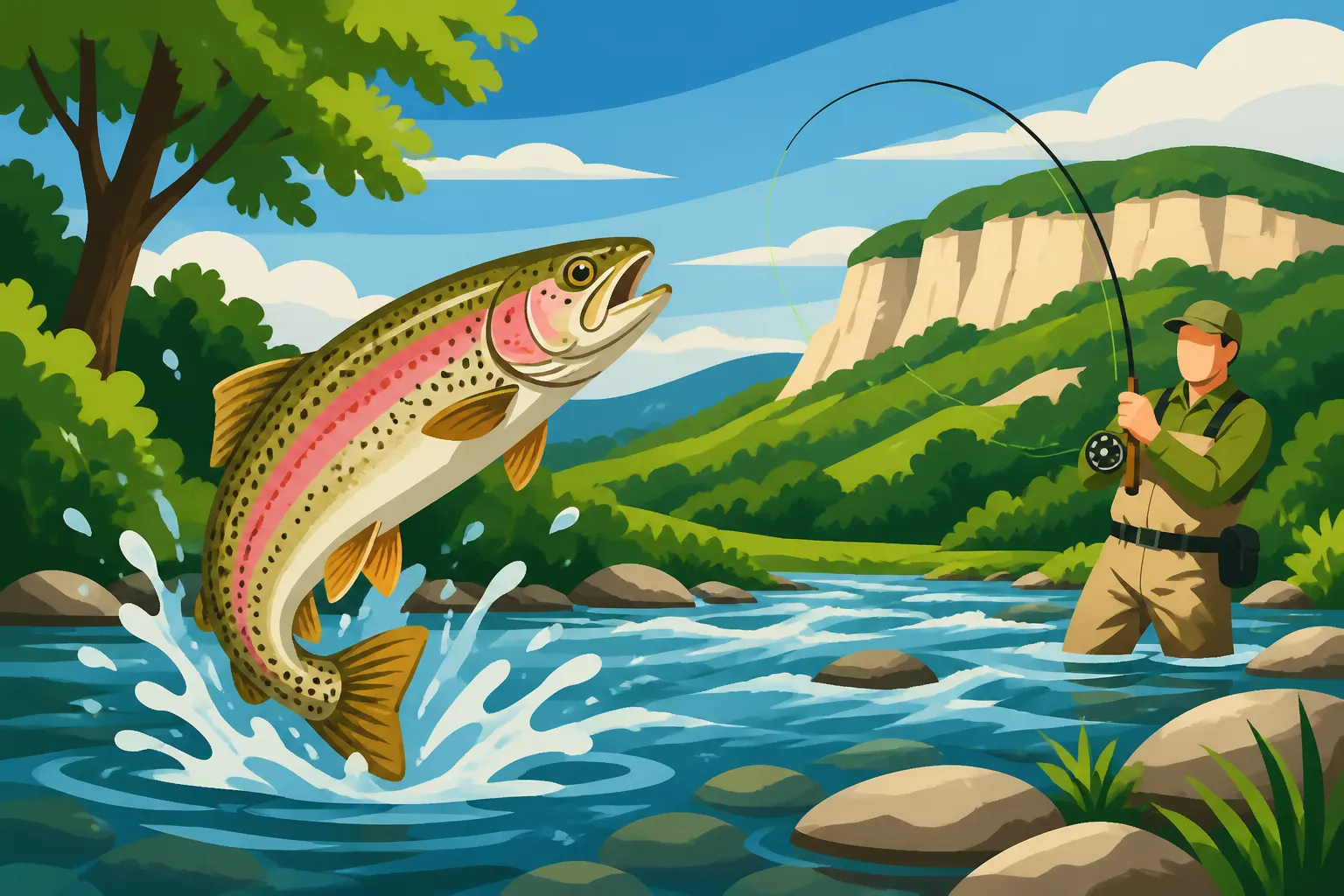
Trout Streams Near Decorah
The sheer beauty and challenge of trout fishing in Northeast Iowa can be incredibly rewarding, but figuring out which of the many pristine streams near Decorah to tackle first, and what exactly you need to know before you go, can feel a bit overwhelming. This guide is designed to cut through that confusion, offering an in-depth look at the prime trout fishing opportunities around Decorah, helping you plan a successful and enjoyable angling adventure.
Why Decorah is a Northeast Iowa Trout Fishing Mecca
Decorah, nestled in the heart of Iowa's "Driftless Area," isn't just a picturesque town; it's a genuine hotspot for cold-water trout fishing. The unique geological features of this region—a landscape untouched by glacial drift—have carved out deep, spring-fed valleys that create ideal conditions for trout to thrive. For many anglers, it’s a surprising gem, offering a taste of mountain stream fishing right here in the Midwest.
Unique Geography and Cold-Water Springs
What truly sets the Decorah area apart is its incredible abundance of natural cold-water springs. Unlike much of Iowa, which is characterized by rich, flat farmland, the Driftless Area boasts steep bluffs, forested ravines, and crystal-clear streams fed by subterranean springs. These springs maintain consistently cool water temperatures, even during the hottest summer months, which is absolutely crucial for trout survival. Trout, particularly brown and rainbow trout, cannot tolerate warm water for extended periods. The constant influx of cold, oxygen-rich water from these springs acts like a natural air conditioner, creating perfect habitat. This unique hydrology means that while much of Iowa's fishing slows down in summer, the trout streams around Decorah often remain productive, offering year-round angling opportunities for those willing to brave the colder weather.
Diverse Trout Species Calling Decorah Home
When you cast your line into a Decorah-area stream, you're likely to encounter a few different species of trout, making each trip a unique experience. While the Iowa Department of Natural Resources (DNR) actively stocks rainbow trout and brown trout, there's also a chance to hook into brook trout, especially in the more secluded headwaters. Rainbow trout are often the most common catch, known for their aggressive strikes and spirited fights. They adapt well to stocked environments and are a favorite for many anglers. Brown trout, on the other hand, are often more elusive and tend to be larger, offering a significant challenge for experienced anglers. They are also known for their beautiful golden-brown hues and distinctive spots. Finally, brook trout, while less common and often smaller, are truly special. They are Iowa's only native trout species, and finding one in its natural, wild habitat is a testament to the pristine conditions of the stream. Catching a native brook trout is a memorable event for any angler and highlights the importance of responsible fishing practices to protect these delicate populations. If you want to learn more about identifying these various species, our comprehensive Iowa Fish Species Guide can provide deeper insights.
Premier Trout Streams Near Decorah
Decorah is surrounded by a network of exceptional trout streams, each with its own character and fishing opportunities. Knowing a bit about each one can help you choose the perfect spot for your next outing, whether you're looking for easy access or a more remote, challenging experience.
North Bear Creek
North Bear Creek is arguably one of the most popular and productive trout streams in the entire state, and for good reason. Located just a short drive northeast of Decorah, this stream is renowned for its consistently strong populations of rainbow and brown trout. What makes North Bear Creek so appealing is its excellent access, with numerous public easements and parking areas provided by the Iowa DNR. You'll find a mix of riffles, runs, and deeper pools, offering diverse holding water for trout. The stream bed is generally stable, with a mix of gravel and small rocks, making for relatively easy wading.
Anglers often find success here with both fly fishing and spin fishing techniques. For fly anglers, smaller nymphs, caddis patterns, and attractor dries can be highly effective, especially during hatches. Spin fishers often do well with small spinners like Rooster Tails or Panther Martins, or with micro jigs tipped with a piece of worm or corn. The stream is regularly stocked, which means a good chance of action, but it also supports a healthy population of wild brown trout, particularly in its upper reaches. Keep an eye out for larger fish in the deeper bends and undercuts. This stream's popularity means it can see some angling pressure, especially on weekends, but its length and diverse access points ensure there's usually a quiet stretch to be found.
South Bear Creek
Just south of its namesake, South Bear Creek offers a similar, yet distinct, fishing experience. While perhaps not as heavily trafficked as North Bear, it maintains excellent trout populations and provides beautiful scenery for a tranquil day on the water. South Bear Creek flows through a mix of private and public lands, so paying close attention to signage and respecting private property is crucial here. The public access points are well-maintained and offer ample opportunity to explore.
The stream itself features a slightly different character than North Bear, often feeling a bit wilder in sections, with more downed timber and complex structure. This complexity can be a boon for anglers seeking out trophy brown trout, which love to hide in the shadows of submerged logs and undercut banks. Fly fishing with streamers or larger nymphs can be particularly effective for these larger, more elusive fish. Spin anglers should focus on getting their lures deep into these pockets of cover. South Bear Creek also has good stocking efforts for rainbow and brown trout, ensuring a consistent catch rate. Its slightly less crowded nature can make for a more relaxed and immersive fishing experience, especially if you're willing to walk a bit further from the parking areas.
Waterloo Creek
Venturing a bit further east from Decorah, you'll discover Waterloo Creek, a truly exceptional stream that many consider a jewel of the Driftless Area. This creek is known for its incredible beauty, gin-clear water, and strong populations of trout, including a notable wild brown trout fishery in certain sections. Access to Waterloo Creek is primarily through designated public easements, some of which require a bit of a hike, but the effort is almost always rewarded. The terrain can be steeper here, with more challenging wading in spots due to larger rocks and varying current speeds.
Waterloo Creek demands a bit more finesse from anglers, particularly fly fishers. The clear water means trout can be easily spooked, so long leaders, stealthy approaches, and precise casts are key. Dry fly fishing can be phenomenal during hatch periods, with mayflies and caddis often prompting exciting surface action. Nymphing is consistently productive, especially with smaller, more imitative patterns. Spin anglers will find success with ultra-light tackle and small, subtle lures or natural baits. The wild brown trout in Waterloo Creek are particularly prized; they are wary and strong, offering a true challenge. The DNR also stocks rainbow trout here, complementing the wild population and providing consistent opportunities. Visiting during the week or early mornings can help you avoid crowds and maximize your chances for a tranquil and productive day. For more specific details on stream regulations in this unique area, refer to our guide on Trout Stream Regulations in Northeast Iowa.
Trout Run
Perhaps the most accessible trout fishing experience directly within the Decorah city limits can be found at Trout Run. This stream, a tributary of the Upper Iowa River, flows right through the edge of town, offering unparalleled convenience for local anglers and visitors alike. While it might not offer the remote wilderness feel of some other streams, Trout Run is heavily managed and stocked, providing excellent catch rates, especially for beginners or those with limited time.
Trout Run is an ideal spot for families or those just getting into trout fishing. The stream often features clear, shallow areas interspersed with deeper pools, making it relatively easy to navigate and spot fish. The banks are generally clear, allowing for easy casting from shore in many places. Spin fishing with worms, corn, or small artificial baits tends to be very effective here, as the stocked rainbow and brown trout are often quite eager to bite. Fly anglers can also find success, especially with common attractor patterns. Due to its accessibility, Trout Run receives significant angling pressure and is regularly stocked by the DNR to keep up with demand. It's a fantastic place to hone your skills, introduce a child to fishing, or simply enjoy a quick fishing fix without straying far from town. This is also a great example of where the Iowa DNR implements its Iowa Spring Trout Stocking Strategy and Iowa Fall Trout Stocking Strategy to keep fish populations high for anglers.
Other Notable Streams
While North Bear, South Bear, Waterloo, and Trout Run are some of the most prominent, the Decorah area is rich with other quality trout waters. Consider exploring smaller streams like French Creek, which offers a more intimate fishing experience with good populations of both stocked and wild fish, or Coldwater Creek, known for its picturesque setting and healthy trout numbers. Each stream has its own charm and challenges, inviting anglers to discover their personal favorites. Always consult the Iowa DNR fishing atlas or local resources for current access points and regulations.
Here's a quick comparison of these premier streams:
| Stream Name | Location (Relative to Decorah) | Primary Access | Dominant Trout Species (Stocked/Wild) | General Character | Best for |
|---|---|---|---|---|---|
| North Bear Creek | Northeast | Excellent, numerous easements | Rainbow, Brown (Stocked & Wild) | Diverse, moderate current | All skill levels, consistent action |
| South Bear Creek | South-Southeast | Good, marked easements | Rainbow, Brown (Stocked & Wild) | Wild sections, more complex structure | Experienced anglers, wild fish |
| Waterloo Creek | East | Requires hiking to some spots | Rainbow, Brown (Stocked & Wild) | Clear water, stealth required | Fly anglers, challenging |
| Trout Run | Within city limits | Excellent, very accessible | Rainbow, Brown (Stocked) | Convenient, regularly stocked | Beginners, families, quick trips |
Essential Gear for Decorah Trout Streams
Having the right gear can make all the difference between a frustrating day and a fantastic one on the trout streams near Decorah. The unique environment of these streams often calls for specific equipment choices.
Rods, Reels, and Line
For the intimate settings of Decorah's trout streams, lighter tackle is almost always the way to go.
- Fly Fishing: A 7.5 to 8.5-foot fly rod in a 3-weight or 4-weight size is ideal. This length provides enough reach for casting in tight quarters while still offering the sensitivity to present small flies delicately. Pair it with a matching fly reel loaded with a weight-forward floating fly line. A 7.5 to 9-foot leader tapering down to 5x or 6x tippet is a good starting point for wary trout in clear water. For specific recommendations, our guide on the Best Fly Rod Setup for Trout can be a valuable resource.
- Spin Fishing: An ultra-light or light action spinning rod, typically 5 to 6.5 feet in length, is perfect. This rod will allow you to cast small lures and baits with precision and feel the subtle bites of trout. Couple it with a small spinning reel (size 1000 or 2000) spooled with 2 to 4-pound test monofilament or fluorocarbon line. The thin line reduces visibility in the clear water and allows for maximum casting distance with lightweight presentations.
Regardless of your chosen method, having a quality setup that balances sensitivity with enough backbone to handle a feisty trout is key. You'll be making many casts, so comfortable and lightweight equipment will save you fatigue throughout the day.
Waders and Footwear for Slippery Conditions
Wading is an integral part of trout fishing in Northeast Iowa, allowing you to access prime casting positions and move stealthily along the stream. Therefore, proper wading gear is non-negotiable.
- Waders: Breathable chest waders are generally preferred, especially for warmer months, as they allow moisture to escape and prevent overheating. Neoprene waders can be comfortable in colder weather, though they can be bulky. A good pair of waders will protect you from the cold water and keep you dry. Look for durable materials that can stand up to brush and occasional scrapes. Our article on the Best Waders for Iowa Trout Stream Fishing provides excellent recommendations.
- Wading Boots: This is where safety truly comes into play. The bottoms of these streams are often slick with algae-covered rocks, and a solid grip is paramount. Felt-soled wading boots offer superior traction on wet, slippery rocks. Alternatively, rubber-soled boots with aggressive tread patterns or those equipped with metal studs can also provide excellent grip. Always make sure your boots are comfortable and provide good ankle support, as you'll be navigating uneven terrain. A wading staff is also a wise accessory to help with balance and testing water depth, especially when crossing swift currents or navigating unfamiliar stretches of stream.
Tackle, Flies, and Essential Accessories
Your tackle bag should be streamlined for trout stream fishing, focusing on versatile and effective presentations.
- Flies (Fly Fishing): A selection of nymphs (e.g., Pheasant Tail, Hare's Ear, Prince Nymph), dry flies (e.g., Elk Hair Caddis, Adams, Parachute Adams), and a few small streamers (e.g., Woolly Bugger) will cover most situations. Match the size of your flies to the insects you observe, typically sizes 14-20. Don't forget strike indicators and split shot to help get your nymphs down to the fish.
- Lures/Bait (Spin Fishing): Small inline spinners (1/16 to 1/8 oz) in silver, gold, or black, micro jigs (1/32 to 1/8 oz) often tipped with a grub or a small piece of worm, and perhaps a few small crankbaits are highly effective. Natural baits like garden worms, red wigglers, and even a few kernels of corn can be incredibly productive, especially for freshly stocked fish.
- Accessories: Beyond your primary tackle, a few essential accessories will greatly enhance your trip. A small landing net with rubber mesh is crucial for safely handling and releasing trout, minimizing stress on the fish. Forceps or hemostats are indispensable for removing hooks quickly and efficiently. A small tackle box or vest that allows for easy access to your gear, a reliable pair of polarized sunglasses to reduce glare and help spot fish, and a hat for sun protection are all must-haves. Don't forget a multi-tool, leader material, and extra tippet.
Effective Trout Fishing Techniques for Decorah Streams
Trout fishing in the unique environment of Northeast Iowa requires a combination of stealth, observation, and adaptability. Whether you prefer the elegance of fly fishing or the versatility of spin fishing, understanding key techniques will boost your success.
Fly Fishing Fundamentals for Iowa Trout
Fly fishing for trout in Iowa's streams is a truly immersive experience, connecting you directly to the natural rhythms of the water and its inhabitants. Success often hinges on a delicate presentation and understanding insect behavior.
- Reading the Water: Before making a cast, take a moment to observe the stream. Look for classic trout lies: deep pools, undercut banks, current seams where fast and slow water meet, and areas around submerged logs or large rocks. Trout position themselves in these spots to conserve energy while waiting for food to drift by. Pay attention to any rising fish, indicating a surface hatch.
- Nymphing Techniques: Most of a trout's diet consists of aquatic insects in their larval or nymphal stages, so nymphing is often the most productive method. The goal is to present your fly naturally at the fish's feeding depth. This typically involves using a strike indicator a few feet above your nymph(s) and adding a small amount of split shot if needed to get the fly down. Cast upstream and allow the nymph to drift naturally downstream, mimicking a free-floating insect. Watch your indicator carefully for any subtle pause or twitch – that's often a take. Our detailed guide on Nymphing Techniques for Iowa Trout Streams can help you master this essential approach.
- Dry Fly Fishing: When trout are actively feeding on the surface, dry fly fishing is incredibly exciting. Matching the hatch is key here. Observe the size, shape, and color of any insects on the water and select a dry fly that closely imitates them. Present your dry fly gently upstream of a rising fish, allowing it to float drag-free over the target zone. The moment a trout sips your fly from the surface is pure magic. Even when no fish are rising, prospecting with a general attractor pattern like an Elk Hair Caddis or Parachute Adams can often bring fish to the surface.
Spin Fishing Strategies for Success
Spin fishing offers a more direct and often very effective way to catch trout in these streams, especially for those new to the sport or when conditions are challenging for fly fishing. The key is using light tackle and making precise presentations.
- Ultra-Light Lures: Small inline spinners are perennial favorites. Brands like Mepps and Rooster Tail offer a variety of sizes and blade colors. Cast them upstream or across the current and retrieve them just fast enough to get the blade spinning, allowing the current to carry them naturally. Vary your retrieve speed and depth until you find what the fish prefer. Micro jigs, often tipped with a tiny plastic grub or a piece of worm, are also deadly. Work them slowly along the bottom of pools or drift them naturally through runs.
- Bait Fishing with Finesse: Natural baits can be incredibly effective, especially for freshly stocked trout. Small garden worms, red wigglers, or even corn kernels can be presented on a small hook (size 10-14) with minimal weight. A slip bobber rig allows for precise depth control and indicates subtle bites. Drift your bait through promising pools and runs, letting it bounce naturally along the bottom or suspend at a specific depth. The key is to keep your presentation as natural and unobtrusive as possible, using the lightest line and smallest sinkers you can get away with. Remember that in some of Iowa's special regulation trout streams, only artificial lures are permitted, so always check the specific rules for the water you're fishing.
Planning Your Decorah Trout Fishing Trip
A successful trout fishing trip to Decorah involves more than just knowing where to cast your line. Planning ahead for the best times to visit and where to stay can significantly enhance your experience. If you're coming from out-of-state, be sure to understand Iowa Fishing Rules for Out-of-State Anglers before you arrive.
Best Seasons for Trout Fishing
Trout fishing in the Decorah area can be enjoyed year-round, but each season offers a distinct experience with its own challenges and rewards.
- Spring (March-May): This is often considered prime time. As ice melts and water temperatures begin to rise, trout become very active. Spring sees regular stocking efforts from the Iowa DNR, providing ample opportunity for success. Early spring can mean cold water and active nymphing, while late spring brings about increasing insect hatches and exciting dry fly action. Be prepared for variable weather, including rain and fluctuating temperatures. The streams are usually running full, which can make wading challenging in some spots but also provides more cover for fish.
- Summer (June-August): While some might think trout fishing slows down in summer, the cold-water springs of the Driftless Area keep many streams near Decorah productive. Focus on early mornings or late evenings when water temperatures are cooler and fish are more active. Seek out spring-fed stretches or deeper pools where trout can find thermal refuge. Stealth becomes even more critical due to lower water levels and clearer conditions. Terrestrial patterns (hoppers, ants, beetles) can be very effective for fly anglers, while spin fishers might opt for smaller, subtler lures or natural baits.
- Fall (September-November): Fall offers some of the most beautiful and rewarding trout fishing. As temperatures drop, trout become highly active, feeding aggressively in preparation for winter. The vibrant fall foliage creates a stunning backdrop, and angling pressure often lessens after the initial autumn rush. Brown trout, in particular, become very active as they prepare to spawn, often making them more aggressive. This is another season of significant stocking by the DNR, particularly with the Iowa Fall Trout Stocking Strategy. Dry fly fishing can still be good, but nymphing and streamer fishing often excel.
- Winter (December-February): For the hardy angler, winter can be surprisingly productive. While air temperatures are cold, the constant flow of spring water means many streams remain open and ice-free. Trout often congregate in deeper, slower pools, making them easier to target once located. Presentations need to be slow and subtle. Small nymphs or tiny jigs fished slowly along the bottom are usually the most effective. Dressing in layers and prioritizing warmth and safety is paramount for winter outings. This can be a very peaceful time to fish, with very little competition on the water.
Accommodation and Guide Services
Decorah offers a variety of accommodation options to suit different preferences and budgets.
- Lodging: From charming bed-and-breakfasts and boutique hotels in downtown Decorah to more budget-friendly motels on the outskirts, you'll find plenty of choices. If you prefer a more rustic experience, there are also campgrounds in the surrounding state parks and county parks, many offering easy access to fishing. Consider booking well in advance, especially during peak seasons like spring and fall, as Decorah is a popular destination for outdoor enthusiasts.
- Guided Trips: For those new to trout fishing, visiting the area for the first time, or simply looking to enhance their skills, hiring a local fishing guide can be an invaluable investment. Guides know the streams intimately, understand current conditions, and can put you on fish quickly. They can also teach you local techniques and provide insights into trout behavior specific to these waters. Many experienced guides operate in the Decorah area, offering everything from half-day wading trips to full-day excursions. Platforms like FishingBooker can be a great resource to find and compare local guides, read reviews, and book your trip. They often list guides who specialize in fly fishing or spin fishing for trout in the Driftless Area, ensuring you find the right fit for your angling goals. Using a service like FishingBooker also often provides peace of mind with vetted professionals.
Conservation and Regulations for Trout Anglers
Fishing in Iowa's trout streams is a privilege, and respecting the resource through responsible angling practices and adherence to regulations is paramount to ensuring these fisheries remain vibrant for generations to come.
Catch and Release Practices
While it's certainly rewarding to take home a few fish for the dinner table, practicing catch and release, especially for wild or larger trout, helps sustain healthy populations.
- Minimize Stress: When you catch a trout you intend to release, try to land it as quickly as possible to reduce its exhaustion. Keep the fish in the water as much as you can. If you need to handle it, wet your hands thoroughly beforehand to protect the fish's delicate slime coat, which acts as a barrier against disease. Avoid squeezing the fish, particularly around its gills or belly.
- Hook Removal: Use forceps or pliers to carefully remove the hook. If the fish is deeply hooked and removal would cause excessive damage, it's often best to cut the line as close to the hook as possible. Barbless hooks greatly facilitate quick and easy release, causing less harm to the fish. Many experienced anglers voluntarily crimp the barbs on their hooks for this reason.
- Revive and Release: Hold the fish gently in the current, facing upstream, until it regains its strength and can swim away on its own. Avoid tossing it back into the water. Watching a healthy trout swim away vigorously is a rewarding part of the catch-and-release ethic. By following these simple practices, you contribute directly to the health and longevity of Decorah's exceptional trout fishery.
Understanding Iowa Trout Fishing Regulations
Iowa has specific regulations for trout fishing, particularly in its designated trout streams, which can differ from general statewide fishing rules. It's crucial to be aware of these to avoid violations and ensure a legal and ethical fishing experience.
- Fishing License and Trout Fee: Anyone 16 years of age or older needs a valid Iowa Fishing License Guide, and if you plan to fish in a designated trout stream, you'll also need to purchase an annual Iowa Trout Fishing Fee and Stamp Guide. These fees directly support the DNR's trout stocking and stream management programs. There are some Iowa Fishing License Exemptions and special considerations for youth, so always check the current regulations booklet.
- Daily Bag Limits and Size Restrictions: Trout streams often have specific daily bag limits and sometimes minimum size restrictions for different species. Some streams, or sections of streams, may be designated as "catch and release only" or have special tackle restrictions (e.g., artificial lures only, single barbless hook). These special regulations are in place to protect sensitive wild trout populations or enhance the fishing experience. Always check the current Iowa Fishing Regulations Explained booklet, available from the Iowa DNR website or local license vendors, before heading out. Ignorance of the rules is not an excuse, and penalties for violations can be steep, as detailed in "What Happens If You Fish Without a License in Iowa".
- Respecting Property: Many trout streams flow through private land, even if there are public easements for fishing. Always be mindful of property boundaries, stay within designated access areas, and avoid disturbing landowners. Leave no trace of your visit, packing out all trash and being considerate of the natural environment.
By adhering to these conservation practices and regulations, you're not just ensuring your own enjoyment but also helping to preserve the incredible natural resource that is Iowa's Driftless Area trout fishing for everyone.
Disclaimer
The information provided in this guide is for general informational purposes only and is subject to change. Fishing regulations, stocking schedules, and stream access points can vary. It is the responsibility of each angler to consult the most current Iowa Department of Natural Resources (DNR) fishing regulations booklet and any local advisories before engaging in fishing activities. Always prioritize safety and environmental stewardship while enjoying Iowa's natural resources.