Are Freshwater Drum Good Eating Fish?
Many Iowa anglers have found themselves staring at a freshwater drum, often called a "sheepshead," after reeling it in, and wondered, "Can I actually eat this?" There's a persistent rumor that these fish aren't worth the effort, or worse, that they taste muddy or undesirable. This guide is here to tackle that misconception head-on, providing you with everything you need to know about preparing freshwater drum for a delicious meal, and showing you how to turn a commonly overlooked catch into a culinary treat.
The Curious Case of the Freshwater Drum
Let's be honest, the freshwater drum doesn't always get the respect it deserves in the angling world. Often overshadowed by flashier game fish like walleye or bass, it's a common catch that many anglers simply release without a second thought. But what exactly are we talking about when we refer to this fish, and why does it have such a mixed reputation?
What Exactly is a Freshwater Drum?
The freshwater drum ( Aplodinotus grunniens ) is a fascinating fish, and it's quite abundant in many of Iowa's larger rivers and lakes. You might know it by several other nicknames, like sheepshead, gaspergou, or even grunt, referring to the drumming or grunting sound males make during spawning by vibrating muscles against their swim bladder. They're a silvery-gray, deep-bodied fish, often with a slightly humped back and a distinctive, downturned mouth. You'll often find them lurking near the bottom, probing for aquatic insects, small crustaceans, and mollusks – basically, anything tasty they can suck up from the sediment.
In Iowa, you'll encounter them frequently in places like the Mississippi River, the Missouri River, and larger reservoirs such as Saylorville, Rathbun, and Coralville. They can grow to a respectable size, sometimes reaching over 20 pounds, making them a fun fight on the end of a line, even if they aren't always the intended target. If you're curious about their general characteristics, you can learn more about Freshwater Drum Facts and Habitat. Despite their widespread presence and fighting spirit, their culinary potential remains a mystery to many.
The Reputation Problem: Why Some Anglers Hesitate
So, why the hesitation? Why do so many anglers dismiss the freshwater drum as a "trash fish" or believe it's not good to eat? A lot of it comes down to a few factors that have unfortunately stuck in the angling zeitgeist. For starters, they're often associated with bottom-feeding, which some believe automatically equates to a muddy or unpleasant taste. There's also the fact that they are so common; sometimes, the less "glamorous" a fish is, the less it's valued for the table.
Another reason might stem from experiences with drum caught in less-than-ideal conditions. A drum pulled from a warm, stagnant, muddy backwater certainly won't taste as good as one from a cooler, flowing river. This isn't unique to drum, of course. Any fish caught in poor water quality can taste off. But because drum are often found in a wider range of habitats, including those with murkier conditions, they sometimes get unfairly lumped into a category of "bad tasting" fish without proper consideration of where they were caught or how they were handled. It's a perception problem, more than an inherent flaw in the fish itself.
Unpacking the Flavor Profile: What Freshwater Drum Taste Like
Okay, let's get down to brass tacks: what do freshwater drum actually taste like? Forget the rumors for a moment and let's explore the real story behind their flavor and texture. Like any fish, it's not a one-size-fits-all answer, and several crucial elements play a role in how a drum will taste on your plate.
Factors Affecting Taste: Water Quality and Diet
The old adage "you are what you eat" holds true for fish, and perhaps especially for bottom-feeders like the freshwater drum. Their diet, which includes a lot of invertebrates and small organisms from the river or lake bed, directly influences their flavor. More importantly, the quality of the water they live in has a massive impact. A drum caught from the clean, cool, oxygen-rich waters of a flowing river, particularly from a deep hole with good current, will almost always taste superior to one caught from a shallow, warm, muddy pond or stagnant backwater.
Think of it like this: a farm-raised fish fed a specific diet in a controlled environment will taste different from a wild-caught fish from a pristine mountain stream. For drum, the key is targeting them in locations where the water is moving, cooler, and generally cleaner. This helps flush out any "off" flavors that can accumulate in their flesh. If you're fishing areas with better water quality, like some stretches of Fishing the Mississippi River in Iowa, you're more likely to catch a tastier drum.
The Texture Lowdown: Flaky or Firm?
The texture of freshwater drum is one of its real selling points, in my opinion. Many people describe the flesh as white, firm, and flaky, similar to a red snapper, cod, or even some ocean perch. It's not as delicate as a walleye, nor as soft as some catfish, striking a nice balance that holds up well to various cooking methods.
When properly filleted and cooked, the meat breaks apart easily into moist, sizable flakes. You won't find it mushy or excessively oily, which can sometimes be a concern with other species. This firm texture also means it handles grilling and frying beautifully without falling apart on you, making it quite versatile in the kitchen.
Taste Comparisons to Other Iowa Species
So, if it's not a "muddy" fish, what is it comparable to for those of us who have a palate accustomed to other Iowa favorites?
Many anglers who've given drum a fair shake describe its flavor as mild, slightly sweet, and non-fishy. It doesn't have the strong, earthy flavor that some larger catfish can develop, nor the distinct richness of a northern pike.
It's definitely in the "white fish" category. Some say it's reminiscent of a panfish, like a larger bluegill, but with a firmer texture. Others compare it to a mild ocean whitefish like haddock or cod, which is high praise indeed. If you enjoy the light, clean taste of crappie or walleye, but want something with a bit more chew, a well-prepared drum could be right up your alley. It truly is a versatile canvas, ready to absorb the flavors of your chosen seasonings and cooking methods.
Catching and Handling Drum for the Best Eating Experience
The journey from the water to your plate is crucial for any fish, but it's especially vital when trying to prove the culinary worth of a species like the freshwater drum. Proper handling from the moment it's caught can make all the difference between a disappointing meal and a delicious one.
Best Places to Target Eating-Quality Drum in Iowa
As we discussed, the environment where a drum lives significantly impacts its taste. To ensure you're getting the best eating-quality fish, focus your efforts on cleaner, cooler waters with good current.
Here are some prime locations and conditions in Iowa:
- Large Rivers: The Mississippi and Missouri Rivers are excellent choices. Target drum in deeper channels, below dams, or near wing dams where the water is constantly moving and well-oxygenated. These areas typically hold cleaner, healthier fish. You can find out more about fishing these large rivers, including specifics like Mississippi River Pool 10 Fishing which might hold some prime drum.
- Deep, Clear Lakes/Reservoirs: While drum can be found everywhere, aim for the deeper sections of larger reservoirs like Rathbun Lake or Saylorville Reservoir. Avoid stagnant coves or shallow, muddy areas, especially during warm spells. Fish caught from the main body or deeper structure tend to be firmer and have a cleaner taste. Even in the Iowa Great Lakes, where many focus on walleye, you can find drum in the deeper basins. If you're looking for different types of fishing in these areas, check out Best Time of Year to Fish the Iowa Great Lakes.
- Cooler Seasons: While drum can be caught year-round, fish caught in cooler water temperatures (spring, fall, and even winter through the ice) often have a milder, firmer flesh. The warmer the water, the more likely a fish might develop stronger, "off" flavors.
By being selective about where and when you catch your drum, you're setting yourself up for success long before the fish hits the pan.
Proper Care from Catch to Cooler
This step cannot be overemphasized. Even the most highly prized game fish will taste terrible if not handled correctly. For freshwater drum, which already faces a reputation challenge, immaculate care is essential.
- Bleed Immediately: As soon as you catch a drum you intend to keep, cut one of its gills or sever the artery just behind the pectoral fin. This process, called bleeding, removes blood from the flesh, which is a major source of "fishy" flavor and can spoil quickly. It results in cleaner, whiter fillets.
- Ice Down Promptly: Get that bled fish onto ice as quickly as possible. A cooler filled with a slurry of ice and water is ideal. This rapidly drops the fish's core temperature, halting bacterial growth and preserving the quality of the meat. Don't just toss it in a warm livewell or a dry cooler. Rapid chilling is key to preventing the meat from becoming soft or developing off-flavors. If you're wondering how to manage this on the water, consider How to Keep Fish Fresh Without a Livewell.
- Clean as Soon as Possible: While icing helps tremendously, try to clean your drum shortly after your fishing trip, ideally within a few hours. The longer a fish sits, even on ice, the more its quality can degrade.
Following these steps meticulously will drastically improve the eating experience and help you truly appreciate the drum's potential.
Filleting Techniques for Drum
Filleting a freshwater drum is straightforward, but there are a couple of pointers to keep in mind to maximize flavor and yield. You'll need a sharp Best Fillet Knife for Cleaning Fish to get the job done right.
- Standard Fillet: Begin by cutting behind the pectoral fin and down to the backbone. Then, turn the knife and run it along the backbone towards the tail, separating the fillet. Flip the fish and repeat on the other side.
- Removing the "Mud Line" (Optional but Recommended): Freshwater drum sometimes have a reddish, darker strip of meat along the lateral line. This can be more pronounced in larger fish or those from warmer, murkier water, and it can sometimes carry a stronger, "fishier" flavor. Many anglers prefer to trim this dark strip out completely before cooking. Simply make a shallow cut along both sides of the lateral line on the fillet and remove the darker strip. This ensures you're left with pure, white, mild-tasting meat.
- Skinning: Drum skin can be quite tough, so it's almost always removed. Lay the fillet skin-side down, hold the tail end, and run your knife at a slight angle between the skin and the meat, pulling the skin as you go.
By taking a little extra time with your filleting, especially removing that darker lateral line, you'll ensure a cleaner, milder flavor that truly lets the drum shine.
Preparing Freshwater Drum: Making Them Delicious
Now that you've caught and properly prepared your freshwater drum, it's time for the fun part: cooking them! Their firm, white flesh is incredibly versatile, lending itself well to many different cooking styles and flavor profiles.
Classic Cooking Methods That Work Wonders
The key to delicious freshwater drum is often simplicity. You don't need fancy recipes to make them taste great, especially if you've handled them well from the start.
- Frying: This is a perennial favorite for a reason. The firm flesh of the drum holds up beautifully to frying, resulting in a crispy exterior and a moist, flaky interior. A simple breading of seasoned flour, cornmeal, or a mix of both works perfectly. Just make sure your oil is hot enough (around 350-375°F / 175-190°C) to get that golden-brown crust without overcooking the inside.
- Baking/Broiling: For a healthier option, baking or broiling drum fillets is fantastic. Place the fillets on a baking sheet, drizzle with olive oil, season with salt, pepper, lemon, and your favorite herbs (dill, parsley, or thyme are great). Bake at 375-400°F (190-200°C) for 10-15 minutes, or until the fish flakes easily with a fork. Broiling will give it a nice browned top, but keep a close eye on it to prevent drying out.
- Grilling: Drum fillets can be a bit delicate for direct grilling unless they're thick, but they shine on the grill when placed in a foil packet or a fish grilling basket. Marinate them briefly, then grill until cooked through. The smoke and char from the grill add a wonderful dimension to the mild flavor.
- Blackening: This method, popular for redfish, also works incredibly well for drum. Coat the fillets generously with blackening seasoning and sear them in a screaming hot cast-iron skillet, preferably outdoors due to the smoke. The intense heat creates a spicy, crusty exterior while keeping the inside moist.
Favorite Recipes and Flavor Pairings
Because freshwater drum has a mild, clean flavor, it pairs well with a wide variety of seasonings and sauces. Don't be afraid to experiment!
- Lemon-Dill Butter Sauce: A classic for white fish. Simply melt butter, add fresh lemon juice, chopped fresh dill, and a pinch of salt and pepper. Pour over baked or pan-fried drum.
- Cajun or Creole Seasoning: If you like a kick, these spice blends are fantastic. They complement the drum's firm texture and mild flavor without overpowering it. Try blackening or pan-frying with these.
- Garlic Parmesan Crust: Mix grated Parmesan cheese with breadcrumbs, minced garlic, and some Italian herbs. Press onto the top of buttered drum fillets and bake until golden and crispy.
- Tacos and Sandwiches: Cooked drum, whether fried or grilled, makes excellent fish tacos or sandwiches. Flake the cooked fish into tortillas with your favorite salsa, cabbage slaw, and a squeeze of lime, or serve on a bun with tartar sauce.
For a fun way to experiment with different preparations, you might look into various Iowa Fishing Techniques Guide which sometimes include tips on how to use your catch. You can even find kitchen gadgets and seasonings on platforms like Amazon that can elevate your drum dishes.
Addressing Common Criticisms in the Kitchen
Even with careful handling, some people might still encounter a slightly "fishy" taste, especially if they're particularly sensitive to it or if the fish wasn't from the cleanest water. Don't despair! There are kitchen tricks to help.
- Milk Soak: A common remedy for strong-tasting fish is to soak the fillets in milk for 30 minutes to an hour before cooking. The milk proteins are believed to absorb or neutralize some of the compounds that cause "fishy" odors. Rinse thoroughly after soaking.
- Acidic Marinades: Marinades with lemon juice, vinegar, or even buttermilk can help tenderize the fish and mask any unwanted flavors. Marinate for no more than 30 minutes, as acid can start to "cook" the fish if left too long.
- Strong Seasonings: Sometimes, simply embracing bolder flavors is the answer. Use more aggressive spices like chili powder, smoked paprika, or a robust blackening seasoning to ensure the overall dish is flavorful and enjoyable.
By being mindful of where you source your drum and how you prepare it, you can easily turn this often-overlooked species into a culinary highlight.
The Verdict: So, Are They Good Eating?
After all this talk about habitat, handling, and cooking, it's time to deliver the final verdict. Should you keep that freshwater drum you just reeled in, or toss it back?
Dispelling the Myths and Embracing the Reality
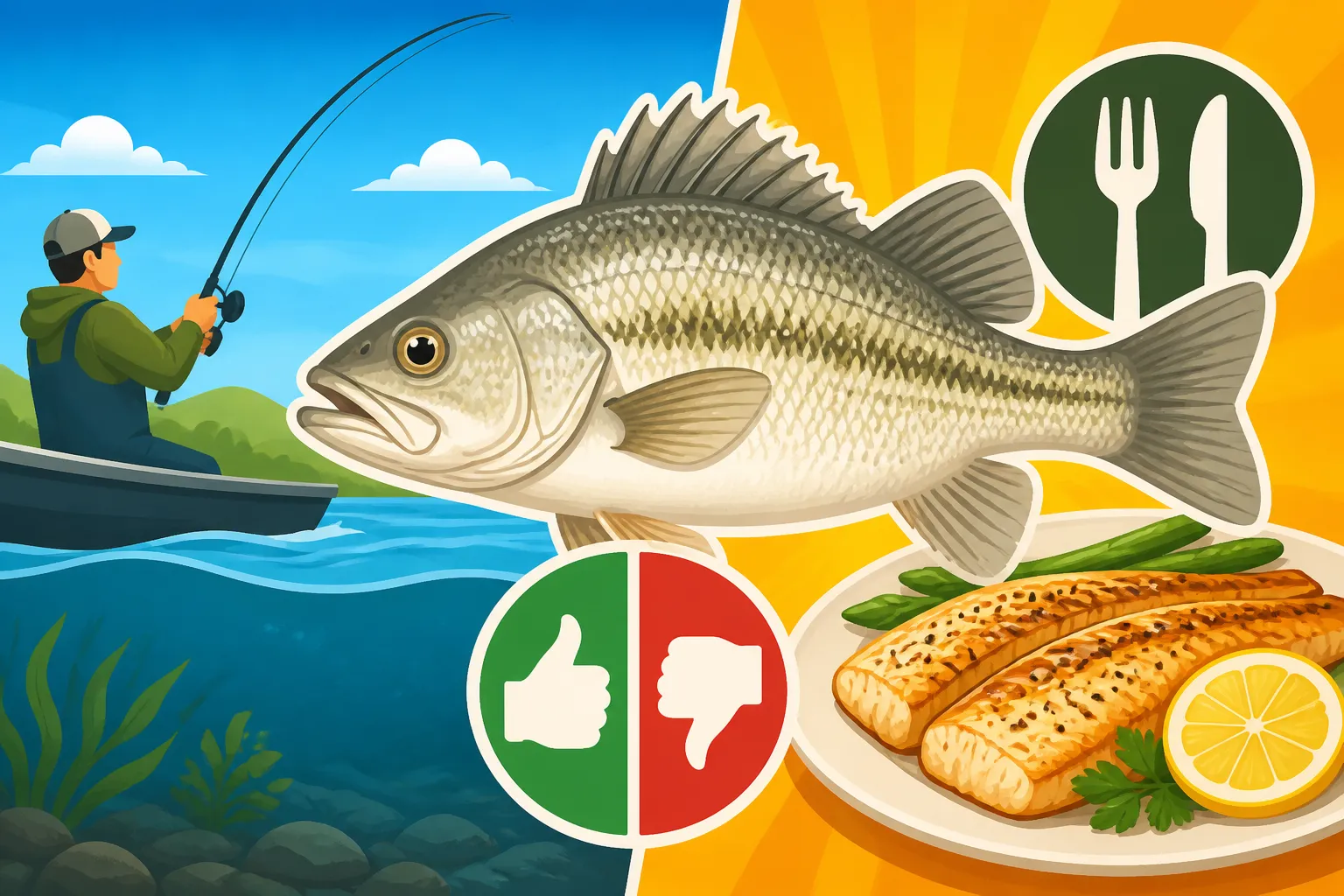
The resounding answer is: YES, freshwater drum are absolutely good eating fish!
The idea that they are "trash fish" or inherently bad-tasting is largely a myth, perpetuated by either improper handling, fishing in poor conditions, or simply an old prejudice. When caught from clean, cool water and handled with care (bled and iced quickly), freshwater drum yield firm, white, mild-flavored fillets that are incredibly versatile in the kitchen. Their texture is a particular standout, holding up well to frying, baking, grilling, and blackening.
It's a shame that so many anglers dismiss them without giving them a fair chance. They represent a readily available, sustainable, and delicious protein source right here in Iowa's waters. Don't let old wives' tales keep you from enjoying a potentially fantastic meal.
When to Release and When to Keep
While drum are generally good to eat, being selective can enhance your experience even further.
- Size Matters (Sometimes): While larger drum can be fun to catch, many anglers find that drum in the 1-5 pound range offer the best eating quality. They tend to have cleaner, firmer flesh and are easier to fillet without encountering a pronounced "mud line." The larger ones can sometimes have a coarser texture or stronger flavor, though this isn't always the case if caught from pristine waters.
- Water Conditions are Key: Prioritize drum caught from cold, clear, flowing waters. If you're fishing a muddy, warm pond or a stagnant backwater, it might be better to practice catch and release for drum, and perhaps target other species better suited to those conditions.
- Personal Preference: Ultimately, taste is subjective. The best way to know if you like freshwater drum is to try it yourself! Take one or two properly handled fish from good water, prepare them with care, and see what you think. You might just discover a new favorite. Remember to always be aware of Iowa Fishing Daily Bag Limits Guide and other Iowa Fishing Regulations Explained before deciding to keep any fish.
So next time you hook into a freshwater drum, instead of sighing and tossing it back, consider giving it a chance. With the right approach, you might just find yourself adding this humble but delicious fish to your regular dinner rotation!
| Fish Species | Common Taste Profile | Texture | Recommended Preparation |
|---|---|---|---|
| Freshwater Drum | Mild, slightly sweet, non-fishy, often compared to cod. | Firm, white, flaky | Frying, baking, grilling, blackening. |
| Walleye | Very mild, delicate, buttery, very little "fishy" taste. | Delicate, flaky, white | Pan-frying, baking, broiling, poaching. |
| Channel Catfish | Mild to moderate, earthy or sweet, depending on water. | Medium-firm, slightly oily | Frying, grilling, smoking, baking. |
| Crappie | Mild, delicate, sweet, very clean flavor. | Very flaky, tender, white | Frying (especially), pan-searing. |
| Largemouth Bass | Mild to moderate, sometimes slightly earthy. | Medium-firm, white | Frying, baking, grilling, pan-searing. |
| Bluegill | Mild, sweet, very clean, popular panfish flavor. | Fine-flaked, tender, white | Frying (whole or filleted), pan-searing. |
Disclaimer
This article is for general informational purposes only and does not constitute professional advice. Laws, prices and regulations vary by location and change over time. Consult a qualified professional for guidance on your specific situation.