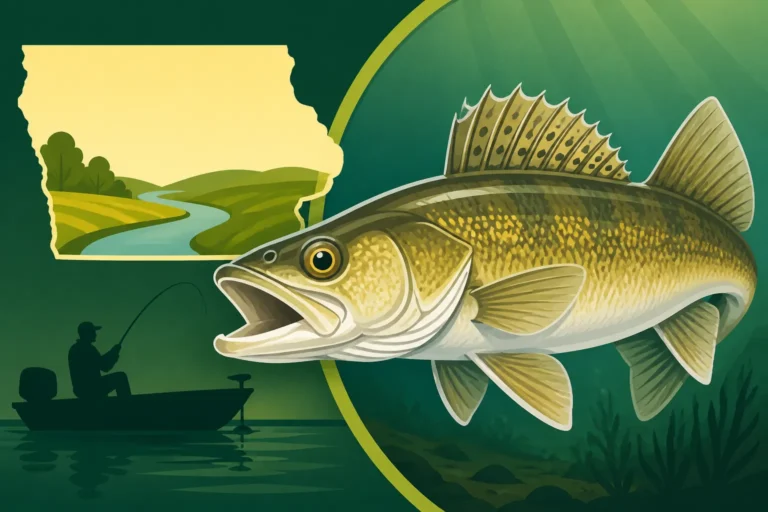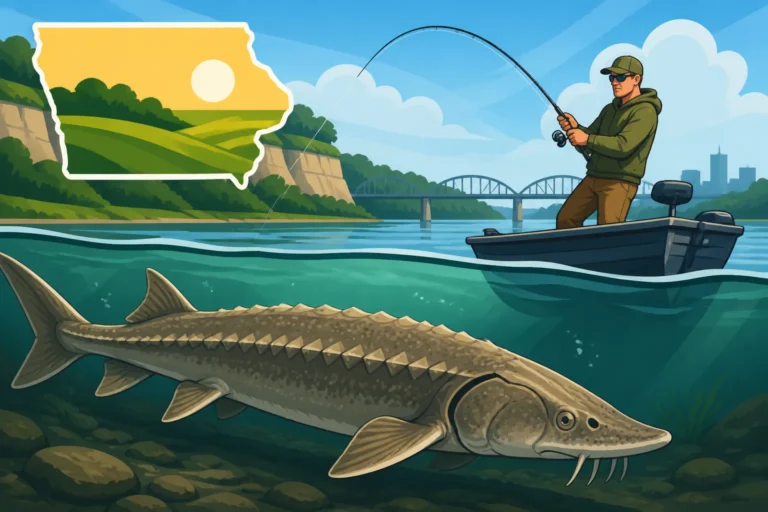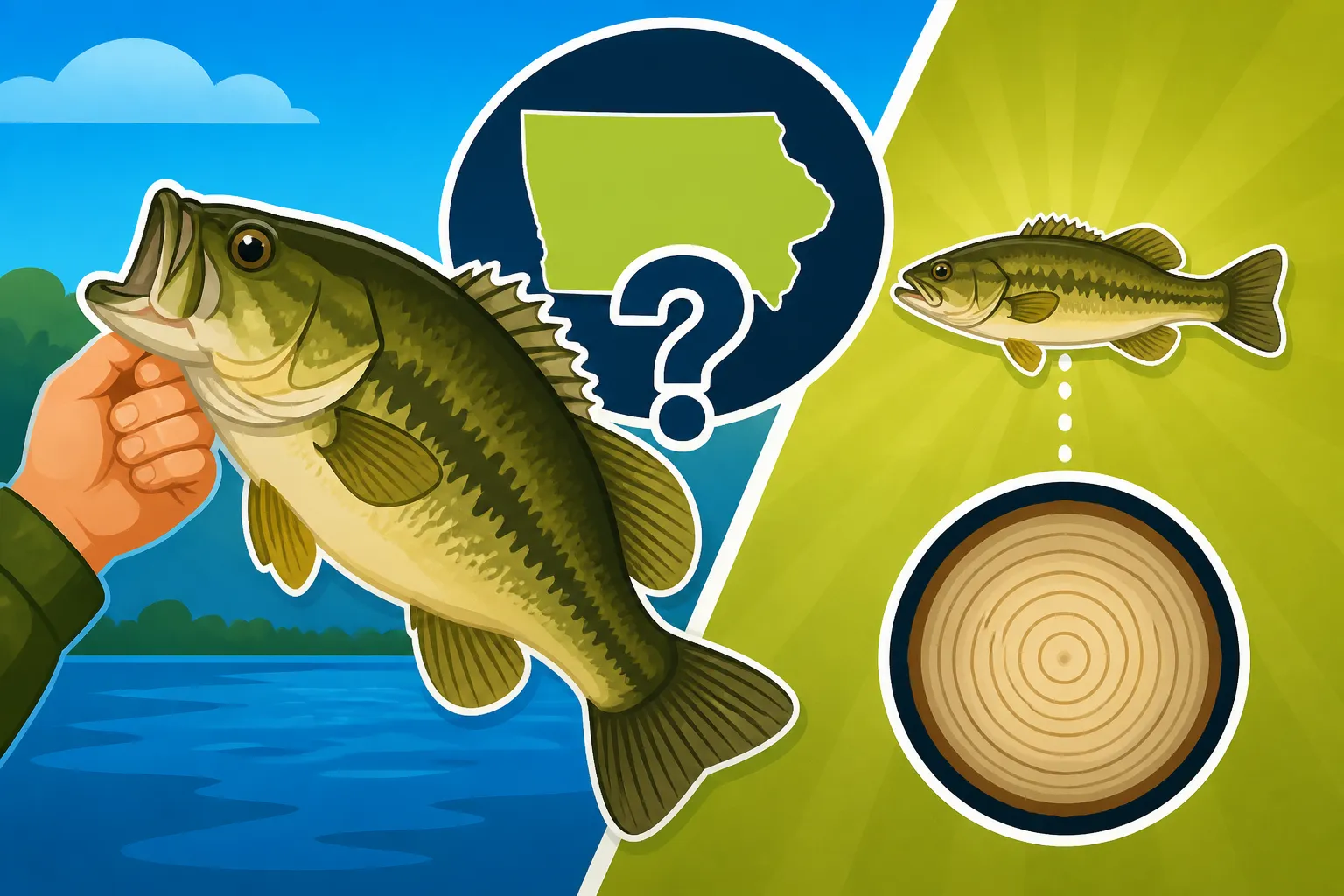
Can You Tell a Fish’s Age From Its Size?
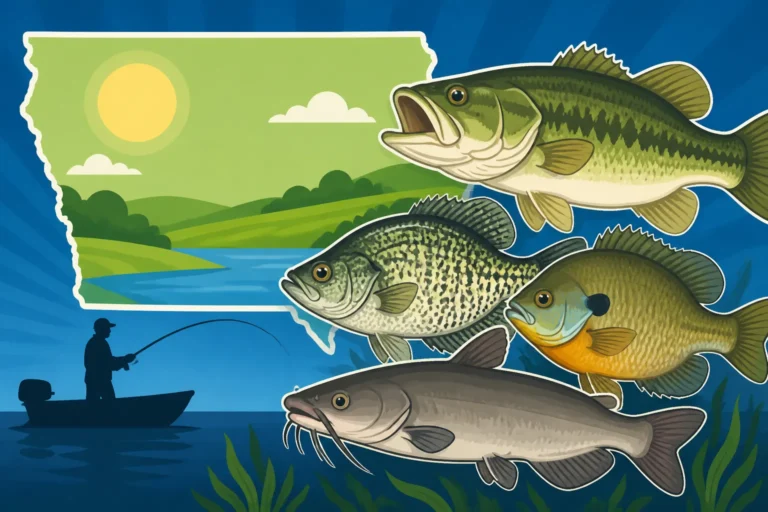
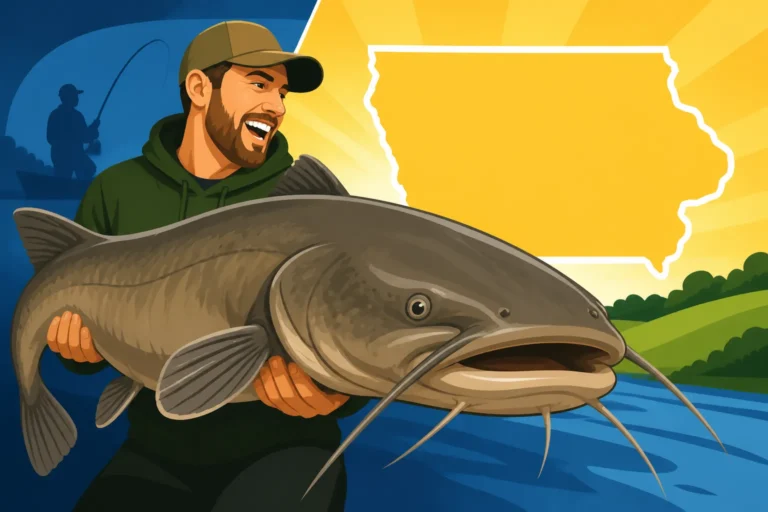
It's such a natural thought, isn't it? You reel in a big old walleye or a monster channel cat from an Iowa lake or river, and your first thought is probably, "Wow, that must be an ancient fish!" We tend to equate size directly with age, just like a tall tree must be old. But the truth about how fish age relates to their size is a bit more nuanced, and often, quite surprising. This guide is going to dive deep into why a fish's size doesn't always tell the whole story of its years and how the pros figure out a fish's actual age.
The Common Misconception: Why Size Isn't Everything
When you're out on the water, whether it's trolling for walleye on Clear Lake or casting for bass in a quiet farm pond, it’s completely intuitive to think a bigger fish is an older fish. And often, that's generally true! A six-pound largemouth bass has certainly lived longer than a one-pounder. However, it's not a perfect one-to-one relationship, and sometimes, the difference can be quite stark. This misconception can lead us to make assumptions about fish populations that don't quite align with reality, and that's where fisheries science steps in to give us a clearer picture.
Growth Factors Beyond Just Time
Imagine two kids born on the same day. By the time they're ten, one might be significantly taller and heavier than the other. Is the bigger child older? Of course not! Fish are no different. Their growth isn't just a ticking clock; it's a complex interplay of many environmental factors and genetics. For instance, a fish living in a prime habitat with an abundance of food, warm water temperatures, and low competition might grow much faster and reach a larger size at a younger age than a genetically identical fish living in a stressed environment. This is why you might find a massive channel catfish in a fertile oxbow lake that’s only a few years old, while a skinny, longer fish in a less productive stream could be considerably older.
Water quality plays a huge role. Lakes with good nutrient levels can support more baitfish, allowing sport fish to pack on the pounds quickly. Conversely, waters with poor oxygen levels or high pollution might stunt growth, causing fish to be smaller for their age. Predation pressure also matters; if a fish has to constantly evade predators, it expends more energy and might grow slower. Even things like fishing pressure can impact a fish's growth rate, as removing larger, older fish can free up resources for younger individuals to grow more quickly. So, while size is a factor, it's far from the only factor in determining a fish's age.
Visual Cues vs. Scientific Evidence
As anglers, we rely a lot on visual cues. The deep girth of a crappie, the long tail of a carp, or the thick shoulders of a Trophy Walleye Size in Iowa all scream "old fish" to us. And sometimes, they are. But these visual cues can be misleading. A fish that's been consistently well-fed might look robust and ancient, when in reality it's just a fast grower that's had a good life. On the flip side, a fish that's battled disease, faced food scarcity, or survived numerous harsh winters might be small and appear young, but actually be quite old. Their body condition reflects their recent life experiences more than their exact birthday.
This is why biologists can't just look at a fish and make an accurate age assessment. They need to look inside the fish. Just like a detective gathering evidence, fisheries scientists use specific biological structures to get a definitive answer. This detailed, scientific approach allows them to go beyond mere speculation and establish robust data that informs everything from Iowa Fishing Regulations Explained to stocking programs. It’s an essential part of understanding the health and sustainability of our precious Iowa fisheries.
How Fisheries Biologists Actually Determine Fish Age
So, if simply looking at a fish won't cut it, what do the experts do? It sounds a bit like something out of a CSI episode, but biologists have several ingenious methods to accurately determine a fish's age, and they're far more precise than our best guesses. These methods often involve examining bony structures that grow in annual increments, much like the rings on a tree.
The Magic of Otoliths (Ear Bones)
The gold standard for fish aging, especially for longer-lived species like walleye, catfish, and even some panfish, involves looking at otoliths. These are small, hard, calcium carbonate structures found in a fish's inner ear, completely separate from its skull. They're often referred to as "ear stones." The amazing thing about otoliths is that they grow throughout a fish's life, adding concentric rings just like tree rings. These rings represent periods of growth (wide, opaque bands) and slower growth during colder months (narrow, translucent bands). By carefully slicing, polishing, and examining these otoliths under a microscope, biologists can count the rings to determine the fish's age with incredible accuracy.
Think of it like this: during the warmer months, when food is plentiful and a fish is actively feeding and growing, its otoliths grow quickly, laying down a thick, distinct layer. When winter hits, food becomes scarcer, metabolism slows, and growth nearly halts, resulting in a thin, less distinct layer. Each pair of thick and thin layers marks one year of life. This method is incredibly reliable because otoliths are metabolically inert; once a layer is laid down, it doesn't resorb or change, providing a permanent record of the fish's life history. This is often how we can determine How Long Walleye Live or the true age of that giant flathead you might pull from the Mississippi.
Scales, Spines, and Other Bony Structures
While otoliths are the most accurate, they do require sacrificing the fish, which isn't always ideal, especially for research on protected or rare species. Fortunately, biologists have other tricks up their sleeves! For many species, scales, fin rays (spines), and even some bones like opercles (gill plates) can be used for aging.
- Scales: Similar to otoliths, fish scales also grow in concentric rings called circuli. During periods of rapid growth, circuli are widely spaced; during slower growth (like winter), they're closer together, forming what's called an annulus, which marks a year. Scales are relatively easy to collect (you can often scrape a few off without harming the fish), making this a popular non-lethal method. However, scale aging can be less accurate for older fish, as the outer edges of scales can wear down or become difficult to read. This method is commonly used for species like bass or panfish, though it might be less reliable for a really old specimen compared to otoliths.
- Fin Rays/Spines: For fish that have spiny rays in their fins (like catfish, walleye, or bass), a small cross-section of a fin ray can also reveal growth rings. The process is similar to otoliths: a thin slice is taken, polished, and examined under a microscope. This is often a go-to for species like Channel Catfish Fishing in Iowa, where scales might not be suitable or present. Again, these bony structures lay down annual growth rings that can be counted. For those looking for durable fishing gear to help them handle these powerful fish, checking out rod and reel combos on Amazon can be a good start.
- Other Bones: Less commonly, other bones such as opercles (the bony flap covering the gills) or cleithra (shoulder girdle bones) can also be used. The principle remains the same: look for distinct growth rings. The choice of structure depends on the fish species, the age of the fish, and the required accuracy.
Reading the Rings: It's Like a Tree!
Regardless of whether it's an otolith, a scale, or a fin ray, the fundamental principle of aging fish is "reading the rings." It’s an art and a science, requiring trained eyes and specialized equipment. A biologist might prepare a thin section of an otolith, mount it on a slide, and then use a micro-reader or a specialized image analysis system to magnify and interpret the growth rings.
The process often involves:
- Collection: Carefully removing the chosen structure (e.g., otoliths from the head, scales from the side, a fin ray clip).
- Preparation: This can involve embedding the structure in resin, then slicing it thinly with a precision saw, or simply cleaning scales/fin rays.
- Visualization: Placing the prepared structure under a microscope or projector.
- Interpretation: Identifying and counting the annual growth rings (annuli). This can sometimes be challenging, as false annuli or crowded rings can occur due to environmental stress or unusual growth patterns, requiring the expertise of an experienced age reader.
This meticulous process provides invaluable data, allowing biologists to track growth rates, estimate mortality, and understand population dynamics for various species found in the Iowa Fish Species Guide. Without this kind of detailed aging, managing fisheries effectively would be much like flying blind.
Why Knowing Fish Age Matters for Iowa Anglers and Conservation
So, why does any of this matter to you, the angler, or to the folks working tirelessly to keep Iowa's waters healthy? Understanding the age structure of fish populations is absolutely crucial for sound fisheries management and for ensuring that future generations of anglers can enjoy the same opportunities we have today. It's about much more than just curiosity; it's about sustainability.
Impact on Fishing Regulations and Limits
Knowing the age of fish directly influences decisions about Iowa Fishing Daily Bag Limits Guide and size restrictions. For example, if biologists find that a particular species in a lake is growing very slowly but living a long time, they might implement a higher minimum length limit to protect those slower-growing fish until they have had a chance to spawn multiple times. Conversely, if a species is growing very fast and dying young, regulations might be adjusted to encourage harvest, preventing overpopulation and stunting.
Consider walleye in a specific Iowa reservoir. If age data shows that very few walleye are surviving past five or six years, managers might conclude that heavy fishing pressure or high natural mortality rates are impacting the population. This could lead to adjustments in slot limits or daily bag limits to protect the older, larger spawning fish. Without accurate age data, such decisions would be based on guesswork, potentially leading to overfishing or underutilization of a resource. This is why you'll see rules that sometimes differ wildly from one water body to another, all tailored to the specific needs of that fishery based on scientific data.
Understanding Fish Population Health
Age data is like a health report card for a fish population. It helps biologists identify several key indicators of population health:
- Recruitment Success: By looking at the age distribution, biologists can tell if younger fish are consistently joining the population (good recruitment) or if there are gaps, indicating poor spawning years or high juvenile mortality.
- Growth Rates: Comparing the size of fish at a given age across different years or different bodies of water reveals if fish are growing well or if their growth is stunted. For instance, if How Long Largemouth Bass Live is typically 10-15 years, but the average bass in a particular pond isn't growing past 12 inches by age 5, it might signal an issue with food availability or overcrowding.
- Mortality Rates: Age data helps estimate how many fish are dying each year. High mortality rates among older fish might indicate overfishing, while high mortality among younger fish could point to predation or environmental stressors.
- Spawning Potential: Older, larger female fish typically produce more eggs and healthier offspring. Ensuring a good proportion of older fish in the population is vital for robust reproduction and the long-term health of the fishery. If you're looking to understand the habitats of various fish to predict where they might thrive, researching topics like Walleye Identification and Habitat in Iowa or Largemouth Bass Habitat in Iowa Ponds can be quite enlightening.
Essentially, age data provides the foundational knowledge needed to proactively manage fish populations, predict future trends, and respond to changes in the environment. It allows for adaptive management, ensuring that regulations are dynamic and responsive to what's happening beneath the surface. Knowing that Are Iowa Fishing Regulations the Same Every Year? is usually "no" is a direct result of this ongoing data collection and analysis.
What Anglers Can Learn from Age Data
While you won't be performing otolith extractions on your next fishing trip, understanding why biologists do it can make you a more informed and conscientious angler. Here's what you can take away:
- Respect for Regulations: When you see a length limit or a bag limit, understand that it's often based on scientific aging data designed to protect the health of the fish population. It's not arbitrary; it's calculated to allow fish to reach sexual maturity and contribute to future generations.
- Appreciation for Fish Biology: It deepens your appreciation for the complex life cycles of fish. That small, spunky smallmouth bass might be surprisingly old, while a massive channel cat might be a quick grower.
- Contribution to Citizen Science: Some state agencies, including Iowa's DNR, occasionally ask anglers to report certain catches or provide scale samples. Participating in these programs directly contributes to the valuable age data collection that helps manage your favorite fishing spots.
- Better Fishing Decisions: While you can't age a fish on the spot, you can use general knowledge about average growth rates for different species in your area to make more educated guesses. This might influence your catch-and-release decisions, especially if you're trying to protect potential spawners.
Ultimately, this scientific insight helps everyone involved in Iowa fishing work towards the common goal of sustainable and thriving fisheries for years to come.
Practical Takeaways for the Iowa Angler
As much as we'd love to have X-ray vision to see a fish's age rings, the reality is that for us, the casual (or even avid) angler, size will remain our primary indicator of a fish's maturity. However, knowing that size isn't the absolute determinant can change how we think about our catches and our role in conservation. It allows us to appreciate the scientific effort behind the regulations we follow and encourages us to be more mindful participants in protecting our aquatic resources.
Observing Your Catch
Next time you land a fish, take a moment to really observe it. Beyond just its length and weight, notice its overall condition. Is it thick and well-fed, or lean and long? Does it show signs of injury or stress? While you can't accurately age it on the spot, these observations can give you clues about the health of the individual fish and, potentially, the fishery it came from. For instance, a small-sized crappie with a huge head but a skinny body might be an older, stunted fish from an overpopulated pond, suggesting different management needs than a pond producing robust, uniformly growing crappies.
Practicing careful catch and release, especially for larger fish that are likely important spawners (regardless of their precise age), is always a good idea. Handle fish gently, minimize their time out of water, and use proper de-hooking tools. Even if a particular fish isn't as "old" as you might have thought based on its size, it still represents valuable genetics and a contributor to the ecosystem. If you're in the market for some reliable tools, a good pair of fishing pliers or a de-hooker from Amazon can make a huge difference in fish handling.
Supporting Fisheries Management
You might not be a biologist, but you can absolutely play a part in supporting healthy fisheries.
- Follow Regulations: This is the easiest and most important step. Adhere to all Iowa Fishing Regulations Explained, including size and bag limits. These rules are put in place for a reason, backed by scientific data on fish age, growth, and reproduction.
- Report Observations: If you notice something unusual – a high number of diseased fish, an influx of an Invasive Fish Species in Iowa Waters, or drastically different fish sizes for their perceived age – don't hesitate to contact the Iowa Department of Natural Resources (DNR). Your observations from the field are valuable data points.
- Participate in Surveys: Occasionally, the DNR or local conservation groups might ask for angler input or participation in creel surveys (where they ask about your catch). This is your chance to directly contribute to the data that guides management decisions.
- Support Conservation: Getting involved with local conservation organizations or purchasing fishing licenses and stamps directly contributes funding to fisheries research and management, including the important work of aging fish.
So, while you can't visually tell a fish's exact age from its size, understanding how biologists do it and why it matters gives you a deeper appreciation for the fish you pursue and the complex science that keeps Iowa's waters teeming with life.
Disclaimer
This article is for general informational purposes only and does not constitute professional advice. Laws, prices and regulations vary by location and change over time. Consult a qualified professional for guidance on your specific situation.