What a Gizzard Shad Is
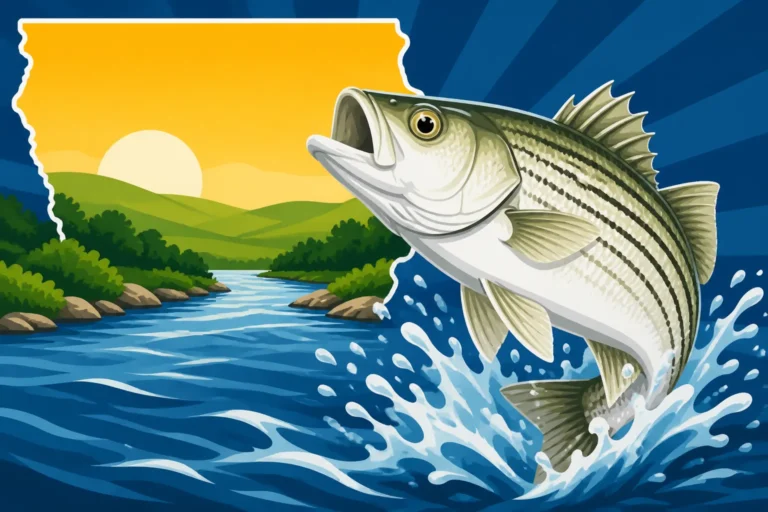
As an Iowa angler, you've probably seen them: silvery flashes in the water, sometimes schooling by the thousands, especially in our larger reservoirs and rivers. These mysterious fish, often mistaken for other species or just ignored, are the humble gizzard shad. But understanding what a gizzard shad is, and more importantly, its vital role in Iowa's aquatic ecosystems, can truly change how you approach your fishing strategy and appreciate our waterways. This guide will dive deep into everything you need to know about these fascinating, yet often overlooked, fish.
Understanding the Gizzard Shad: An Overview
Let's cut right to it: the gizzard shad is one of the most important, yet least understood, fish species in many of Iowa's larger lakes and rivers. They are the unsung heroes of the food chain, essentially powering the growth of many of our most sought-after game fish. Without them, our walleye, bass, and catfish populations wouldn't be nearly as robust.
What Exactly is a Gizzard Shad?
At its core, a gizzard shad (Dorosoma cepedianum) is a type of herring, though it doesn't look much like the ocean-dwelling herring you might imagine. They are freshwater fish that thrive in warm, often turbid (cloudy) waters, making them perfectly at home in many of Iowa's sprawling reservoirs and slow-moving river systems like the Des Moines River or the Mississippi. The "gizzard" in their name comes from their incredibly muscular, gizzard-like stomach, which is specially adapted to grind up the detritus and plankton they filter from the water. It's a unique digestive system that truly sets them apart from most other fish you'll encounter.
In Iowa, gizzard shad populations can be incredibly dense, especially in nutrient-rich lakes and reservoirs. They are opportunistic breeders and can reproduce rapidly, leading to massive schools that can dominate the open water. This abundance is a double-edged sword: it provides an incredible food source but can also lead to overpopulation, which has its own set of ecological implications. They are a crucial component of the aquatic ecosystem, acting as a direct link between microscopic life and the larger predatory fish we love to catch.
Key Identification Features
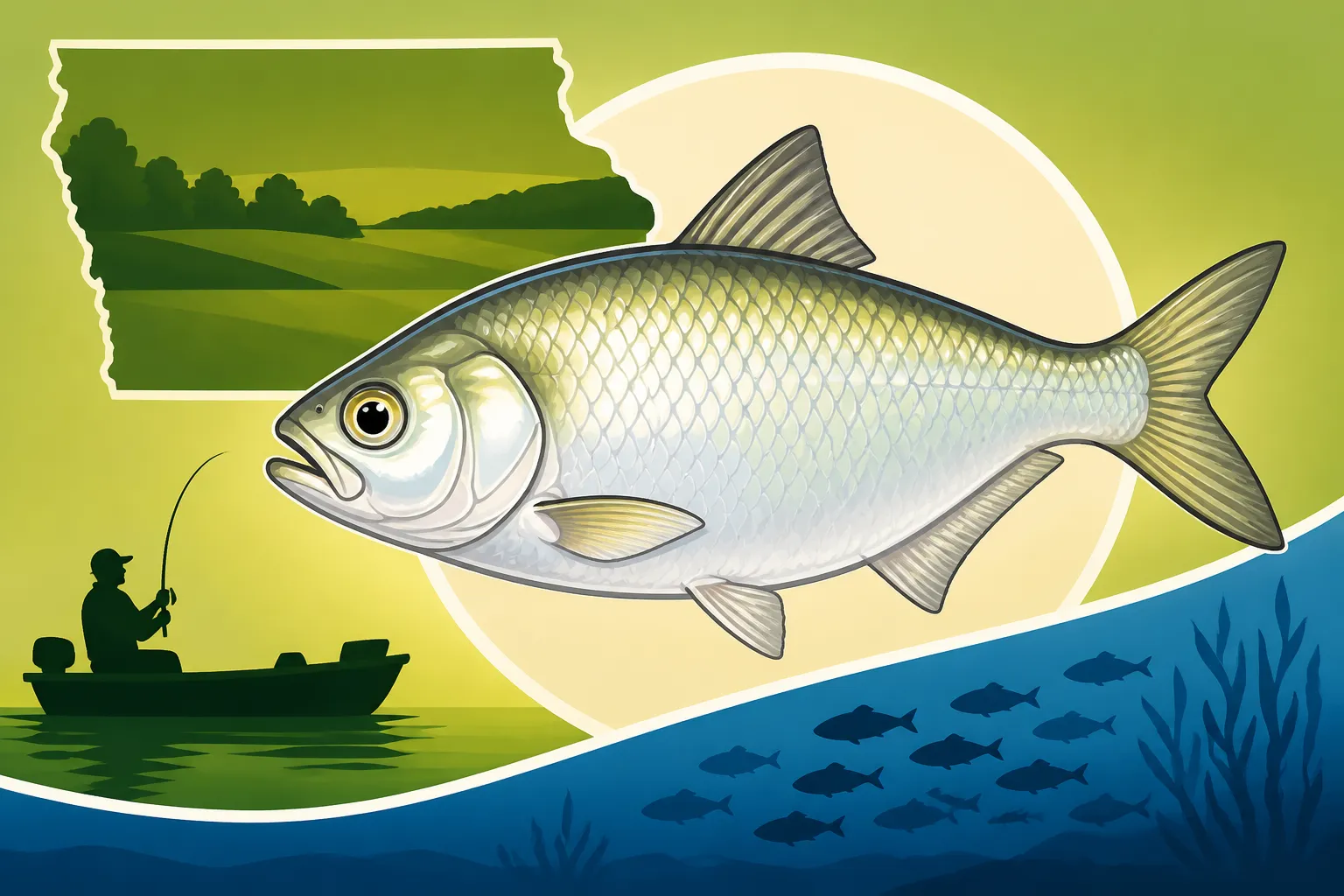
Identifying a gizzard shad correctly is pretty straightforward once you know what to look for, and it's a valuable skill for any Iowa angler to have. They have a distinctly deep body, meaning they are relatively tall from back to belly compared to their length, giving them a somewhat "flat" or disc-like appearance from the side. Their sides are typically a gleaming silver, often with a darker, bluish-green back. A tell-tale sign is a small, dark spot located just behind the gill cover on their shoulder. This spot can sometimes fade on larger, older fish, but it's usually quite prominent on younger ones.
Another key feature that truly sets gizzard shad apart is their dorsal fin. It has a very long, whip-like last ray that often extends well past the middle of their back, sometimes reaching nearly to the tail. This elongated ray is a dead giveaway. They also have a small, upturned mouth, which is characteristic of filter feeders, not biters. Most gizzard shad you'll encounter in Iowa will range from a few inches up to about 10-12 inches, though some older individuals can grow a bit larger. It's important not to confuse juvenile gizzard shad with young crappie or other panfish, especially given their similar silvery appearance, but the distinctive body shape and dorsal fin ray will usually give them away. Understanding these visual cues can help you better interpret your fish finder readings or even spot them feeding on the surface.
The Ecological Role of Gizzard Shad in Iowa's Waters
When we talk about the health of our lakes and rivers, the smallest creatures often have the biggest impact. Gizzard shad are a perfect example of this. Their sheer numbers and unique feeding habits make them indispensable to the aquatic food web in Iowa. They essentially turn microscopic organisms into a readily available protein source for larger fish.
A Vital Forage Fish
The term "forage fish" refers to small, schooling fish that are a primary food source for larger predatory fish. Gizzard shad embody this role perfectly. They are, quite simply, food for almost every game fish in Iowa's larger water bodies. Think of them as the energetic currency of the lake; their abundance directly correlates with the health and size of predator populations. What Fish Eat Gizzard Shad provides a more detailed look at the species that depend on them. Walleye, largemouth bass, smallmouth bass, northern pike, and especially channel catfish and crappie, all rely heavily on gizzard shad for sustenance. When shad populations are booming, game fish tend to grow faster and larger, contributing to healthier fisheries.
However, this reliance can also create challenges. When shad populations experience a massive boom, predator fish can become "gorged" and less interested in an angler's offerings. It's like trying to get a kid to eat vegetables after they've had an entire box of cookies. On the flip side, a severe decline in shad numbers can lead to a lean year for predators, impacting their growth and even survival rates. Many natural events, such as harsh winters or disease outbreaks, can cause significant die-offs, which in turn affect the entire food chain. This delicate balance highlights why gizzard shad are so critical to the overall health and productivity of Iowa's fishing ecosystems.
Diet and Habitat Preferences
Gizzard shad are true filter feeders, which means they don't hunt prey in the traditional sense. Instead, they cruise through the water, sifting out microscopic plankton, algae, and detritus (decaying organic matter). Their specialized gizzard helps them process this food, extracting nutrients that most other fish can't access directly. This unique diet means they occupy a very specific niche in the food chain, essentially converting primary producers into a form that can be consumed by larger predators. This also means they generally aren't competing directly with game fish for food, which is a significant ecological advantage.
As for their habitat, gizzard shad prefer warm, often turbid waters, making them incredibly common in Iowa's larger reservoirs, flood control lakes, and the main channels and backwaters of major rivers like the Mississippi and Missouri. They are less common in clear, cold streams or smaller, isolated ponds. They often form massive schools, sometimes containing thousands of individuals, which is a defense mechanism against predators. These schools can be seen near the surface in calmer waters, especially at dawn or dusk, or suspended in open water. Their preference for these habitats means that if you're fishing in a big Iowa lake, reservoir, or major river, you're almost certainly fishing in gizzard shad territory. You'll often see them flickering on your fish finder, indicating that game fish are likely nearby, waiting for an easy meal.
Gizzard Shad and the Angler: What You Need to Know
For many anglers, the interaction with gizzard shad is often indirect. You might see them jump, notice their schools on your electronics, or find them in the stomachs of fish you've caught. However, understanding their habits can significantly influence your fishing success, especially when game fish are keyed into feeding on them.
Do Gizzard Shad Bite Hooks?
Here's the million-dollar question for many new anglers: Can you catch gizzard shad on a hook and line? The short answer is almost universally no, at least not in the conventional sense. Because gizzard shad are filter feeders, they don't have the predatory instincts that drive game fish to strike at baits or lures. They aren't looking for a minnow to chase or a worm to gobble down. Their small, upturned mouths are designed for sipping microscopic particles from the water column, not for biting onto a hook. Trying to catch them with traditional baits like worms or minnows is usually a futile exercise.
However, anglers do sometimes "catch" them inadvertently. Occasionally, a gizzard shad might be snagged on a treble hook while an angler is retrieving a lure through a dense school. This isn't them biting; it's simply a case of the hook finding purchase as the lure passes through. For anglers looking to use gizzard shad as bait, the most common method is using a cast net, which allows you to scoop up entire schools. Remember to always check local regulations regarding the use of cast nets and Can You Use Live Bait Fish? in your specific fishing area, as rules can vary and are often designed to prevent the spread of disease or invasive species.
Impact on Game Fish Behavior and Fishing Success
This is where understanding gizzard shad really pays off for the angler. The presence and abundance of gizzard shad can dramatically influence how and when game fish bite. When gizzard shad are plentiful, especially during a strong "shad spawn" or when large schools are active, game fish like Walleye Fishing in Iowa or Largemouth Bass Fishing in Iowa often become very selective. They have an easy, abundant food source, making them less likely to chase down a foreign-looking lure. This is often referred to as "matching the hatch" in fishing terms – you need to present something that closely mimics what the fish are already eating.
For example, if you're targeting walleye in a lake full of 3-inch gizzard shad, throwing a 6-inch crankbait might not get much attention. Instead, opting for smaller lures, jerkbaits, or swimbaits in silver or white patterns that imitate the size and flash of a shad can be incredibly effective. Even the retrieve speed and depth should mimic how a shad moves. Many popular fishing lures are specifically designed to imitate gizzard shad, and you can find a wide variety of these on platforms like Amazon, from lipless crankbaits to soft plastic swimbaits. During times of high shad activity, fish might also feed more aggressively at dawn and dusk, when shad are often closer to the surface. Observing shad activity can be a crucial clue for locating and catching more fish.
Management and Concerns Regarding Gizzard Shad
While gizzard shad are undoubtedly beneficial as a forage fish, their prolific nature and specific characteristics also present unique challenges for fisheries managers and ecosystems. Understanding these aspects helps appreciate the complexities of maintaining healthy fish populations in Iowa.
Population Dynamics and Challenges
Gizzard shad are renowned for their ability to reproduce rapidly and in large numbers. A single female can lay tens of thousands of eggs, leading to explosive population growth in favorable conditions. This rapid turnover rate ensures a constant supply of food for predators, but it can also lead to overpopulation. When shad numbers become excessively high, they can begin to compete with other desirable species for plankton, potentially impacting the food source for juvenile game fish or other filter-feeding species like Bluegill Fishing in Iowa. Their schooling behavior means they can consume vast quantities of plankton, potentially altering the water clarity and nutrient cycling in a lake.
Another significant challenge, particularly in Iowa's climate, is their susceptibility to cold water. Gizzard shad are relatively warm-water fish, and prolonged periods of extreme cold can lead to massive winter die-offs. You might have seen these events: thousands of dead shad washing ashore after a particularly harsh winter. While seemingly grim, these die-offs actually serve an ecological purpose. They act as a natural population control, preventing overpopulation and cycling nutrients back into the ecosystem. However, significant die-offs can also temporarily reduce the food base for predators, requiring them to switch to other forage species or go through periods of leaner feeding.
Responsible Practices and Regulations
Given their importance and potential challenges, state agencies like the Iowa Department of Natural Resources (DNR) actively manage gizzard shad populations as part of broader fisheries management plans. They often study shad abundance to help predict game fish health and inform stocking decisions. For anglers, there are specific regulations to be aware of, particularly if you're considering using shad as bait. Iowa Fishing Regulations Explained provides comprehensive information on these rules. For instance, while using dead gizzard shad as cut bait is generally allowed, there might be restrictions on using live gizzard shad caught from one body of water and transporting them to another. This is primarily to prevent the accidental introduction of unwanted species or diseases. Always consult the current Iowa fishing regulations booklet or the DNR website before using any baitfish.
It's also crucial for anglers to practice responsible bait handling. Never release unused live bait, including gizzard shad, into any water body other than where it was originally collected. This "bucket biology" can have devastating consequences, introducing non-native species or pathogens that can harm local fish populations and alter the delicate ecological balance. For those looking to keep their tackle box stocked for fishing spots throughout Iowa, consider purchasing pre-packaged shad-imitating lures from retailers like Amazon, as these pose no risk of biological contamination. Best Lures for a Starter Tackle Box often includes several shad-colored options precisely because they are such an important forage fish across the state. Understanding and adhering to these guidelines helps ensure that Iowa's fishing resources remain healthy and abundant for generations to come.
Disclaimer
This article is for general informational purposes only and does not constitute professional advice. Laws, prices and regulations vary by location and change over time. Consult a qualified professional for guidance on your specific situation.