Shovelnose Sturgeon Season and Limits
It can be incredibly confusing to navigate the specific rules for certain fish species in Iowa, especially when it comes to unique or protected fish like sturgeon. Many anglers get anxious about whether they're even allowed to target these ancient fish, or if catching one means a whole host of complicated regulations. This guide is here to clear up all that uncertainty, specifically focusing on the shovelnose sturgeon, so you can fish with confidence and stay within the Iowa Department of Natural Resources (DNR) guidelines.
Understanding Shovelnose Sturgeon in Iowa Waters
Shovelnose sturgeon are fascinating creatures, often referred to as living fossils, that call Iowa's major rivers home. Unlike their larger, protected cousins, the lake sturgeon, shovelnose sturgeon can be legally harvested in certain areas and under specific conditions. However, understanding their unique characteristics and the challenges they face is key to appreciating why these regulations are in place.
The Shovelnose Sturgeon: A River Dweller
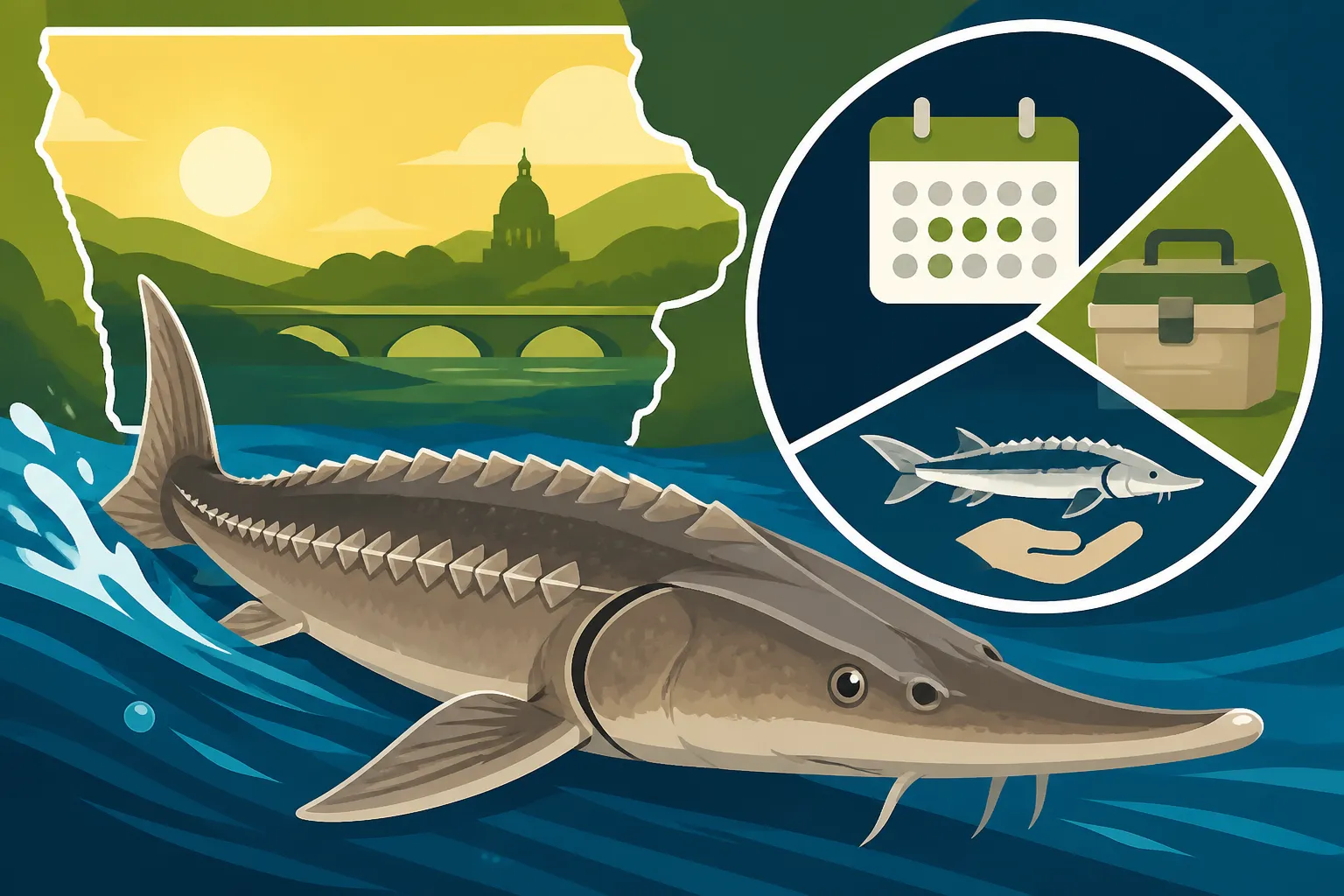
These bottom-dwelling fish are easily identifiable by their flattened, shovel-like snout (hence the name!) and their distinct bony plates, called scutes, instead of scales. They primarily inhabit the strong currents and sandy or gravelly bottoms of large river systems, making the Mississippi and Missouri Rivers their main stomping grounds in Iowa. Their diet consists mostly of aquatic insects and small invertebrates they root out from the riverbed.
Anglers often encounter shovelnose sturgeon while targeting other bottom feeders like catfish, as they share similar habitat preferences. This can lead to accidental catches, which is why knowing the rules is so vital. While they don't grow to the massive sizes of lake sturgeon, they can still put up a respectable fight, making them an interesting bycatch or target for those who appreciate their unique appeal. The biggest frustration for many is not knowing the difference between a shovelnose and a more protected species, or how to handle them properly once caught.
Conservation Status and Management Efforts
While shovelnose sturgeon populations are generally more robust than those of other sturgeon species, they still face pressures from habitat degradation, pollution, and historical overharvesting. The Iowa DNR, in collaboration with neighboring state agencies, actively monitors their populations and implements regulations to ensure their sustainability. These management efforts are critical because sturgeon are slow-growing and late-maturing fish, making them particularly vulnerable to population declines if not managed carefully.
The regulations you'll find for shovelnose sturgeon are a direct result of these conservation concerns. It's not about making fishing harder; it's about protecting these unique fish for future generations. Understanding that every angler plays a role in this conservation effort helps put the regulations into perspective. Being informed about the specific rules for species like shovelnose sturgeon is just as important as knowing the general Iowa Fishing Regulations Explained to maintain healthy ecosystems.
Iowa's Shovelnose Sturgeon Season and Bag Limits
Navigating the specific season dates and bag limits for shovelnose sturgeon requires paying close attention to geographic boundaries, particularly along Iowa's border rivers. The rules aren't uniform across all Iowa waters, so pinpointing your exact fishing location is the first step to staying compliant.
Open Season and Permitted Waters
For shovelnose sturgeon, the season is generally open year-round in most waters where they are found, specifically the Mississippi and Missouri Rivers. However, it's crucial to understand that these general regulations are often for specific parts of these rivers, particularly the border waters that Iowa shares with other states. For example, the season and limits on the Mississippi River might be slightly different depending on whether you're on Pool 9 near Lansing or further south near Keokuk. Always double-check the most current Iowa Fishing Regulations Booklet Where to Find It for any potential updates or changes, as regulations can sometimes be adjusted based on biological surveys.
It's also important to note that lake sturgeon are strictly protected and cannot be harvested in Iowa waters. If you catch a lake sturgeon, it must be immediately released unharmed. The ability to distinguish between the two species is paramount. A good rule of thumb is that shovelnose sturgeon are typically much smaller, and their mouths are located underneath their heads, allowing them to suck up food from the bottom.
Daily Bag and Possession Limits
The Iowa DNR sets clear limits on how many shovelnose sturgeon an angler can harvest. These limits are designed to prevent overfishing and ensure sustainable populations.
- Daily Bag Limit: For shovelnose sturgeon, the daily bag limit is 10 fish. This means that in any single day, from midnight to midnight, you cannot keep more than ten shovelnose sturgeon. If you're out fishing on the Mississippi River Pool 10 Fishing and you've already kept ten, any additional shovelnose sturgeon caught must be released immediately and unharmed, regardless of its size.
- Possession Limit: The possession limit is 20 fish. This refers to the total number of fish you can have in your possession at any given time, whether they are in your cooler, at your camp, in your vehicle, or stored at home. This limit is particularly important for anglers on multi-day trips. For instance, if you catch and keep 10 shovelnose sturgeon on day one, you can still catch and keep another 10 on day two, bringing your total possession to 20. However, once you reach 20 fish in possession, you cannot harvest any more until some of those fish have been consumed, given away, or otherwise disposed of, bringing your possession count back down below 20. This rule aims to prevent accumulation beyond a reasonable amount, ensuring fish are used and not just stockpiled.
Understanding the difference between daily bag and possession limits is a common point of confusion for anglers, but it’s crucial for legal fishing. For a clearer picture, check out the Iowa Fishing Daily Bag Limits Guide to ensure you're familiar with all species.
Essential Regulations for Sturgeon Anglers
Beyond the season and bag limits, there are other crucial regulations you need to be aware of when fishing for shovelnose sturgeon in Iowa. These rules often pertain to the methods you can use, how you handle your catch, and what to do if you encounter a protected species.
Legal Fishing Methods and Gear Restrictions
When it comes to fishing for shovelnose sturgeon, anglers must adhere to general Iowa fishing methods. This typically means using a hook and line. However, certain methods might be restricted or require special permits. For example, trotline fishing is legal for catfish in some areas but often comes with specific rules, and it's essential to confirm if it's applicable or allowed for sturgeon in your chosen body of water. Generally, anglers will use traditional rod and reel setups with baits that appeal to bottom feeders.
Heavy-duty gear is often preferred given the river environments sturgeon inhabit. Many anglers opt for sturdy rods and reels spooled with strong braided line, which helps detect subtle bites in current and provides the power needed to land these fish. A strong leader line is also a good idea. You can find durable fishing line and appropriate hooks on sites like Amazon to ensure your gear can handle the challenge. Always ensure your gear setup complies with the general rules on How Many Fishing Poles You Can Use in Iowa.
Protecting Lake Sturgeon and Proper Identification
One of the biggest responsibilities of a sturgeon angler is the ability to correctly identify a shovelnose sturgeon from a lake sturgeon. Lake sturgeon are a state-protected species in Iowa and must be immediately released unharmed if caught. Mishandling or illegally harvesting a lake sturgeon can result in significant fines and penalties.
Here's a quick guide to help you differentiate:
| Feature | Shovelnose Sturgeon | Lake Sturgeon |
|---|---|---|
| Snout | Flat, shovel-like, pointed | Conical, rounded, blunt |
| Barbels | Fringed (frayed) on trailing edge, located midway between snout tip and mouth | Smooth, not fringed, closer to snout tip |
| Bony Plates | Scutes on belly are present | Belly is scaleless and smooth, no scutes |
| Size | Smaller, typically 18-30 inches | Can grow very large, 3-6 feet or more |
| Tail Fin | Filament (thread-like extension) on upper lobe often present | No filament on upper lobe |
| Habitat | Strong currents, sandy/gravelly river bottoms | Larger rivers and lakes, slower currents, deeper water |
If you're ever in doubt, err on the side of caution and release the fish immediately. It's better to release a legal shovelnose than to accidentally keep a protected lake sturgeon. You can learn more about the specifics of Sturgeon Fishing Rules on Iowa Waters, which provides further detail on these protected species.
Reporting and Conservation Practices
Active participation in conservation means more than just following the rules; it also means being a responsible steward of the resource. If you witness someone violating fishing regulations, such as keeping protected sturgeon or exceeding bag limits, it's important to report it to the Iowa DNR. You can find information on Where to Report a Fishing Violation in Iowa on the DNR's website.
Additionally, for any sturgeon you intend to release, handling them with care is paramount. Use a large net to land the fish gently, avoid dragging them on rocky or sandy banks, and minimize their time out of the water. If you're going to use a measuring tape or take a quick photo, do so quickly and keep the fish as low to the water as possible. These practices increase the fish's chances of survival and contribute to the overall health of the sturgeon population.
Best Practices for Catching and Releasing Shovelnose Sturgeon
While specific targeting of shovelnose sturgeon might not be as common as for walleye or bass, they are a frequent bycatch, particularly for catfish anglers. Knowing how to responsibly catch and handle these unique fish ensures both your compliance with regulations and their well-being.
Recommended Baits and Rigging
Shovelnose sturgeon are bottom feeders, so your bait presentation should reflect that. Common baits that attract them include:
- Cut Bait: Pieces of oily fish like shad, skipjack, or even common panfish can be highly effective. The scent trail they release in the current is very appealing.
- Worms: Nightcrawlers or large pieces of earthworms are always a reliable choice for any bottom-feeding fish, including sturgeon.
- Prepared Baits: Some anglers have success with commercially available stink baits or dough balls designed for catfish, especially those with a strong odor.
For rigging, a basic bottom rig works well. This usually involves a sinker heavy enough to hold your bait in the river current, a swivel, and a leader line with a single, stout hook. A circle hook is highly recommended as it tends to hook fish in the corner of the mouth, reducing the chance of gut-hooking, which significantly improves survival rates for released fish. Ensure your hooks are sharp and strong enough to handle a potentially large, powerful fish. A variety of appropriate hooks and sinkers can easily be found and ordered through online retailers like Amazon.
When fishing larger rivers like the Mississippi River, understanding the nuances of current and structure is key. Target deeper holes, eddy lines, and the downstream side of wing dams or other current breaks, as these are areas where shovelnose sturgeon will often congregate to feed. Techniques like drift fishing the Mississippi River can be very productive.
Safe Handling and Release Techniques
Even if you intend to keep your limit of shovelnose sturgeon, practicing good handling techniques is vital to ensure they remain healthy until you process them. For any fish you plan to release, it's even more critical.
- Use a Large Net: A wide, rubber-coated net minimizes scale and slime coat damage, which is vital for a fish's health. Avoid using nets with abrasive knotting that can harm their delicate skin and scutes.
- Keep the Fish Wet: Minimize air exposure. If you need to remove the hook, measure, or photograph, do it quickly and keep the fish as close to the water as possible. Consider using a sling or cradle in the water for larger fish.
- Support the Fish's Body: If you must lift a sturgeon, support its entire body horizontally. Never hold a large fish vertically by the jaw or tail alone, as this can cause internal damage, especially to their spine and organs.
- Remove Hooks Gently: If the hook is easily accessible, use long-nosed pliers or a de-hooking tool to remove it. If the fish is deeply hooked and removal would cause significant damage, cut the line as close to the hook as possible. Circle hooks greatly reduce the incidence of deep hooking.
- Revive if Necessary: If the fish seems stressed or lethargic, hold it gently in the water, facing into the current, until it regains its strength and can swim away on its own. It's okay to take a few minutes for this; patience ensures a successful release.
These practices not only show respect for the fish but also help maintain healthy populations. Remember, every fish you release carefully contributes to the overall success of Iowa's fishing future.
Cooking and Preparing Shovelnose Sturgeon
If you've decided to keep your legal limit of shovelnose sturgeon, you're in for a treat. Sturgeon meat is firm, white, and has a mild, delicious flavor, often compared to swordfish or crab. However, preparing them requires a slightly different approach due to their unique anatomy.
The most important step in preparing a shovelnose sturgeon is removing the bony scutes. These tough plates run along their body and are not edible. You'll need a very sharp, sturdy fillet knife to cut around them. Some anglers prefer to skin the fish entirely, similar to how you would clean a catfish.
Once cleaned, sturgeon can be cooked in a variety of ways:
- Grilled: Marinate thick steaks and grill them over medium-high heat. Their firm texture holds up well on the grill.
- Baked: Bake fillets with butter, lemon, and herbs for a simple yet elegant dish.
- Smoked: Sturgeon is excellent smoked, taking on a rich flavor and tender texture.
- Fried: Cut into smaller pieces, breaded, and deep-fried for a delicious golden treat.
Always ensure the fish is kept on ice or refrigerated promptly after catching to maintain its quality and flavor. A good quality cooler can be found on Amazon, making sure your catch stays fresh from the river to your kitchen.
Remember, the true joy of fishing is not just in the catch, but in the entire experience – from understanding the regulations to enjoying the fruits of your labor responsibly.
Disclaimer
The information provided in this guide is for general informational purposes only and is subject to change. Fishing regulations in Iowa are established by the Iowa Department of Natural Resources (DNR) and can be updated annually or even more frequently. It is the angler's responsibility to consult the most current Iowa Fishing Regulations Explained or contact the Iowa DNR directly before fishing to ensure compliance with all applicable laws and regulations.