Channel Catfish Daily Limit in Iowa
It can be incredibly frustrating trying to keep up with all the different fishing regulations, especially when it comes to daily limits that can change depending on where you're casting your line. You just want to enjoy a peaceful day on the water, but the last thing you want is to accidentally break a rule. This comprehensive guide will break down everything you need to know about the channel catfish daily limit in Iowa, ensuring you're fully informed and ready for a successful, legal fishing trip.
Understanding Iowa's Channel Catfish Daily Limit
One of the most popular sport fish in Iowa, channel catfish offer fantastic angling opportunities and make for delicious table fare. But with great fishing comes great responsibility, particularly when it comes to adhering to daily bag limits. These limits are set by the Iowa Department of Natural Resources (DNR) to ensure healthy fish populations for generations to come.
The Standard Daily Limit for Channel Catfish
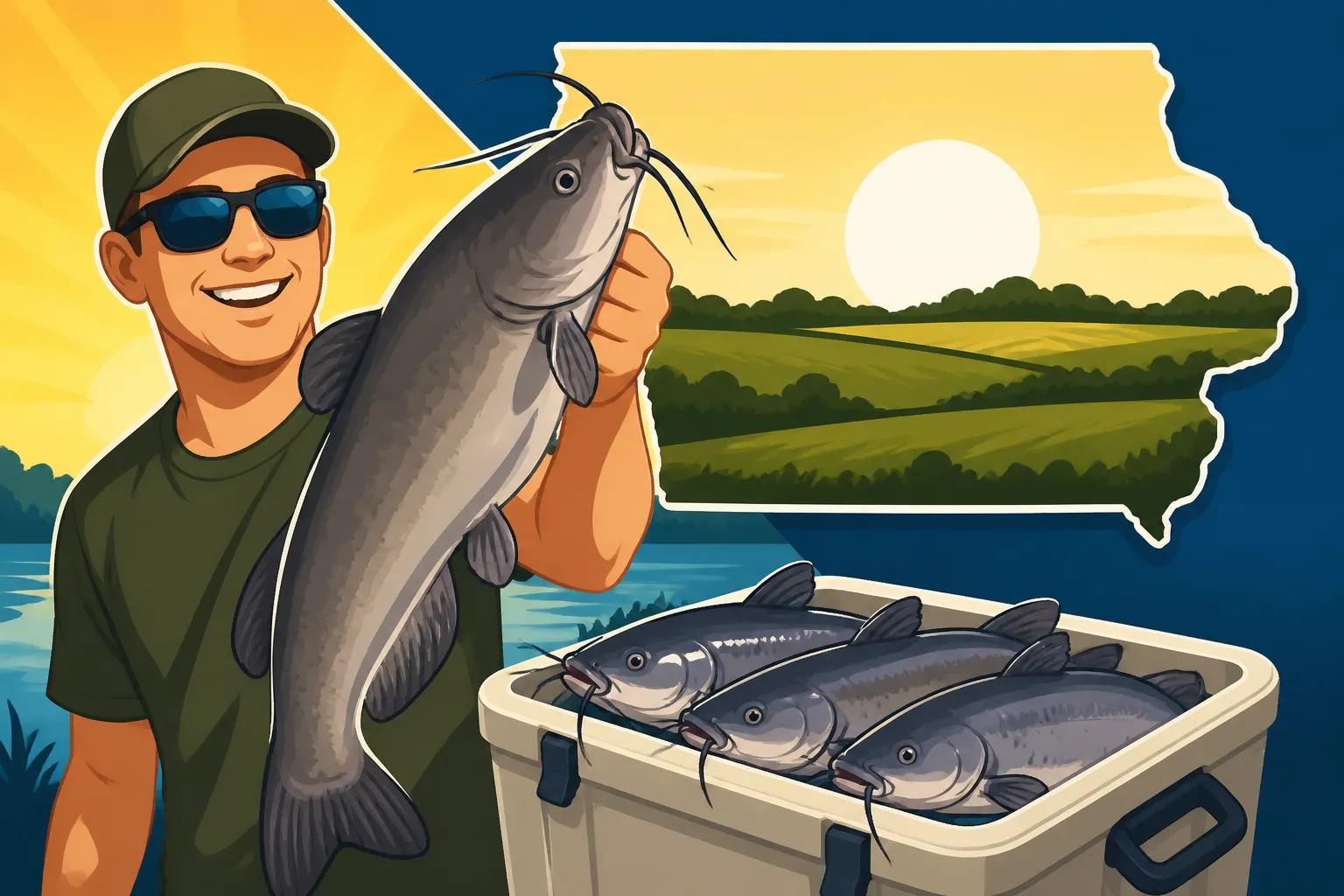
For the vast majority of Iowa's inland waters – think local lakes, most rivers, and smaller ponds – the standard daily bag limit for channel catfish is 15 fish. This means that, from midnight to midnight, you are legally allowed to harvest and keep up to 15 channel catfish. It's a generous limit that allows anglers to bring home a good mess of fish for dinner, or enough for a neighborhood fish fry. However, it's crucial to understand that this limit resets each day, so you can't accumulate more than 15 from a single day's fishing, even if you clean them.
The term "daily limit" specifically refers to the number of fish you can take from a body of water within a 24-hour period, typically starting and ending at midnight. For instance, if you go out early morning and catch your limit of 15, you cannot go back out later the same day and catch more. You'd have to wait until after midnight for the limit to reset. Staying aware of your catch is key, especially if you're having a particularly good day. Many anglers find a simple clicker counter, easily found on Amazon, or a small, waterproof notebook to be invaluable tools for keeping an accurate tally throughout the day. This simple practice prevents accidental over-harvesting and helps you stay within the law.
Why These Limits Exist
You might wonder why these limits are even necessary. After all, isn't fishing supposed to be about catching as much as you can? The truth is, fishing limits are a cornerstone of responsible resource management. They exist primarily for conservation, ensuring that fish populations remain healthy and abundant year after year. Without limits, it would be all too easy for a few avid anglers, or even large groups, to deplete local fish stocks, leading to fewer fish for everyone in the long run.
These limits serve several important purposes. Firstly, they help maintain ecological balance. Channel catfish are an integral part of Iowa's aquatic ecosystems, and ensuring their numbers are sustainable supports the entire food web. Secondly, they promote fair distribution of resources. By setting a reasonable limit, the DNR aims to provide a fair opportunity for all licensed anglers to enjoy successful fishing experiences without one person impacting another's chances. It’s all about sustainable enjoyment for current and future generations of Iowa anglers. For a broader look at how the state manages its fisheries, check out our guide on Iowa Fishing Regulations Explained.
Differentiating Daily Limit from Possession Limit
This is where a lot of anglers, especially those new to the sport or visiting from out of state, can get a little confused. The daily limit and the possession limit are two distinct regulations, and it's vital to understand the difference to avoid penalties.
As discussed, the daily limit is what you can catch and keep in a single day (midnight to midnight). The possession limit, on the other hand, refers to the total number of fish you can have in your possession at any given time, including those at your home, in your cooler, in your vehicle, or otherwise under your control. For channel catfish in most Iowa inland waters, the possession limit is 30 fish.
So, if you catch 15 catfish on Monday, go home and put them in your freezer, and then catch another 15 on Tuesday, you now have 30 catfish in your possession. This is perfectly legal. However, if you already had 30 catfish in your freezer from previous trips, and then went out and caught another 15, you would be exceeding the possession limit. The general rule of thumb is that your possession limit is often double your daily limit, allowing you to string together multiple successful fishing days. Make sure you're clear on these distinctions, as violating either limit can lead to fines. You can delve deeper into this topic with our dedicated article on Catfish Possession Limits.
Specific Regulations and Exceptions
While the general rule of 15 channel catfish daily and 30 in possession applies to most of Iowa's waters, there are some important exceptions and specific regulations you need to be aware of, especially when fishing border rivers or certain unique water bodies.
Channel Catfish Limits on Border Rivers
Iowa shares significant stretches of two major rivers – the Mississippi River to the east and the Missouri River to the west – with neighboring states. Fishing on these border waters often involves reciprocal agreements, meaning that an Iowa fishing license might be valid on certain portions of the river shared with, say, Illinois or Nebraska, but the fishing regulations themselves can differ slightly from inland Iowa rules.
- Mississippi River: When fishing the Mississippi River along Iowa's eastern border (which it shares with Wisconsin, Illinois, and Missouri), the daily bag limit for channel catfish is typically 25 fish, with a possession limit of 50 fish. This is a higher limit than inland Iowa waters, reflecting the Mississippi River's vast size and robust fish populations. Anglers should always double-check the latest regulations, as these can sometimes be subject to change or specific pool rules. Understanding these nuances is crucial for Fishing the Mississippi River in Iowa.
- Missouri River: On the western side of the state, along the Missouri River (which Iowa shares with Nebraska and South Dakota), the daily limit for channel catfish is usually 10 fish, with a possession limit of 20 fish. This limit is actually lower than Iowa's inland waters. The differences in limits across these major rivers highlight the importance of knowing exactly where you are fishing and consulting the most current DNR regulations. Our guide on Reciprocal Fishing Rules on the Mississippi River Border provides more context on how these agreements work.
Special Regulations for Specific Lakes or Reservoirs
It's common for certain popular lakes, reservoirs, or unique aquatic environments to have their own specific fishing regulations, tailored to local fish management goals. While many of Iowa's popular fishing destinations like Rathbun Lake or Saylorville Reservoir generally follow the statewide channel catfish limits, it’s always wise to verify.
For instance, if you're planning a trip to Rathbun Lake, sometimes dubbed "Iowa's Crappie Capital," you might wonder if other species have different rules. In the case of channel catfish, Rathbun Lake typically adheres to the statewide daily limit of 15. The same generally applies to Saylorville Reservoir. However, the Iowa DNR sometimes implements special regulations to address specific conservation needs or to enhance fishing opportunities in particular locations. These might be temporary or long-term. Always consult the current Iowa Fishing Regulations booklet or the DNR website before heading out to any specific body of water. For those targeting larger catfish, our article on Catfish Limit on Rathbun Lake or Catfish Limit on Saylorville Reservoir can confirm current rules.
Understanding Size Limits for Channel Catfish
Another common question from anglers concerns size limits. Many species, like bass or walleye, often have minimum length requirements to protect immature fish and allow them to grow to a reproductive age. So, do channel catfish in Iowa have size limits?
The good news for channel catfish enthusiasts is that, generally speaking, there are no statewide length limits for channel catfish in Iowa. This means that any legal-sized channel catfish you catch, regardless of its length, can be kept as long as you stay within the daily and possession limits. This flexibility is a welcome relief for many anglers who appreciate being able to keep smaller "eaters" or larger trophy fish without having to measure them precisely.
However, as with all regulations, it's always a good practice to quickly confirm this in the current year's Iowa Fishing Regulations booklet, which you can usually find at local bait shops, DNR offices, or download directly from the Iowa DNR website. These booklets are your ultimate source for the most up-to-date information on all species, including whether Is There a Closed Season for Catfish? or other unique rules.
Practical Advice for Anglers
Staying within the law and ensuring a sustainable future for Iowa's fisheries is a shared responsibility. Here are some practical tips to help you keep track of your catch, understand the consequences of violations, and always stay informed about the latest regulations.
How to Accurately Count Your Catch
It's easy to lose track when the fishing is hot, especially if you're fishing with friends or family. But exceeding your daily limit, even by accident, can lead to serious consequences. Here’s how you can make sure you're always on the right side of the law:
- Clicker Counters: These small, handheld devices are fantastic for keeping a running tally. Every time you decide to keep a fish, just click it once. They're inexpensive and widely available, including on Amazon.
- Waterproof Notebook and Pencil: A classic for a reason. Keep a small, waterproof notebook and a pencil in your tackle box. Jot down each kept fish. This also allows you to make notes about where and when you caught them, which can be useful for future trips.
- Designated Stringer/Livewell: If you're keeping fish, try to use a single stringer or a specific section of your livewell for your personal limit. This visual cue can help prevent over-counting if you're fishing with others who also have their own stringers.
- Regular Checks: Periodically check your count throughout the day, especially if you've been catching a lot. A quick mental check or glance at your clicker can save you a headache later.
Remember, once you decide to keep a fish and it's placed on a stringer or in a livewell, it counts towards your limit. Even if you later decide to release it, the law considers it part of your harvested fish for that day.
What Happens if You Exceed the Limit
Ignoring or accidentally violating fishing regulations can lead to unpleasant consequences. If a conservation officer finds you in possession of more channel catfish than the legal daily or possession limit allows, you could face penalties.
- Fines: The most common penalty is a monetary fine. These fines can vary depending on the severity of the violation, the number of fish over the limit, and whether it's a repeat offense.
- Loss of Fishing Privileges: In more severe cases, especially for repeat offenders or significant over-limits, you could face the suspension or revocation of your fishing license. This means you wouldn't be able to legally fish in Iowa for a period of time.
- Confiscation of Equipment: In some instances, fishing equipment (like rods, reels, or even boats) used in the commission of a violation may be subject to confiscation.
The Iowa DNR takes these violations seriously, as they directly impact the state's natural resources. It’s always better to be safe than sorry, and if you’re unsure about a rule, err on the side of caution. For more information on what constitutes a violation and the steps to report one, refer to our article on Reporting a Fishing Violation in Iowa.
Essential Resources for Staying Updated
Fishing regulations are not set in stone; they can and do change from year to year based on biological surveys, environmental conditions, and management goals. To ensure you're always following the most current rules, it’s vital to consult reliable and up-to-date resources.
- Iowa DNR Website: The official Iowa Department of Natural Resources website (www.iowadnr.gov) is your primary and most authoritative source for all fishing regulations. They typically publish the new regulations booklet online before the start of each fishing season.
- Iowa Fishing Regulations Booklet: Pick up a physical copy of the current year's fishing regulations booklet. These are usually free and available at most bait and tackle shops, county recorder offices, and DNR facilities across the state. They’re handy to keep in your tackle box or boat for quick reference.
- GoOutdoors Iowa App: The GoOutdoors Iowa mobile app is a fantastic resource. Not only can you use it to purchase or renew your Iowa Resident Annual Fishing License or Iowa Nonresident Annual Fishing License, but it also provides easy access to the full text of the current regulations. It’s like having a digital regulations booklet right in your pocket.
- Local Bait Shops: The folks who run local bait shops are often incredibly knowledgeable about local rules and recent changes. They can be a great resource for hyper-local information or clarification on specific regulations.
Staying informed is part of being a responsible angler. Taking a few minutes to review the rules before each season, or before venturing to a new body of water, will help ensure your fishing experiences are both enjoyable and compliant.
Here's a quick summary of the channel catfish daily and possession limits in Iowa:
| Water Body Type | Daily Bag Limit (Channel Catfish) | Possession Limit (Channel Catfish) | General Length Limit |
|---|---|---|---|
| Inland Waters | 15 | 30 | None |
| Mississippi River | 25 | 50 | None |
| Missouri River | 10 | 20 | None |
Note: Always consult the current Iowa Fishing Regulations booklet or the Iowa DNR website for the most up-to-date and complete information, as rules can change.
Disclaimer
The information provided in this guide is intended for general informational purposes only and is subject to change. While we strive to provide accurate and up-to-date content, fishing regulations can be complex and are regularly updated by the Iowa Department of Natural Resources. It is always the angler's responsibility to consult the most current official Iowa Fishing Regulations booklet or the Iowa DNR website before engaging in any fishing activities to ensure full compliance with all applicable laws.