Walleye Identification and Habitat in Iowa
There's nothing quite like the thrill of feeling that distinct "thump" of a walleye on your line, especially here in Iowa. But let's be honest, sometimes the joy of a good bite can quickly turn into a furrowed brow when you're trying to figure out if you've actually hooked a walleye, or perhaps one of its clever cousins. This guide is dedicated to helping you confidently identify walleye and understand exactly where these sought-after fish like to hang out in our beautiful Iowa waters, saving you from those moments of uncertainty and helping you hone your angling strategy.
Why Walleye are a Prized Catch in Iowa (and sometimes a Puzzling One!)
For many Iowa anglers, the walleye isn't just another fish; it's the fish. They're notoriously challenging to catch, putting up a respectable fight, and once you get them to the boat, they're absolute table fare delights. That flaky, white meat is simply irresistible, making every hard-won walleye a true trophy, regardless of its size. But for all their desirability, correctly identifying a walleye can sometimes throw even seasoned anglers for a loop, especially when other similar-looking species are swimming in the same waters.
The Allure of the Walleye
Picture this: it's a calm evening, the sun is just starting to dip below the horizon, casting a golden glow over the lake. You're slowly trolling a crankbait or jigging a minnow, feeling the subtle pulse of your lure through the rod. Suddenly, there's that distinctive, solid strike that sends a jolt up your arm. That's the walleye bite, and it's a feeling that keeps us coming back season after season. Beyond the fight, their reputation as incredible eating fish elevates them to a nearly mythical status. Anglers talk about the "walleye chop" or the best time for the "walleye run" with a reverence usually reserved for major sporting events. They're a true staple of Iowa's fishing scene, driving countless trips and sparking endless stories. Understanding Walleye Fishing in Iowa starts with knowing your quarry.
The Challenge of Identification for New Anglers
While a large walleye might seem easy to spot, especially if you've seen pictures, things get tricky when you're looking at smaller fish or when other species are present. Iowa's waters are home to a few fish that bear a striking resemblance to the walleye, most notably the sauger and the saugeye (a hybrid of the two). For someone just getting into the sport, or even for those who've been at it a while but haven't encountered these specific lookalikes, it's easy to second-guess yourself. Knowing the subtle but crucial differences can prevent you from accidentally keeping a protected species or, conversely, from throwing back a perfectly legal and delicious walleye. Plus, understanding the regulations often depends on accurate identification, as bag and size limits can vary by species. It's a key part of responsible angling and contributes to healthy fish populations.
Unmasking the Walleye: Key Identification Features
When you pull a fish out of the water here in Iowa, you want to be certain it's a walleye. There are several tell-tale signs that, once you know them, make identification much easier. It's like learning to recognize a friend in a crowd – you look for a combination of features rather than just one.
Distinctive Body Shape and Coloration
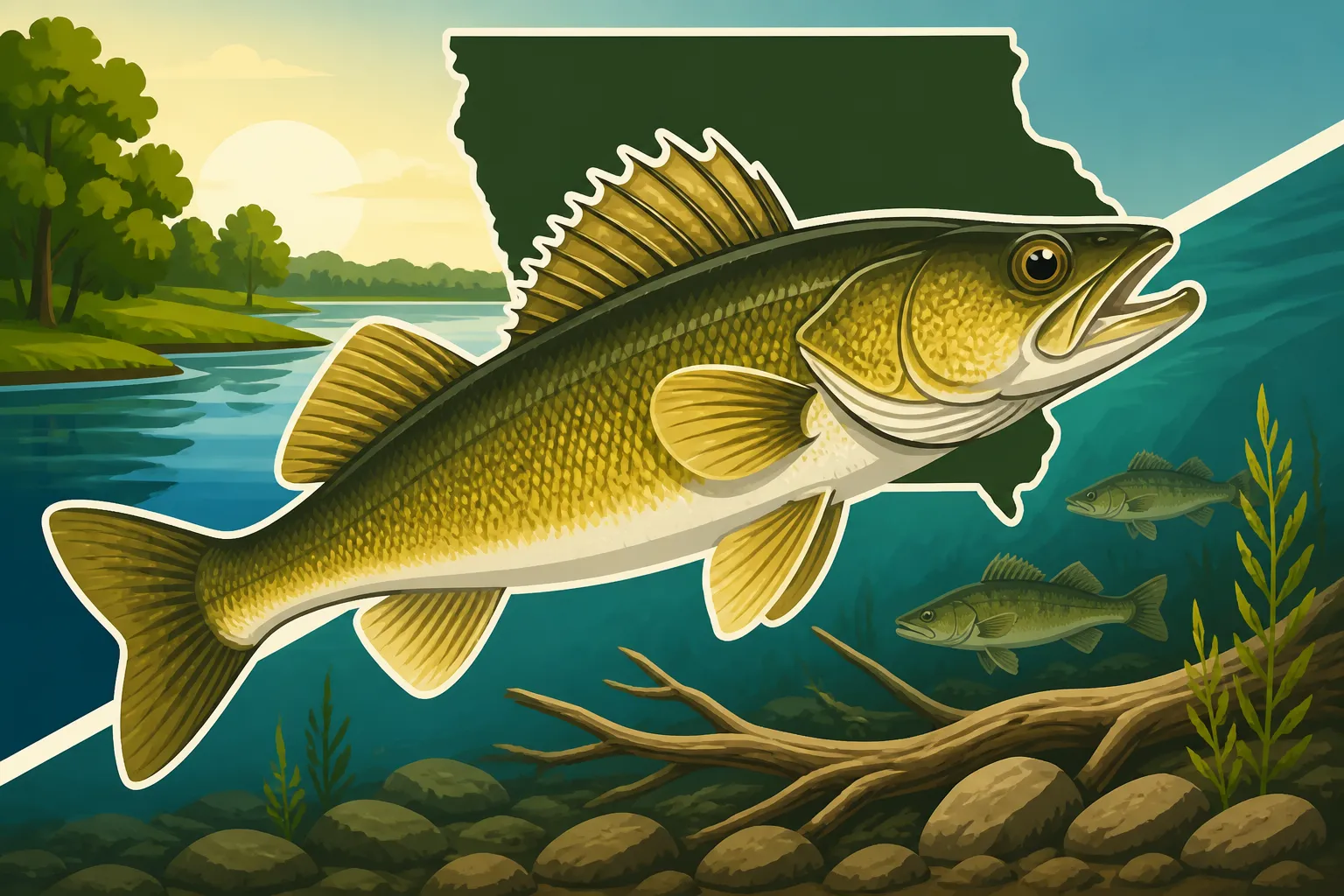
Walleye typically have a long, slender body, a bit like a torpedo, which helps them move swiftly through the water. Their coloration can vary quite a bit depending on the specific lake or river they call home, as well as water clarity and depth. Generally, you'll see a mottled, olive-brown to golden-yellow on their backs, fading to a lighter, sometimes whitish or cream-colored belly. They often have several darker, sometimes indistinct, vertical bars or blotches along their sides. This natural camouflage allows them to blend in beautifully with rocky bottom structure or vegetated areas. Their scales are relatively large and rough to the touch. The overall impression is one of a sleek, predatory fish.
Eye-Catching Features: The 'Glassy' Eyes
One of the most defining characteristics of a walleye, and indeed the source of their name, are their large, prominent eyes. They have a reflective layer called the tapetum lucidum which gives them a distinct, almost glassy or opaque appearance, especially when light catches them just right. This adaptation allows them to see incredibly well in low-light conditions, giving them a significant advantage when hunting in murky water, at dawn or dusk, or in deeper sections of lakes. If you're night fishing for them, you might even see their eyes glow in the beam of a headlamp, which is a pretty cool sight! You can often find useful field guides on Amazon that highlight these features with clear illustrations.
Fin Details That Give Them Away
Pay close attention to the fins, especially the dorsal and caudal (tail) fins. Walleye have two distinct dorsal fins. The first, spiny dorsal fin usually has a dark, dusky spot at its very base, where the fin attaches to the body. This spot is a key identifier. The second, soft-rayed dorsal fin, located closer to the tail, typically does not have any distinct spots or markings. Their caudal fin is usually forked, with a notable white tip on the lower lobe. This white tip is often considered one of the most reliable indicators for distinguishing a walleye from its close relatives. Checking for this white tip on the lower tail fin is often the quickest way to confirm you've got a walleye in your hand.
Walleye vs. Lookalikes: Avoiding Common Mix-Ups
This is where many anglers, especially new ones, can get tripped up. Iowa's waters are home to fish that share a family resemblance with walleye, leading to confusion. Knowing the subtle differences between walleye, sauger, and the hybrid saugeye is critical not only for proper identification but also for adhering to Iowa Fishing Regulations Explained, as limits can vary.
The Sauger: Walleye's Spotted Cousin
The sauger is often mistaken for a walleye, and for good reason—they look quite similar! However, there are a few key differences. Sauger are generally smaller than walleye, with a more mottled, brassy-brown coloration and distinct dark spots on their dorsal fins. Unlike the walleye's single, dark blotch at the base of its spiny dorsal fin, the sauger's entire spiny dorsal fin is covered in rows of small, dark spots. Another major distinguishing feature is the absence of the white tip on the lower lobe of the caudal (tail) fin that is so characteristic of a walleye. Sauger also tend to have rougher scales and a more pointed snout. They often prefer slightly more turbid (cloudy) river environments compared to walleye, making them a common catch in the Mississippi River and other larger Iowa rivers.
The Saugeye: A Hybrid Head-Scratcher
The saugeye is a fascinating hybrid, a cross between a female walleye and a male sauger. Because they inherit traits from both parents, they can be particularly tricky to identify, often displaying a mix of characteristics. A saugeye will usually have some spotting on its spiny dorsal fin, similar to a sauger, but these spots might not be as pronounced or cover the entire fin as uniformly. It might also have a hint of the white tip on the lower caudal fin, though it often won't be as bright or distinct as on a pure walleye. Their body shape and coloration are typically intermediate between the two parent species. Biologists created saugeye because they grow faster and tolerate murkier water better than pure walleye, making them excellent sport fish for certain Iowa lakes and reservoirs. When in doubt, if you see both dorsal fin spots and a faint white tail tip, you've likely got a saugeye. This is precisely why a good waterproof fish identification guide from Amazon can be a lifesaver on the water.
Quick Reference: Walleye vs. Sauger vs. Saugeye
To help clarify the distinctions, here's a quick reference table. Remember, it's often a combination of these features that gives the most reliable identification.
| Feature | Walleye | Sauger | Saugeye (Hybrid) |
|---|---|---|---|
| Dorsal Fin | One dark spot at base of spiny dorsal | Many distinct spots on entire spiny dorsal | Some spotting on spiny dorsal, less uniform |
| Caudal (Tail) Fin | Distinct white tip on lower lobe | No white tip on lower lobe | Faint or indistinct white tip on lower lobe |
| Body Coloration | Mottled olive/gold, lighter belly | Mottled brassy/brown, more spots | Intermediate, can vary wildly |
| Body Shape | More slender, torpedo-like | Slightly more robust, shorter | Intermediate between parents |
| Scales | Smoother to the touch | Rougher to the touch | Intermediate |
| Eyes | Large, prominent, "glassy" | Large, prominent, "glassy" | Large, prominent, "glassy" |
Remember to always consult the current Iowa Fishing Regulations Explained booklet or online resources for specific rules regarding these species, as they can change.
Where the Walleye Roam: Understanding Iowa Habitats
Walleye aren't just found anywhere; they have distinct preferences for certain types of environments. Understanding these preferences is key to figuring out How to Catch Walleye in Iowa and will dramatically increase your success rate. Iowa offers a diverse range of waters, and walleye have adapted to many of them.
Deep, Clear Lakes and Reservoirs
Many of Iowa's best walleye fishing opportunities are found in its larger, deeper lakes and reservoirs. These bodies of water, like the Iowa Great Lakes (Okoboji, Spirit Lake) or larger reservoirs such as Rathbun Lake, Saylorville, and Red Rock, provide the ideal conditions. Walleye thrive in these environments because they offer:
- Abundant Forage: These lakes typically support healthy populations of baitfish like shad, perch, or cisco, which are primary food sources for walleye.
- Thermal Refuges: Deeper waters allow walleye to retreat to cooler temperatures during the summer months when surface waters become too warm for their comfort. They are cool-water fish and prefer temperatures generally between 65-75°F.
- Structure: These lakes often feature diverse underwater structure – drop-offs, humps, submerged islands, rock piles, and old creek channels. Walleye relate heavily to structure, using it for ambush points and cover from bright light.
- Oxygen: While they prefer cooler water, they also need well-oxygenated water. Deeper lakes tend to maintain better oxygen levels in their lower strata.
When fishing these lakes, consider areas with quick depth changes, especially near points or submerged roadbeds. Fishing the Iowa Great Lakes is a prime example of this type of walleye habitat.
Flowing Rivers and Their Channels
While lakes get a lot of attention, Iowa's rivers also hold fantastic walleye populations. The Des Moines River, Cedar River, and many other smaller river systems throughout the state can be prime walleye territory. River walleye often exhibit slightly different behaviors than their lake-dwelling cousins, primarily due to the constant current.
- Current Breaks: Walleye in rivers are masters of conserving energy. They will position themselves just out of the main current, in eddies, behind submerged rocks, wing dams, or log jams, waiting for baitfish to be swept by. These current breaks provide them with an easy meal without expending too much energy fighting the flow.
- Deeper Holes and Channels: Rivers naturally carve out deeper holes and channels, especially on the outside bends. These areas provide sanctuary from strong currents and offer deeper, cooler water. Walleye will often stack up in these areas, particularly during colder months.
- Rip-rap and Rocky Shorelines: Rocky banks and rip-rap (stones used to armor shorelines) offer excellent cover and ambush points, especially where there's a slight current. Crawfish and other invertebrates that walleye feed on also thrive in these areas. Understanding Where Walleye Live in Iowa Rivers means understanding current.
The Mighty Mississippi: A Walleye Stronghold
No discussion of Iowa walleye habitat would be complete without mentioning the Mississippi River. As one of North America's premier walleye fisheries, the stretch of the Mississippi bordering Iowa is a walleye haven. The unique characteristics of this massive river system create a truly dynamic environment for these fish.
- Wing Dams and Submerged Islands: The Mississippi is famous for its extensive system of wing dams, which are rock structures built to channel current. These are absolute magnets for walleye. The current breaks and eddies created by these dams provide perfect ambush points. Similarly, submerged islands and rock piles in the main channel and in the larger backwater areas are key spots.
- Backwater Areas and Sloughs: While walleye prefer current, they will move into quieter backwater areas and sloughs, especially during certain times of the year, for feeding or spawning. These areas can warm up faster in spring, attracting baitfish, and provide different types of cover.
- Main Channel and Navigation Locks: The main river channel, with its deep scour holes and current, is always a prime area. Fishing below locks and dams can be incredibly productive, as baitfish are often disoriented, creating an easy buffet for walleye. Fishing the Mississippi River in Iowa is a unique experience for any walleye angler, demanding specific tactics to navigate its vastness and current.
Seasonal Shifts: Walleye Habitat Through the Year
Walleye aren't static; their habitat preferences change significantly with the seasons, driven primarily by water temperature, spawning urges, and the availability of food. Understanding these seasonal movements is crucial for successful walleye fishing throughout the year.
Spring Spawning and Post-Spawn Recovery
As winter gives way to spring and ice recedes, the water temperatures begin to rise, triggering the walleye's primal urge to spawn. This is a critical period for their life cycle and for anglers alike.
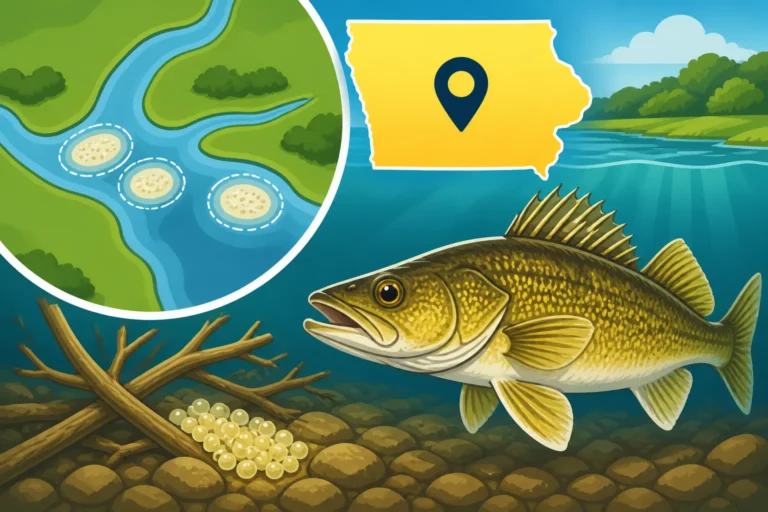
- Spawning Runs: In rivers, walleye will make upstream migrations, often concentrating in specific areas below dams, rapids, or rocky riffles. These areas provide the oxygenated, gravelly or rocky bottoms they need to lay their eggs. On lakes, they'll move into shallower, rocky shorelines, reefs, or even rip-rap areas exposed to wave action, which helps keep eggs oxygenated. This often coincides with Walleye Season Opening Day in many areas.
- Post-Spawn Recovery: After the exhausting spawning ritual, female walleye, in particular, need to recover. They'll often move to slightly deeper water near the spawning grounds, seeking cover and easy meals to regain energy. Males tend to hang around the spawning areas longer. During this period, they can be lethargic and less aggressive, requiring slower presentations.
- Shallow Water Warming: As spring progresses, the shallow flats and bays warm up, attracting baitfish. Walleye will follow this food source, making these shallower areas productive during late spring, especially during low light conditions. This is a prime time for Iowa Walleye Season Opening Strategies.
Summer's Deep Retreats and Nighttime Forays
Summer brings warmer water, and walleye, being cool-water fish, will adjust their habitat accordingly. This is when understanding depth and structure becomes paramount.
- Deep Water Relief: In lakes and reservoirs, walleye will retreat to deeper, cooler waters during the day. Look for them on the deep sides of points, along the edges of submerged humps, in creek channels, or suspended over deep water, especially if there's a thermocline (a layer of rapid temperature change). They'll use their superior low-light vision to their advantage here.
- Nighttime Shallow Forays: As the sun sets and surface temperatures cool, walleye will often move into shallower water to feed. This is when they might be found on shallow reefs, flats, or weed edges that they avoided during the bright daylight hours. Night fishing can be incredibly effective in summer, often yielding some of the biggest fish. A good headlamp from Amazon is indispensable for these nocturnal adventures.
- River Current and Oxygen: In rivers, walleye will continue to relate to current breaks but might also seek out deeper holes where cooler, more oxygenated water is available. They remain opportunistic predators, using eddies and seams to ambush passing bait.
Fall Feeding Frenzy and Migration
Fall is a fantastic time to target walleye in Iowa. As water temperatures begin to drop, walleye sense the approaching winter and engage in a major feeding frenzy to pack on reserves.
- Shallow Water Return: Walleye often move back into shallower water, particularly fertile flats, weed edges, and prominent points, chasing baitfish that are also gorging themselves. This can create some of the most consistent and exciting fishing of the year.
- Migration Patterns: In larger river systems, walleye might begin subtle migrations towards their wintering or spawning grounds, moving to deeper pools and areas with stable current.
- Baitfish Concentrations: As aquatic vegetation dies off and baitfish schools tighten up, walleye will follow these concentrations. Sonar and fish finders can be invaluable for locating these schools and the predators lurking nearby. Knowing how to use Fish Finders and Electronics for Iowa Anglers is a major advantage.
Winter's Icy Lair and Slow Movement
Once Iowa's lakes and rivers freeze over, walleye still need to eat, but their metabolism slows considerably. Ice Fishing in Iowa for walleye is a beloved winter pastime, but it requires patience and a specific approach.
- Deep Structure Reliance: Under the ice, walleye will typically relate to deep structure more intensely. Look for them on the edges of deep main lake basins, near submerged humps, points, or the deep edges of old creek channels. They might also be found suspending over deeper water.
- Subtle Presentations: Due to their slower metabolism, walleye are less likely to chase a fast-moving bait. Slow, subtle jigging presentations with live bait like minnows are often most effective.
- Low Light Periods: Just like in open water, low light periods (dawn, dusk, and even nighttime) are often the most productive for ice fishing walleye, as they become more active feeders.
Finding the Feeding Zones: Locating Walleye in Specific Structures
Knowing where walleye live in a general sense is one thing, but pinpointing their exact feeding zones within those habitats is another entirely. Walleye are creatures of structure and current, always looking for an advantage when it comes to ambushing prey.
Structure That Holds Walleye: Drop-offs, Humps, and Points
Walleye are kings of structure. They use contours and features on the lake or river bottom to their advantage.
- Drop-offs: These are abrupt changes in depth, often from a shallow flat to a deep basin. Walleye will frequently patrol the edge of a drop-off, using the deeper water for cover and ascending to feed on baitfish moving over the shallower flat. Look for the "lip" of the drop-off where it transitions from one depth to another. You can often find these on bathymetric maps or with a good sonar unit.
- Humps and Submerged Islands: These are underwater rises that don't break the surface. They act as magnets for baitfish and, consequently, for walleye. The key is to fish all sides and the top of the hump, paying close attention to where the structure meets the bottom, as walleye will often hold on the edges or "shoulders" of these features.
- Points: Any piece of land that extends out into the water, whether above or below the surface, is considered a point. Points provide a funnel for baitfish and a prime ambush location for walleye. The walleye will often hold on the windblown side or the side that drops off most steeply, waiting for an easy meal. This is a classic spot for targeting Trophy Walleye Size in Iowa.
Current Breaks and Eddies in River Systems
When fishing rivers, understanding current is more important than almost anything else. Walleye will always position themselves to minimize energy expenditure while maximizing feeding opportunities.
- Current Seams: These are the lines where fast-moving water meets slower water. Walleye will sit in the slower water, often just inches away from the main current, darting out to grab anything that drifts by. Look for these seams around bridge pilings, large rocks, fallen trees, or the edges of wing dams.
- Eddies: An eddy is a swirling pool of water where the current reverses or slows significantly. These are prime resting and feeding areas in rivers. Baitfish often get trapped or disoriented in eddies, making them easy targets. Fish the edges of eddies and where the main current flows into and out of them.
- Wing Dams and Submerged Structure: As mentioned with the Mississippi, wing dams are designed to create specific current patterns. The upstream side, the face, and especially the downstream side of a wing dam, where the current calms, are all high-percentage walleye locations. Large rocks or downed trees in the river can act similarly, creating localized current breaks.
Weed Lines and Transition Zones
While not always associated with walleye, healthy weed beds can hold an incredible amount of fish, including walleye, especially in lakes with stained water or during specific times of the year.
- Deep Weed Lines: Walleye will often patrol the outside edge of dense weed beds, particularly those that grow in deeper water. These weed lines provide excellent cover from light and an ambush point for baitfish hiding within the vegetation. The transition from weeds to open water is a key zone.
- Cabbage and Coontail: Specific types of weeds, like cabbage and coontail, are particularly good. They provide excellent cover and harbor insect life and baitfish. Walleye will often hold in pockets or sparse areas within these weed beds.
- Hard Bottom/Soft Bottom Transitions: The transition zone where a hard bottom (rock, gravel) meets a soft bottom (muck, sand) is another prime area. These areas often harbor different types of forage and can be a "highway" for fish moving between different feeding grounds. Keep an eye on your sonar for these subtle changes in bottom composition. Fishing jigs with live bait or a plastic grub can be very effective in these areas, perhaps a Walleye-specific jig and plastic from Amazon for ease of purchase.
Hopefully, this detailed guide helps you not only identify that prized walleye when it hits your line but also gives you a clearer picture of where to start looking for them across Iowa's diverse fishing landscapes. Happy fishing, and may your cooler be full of those beautiful, delicious walleye!
Disclaimer
This article is for general informational purposes only and does not constitute professional advice. Laws, prices and regulations vary by location and change over time. Consult a qualified professional for guidance on your specific situation.