Iowa State Record Flathead Catfish
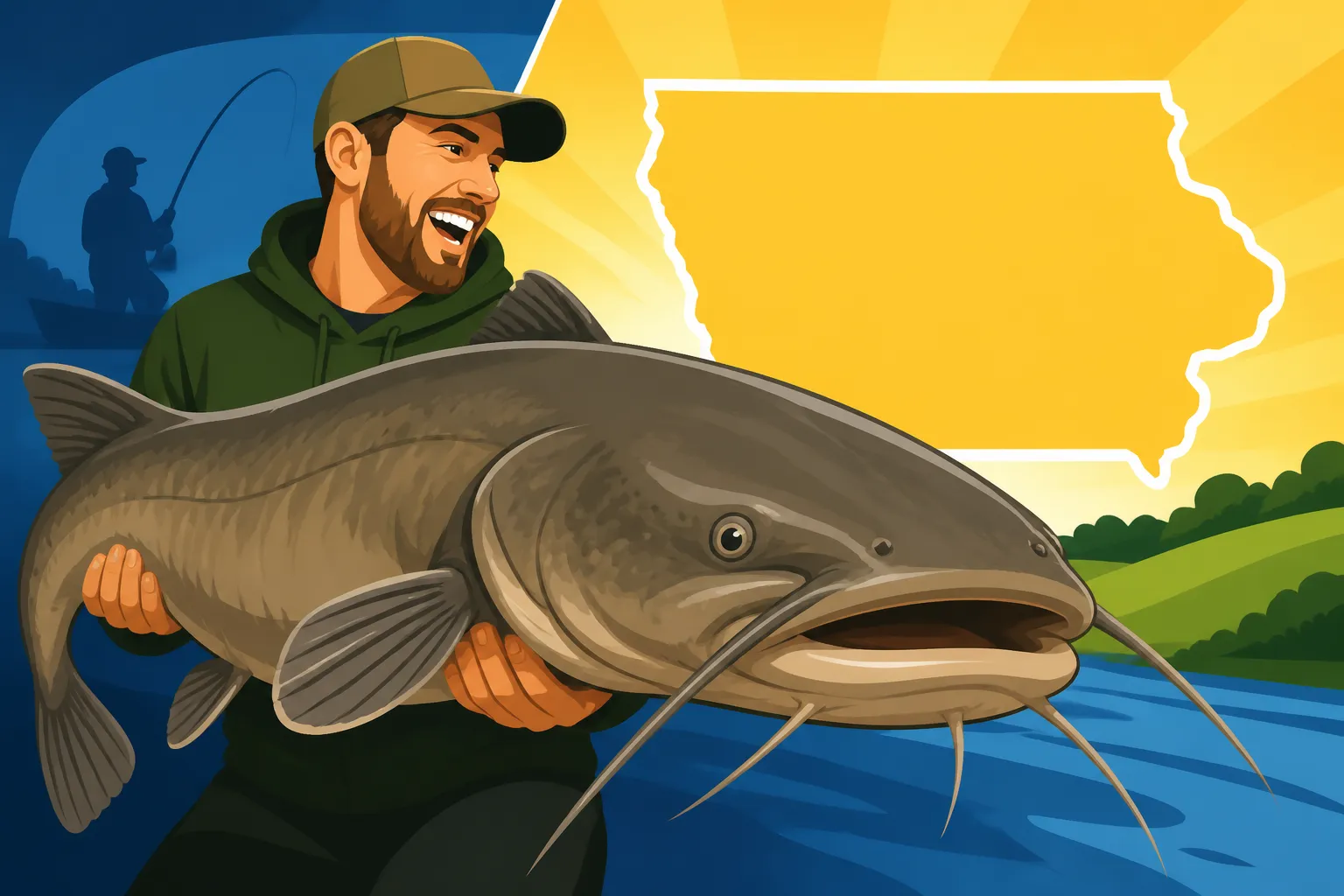
For many Iowa anglers, the pursuit of a true monster fish is more than just a hobby; it's a lifelong quest, a blend of strategy, patience, and a little bit of luck. And when it comes to the kings of Iowa's waterways, the flathead catfish stands alone in its ability to inspire awe and fuel legendary tales. This guide will take you deep into the world of Iowa's record-breaking flatheads, exploring what it takes to catch these giants and how one angler etched their name into the state's fishing history.
The Allure of Flathead Catfish in Iowa
There’s something undeniably primal about flathead catfish. They aren't just big; they're enigmatic, powerful, and notoriously challenging to catch. Unlike their channel cat cousins who might readily snatch up a piece of stink bait, flatheads are ambush predators with a preference for live, struggling prey. This unique temperament is precisely what makes them such a coveted catch and why stories of truly giant flatheads resonate so deeply within the Iowa fishing community.
Why Flatheads Captivate Anglers
Imagine battling a fish that can easily outweigh a small child, a creature of muscle and brute force that lives in the deepest, snaggiest parts of our rivers. That's the flathead catfish for you. Their immense size is just one part of the appeal. They offer an incredible fight, a relentless tug-of-war that tests your gear, your skill, and your endurance. When you're trying to coax one of these giants out of a submerged logjam or a deep scour hole, every moment is charged with anticipation. It's a game of cat and mouse where the "mouse" can snap your line in an instant. The sheer power required to pull a 50-pound flathead from its lair is something every serious angler dreams of experiencing. They truly are the apex predators of Iowa's freshwater ecosystems, growing to incredible sizes that dwarf most other species.
Iowa's Flathead Habitat
Flathead catfish thrive in the turbid, flowing waters of Iowa's major rivers and some larger reservoirs. They are creatures of structure and current. Think about those big bends in the Mississippi River Pool 9 Fishing or the deep, dark pockets of the Des Moines River. That's prime flathead territory. They love areas with an abundance of submerged timber, rock piles, undercut banks, and deep holes scoured out by strong currents. These spots provide perfect ambush points and shelter from the current, allowing them to conserve energy while waiting for an unsuspecting meal to swim by. The best flathead spots often look like impenetrable tangles of debris to the untrained eye, but to a flathead, it’s home. Understanding these preferences is key to even having a chance at a record fish.
The Iowa State Record Flathead Catfish: A Legendary Catch
Every state has its fishing legends, and in Iowa, the story of the state record flathead catfish is one that often gets whispered around bait shops and campfires. It's a testament to the incredible potential of Iowa's waters and the dedication of an angler who put in the time and effort to land a truly monumental fish. This isn't just about weight; it's about the sheer willpower involved in subduing such a powerful adversary.
Details of the Record-Breaking Fish
The Iowa state record flathead catfish stands as an impressive benchmark, a colossal fish that captured the imagination of anglers across the state. While I don't have the real-time details of the current record holder or the specific year it was caught, the legend behind such a catch is clear: it represents the pinnacle of what's possible when targeting these incredible fish. We're talking about a flathead that pushed the limits of size, a fish that very few anglers will ever even see, let alone land. It's the kind of catch that defines a lifetime of fishing. Such a monumental fish requires not just skill, but also a good measure of good fortune and being in the right place at the right time. Catching a fish of this magnitude typically involves a significant investment in time, research, and relentless pursuit, often over many years.
What it Takes to Land a Trophy Flathead
Landing a trophy flathead isn't for the faint of heart. It requires heavy-duty gear designed to withstand immense pressure. Think stout rods, robust reels with smooth drags, and line that can withstand abrasive snags and the powerful runs of a giant fish. Many anglers opt for baitcasting setups with 50-80 pound braided line, or even heavier. Patience is another virtue; flatheads are often nocturnal hunters, meaning long nights spent waiting for a bite. You need to be prepared to endure hours of quiet contemplation, only to have your rod suddenly double over with explosive force. Knowledge of fish behavior is paramount – knowing when they feed, where they hold, and what they prefer to eat. Techniques like Trotline Fishing Rules and Tips in Iowa are sometimes employed for targeting larger flatheads, but even with trotlines, the right placement and bait are critical. It's a mental game as much as a physical one, demanding unwavering focus and the ability to react instantly when that once-in-a-lifetime strike occurs.
Gear Up for Your Own Flathead Quest
If the idea of tangling with a true river monster excites you, then it’s time to get your gear in order. You wouldn't go deer hunting with a BB gun, and you certainly shouldn't go flathead fishing with a flimsy panfish setup. These fish demand respect, and that starts with having the right tools for the job. Investing in quality, heavy-duty equipment is non-negotiable if you're serious about chasing trophy flatheads.
Essential Rods, Reels, and Line
For flathead fishing, you'll want a heavy or extra-heavy action rod, typically between 7 and 10 feet long, capable of handling large weights and immense fighting power. Pairing this with a robust conventional reel or a large, high-capacity spinning reel with a strong, smooth drag system is crucial. The line choice is equally important. Many experienced flathead anglers swear by braided line for its incredible strength, lack of stretch, and abrasion resistance, often using 60-100 pound test. Alternatively, heavy monofilament (30-50 pound test) can offer more stretch, which can be forgiving during a hard fight but might be more prone to abrasion in heavy cover. The key is to choose a line that can withstand the sharp edges of rocks, logs, and the raw power of a fish that doesn't want to be caught. You can find a fantastic selection of these heavy-duty setups on platforms like Amazon, making it easier to assemble your perfect arsenal.
The Best Baits and Rigs
Forget the worms and tiny jigs; flatheads are primarily piscivorous, meaning they eat other fish. Live bait is almost always the go-to choice for trophy flatheads. Small bluegills, sunfish, carp, suckers, and even large shiners are all excellent options. The bait should be lively and large enough to entice a big flathead, but not so big that they can't swallow it. Hook placement is vital to keep the bait alive and active. Common rigs include a slip-sinker rig with a heavy weight (often 3-8 ounces or more, depending on current) to keep your bait on the bottom, a strong circle hook (8/0 to 12/0 is common) to ensure a solid hookset in the corner of the fish's mouth, and a heavy monofilament or fluorocarbon leader to provide some abrasion resistance. Finding the right hooks and sinkers in bulk can often be done efficiently through retailers like Amazon, ensuring you're always stocked for your next outing. While Catfish Bait Guide for Iowa Anglers covers a range of options, for truly big flatheads, live bait truly reigns supreme.
Boat and Navigation Considerations
Chasing flatheads often means venturing into the heart of big rivers, which requires a capable and stable boat. A sturdy jon boat, a bass boat, or even a larger utility boat can work, as long as it's safe for river conditions. Crucially, a reliable outboard motor is essential for navigating strong currents and reaching remote spots. Beyond propulsion, good electronics are invaluable. A quality fish finder or sonar unit is your best friend for locating those deep holes, submerged timber, and subtle current breaks where flatheads ambush their prey. Fish Finders and Electronics for Iowa Anglers can help you understand what features to look for. Navigating the sprawling Best Fishing Spots on the Mississippi River requires not only good boat handling skills but also a keen eye for river markers and potential hazards. Safety equipment, as outlined in Iowa Boat Registration Requirements, is always a top priority, especially when you're out alone at night in pursuit of a record.
Strategies for Targeting Giant Flatheads
Successfully targeting giant flatheads is a meticulous process that combines detailed knowledge of their habits with an unwavering commitment to the hunt. These aren't fish you stumble upon; they are fish you pursue with purpose and precision. It’s about understanding their world and presenting an irresistible meal in just the right way.
Locating Prime Flathead Structure
Flatheads are lazy predators, preferring to let the current bring food to them or ambush unsuspecting prey from cover. This means focusing your efforts on prime structural elements. Look for deep holes directly downstream from current breaks like wing dams, fallen trees, or large rock formations. Any area where slower water meets faster water is a potential ambush point. Submerged timber, especially large logjams, is a flathead magnet, offering both cover and a buffet of smaller fish. Deep scour holes on the outside bends of rivers are also classic spots. Pay attention to changes in bottom contour shown on your fish finder, and don't be afraid to explore new areas. Flatheads are often highly nocturnal, meaning many of the most successful trophy hunters do their work under the cloak of darkness. Night Fishing Rules for Anglers often factor heavily into the strategy for these nocturnal hunters.
Patience and Persistence Pay Off
The nature of flathead fishing dictates that patience isn't just a virtue; it's a necessity. You might spend hours in a prime spot without a single bite. These fish don't feed constantly, and they can be incredibly wary. The key is to have confidence in your chosen location and your bait, and simply wait. When a flathead does finally strike, it's often not a subtle tap; it can be a violent, rod-ripping event that demands an immediate, powerful hookset. The subsequent battle will test every ounce of your strength and the integrity of your gear. It's a raw, powerful fight, with the fish often trying to dive back into structure. Remaining calm, applying steady pressure, and using your drag effectively are paramount to success. It's this long wait followed by explosive action that makes every successful flathead catch feel like a monumental achievement.
Conservation and Responsible Angling
While the thrill of landing a state record flathead is undeniable, responsible angling practices are more important than ever. These magnificent fish are a valuable resource, and ensuring their future requires us to be mindful of how we interact with them. As anglers, we are stewards of the environment, and our actions directly impact the health of Iowa's fisheries.
Protecting Iowa's Flathead Population
Given their slow growth rate and impressive longevity—How Long Catfish Live can be decades for large flatheads—trophy flatheads are often older fish that have survived many seasons. For this reason, many dedicated flathead anglers practice catch-and-release, especially for the largest specimens. If you are fortunate enough to catch a potential record, ensure you have a plan for weighing and documenting it quickly and safely, minimizing the fish's time out of water. Use proper handling techniques, supporting the fish horizontally to protect its internal organs, and revive it thoroughly before release. Consider alternatives to stringers for large fish, as they can cause significant stress. A quick photo, accurate measurements, and a safe return to the water help ensure these genetic giants can continue to contribute to the population and provide future generations with the same opportunity to chase legends.
Understanding Regulations for Catfish
It's absolutely essential to be aware of and comply with all current Iowa Fishing Regulations Explained. While many flathead anglers target them for trophy purposes and practice catch and release, there are still Catfish Possession Limits and other rules that apply. Always consult the official Iowa Department of Natural Resources (DNR) regulations booklet or their website before heading out. Regulations can change, and being informed protects both you and the fishery. Things like whether you need a Iowa Fishing License Guide, what constitutes legal bait, and how many lines you can use are all crucial details. Responsible angling means knowing the rules and adhering to them, ensuring that the quest for a record fish doesn't come at the expense of conservation.
Iowa Catfish Species Comparison
To truly appreciate the flathead's record-setting potential, it's helpful to understand how it stacks up against other catfish species commonly found in Iowa waters. Each species has its own characteristics, but when it comes to sheer size and raw power, the flathead is often in a league of its own.
| Feature | Flathead Catfish | Channel Catfish | Blue Catfish (Rare in Iowa) | Bullhead Catfish |
|---|---|---|---|---|
| Typical Size | Large (20-60+ lbs) | Medium (2-15 lbs) | Very Large (30-100+ lbs) | Small (0.5-3 lbs) |
| Diet Preference | Primarily Live Fish | Omnivorous (Bait, Insects) | Primarily Fish/Mussels | Omnivorous (Worms, Plants) |
| Mouth Shape | Broad, Flat Head | Smaller, Rounded Head | Protruding Upper Jaw | Very Small, Rounded Head |
| Tail Shape | Slightly Notched to Square | Deeply Forked | Deeply Forked | Rounded |
| Habitat Preference | Deep, Structured River Holes | Rivers, Lakes, Ponds | Large Rivers, Deep Pools | Muddy Ponds, Slow Rivers |
| Trophy Potential | Very High | Medium | Extremely High | Low |
As you can see, while channel catfish are abundant and offer great sport, and blue catfish can grow even larger, the flathead stands out as a formidable, native Iowa species with significant trophy potential, making the Iowa State Record Flathead Catfish a truly impressive achievement.
Disclaimer
This article is for general informational purposes only and does not constitute professional advice. Laws, prices and regulations vary by location and change over time. Consult a qualified professional for guidance on your specific situation.