Are Iowa Fishing Regulations the Same Every Year?
Oh, the age-old question that keeps many of us anglers up at night: "Are Iowa fishing regulations the same every year?" It feels like every time you finally get comfortable with the rules, a new year rolls around, and you're left wondering if everything you memorized last season is still valid. It's a genuine frustration, a slight anxiety that can creep in as you plan your next fishing trip. This guide is here to unravel that mystery, helping you understand why regulations might shift and how to always stay on the right side of the rules, so you can focus on what truly matters: catching fish.
The Dynamic Nature of Fisheries Management: Why Regulations Change
Let's get one thing straight: no, Iowa fishing regulations are generally not exactly the same every single year. While many core rules remain consistent, the Iowa Department of Natural Resources (DNR) regularly reviews and, when necessary, adjusts regulations to ensure the health and sustainability of our precious fisheries. It's not about making things complicated for us; it's about protecting the fish populations and ensuring there's great fishing for generations to come.
Environmental Factors and Fish Populations
Imagine a year with an unusually long, harsh winter, or conversely, a super-hot, dry summer. These environmental shifts have a profound impact on fish populations. Droughts can lead to lower water levels, concentrating fish and making them more vulnerable to overfishing, or stressing them with warmer water temperatures. Floods, on the other hand, can wash out spawning beds or introduce new challenges to fish survival. The DNR closely monitors these conditions. For instance, if a particularly tough winter caused a significant die-off of panfish in a specific lake, they might consider adjusting the daily bag limits for crappie or bluegill to help the population recover.
Think about our beloved walleye. Their spawning success can be highly dependent on water levels and temperatures in the spring. If there's a few lean years of reproduction due to environmental factors, the DNR might need to tighten the Walleye Season and Size Limits temporarily to allow those younger fish to mature and contribute to future spawning classes. It's a delicate balance, and Mother Nature definitely plays a huge role in the decisions made regarding our fishing rules.
Scientific Research and Monitoring
The Iowa DNR isn't just guessing; they employ a team of fisheries biologists who are constantly studying our lakes, rivers, and streams. They conduct extensive surveys, sampling fish populations, tracking growth rates, and assessing reproductive success. They also perform creel surveys, which involve talking to anglers like us at boat ramps and shorelines to understand catch rates and fishing pressure. This scientific data is the backbone of fisheries management.
If, for example, their research indicates that a certain species, perhaps smallmouth bass in a particular stretch of the Des Moines River, isn't reaching its growth potential or its numbers are declining, they might propose changes to size limits or bag limits. This scientific insight ensures that regulations are based on real-world biological facts, not just arbitrary decisions. You might see new regulations introduced to protect unique habitats or to manage the spread of invasive species, all stemming from ongoing research.
Public Input and Conservation Goals
While science drives many decisions, public input also plays a vital role. The DNR holds public meetings and gathers feedback from anglers, conservation groups, and local communities. They understand that we, the people who spend countless hours on the water, have valuable insights and perspectives. This collaborative approach helps balance the scientific recommendations with the desires and traditions of Iowa's fishing community.
Ultimately, the overarching goal is conservation – ensuring healthy fish populations and quality fishing opportunities for the long term. Sometimes this means stricter regulations, like specific length limits or slot limits, to protect larger, spawning-size fish. Other times, it might involve promoting the harvest of abundant species or certain sizes to maintain ecological balance. The regulatory process is designed to be adaptive, changing as our understanding of the environment and fish populations evolves.
Key Areas Where Regulations Might See Annual Tweaks
So, while you won't typically see a complete overhaul of all Iowa fishing regulations every year, there are specific areas where changes are more likely to occur. These are the details you'll want to pay closest attention to when the new fishing season rolls around.
Bag Limits and Size Restrictions
This is probably one of the most common areas for annual adjustments. Bag limits dictate how many fish of a particular species you can keep in a day, while size restrictions (minimum or maximum length) ensure fish have a chance to grow and reproduce. These limits are finely tuned instruments used by the DNR to manage specific fish populations.
For example, a lake that has a booming crappie population but the fish aren't growing to a desirable size might see an increased bag limit to encourage harvest of smaller fish, allowing the remaining fish to grow larger. Conversely, if a trophy fishery is being developed, you might see a higher minimum length limit or even a protected slot limit, meaning fish within a certain size range must be released. It's not uncommon to see changes to Crappie and Sunfish Limits in Iowa or specific rules around Bass Season and Size Limits on certain water bodies if data suggests it's needed. Always double-check these numbers, as they can sometimes vary even between similar lakes within the state.
Specific Waterbody Rules
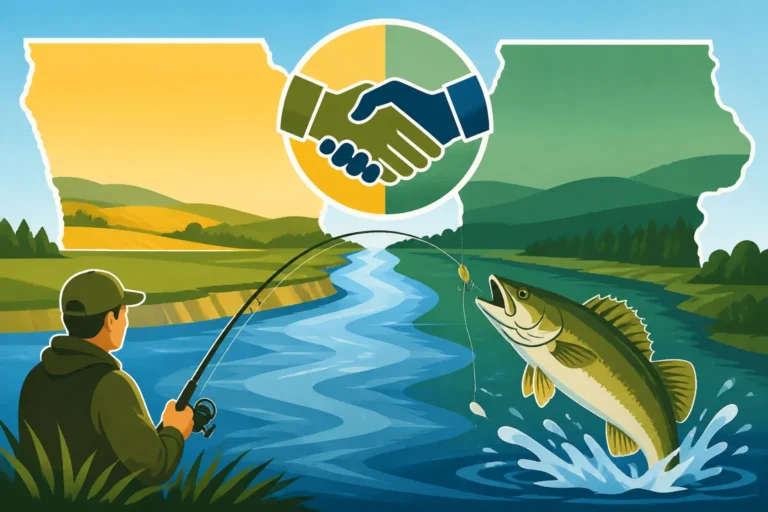
This is a big one. While many regulations apply statewide, Iowa has numerous unique water bodies, and many of them have special rules tailored to their specific ecosystems and management goals. The Iowa Great Lakes (West Okoboji, East Okoboji, and Spirit Lake) often have their own distinct regulations for certain species, different from those on, say, Rathbun Lake or Clear Lake. The same goes for the mighty Mississippi River, which, being a border water, has reciprocal agreements with neighboring states, leading to unique rules that are different from inland Iowa waters. You can learn more about these nuances in our guide to Fishing Regulations at the Iowa Great Lakes or specific rules for Iowa Fishing Regulations on the Mississippi River Border.
These localized rules are crucial. You can't assume that just because you can keep five walleye on one lake, the same applies everywhere. Always, always check the specific regulations for the body of water you plan to fish. Ignoring these specific rules is a common way to inadvertently run afoul of the law, even for seasoned anglers.
Seasonal Openings and Closures
While many popular species like catfish have open seasons year-round, others, especially game fish like walleye and bass, can have specific opening and closing dates or periods of restricted harvest. These are generally tied to spawning seasons to protect fish when they are most vulnerable and concentrated. For example, while the general Iowa Walleye Season Opening Day might be fairly consistent year to year, there might be subtle changes or specific exceptions for certain lakes, particularly those managed for special purposes.
It's vital to know when the season for your target species is open. Catching and releasing outside of the open season is usually permitted, but retaining fish during a closed season can lead to penalties. The DNR uses these seasonal adjustments to ensure successful reproduction and recruitment of new fish into the population, securing future fishing opportunities for everyone. For bass anglers, knowing Is Bass Fishing Open Year-Round in Iowa? is key, as exceptions exist on some waters.
How to Stay Up-to-Date on Iowa Fishing Regulations
Given that regulations can and do change, how do you make sure you're always operating with the most current information? It's easier than you might think, thanks to modern resources and some good old-fashioned preparation. Don't rely on word-of-mouth alone!
Official DNR Resources
The absolute best and most reliable source for current Iowa fishing regulations is the Iowa Department of Natural Resources itself. Their official website is a treasure trove of information, usually updated well in advance of the new fishing year. You can find comprehensive guides like the Iowa Fishing License Guide and detailed explanations of Iowa Fishing Regulations Explained directly there.
Perhaps even more important is the annual Iowa Fishing Regulations booklet. This physical guide, often called "the regs book," is published every year and is available free of charge at most places that sell fishing licenses, like bait shops, sporting goods stores, and county recorder offices. Grabbing a fresh copy at the start of each year is a non-negotiable step for any serious angler. It contains all the updated information, including any changes from the previous year, clearly outlined. You can also often download a PDF version directly from the DNR website, making it easy to keep a digital copy on your phone or tablet.
Online Tools and Apps
In our digital age, staying informed is incredibly convenient. The Iowa DNR offers the GoOutdoors Iowa mobile app, which is not only where you can purchase and store your Iowa Resident Annual Fishing License or Iowa Nonresident Annual Fishing License, but it also provides easy access to the current regulations. Being able to pull up the rules right on your phone while you're out on the water can be a lifesaver, especially when you're questioning a specific length limit or bag restriction. Find out How to Buy a Fishing License on the GoOutdoors Iowa App in our detailed guide.
Beyond the official app, many reputable fishing forums and community websites also discuss upcoming and current regulation changes. While these can be great for conversations, always double-check any information against the official DNR sources. You might also find helpful gear on platforms like Amazon to help you stay compliant, such as a portable fish scale and measuring tape, or even a waterproof case for your phone to keep those digital regulations safe and accessible.
Here's a quick reference for common regulation changes:
| Regulation Type | Likelihood of Annual Change | Why it might change | Example Species Often Affected |
|---|---|---|---|
| Daily Bag Limits | Medium to High | Population fluctuations, harvest goals | Walleye, Crappie, Panfish |
| Minimum/Maximum Size Limits | Medium | Promote growth, protect spawners, trophy management | Bass, Walleye, Muskie |
| Seasonal Closures | Low to Medium | Spawning protection, severe environmental conditions | Walleye, Bass (certain lakes) |
| Waterbody Specific Rules | Medium | Unique ecological needs, localized management | Iowa Great Lakes, Mississippi River |
| Gear Restrictions | Low | New conservation efforts, safety concerns | Trotlines, Spear fishing |
Community Engagement and Local Knowledge
Don't underestimate the power of local knowledge! Your local bait shop owners and seasoned anglers are often the first to hear about proposed changes and can offer valuable insights into local conditions and how they might affect fishing. They're often passionate about their local waters and well-versed in the current rules. However, always use this as a supplementary source, and confirm critical details with the official DNR regulations.
Joining local fishing clubs or online communities dedicated to Iowa fishing can also keep you in the loop. These groups often discuss changes, share updates, and provide interpretations that can help clarify complex rules. Many experienced anglers find that browsing a wide range of fishing products on Amazon, from new lures to advanced fish finders, helps them stay engaged and informed about current trends that might impact regulations. Just remember, a friendly chat with an old-timer at the boat ramp is invaluable, but the DNR website is your legal bible!
Disclaimer
Please note: Fishing regulations can change frequently. This article provides general information and guidance based on typical patterns. Always consult the official Iowa Department of Natural Resources website or the current year's Iowa Fishing Regulations booklet for the most accurate and up-to-date rules before you head out on the water. Your local bait shop or the GoOutdoors Iowa app are also excellent resources for current regulations and licensing requirements.