Best Tackle Box Setup for Beginners
Stepping into the world of Iowa fishing can feel like a grand adventure, but for many new anglers, the first hurdle isn't casting or finding the fish; it's staring at an empty tackle box and wondering where on earth to begin. The sheer volume of hooks, lures, and gadgets can be incredibly overwhelming, leading to frustration and often, unnecessary purchases. This guide is here to cut through that confusion, helping you build a practical, effective, and confidence-boosting tackle box setup specifically tailored for Iowa's diverse waters, so you can spend less time guessing and more time catching.
Why a Smart Tackle Box Setup Matters for New Anglers
Think of your tackle box as your mobile fishing command center. It's not just a place to stash your gear; it's a carefully curated collection of tools and baits that will make or break your day on the water. For beginners, getting this right from the start can save you a lot of headaches and help you truly enjoy the experience of becoming an Iowa angler.
Avoiding Overwhelm and Unnecessary Purchases
One of the biggest pitfalls for new anglers is walking into a sporting goods store, seeing rows upon rows of shiny lures and specialized gadgets, and feeling like you need everything. It's easy to blow your budget on items you'll rarely use, or worse, items that aren't even suitable for the type of fish you'll encounter in Iowa. I've been there, trust me – my garage has a graveyard of "must-have" lures that never saw the light of day.
A smart setup focuses on versatility and proven effectiveness for Iowa's most common species. Instead of buying every color of crankbait, you'll select a few key ones that work in various conditions. This approach not only saves you money but also prevents that feeling of being completely swamped by choices when you're on the water. You'll learn what you actually need and why, rather than just accumulating stuff.
Building Confidence with the Right Tools
There’s nothing quite like the feeling of confidence when you know you have the right gear for the job. Imagine heading out to a local pond or a stretch of the Des Moines River, knowing you have a selection of baits that are proven to catch bluegill, bass, or catfish. This isn't just about catching fish (though that's certainly a bonus!); it's about the mental edge of being prepared.
Having the basic, versatile items means you can adapt to different situations. If the fish aren't biting on one lure, you have other options. This adaptability builds confidence far more effectively than a tackle box overflowing with random, untried gear. It empowers you to experiment intelligently, rather than just flailing around with whatever happens to be at the top of the pile.
Staying Organized on the Water
A disorganized tackle box is a nightmare, especially when the bite is hot, or you're trying to re-tie a line with cold, numb fingers. Precious minutes can be lost fumbling for the right hook or sinker, and sometimes, those lost minutes mean a lost opportunity. Organization isn't just for neat freaks; it's a functional necessity for efficient fishing.
When everything has its place, you can quickly grab what you need, make the change, and get your line back in the water. This is particularly crucial for beginners who are still learning the ropes of rigging and baiting. A well-organized box reduces stress, keeps your focus on the fishing, and makes the entire experience much more enjoyable. It’s a simple step that pays huge dividends, preventing tangled messes and bent hooks that seem to magically appear in chaotic compartments.
Choosing Your First Tackle Box: Beyond the Basic Plastic Tray
Before you even start filling your tackle box, you need to pick the right one. It might seem like a minor detail, but the design and quality of your tackle box can significantly impact your fishing experience. You're not just buying a container; you're investing in a system to protect and organize your valuable gear.
Traditional Trays vs. Soft-Sided Bags
For decades, the classic hard-plastic tackle box with cantilevered trays was the go-to. These are still great options, especially for shore anglers or those who don't move around much. They offer rigid protection, are easy to clean, and the trays fan out, providing a clear view of your smaller items. Brands like Plano have been making these for generations, and they're a solid, dependable choice. However, they can be a bit bulky and clunky to carry long distances, and once you fill the trays, reorganizing can be a chore.
Soft-sided tackle bags have gained immense popularity, and for good reason. They typically come with multiple utility boxes (often clear plastic, like those from Bass Pro Shops, making it easy to see contents) that slide into main compartments. This modularity is a game-changer! You can grab just the box you need for panfish, or quickly swap out boxes if you're transitioning from bass fishing to Catfish Possession Limits on a different body of water. They're also much more comfortable to carry, often featuring shoulder straps or backpack designs, and have external pockets for extra tools, sunscreen, or a water bottle. The trade-off is they offer less rigid protection against crushing blows compared to a hard box, but for most everyday fishing, they're perfectly adequate.
Assessing Size and Portability for Iowa Adventures
Consider where and how you'll be fishing most often in Iowa. Are you primarily a shore angler hitting local ponds and public access points like those found through the Iowa Fishing Atlas Access Points? A medium-sized, traditional hard box might suit you well, as you can set it down and have everything at your fingertips. If you're venturing into smaller streams for trout, or hiking to remote spots on the Des Moines River, a soft-sided backpack-style bag or a smaller, compact box that you can easily carry is essential.
For those planning to do a lot of boat fishing on larger lakes like Rathbun or Saylorville, a larger soft-sided bag with plenty of utility boxes allows you to keep your frequently used items organized and accessible in the boat, without taking up too much floor space. Remember, bigger isn't always better. An overly large box will quickly become heavy and cumbersome, making you less likely to bring it on impromptu fishing trips. A good rule of thumb for beginners is to start with a medium-sized option that allows for growth but isn't so big it becomes a burden.
Durability and Features to Look For
Regardless of whether you choose a hard box or a soft bag, durability is key. Your tackle box will be exposed to sun, rain, mud, and maybe even a few accidental drops. Look for robust materials – thick, impact-resistant plastic for hard boxes, and heavy-duty nylon or similar fabric for soft bags. Zippers on soft bags should be sturdy and ideally corrosion-resistant, as they'll likely encounter moisture.
Features like adjustable dividers in utility boxes are crucial for customizing compartments to fit different lure sizes and types. Water-resistant seals on hard boxes, or a rain fly/waterproof bottom on soft bags, are excellent for protecting your gear from the elements. External pockets are a bonus for quick access to things like your Iowa Fishing License Guide, a small first-aid kit, or your phone. Before you commit, open and close all compartments, test the latches, and imagine yourself using it in various fishing scenarios. You want something that feels solid and dependable.
Essential Baits and Lures for Iowa's Diverse Waters
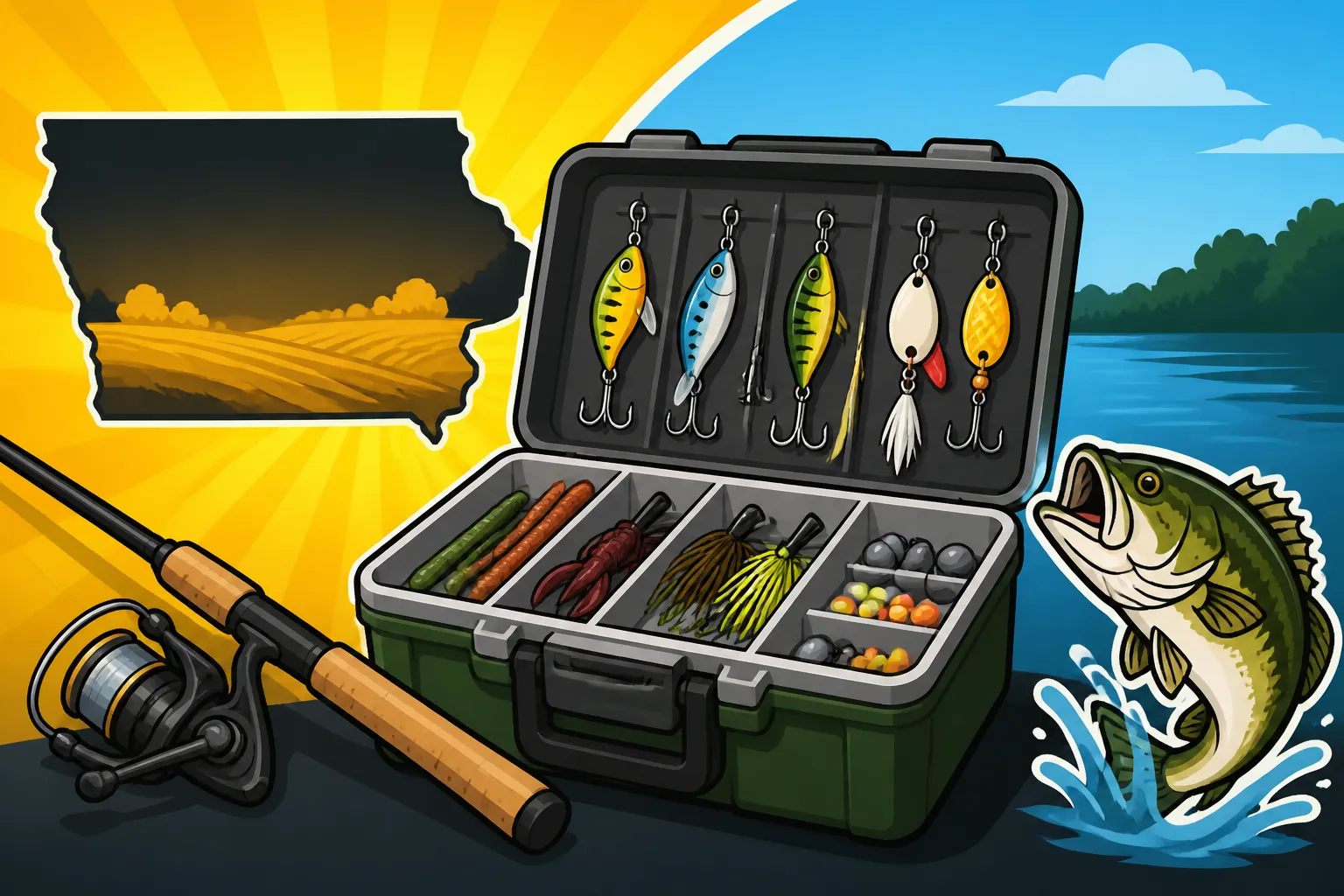
Now for the fun part: filling your tackle box! The trick for a beginner in Iowa is to focus on versatile baits and lures that are proven fish-catchers for multiple species, rather than highly specialized items. We want a solid foundation that will get you bites across various water bodies and conditions.
Panfish Favorites: Bluegill and Crappie Go-Tos
Panfish like bluegill, sunfish, and crappie are fantastic for beginners. They're abundant, relatively easy to catch, and a blast on light tackle. For bluegill and other small sunfish, simplicity is king. You'll want a selection of small hooks (sizes #8 to #12 are great) and small split shot weights. The classic setup is a tiny piece of worm, a waxworm, or a kernel of corn under a small bobber. If you're using artificials, small marabou jigs or tiny soft plastic grubs (1-inch to 1.5-inch) in bright colors (chartreuse, white, pink) fished under a bobber or slowly retrieved work wonders. Consider picking up a few Best Budget Spinning Combo for Panfish to match these light offerings.
For crappie, you'll need slightly larger hooks (sizes #4 to #6) and a few small jigs. My personal favorites are 1/16 oz or 1/8 oz jig heads paired with 2-inch or 2.5-inch curly-tail grubs, paddle tails, or tube jigs. White, chartreuse, black/chartreuse, and electric chicken are killer colors in Iowa waters. Minnows are also deadly for crappie, fished on a plain hook or tipped on a jig. Crappie Daily Limit in Iowa can vary, so always check the local regulations before you head out. These versatile baits will get you bites in almost any Iowa lake or pond.
Bass Basics: Versatile Lures for Largemouth and Smallmouth
Iowa has excellent bass fishing, both for largemouth in ponds and slower rivers, and smallmouth in clearer rivers and some lakes. For a beginner tackle box, focus on lures that are easy to cast and retrieve, yet effective. Spinnerbaits are a fantastic starting point – they’re fairly weedless and flash beautifully, attracting bass. A 3/8 oz spinnerbait in white/chartreuse or a natural baitfish color is a great all-rounder.
Soft plastics are also a must. Texas-rigged worms or creature baits (like a Senko or a small crawfish imitation) are incredibly versatile. You'll need some bullet weights (1/8 oz to 1/4 oz) and wide-gap hooks (sizes 3/0 or 4/0) for these. Topwater lures, like a popper or a walking bait, offer exciting strikes, especially in low light conditions. Crankbaits that dive to different depths are also excellent; start with a medium-diving model in a shad or crawfish pattern. Remember to check the Minimum Length Limit for Bass in Iowa Public Lakes to ensure you're compliant with regulations. These selections offer a good range for probing different parts of the water column and imitating various bass forage.
Catfish Cuties: Baits That Bring in the Big Ones
Iowa is a catfish paradise! From channel cats to flatheads, these powerful fish are abundant and delicious. The good news is, catfish aren't typically picky eaters. For your tackle box, focus on baits with strong scent and durability. Prepared stink baits, chicken livers, cut bait (like pieces of shad or bluegill), or nightcrawlers are all excellent choices. You'll want to pair these with sturdy hooks – circle hooks in sizes #2/0 to #5/0 are fantastic for catfish because they're designed to hook the fish in the corner of the mouth, reducing gut-hooking and making release easier if you choose to.
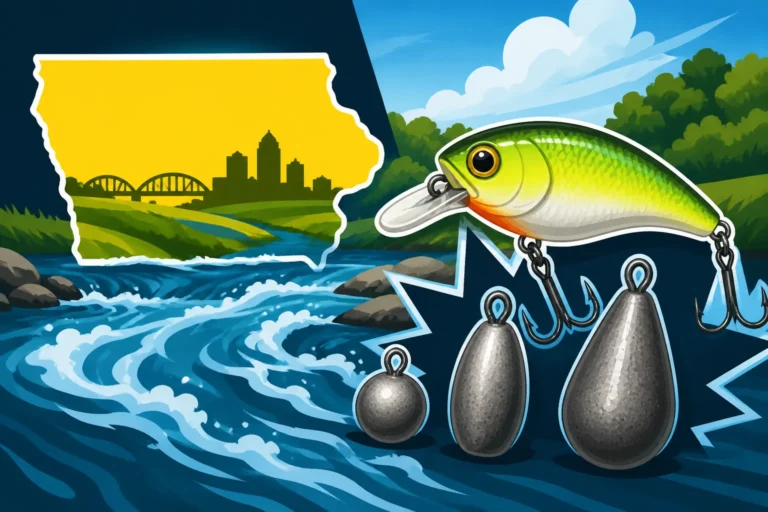
Heavy sinkers are often needed to hold your bait on the bottom, especially in river currents. A selection of bell sinkers or flat 'no-roll' sinkers from 1/2 oz to 2 oz will cover most situations. A basic slip-sinker rig is a go-to for catfish: line, then sinker, then bead, then swivel, then a leader, and finally your hook. This allows the fish to pick up the bait without feeling the weight of the sinker. Don't forget to check the Channel Catfish Daily Limit in Iowa before your trip! Having a variety of strong, smelly baits and robust terminal tackle will prepare you for a fun day chasing these whiskered warriors.
Walleye Wonders: Effective Lures for Iowa's Prized Catch
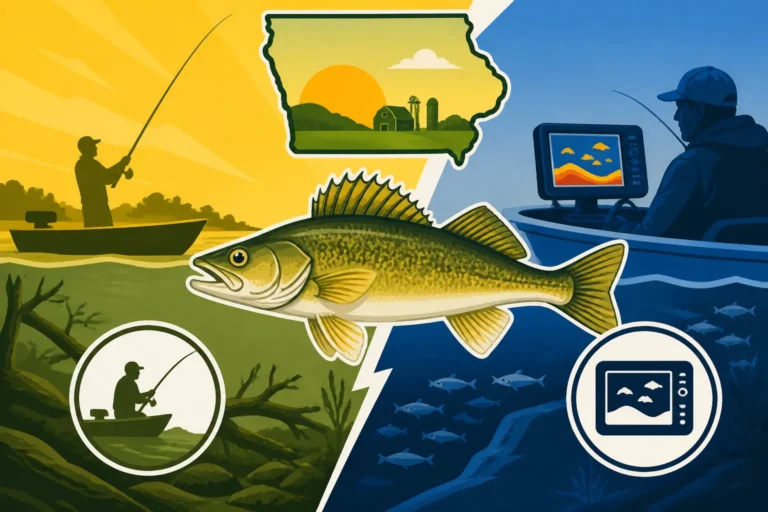
Walleye are a highly sought-after game fish in Iowa, known for their delicious fillets and tricky behavior. For beginners, it's wise to start with a few fundamental walleye presentations. Jigs are incredibly versatile and effective. A 1/8 oz to 1/4 oz jig head tipped with a minnow or a soft plastic grub (like a Berkley Gulp! Minnow) is a classic walleye killer. Colors like chartreuse, white, orange, and black are generally reliable. You can easily find these at stores like Amazon.
Spinner rigs (often called "crawler harnesses") are another staple, especially when trolling or drift fishing. These consist of a weight, a clevis with a blade (Colorado or Indiana styles are popular), beads, and two snelled hooks. They're typically baited with a nightcrawler. Knowing How to Rig a Crawler Harness for Walleye is a fundamental skill. Crankbaits are also very effective, particularly for covering water or targeting fish at specific depths. Start with a couple of medium-diving crankbaits in natural baitfish patterns (shad, perch) and one in a brighter, more aggressive color (firetiger, clown). Having a good Best Rod and Reel Guide for Iowa Anglers can help you select a setup suitable for walleye.
Terminal Tackle: The Small but Mighty Essentials
While the flashy lures get all the attention, it's the terminal tackle – the hooks, sinkers, swivels, and bobbers – that are the true workhorses of your setup. These small items connect you to the fish, and having the right selection is non-negotiable for a successful day.
Hooks: Sizes and Styles for Every Target
You don't need dozens of different hook types, but a good selection of sizes and a couple of styles will serve you well.
- J-Hooks (Aberdeen or Baitholder): These are the traditional curved hooks, great for panfish (size #8, #10), worms, and general bait fishing. Baitholder hooks have small barbs on the shank to keep soft baits from sliding down.
- Circle Hooks: As mentioned for catfish, these are excellent for larger fish (size #2/0 to #5/0) because they are designed to hook in the corner of the mouth when the fish takes the bait and pulls away, reducing deep hooking. This is particularly good if you plan on catch and release.
- Wide Gap Hooks: Primarily used for Texas rigging soft plastics for bass (size 3/0, 4/0), these hooks allow the plastic to slide up, exposing the hook point for a solid hookset.
Having a few packs of assorted hooks will get you started. Focus on quality over quantity – sharper hooks penetrate better, leading to more hooked fish. Stores like Bass Pro Shops offer great starter kits with various hook sizes. For specific panfish needs, know your Best Hook Size for Crappie Jigs.
Sinkers and Weights: Getting Your Bait Down
Sinkers are essential for getting your bait or lure to the desired depth and for casting farther.
- Split Shot Weights: These small, pinch-on weights are perfect for adding just a little extra casting distance or for getting a small bait to sink slowly. Keep a variety of sizes (from BB to 1/4 oz) on hand for panfish or finesse presentations.
- Bullet Weights: Tapered to move smoothly through weeds and cover, these are primarily used for Texas rigging soft plastics for bass. A selection of 1/8 oz, 1/4 oz, and 3/8 oz will cover most situations.
- Bell Sinkers/Egg Sinkers: These heavier weights are ideal for bottom fishing, especially for catfish or walleye in current. Sizes from 1/2 oz to 2 oz are versatile. Egg sinkers slide freely on your line, which is great for a slip-sinker rig, while bell sinkers can be tied directly to a leader. You'll want to know your Best Pound Test Line for Catfish Fishing on Iowa Rivers to ensure your line can handle the weight and the fight.
Swivels and Snaps: Preventing Line Twist and Quick Changes
These small pieces of hardware might seem insignificant, but they play a crucial role.
- Barrel Swivels: These help prevent line twist, especially when using baits that spin (like spinnerbaits or some spoons) or if you're retrieving line in current. They also serve as a connection point between your main line and a leader, which can be useful when targeting species with sharp teeth like northern pike. A size 10 or 12 is a good all-around choice.
- Snap Swivels: Combining a swivel with a snap, these allow for quick and easy lure changes without having to re-tie your line every time. They're incredibly convenient for experimenting with different lures or colors. Just be mindful that the snap can sometimes be a weak point in your line if it's too small for the fish you're targeting. Sizes #7 to #10 are good for most freshwater applications.
Using quality swivels and snaps, even from a common source like Amazon, can save you from lost lures and broken lines.
Floats and Bobbers: Visual Cues for Bites
For many beginners, a bobber is synonymous with fishing, and for good reason! They provide a clear visual indicator of a bite and help suspend your bait at a specific depth.
- Clip-On Bobbers: The classic red and white plastic bobber is a staple. Easy to attach and remove, they're perfect for still fishing with worms for panfish or even light bass presentations. A few different sizes will allow you to match the weight of your bait.
- Slip Bobbers: These are a step up in versatility. A slip bobber slides freely on your line, stopping at a small bobber stop knot you tie to set your desired depth. This is invaluable when you need to fish deeper than a fixed bobber would allow, or when casting a long distance. They are particularly effective for crappie and walleye, allowing your bait to reach deeper schools of fish while still giving you that visual bite indicator. Learning How to Fish a Slip Bobber can really open up new fishing opportunities.
Tools and Accessories: The Unsung Heroes of Your Tackle Box
Your tackle box isn't just for hooks and lures; it also needs a collection of essential tools and personal items that will make your trip safer, more efficient, and more enjoyable. These are the items you often don't think about until you desperately need them.
Pliers, Clippers, and Forceps: Handling Hooks and Line
These tools are your hands-on assistants for almost every fishing task.
- Fishing Pliers: A good pair of multi-purpose fishing pliers is indispensable. They're crucial for safely removing hooks from fish, cutting line (especially braided line), crimping weights, and even tightening knots. Look for a pair with a comfortable grip, rust-resistant materials (stainless steel is good), and a sturdy cutter. Some even come with a split ring opener, which is handy for changing hooks on lures.
- Line Clippers: While pliers can cut line, dedicated line clippers (like nail clippers) are often quicker and more precise for trimming tag ends of knots. Keep them on a lanyard around your neck or attached to your vest for easy access. They make a huge difference in the speed and neatness of your knot tying.
- Forceps/Hemostats: These are invaluable for carefully removing small hooks, especially from panfish with small mouths or when a fish has swallowed the hook a bit deeper. Their long, slender jaws allow you to reach in without damaging the fish, increasing survival rates for catch-and-release.
Investing in decent quality versions of these tools will save you a lot of frustration and make handling fish much safer for both you and the fish.
Measuring and Weighing Tools: Respecting Limits
As responsible anglers, it's our duty to know and respect Iowa's fishing regulations. Having the right tools on hand ensures you're compliant and helps you accurately record your catches.
- Measuring Tape or Board: Many fish species in Iowa have minimum length limits. A small, retractable measuring tape or a compact measuring board (often marked with common species limits) is essential. Quickly and accurately measuring your fish before deciding to keep or release it prevents legal issues and promotes healthy fish populations. Remember to check the Iowa Fishing Regulations Explained for species-specific rules.
- Small Scale: While not strictly necessary for every trip, a small digital or spring scale can be fun for weighing your catches and tracking your personal bests. It’s also important if you're targeting trophy fish or participating in friendly competitions where weight matters. Many anglers enjoy knowing how their fish compare to the Iowa State Record Walleye Weight or other state records. Just make sure it's accurate and can handle the average size of fish you expect to catch.
First Aid and Personal Items: Safety First on the Shore
Fishing is generally a safe activity, but accidents can happen. Being prepared with a few personal essentials can make all the difference.
- Small First-Aid Kit: This is a non-negotiable item. A basic kit should include band-aids, antiseptic wipes, pain relievers, and perhaps some bug bite cream. A hook lodged in a finger or a scrape on a rocky bank can quickly ruin a day if not properly addressed.
- Sunscreen and Insect Repellent: Iowa summers mean sun and bugs. Protect your skin from harmful UV rays and ward off annoying mosquitoes and ticks, especially when fishing near tall grasses or wooded areas.
- Water Bottle/Snacks: Staying hydrated and energized is crucial, particularly on longer outings. Pack a reusable water bottle and a few non-perishable snacks like granola bars or trail mix. A Best Cooler for Keeping Fish Fresh can also double as a place to keep your drinks cool.
- Small Towel: Handy for wiping hands after handling fish or bait, or for cleaning up spills.
These items might not directly help you catch fish, but they contribute immensely to a comfortable and safe fishing experience, allowing you to focus on the fun.
Organizing Your Tackle Box for Success on Iowa Waters
You've got the gear, now let's talk organization. A well-organized tackle box is more than just tidy; it's a strategic advantage that allows for quick decisions and smooth transitions on the water. No one wants to miss a bite because they're rummaging through a tangled mess of lures and line.
Categorizing by Species or Lure Type
One of the most effective ways to organize is by creating logical groupings. You could dedicate certain compartments or utility boxes to specific fish species. For example, one box for "Panfish Pointers" with your small jigs, bobbers, and tiny hooks. Another for "Bass Busters" containing your spinnerbaits, soft plastics, and bullet weights. And a "Catfish Corner" for your circle hooks, heavy sinkers, and maybe a small container of stink bait. This makes it incredibly easy to grab the right box for the species you're targeting that day.
Alternatively, you might organize by lure type – one area for crankbaits, another for jigs, another for soft plastics, and so on. This works well if you often target multiple species with similar lure types. Within each category, further organize by size or color. For instance, all your small chartreuse crappie jigs together, and then all your white ones. This systematic approach ensures that you're not just throwing everything in haphazardly, which is exactly what leads to frustrating fishing moments.
Labeling and Easy Access
Once you've categorized your gear, labeling is your best friend. For soft-sided tackle bags that use utility boxes, use a permanent marker or small labels on the outside of each box to clearly state its contents (e.g., "Crappie Jigs," "Bass Plastics – Worms," "Catfish Rigs"). This way, you can quickly pull out the exact box you need without opening five others.
For smaller compartments within hard tackle boxes, try to keep frequently used items (like a particular size of split shot or a common hook size) in the most accessible trays. Place less frequently used or highly specialized items in deeper, less accessible compartments. The goal is to minimize rummaging. When you're in the moment, trying to re-tie a line after a snag, you want to be able to instinctively reach for your clippers or the right size hook without even looking. Easy access means less frustration and more time with your line in the water.
Seasonal Adjustments to Your Setup
Iowa fishing is a year-round sport, with distinct seasons impacting fish behavior and the techniques needed to catch them. What works in spring might not be effective in summer or fall, let alone winter ice fishing. A smart angler understands the importance of Iowa Fishing Seasons Explained and adjusts their tackle box accordingly.
For spring, you might emphasize pre-spawn bass lures, smaller crappie jigs, and lighter tackle for the first panfish bites. As summer heats up, you might swap in more topwater lures for bass, heavier weights for deep-water catfish, and a wider variety of crankbaits. Fall fishing often means larger, more aggressive presentations for feeding fish. And if you venture out for Ice Fishing in Iowa, you'll need a completely different setup of short rods, small jigs, and specialized ice fishing baits, likely in a separate, dedicated ice fishing tackle box. Regularly reviewing and rotating your tackle based on the season and your target species will keep your box optimized and ready for whatever Iowa's waters throw your way.
Disclaimer
This article is for general informational purposes only and does not constitute professional advice. Laws, prices and regulations vary by location and change over time. Consult a qualified professional for guidance on your specific situation.