Catfish Possession Limits
There’s nothing quite like the thrill of reeling in a big catfish from an Iowa river or lake. That deep bend in the rod, the powerful fight, and the promise of a delicious meal later – it’s a quintessential Midwestern fishing experience. But amidst all that excitement, it’s easy to get caught up and forget about the rules that govern how many of these whiskered beauties you can actually keep. Many anglers grapple with the nuances of daily limits versus possession limits, especially when planning a multi-day trip or fishing different bodies of water. This guide is here to untangle those rules, specifically focusing on Iowa's catfish possession limits, ensuring your fishing adventures remain both fruitful and fully compliant with the Iowa Department of Natural Resources (DNR).
Understanding Iowa's General Catfish Possession Limits
Navigating fishing regulations can sometimes feel like trying to read a legal document written in a foreign language. But when it comes to catfish in Iowa, understanding the core rules is fundamental to a responsible and enjoyable outing. The Iowa DNR sets these limits with the health of our fisheries in mind, making sure there are plenty of fish for everyone, now and in the future.
The Statewide Daily Limit
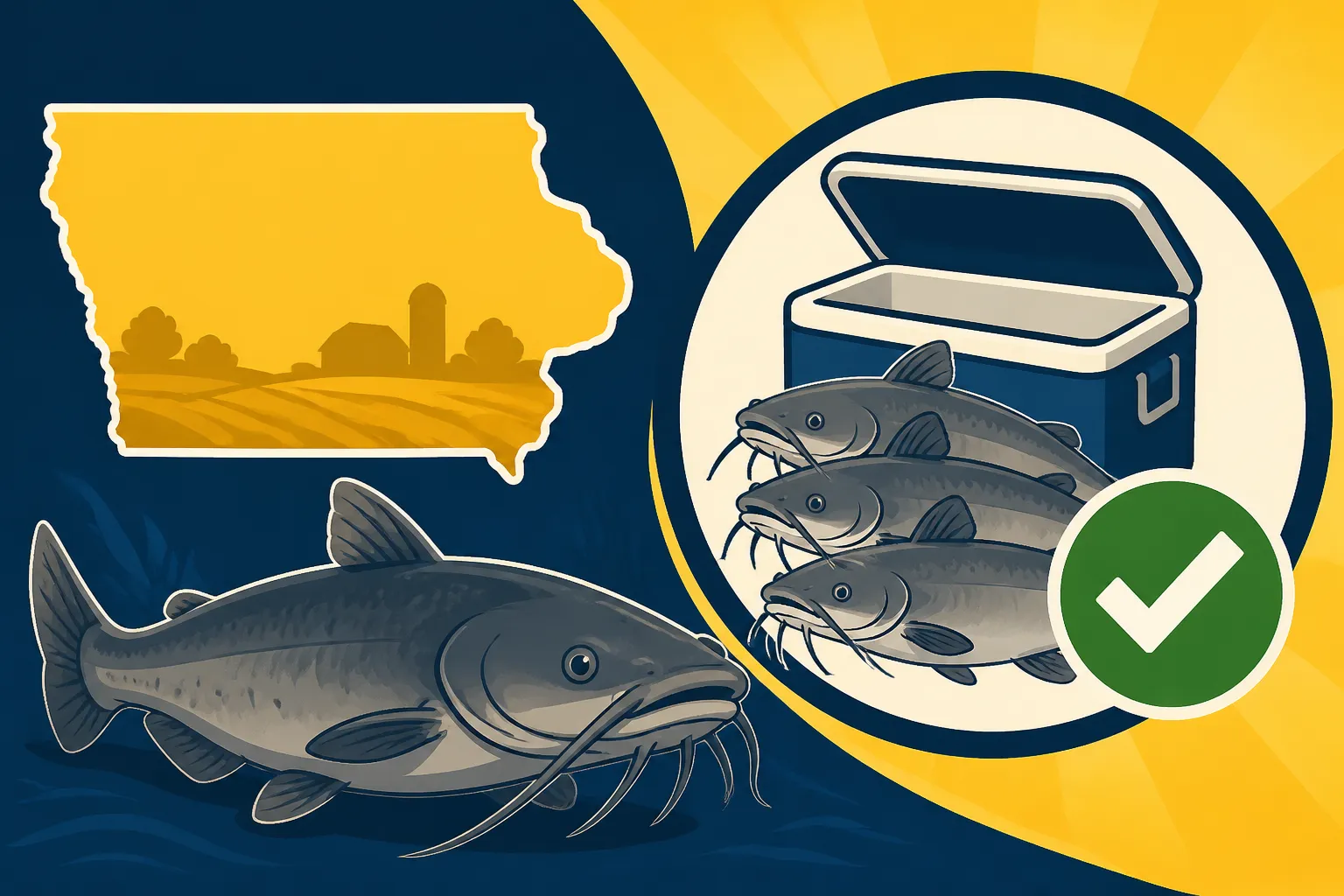
Let's start with the daily limit, which often gets confused with the possession limit. For most of Iowa's public waters, the statewide daily limit for Channel Catfish is 15 fish. For Flathead Catfish, it's generally 5 fish. What does "daily limit" mean in practice? It refers to the maximum number of fish of a specific species that you can legally take and keep in a single calendar day (from midnight to midnight). So, if you hit your limit of 15 Channel Cats by noon, you can't go back out later that day and catch more to keep, even if you’ve already given some away or eaten them. You've met your quota for that particular day.
This rule is pretty straightforward when you're just out for a morning or afternoon of fishing. You catch your limit, you head home, and you're good. The confusion often creeps in when anglers are planning longer trips, staying at a cabin, or camping by the lake for several days. That's where the possession limit truly comes into play, acting as an overarching cap on the total number of fish you can have on hand. It's designed to prevent someone from catching a daily limit every day of a week-long trip and ending up with an unsustainably large haul.
Why Limits Exist: Conservation and Sustainability
The Iowa DNR isn't just making up these numbers to make your life harder – quite the opposite. These limits are carefully determined by fisheries biologists who study fish populations, spawning success, growth rates, and angler pressure. The goal is simple: to conserve Iowa's precious aquatic resources and ensure sustainable fishing opportunities for generations to come. Without limits, it wouldn't take long for popular species like Channel Catfish to become overfished in certain areas, leading to declines in population and ultimately, less enjoyable fishing for everyone.
Think about it this way: if every angler kept every fish they caught, especially the larger, more prolific breeders, our lakes and rivers would quickly be depleted. The daily and possession limits act as a form of resource management, ensuring that enough fish remain in the system to reproduce and maintain a healthy balance. It's a delicate ecosystem, and every angler plays a part in its protection. So, while it might sometimes feel restrictive, remember that these rules are an investment in the future of Iowa fishing.
Special Considerations for Specific Water Bodies
Iowa isn't just one big homogenous fishing ground; it's a diverse landscape of rivers, lakes, and reservoirs, each with its own quirks and, sometimes, its own specific regulations. What applies statewide might have slight adjustments when you're fishing a major border river or a popular inland lake. Ignoring these localized rules can lead to an unexpected citation, which no one wants on their fishing trip.
Catfish Limits on Border Rivers
Fishing the mighty Mississippi River or the majestic Missouri River in Iowa offers incredible opportunities, but it also introduces an extra layer of regulatory complexity. These rivers form borders with neighboring states, and understanding the reciprocal agreements is absolutely crucial. For instance, the Mississippi River is often subject to different rules, and you might find that the Iowa Fishing Regulations on the Mississippi River Border have specific daily or possession limits for certain species, including catfish, that differ from inland waters. Generally, if you have a valid Iowa fishing license, you can fish in the Iowa waters of these border rivers, and sometimes even into the main channel and across to the neighboring state's waters, provided you adhere to the most restrictive rules that apply. This is where the concept of Reciprocal Fishing Rules on the Mississippi River Border becomes vital – it means Iowa and states like Wisconsin, Illinois, and Nebraska have agreements that allow licensed anglers from either side to fish certain shared waters. Always, and I mean always, double-check the current regulations booklet or the Iowa DNR website before heading out to these boundary waters, as limits can vary slightly year to year or pool to pool. The daily limit for Channel and Flathead Catfish on the Mississippi River, for example, is often a generous 25 per day, with a possession limit of 50, reflecting the vastness and productivity of the river system compared to smaller inland bodies of water.
Unique Regulations for Lakes and Reservoirs
While many inland lakes and reservoirs adhere to the general statewide catfish limits (15 daily for Channel Catfish, 5 for Flathead Catfish), some specific bodies of water are managed more intensively and may have unique rules designed to enhance their fisheries. Two prominent examples often cited are Rathbun Lake and Saylorville Reservoir.
At Rathbun Lake in Iowa, known as a premier crappie and catfish destination, you might encounter specific management strategies. For a long time, Rathbun Lake had a combined daily possession limit of 25 Channel Catfish, which was a higher take than the statewide limit, recognizing the lake's incredible catfish production. However, regulations change, so it's imperative to confirm the current Catfish Limit on Rathbun Lake before your trip. These specialized limits are put in place because the DNR has specific goals for that particular fishery, perhaps to reduce competition for food, manage population density, or promote larger individual fish.
Similarly, Saylorville Reservoir near Des Moines is another popular spot for catfish anglers. While it often follows statewide regulations, specific areas or management zones might sometimes have slight variations. It’s always best to check the current Catfish Limit on Saylorville Reservoir to ensure you're fishing within the rules. These nuanced rules are why I always recommend picking up the latest Iowa Fishing Regulations booklet from your local bait shop or downloading the PDF from the DNR website. It’s a small effort that can save you a big headache later. Don’t rely solely on what you remember from last year, or what your buddy heard, because regulations can and do evolve.
Distinguishing Between Daily and Possession Limits
This is where many anglers, even seasoned ones, can get a bit muddled. The terms "daily limit" and "possession limit" are often used interchangeably in casual conversation, but in the eyes of the Iowa DNR, they are distinct and carry significant implications for how you manage your catch, especially on extended trips. Understanding the difference isn't just about avoiding a fine; it's about being a knowledgeable and respectful angler who understands the spirit of conservation.
The "Daily Limit" Explained
As we touched on earlier, the daily limit is the number of fish of a specific species you are allowed to harvest in a single calendar day, from 12:00 AM to 11:59 PM. It’s a snapshot of your take over a 24-hour period. Once you've caught and kept that maximum number, your fishing for that species for that day is effectively over, regarding keeping fish. You can still fish, of course, and practice catch-and-release, but you cannot put any more of that species in your cooler or livewell.
Let's imagine you're out on the Des Moines River, targeting Channel Catfish. The statewide daily limit is 15. You and your friend, both licensed anglers, are having an amazing morning and by 10 AM, you've each caught and kept 15 beautiful Channel Cats. Your daily limit is met. Even if the bite is still hot, you cannot keep any more Channel Catfish for the remainder of that day. You can switch to a different species that has its own separate limit, or simply enjoy the thrill of catch-and-release, but those 15 fish are your daily allowance. This ensures that fishing pressure on a particular species is spread out and that individual anglers don't decimate a localized population in a single intense day of fishing.
The "Possession Limit" Explained
Now, the possession limit is where things get interesting, particularly for those multi-day fishing excursions. The possession limit refers to the total number of fish of a particular species that an individual can have in their physical possession at any given time, regardless of when or where they were caught. This includes fish in your livewell, cooler, boat, vehicle, camp, cabin, home freezer, or even those you might be transporting for others. It’s a cumulative total.
For Channel Catfish, the statewide possession limit is typically double the daily limit, meaning 30 fish. For Flathead Catfish, it's generally 10 fish. This distinction is critical. Let's revisit our Des Moines River scenario. You caught 15 Channel Catfish on Monday, reaching your daily limit. You put them on ice. On Tuesday, you go out again and catch another 15 Channel Catfish, reaching your daily limit for that day. You now have 30 Channel Catfish in your cooler or freezer at your cabin. This is perfectly legal because your total possession (30) does not exceed the statewide possession limit (30). However, if you went out on Wednesday and caught another 15, you would then have 45 fish. This would put you 15 fish over your possession limit of 30, even though you only caught 15 that day. That's a violation.
The key takeaway is that the possession limit is the absolute ceiling for the total number of fish you can accumulate. If you're on a multi-day trip, you'll need to manage your catch carefully. Some anglers choose to clean and cook fish each night, or give some away to friends or family (ensuring they don't exceed their own possession limits). Others simply stop fishing for a species once they've reached their possession limit, regardless of how many days they've been out. It’s about being mindful of your total haul, not just your daily tally.
Here's a quick comparison of typical Iowa Catfish limits:
| Catfish Species | Statewide Daily Limit | Statewide Possession Limit | Mississippi River Daily Limit | Mississippi River Possession Limit |
|---|---|---|---|---|
| Channel Catfish | 15 fish | 30 fish | 25 fish | 50 fish |
| Flathead Catfish | 5 fish | 10 fish | 25 fish | 50 fish |
| Bullhead Species | No daily limit | No possession limit | No daily limit | No possession limit |
Note: Always consult the current Iowa Fishing Regulations booklet for the most up-to-date and specific regulations for the water body you intend to fish. These are general guidelines.
Staying Compliant: Tips and Best Practices
Nobody wants to have their fantastic fishing trip ruined by a run-in with a conservation officer over a simple misunderstanding of the rules. Staying compliant with Iowa's catfish possession limits, and all other fishing regulations, really comes down to a few key habits. These aren't just about avoiding penalties; they're about being a responsible steward of our natural resources and showing respect for the hard work the Iowa DNR puts into managing these fisheries.
Carrying Your License and Knowing the Rules
First and foremost, always ensure you have a valid Iowa Fishing License Guide. This sounds obvious, but you’d be surprised how many people forget theirs or realize it’s expired just as they’re casting their first line. The Iowa DNR offers various options, from an Iowa Resident Annual Fishing License to specific nonresident options like the Iowa One-Day Fishing License or Iowa Three-Day Nonresident Fishing License. Whatever your situation, make sure it’s current and accessible. Many anglers now keep a digital copy on their phone via the Buying an Iowa Fishing License on the GoOutdoors App, which is incredibly convenient.
Beyond just having the license, you absolutely need to know the rules. Don't assume. Regulations can change year to year, or even be updated mid-season if a pressing conservation issue arises. The most reliable way to stay informed is to grab a copy of the official Iowa Fishing Regulations Explained booklet. These are usually available free of charge wherever licenses are sold, such as bait shops, sporting goods stores, or county recorders' offices. Alternatively, download the PDF version directly from the Iowa DNR website. Before every trip, especially to a new body of water, take a few minutes to review the specific regulations for the species you intend to target and the location you'll be fishing. It's a small investment of time for peace of mind.
Field Dressing and Storage Considerations
This is a critical point that can trip up even experienced anglers when it comes to possession limits. When you field dress your catfish, especially if you fillet them, you need to be careful not to make them unidentifiable until you are done fishing for the day and are at your final destination (like your home or a processing facility). The Iowa DNR regulations often state that you must keep a portion of the skin or a fillet of a size that allows for species identification and counting towards your limit. Why? Because if all you have are boneless, skinless fillets, it becomes impossible for a conservation officer to verify the species, length, or number of fish you've caught against the established daily and possession limits.
Let's say you've got a cooler full of freshly caught catfish fillets. If they're all skinless, an officer might have to count them as the maximum possible number of fish, or worse, issue a citation because they can't be identified. A good practice, if you're going to fillet at the lake or river, is to leave a small patch of skin on each fillet. This patch, typically about a square inch or two, is enough for identification. Keep the fish whole if you're unsure, or only fillet them once you've truly finished fishing for the day and are either heading home or to a place where they'll be fully processed for storage. Proper storage, like using a quality cooler with plenty of ice (you can find great options on Amazon), is also key to keeping your catch fresh and preserving its integrity until you're ready to fully clean it.
What Happens If You Exceed the Limit?
Exceeding the daily or possession limit isn't just a minor infraction; it's a violation of Iowa fishing laws and can carry significant consequences. The penalties can range from substantial monetary fines to the loss of your fishing privileges. For instance, if you are caught with more fish than the legal Penalties for Exceeding the Daily Bag Limit allows, you could be facing a hefty Fine Amount for Fishing Without a License in Iowa (even though you have a license, violating bag limits falls under similar enforcement).
Beyond the financial hit, conservation officers have the authority to confiscate your illegal catch, and in more serious cases, even your fishing equipment, boat, or vehicle. Imagine losing your favorite rod and reel, or even your boat, because you weren't careful about counting your fish or understanding the possession rules. A conviction for exceeding limits could also lead to points on your fishing record, potentially resulting in the suspension or revocation of your fishing license for a period of time. It's a pretty severe outcome for something that can easily be avoided with a little attention to detail. Always err on the side of caution. If you think you might be close to a limit, measure and count twice, and when in doubt, release the fish.
Catfish Species: Identification and General Habits
While often grouped under the general term "catfish," Iowa waters are home to several distinct species, and their individual characteristics and behaviors can influence your fishing approach and, crucially, their specific limits. Understanding these differences isn't just for biologists; it helps you become a more effective and compliant angler.
Channel Catfish vs. Flathead Catfish
These are the two heavy hitters of Iowa's catfish scene, and distinguishing between them is important because their daily and possession limits differ significantly in many waters.
Channel Catfish are probably the most commonly caught catfish in Iowa. They're often silver-gray with dark spots (though these spots can fade in larger, older fish), have a deeply forked tail, and a smooth, scaleless body. Their heads are relatively small and cone-shaped. Channels are omnivores, readily taking a variety of baits from worms and cut bait to stink baits and even artificial lures. They are abundant in nearly all Iowa rivers and many lakes and reservoirs, making them a primary target for many anglers. If you want to learn more about targeting these fish, our guide on Channel Catfish Fishing in Iowa offers extensive tips.
Flathead Catfish, on the other hand, are a different beast entirely. They have a flattened, broad head (hence the name) with a protruding lower jaw. Their bodies are typically mottled brown or yellow-brown, giving them a camouflaged appearance, and their tails are square or slightly notched, not deeply forked like a Channel Cat. Flatheads are primarily piscivores, meaning they prefer live bait – live bluegills, sunfish, or chubs are prime choices. They also tend to hide in heavier cover, like log jams and undercut banks, preferring slower currents in rivers and deeper structure in large reservoirs. Our article on Flathead Catfish Habitat and Behavior dives deeper into where to find these elusive giants. The key difference in appearance – the head shape and tail fin – are the easiest ways to distinguish them at a glance. For a more detailed look, check out our comparison of Channel Catfish vs Flathead Catfish Differences.
Bullheads and Other Catfish Species
Beyond the Channel and Flathead, Iowa also has a healthy population of Bullheads. These smaller, hardier catfish species are often overlooked by anglers targeting bigger fish, but they offer fantastic fishing, especially for families and beginners. The most common bullhead species in Iowa are the Black, Yellow, and Brown Bullheads. They are characterized by their rounded tails (not forked), smaller size, and often darker coloration. They thrive in a wider range of habitats, including murky ponds and slow-moving streams where other catfish might struggle.
The great news for bullhead enthusiasts is that in Iowa, there are typically no daily or possession limits on bullheads. This means you can keep as many as you can reasonably use or process! This makes them a perfect target for an all-day family outing without the worry of counting fish or exceeding limits. However, always verify this in the current regulations, as localized rules can sometimes apply. Understanding Bullhead Fishing Basics can open up a whole new world of angling fun. If you've ever wondered about the subtle differences between these smaller whiskered fish and their larger cousins, our piece on the Difference Between a Bullhead and a Catfish offers a clear explanation.
Disclaimer
Please remember that fishing regulations, including possession limits, can change. This guide is intended for informational purposes based on generally applicable Iowa fishing laws at the time of writing. It is your responsibility to consult the most current Iowa Fishing Regulations published by the Iowa Department of Natural Resources (DNR) before heading out to fish. Always check for specific rules pertaining to the water body you plan to fish, as some lakes, rivers, or border waters may have special regulations that supersede statewide rules.