Best Cooler for Keeping Fish Fresh
There's nothing quite like the thrill of reeling in a beautiful catch from one of Iowa's stunning lakes or rivers. But that excitement can quickly turn to disappointment if your hard-earned fish spoils before it even makes it to your kitchen. The truth is, keeping your fish fresh isn't just about throwing it in any old cooler with some ice; it's a critical step that ensures the quality, flavor, and safety of your meal. This comprehensive guide is here to walk you through everything you need to know about choosing and using the best cooler to preserve your catch, ensuring every fishing trip ends with delicious, fresh fish.
Why a Quality Cooler Matters More Than You Think
Many anglers, especially those just starting out, often view a cooler as just a box for ice. But that couldn't be further from the truth when it comes to preserving your fish. A high-quality cooler is an essential piece of gear that directly impacts the success of your fishing adventure, long after the last cast. It's an investment in your harvest, safeguarding its journey from water to table.
Protecting Your Catch's Quality and Flavor
Imagine spending hours on the water, battling a feisty walleye or a powerful channel catfish, only to have its delicate flesh degrade due to improper storage. This is a common and disheartening scenario for many anglers. When fish are exposed to warm temperatures for too long, enzymes and bacteria begin to break down the flesh, leading to a mushy texture, fishy odor, and a less-than-pleasant taste. A premium cooler acts as a cold sanctuary, halting this degradation process immediately. By maintaining a consistently low temperature, it locks in the natural flavors, preserves the firm texture, and ensures that when you finally prepare your meal, it's as fresh and delicious as possible. Think of it as a crucial step in the culinary journey of your fish, starting right there on the boat or shore.
Without proper cooling, the proteins in the fish begin to denature, and fats can start to oxidize, leading to that distinct "old fish" taste that no amount of seasoning can completely mask. This isn't just about preference; it's about respecting the fish and your effort as an angler. A well-chilled fish fillets more easily, cooks better, and provides a far more satisfying dining experience. It means the difference between a memorable meal and a regrettable one, making your choice of cooler a pivotal part of your overall fishing strategy.
Food Safety: Avoiding Spoilage and Contamination
Beyond just taste and texture, there's a serious health aspect to consider: food safety. Fish, like any perishable food, is a breeding ground for bacteria if not kept at a safe temperature. The "danger zone" for bacterial growth is typically between 40°F and 140°F. Leaving your freshly caught fish in a warm livewell, on a stringer in warm water, or in a poorly insulated cooler, allows harmful bacteria like salmonella or listeria to multiply rapidly. This isn't just about "fish going bad"; it's about potentially getting very sick.
A well-insulated cooler, properly packed with ice, keeps your fish well below that danger zone, usually hovering just above freezing. This significantly slows down bacterial growth, reducing the risk of foodborne illnesses. This peace of mind is invaluable, especially if you're fishing with family or plan to share your bounty. Ensuring your catch is safe to eat starts with immediate and effective cooling. It's a non-negotiable step for responsible angling, just as much as understanding Iowa Fishing Regulations Explained or adhering to Iowa Fishing Daily Bag Limits Guide. You want to enjoy your catch, not risk your health over it.
Legal Compliance and Ethical Angling
While there isn't typically a specific regulation stating "thou shalt use a high-performance cooler," the spirit of fishing regulations and ethical angling often implies proper fish care. Many regulations focus on fair chase, harvest limits, and preventing waste. Allowing a legal catch to spoil due to negligence could be seen as wasteful, undermining the principles of sustainable fishing. Furthermore, game wardens occasionally inspect coolers to ensure compliance with size and bag limits; a cooler full of fresh, properly stored fish demonstrates respect for the resource and the law.
Ethical angling also extends to how you treat the fish after it's caught, particularly if you intend to harvest it. Immediate and proper cooling is a humane way to preserve the animal you've taken, ensuring its sacrifice isn't in vain. It reflects a commitment to minimizing waste and maximizing the utility of your catch. So, while you might not get a ticket for a lukewarm cooler, investing in good cold storage is a quiet nod to responsible stewardship and ensures you're ready for any inspection, focusing on the joy of Iowa Fishing Techniques Guide rather than worry.
Key Features to Look for in a Top-Tier Fishing Cooler
Choosing the right cooler can feel a bit overwhelming with so many options out there. But when it comes to keeping your fish fresh, there are a few core features that truly stand out and make all the difference. These aren't just fancy add-ons; they are the fundamental building blocks of a cooler that performs under pressure, trip after trip, no matter the Iowa weather.
Insulation: The Heart of the Cooler's Performance
The single most critical factor in a cooler's ability to keep your fish fresh is its insulation. This is what prevents the cold from escaping and the warmth from seeping in. Forget flimsy, thin-walled coolers; you're looking for serious thermal protection. The best fishing coolers feature thick, pressure-injected polyurethane foam in their walls and lid, sometimes 2-3 inches thick or more. This dense foam creates a formidable barrier against external temperatures, allowing your ice to last for days, not just hours.
Beyond the foam itself, pay attention to the seal around the lid. High-quality coolers use a freezer-grade gasket, similar to what you'd find on your home freezer. This creates an airtight, leak-proof seal that locks in the cold. Without a good gasket, even the thickest walls won't save your ice from melting away quickly. When you're out on the water, battling the summer sun or the milder temperatures of spring and fall, superior insulation is your best friend. It directly correlates to how long your fish stays in optimal condition, drastically reducing the chances of spoilage and giving you the flexibility to enjoy a longer day on the water without worry.
Durability and Construction for the Iowa Angler
Iowa fishing can be tough on gear, whether you're bouncing down a gravel road to a remote river access point or navigating choppy waters on a large lake. Your cooler needs to be built to withstand the elements and the rigors of frequent use. This is where roto-molded construction shines. Roto-molding is a manufacturing process that creates a single, seamless, incredibly strong piece of plastic. This eliminates weak points, seams, and potential leak spots, making the cooler virtually indestructible. You can stand on it, sit on it, drop it, and it will keep going.
Beyond the main body, examine the hardware. Look for heavy-duty, marine-grade components. Latches should be robust and secure, often made of durable rubber or corrosion-resistant metals. Hinges should be integrated or made of heavy-duty, non-corroding materials that can handle constant opening and closing. Comfortable, strong handles, often rope with comfortable grips, are also a plus for transport. Many reputable brands found at Bass Pro Shops or on Amazon specialize in this kind of rugged construction, ensuring your cooler isn't just a one-season wonder but a reliable companion for years of Iowa Fishing adventures. A durable cooler isn't just about resisting damage; it's about consistent performance when you need it most.
Size, Capacity, and Portability Considerations
Before you fall in love with a cooler's ice-retention claims, you need to consider its practical aspects: how big is it, how much can it hold, and can you actually move it? Cooler capacity is usually measured in quarts or sometimes in the number of cans it can hold. For fishing, think about the size and number of fish you typically catch. Are you targeting panfish, or do you expect to land a few trophy walleye or catfish? A small 20-quart cooler might be perfect for a solo panfish trip, but you'll need something significantly larger, perhaps 50-75 quarts, for a group fishing for bigger species, especially if you plan to keep your Iowa Fish Species Guide catches whole.
Portability is equally important. A giant cooler might hold a lot, but if you can't easily load it into your truck or carry it from your boat to the cleaning station, it becomes a burden. Consider coolers with wheels if you're often moving heavy loads over solid ground. For boaters, ensure the cooler fits comfortably in your vessel without impeding movement or access to other gear. Think about where it will sit in your boat or vehicle and how much space it will occupy. A cooler that's too big is cumbersome, and one that's too small leaves you struggling to keep all your fish fresh. Striking the right balance is key to ensuring your cooler enhances, rather than hinders, your fishing experience.
Different Types of Coolers for Various Iowa Fishing Scenarios
Just like there are different types of fishing, there are different types of coolers, each with its own strengths and ideal applications. Understanding these distinctions will help you pick the perfect cold storage solution for your specific Iowa fishing trips, whether you're ice fishing, river fishing, or spending a day on one of the larger lakes.
Roto-Molded Coolers: The Gold Standard
When most experienced anglers talk about serious fishing coolers, they're likely talking about roto-molded coolers. These are the heavyweights of the cooler world, often recognized by their thick walls, rugged construction, and impressive ice retention capabilities. The roto-molding process, as mentioned earlier, creates a single, incredibly durable piece of plastic, making them virtually indestructible. Brands like YETI, RTIC, and Orca are well-known for their roto-molded offerings.
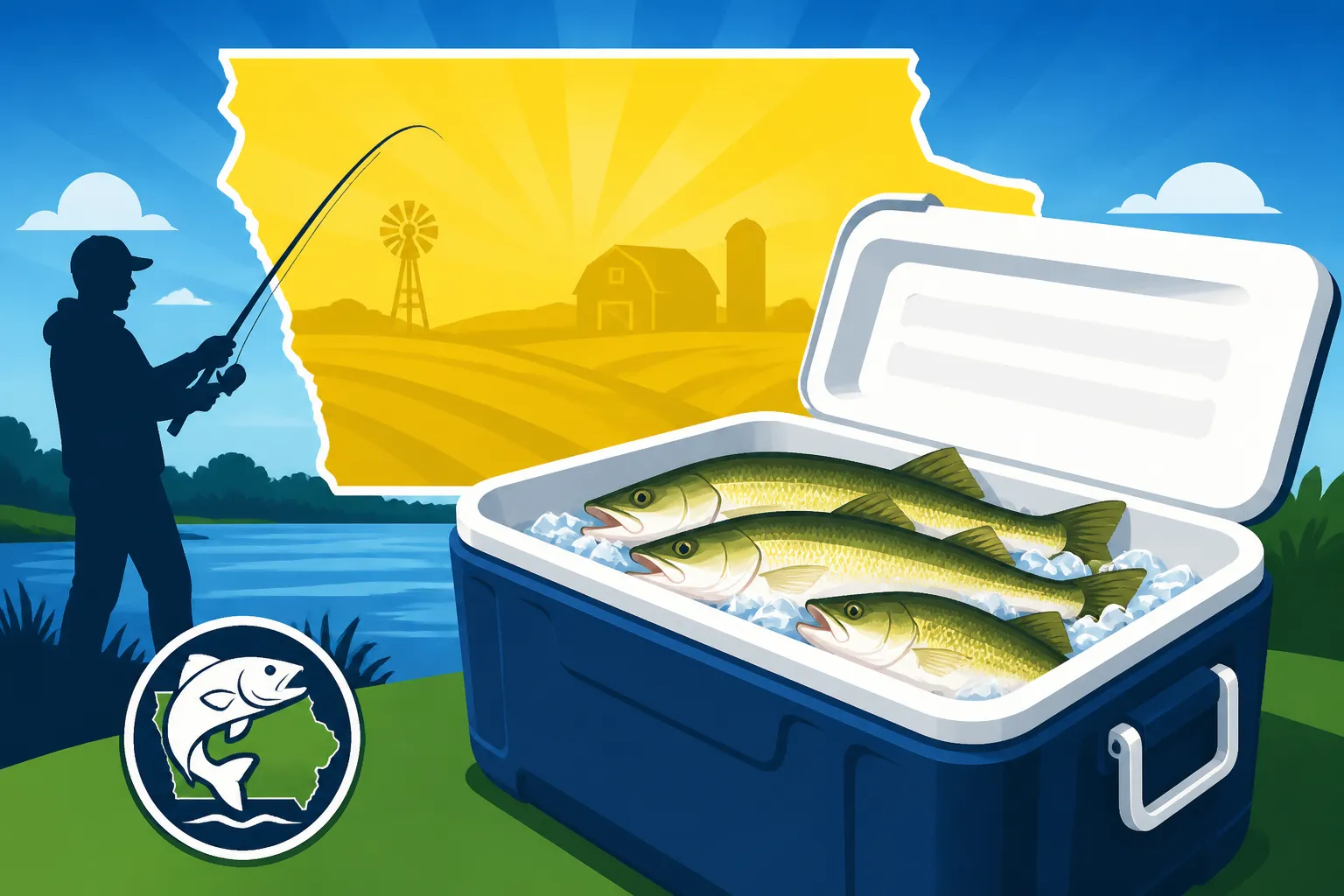
The primary advantage of roto-molded coolers is their unparalleled ice retention. Thanks to their thick, pressure-injected insulation and freezer-grade gaskets, they can keep ice frozen for several days, even in hot weather. This makes them ideal for multi-day fishing trips, remote camping excursions, or simply ensuring your catch stays perfectly chilled on a long summer day. Their robust build also means they can take a beating, serving as extra seating, a casting platform, or even a step on your boat. The downside? They are typically heavier and more expensive than other types of coolers. However, for serious anglers who prioritize maximum freshness and long-term durability, the investment is usually well worth it. If you're planning a full weekend of fishing the Iowa Great Lakes or a remote river expedition, a roto-molded cooler is your best bet for preserving your catch.
Soft-Sided Coolers: Lightweight and Convenient Options
For shorter trips, quick bank fishing excursions, or when portability is paramount, soft-sided coolers offer a fantastic alternative to their rigid counterparts. These coolers are typically made from durable, waterproof fabrics, often with layers of insulating foam sewn into the walls. While they can't match the multi-day ice retention of roto-molded coolers, many high-quality soft-sided options can keep ice for 24-48 hours, which is perfectly adequate for most day trips.
The main benefits of soft-sided coolers are their lighter weight and increased portability. They are much easier to carry, especially if you're hiking to a remote fishing spot or navigating tight spaces on a smaller boat. Some models even come with backpack straps, making them ideal for shore fishing or kayak anglers. They are also often more flexible, allowing them to fit into odd-shaped spaces more easily. While they might not be the choice for storing a giant muskie, they're excellent for keeping a limit of crappie or bluegill fresh, alongside your lunch and drinks. They are also generally more affordable. If you're heading out for a few hours on a local pond or river, or if you prefer a lighter setup, a quality soft-sided cooler from a brand you might find on Amazon or Bass Pro Shops could be the perfect solution for your needs. Just remember that their durability, while good for soft goods, won't compare to a rigid cooler for heavy abuse.
Electric Coolers: A Niche Solution
Electric coolers, often powered by a 12V DC outlet (like a car's cigarette lighter) or a standard 120V AC outlet, offer a different approach to keeping things cold. Instead of relying solely on ice, they use thermoelectric cooling technology (or sometimes a small compressor) to actively chill their contents. This means you can keep items cold without needing to constantly replenish ice, which can be a huge convenience on longer trips.
The major advantage of electric coolers is their ability to maintain a consistent temperature without ice, freeing up space that would otherwise be filled with frozen water. This can be great for pre-chilling your cooler before a trip or keeping your catch cold during a long drive home. However, they do have some limitations. Thermoelectric models typically only cool to a certain degree below the ambient temperature (e.g., 40°F below ambient), meaning they might struggle in extremely hot conditions. They also require a power source, which isn't always available on the water. Compressor-driven electric coolers perform much better but are significantly more expensive and larger. While not typically the primary choice for storing fresh fish directly after catching (as fish are often packed directly on ice slurry for optimal rapid cooling), they can be excellent for keeping drinks and snacks cold, or for holding processed fillets on the way home. For certain scenarios, such as extended road trips to Best Fishing Spots in Iowa or as a secondary cooler for provisions, an electric cooler can be a valuable tool.
Maximizing Your Cooler's Efficiency: Beyond Just Ice
Having a great cooler is only half the battle; knowing how to properly use and manage it is equally important. Even the most expensive roto-molded cooler won't perform to its potential if you just toss a few warm fish and a handful of ice cubes inside. There are smart strategies you can employ to drastically improve ice retention and, more importantly, the freshness of your catch.
Pre-Chilling and Ice Management Strategies
One of the biggest mistakes anglers make is putting warm items into a warm cooler. Your cooler's insulation works by preventing heat transfer, but if the cooler itself is warm, it has to expend energy (your ice!) just to cool its own internal temperature down before it can even start on your fish. The solution is simple: pre-chill it! The night before your trip, throw a bag of cheap "sacrificial" ice, some frozen water bottles, or freezer packs into your cooler and close the lid. This will bring the internal temperature down significantly, giving your main ice supply a huge head start.
When it comes to ice, more is definitely better. Aim for a high ice-to-fish ratio, ideally 2:1 or even 3:1 by volume. Don't skimp on ice. Large blocks of ice melt slower than cubed ice because they have less surface area exposed to warmer air. Consider freezing large plastic containers of water or milk jugs to create your own long-lasting ice blocks. These can also be refrozen for multiple trips. If you're using cubed ice, layer it with your fish. A common and effective method for rapid cooling is an ice slurry: a mixture of ice and a small amount of water. This maximizes contact with the fish, drawing heat away quickly. Think of it as a constant, icy bath for your catch. Regularly drain any melted water if you're not using a slurry, as water conducts heat much faster than ice. For a deeper dive into preserving your catch, you might find more tips in How to Keep Fish Fresh Without a Livewell.
Proper Fish Handling Techniques Before Cooling
The moment a fish comes out of the water, its clock starts ticking. What you do in those first few minutes significantly impacts its freshness and quality. The absolute best practice is to dispatch your fish humanely and quickly bleed it out before placing it in the cooler. Bleeding the fish removes blood from the flesh, which is one of the primary sources of that strong, "fishy" taste and accelerates spoilage. You can do this by making a quick cut near the gills or by "iki-jime" (a Japanese method that involves brain spiking).
Once bled, immediately place the fish into your pre-chilled cooler, ensuring it's surrounded by ice or submerged in an ice slurry. Don't just toss it on top of the ice; bury it, especially larger fish. Direct contact with ice is crucial for rapid cooling. Avoid leaving fish exposed to direct sunlight or warm air on the deck of your boat. Every second it spends outside of the cold environment degrades its quality. If you're fishing on a hot day, and especially if you're catching delicate species, prioritize getting them into the ice as fast as possible. This isn't just about food safety; it's about culinary quality. Even the best cooler can't fully reverse poor initial handling.
Organizing Your Catch for Optimal Preservation
Once your fish are in the cooler, proper organization can further enhance their freshness and make cleanup easier later. For smaller fish, simply layering them with ice is usually sufficient. However, for larger species, or if you have a significant catch, consider how they lay in the cooler. Laying fish flat helps them cool more evenly and prevents bending or bruising that can occur if they're crammed in at odd angles. If you're worried about direct contact with melting ice, you can use heavy-duty freezer bags or fish bags to keep them separate while still ensuring they are fully surrounded by the cold.
Some anglers even bring a secondary, smaller cooler for drinks and snacks to avoid frequently opening the main fish cooler. Every time you open the lid, you let cold air out and warm air in, reducing your ice retention. If you have a particularly large catch or different species, consider separating them. For instance, if you're targeting both walleye and crappie, you might layer the walleye at the bottom, then a thick layer of ice, and then the crappie on top. This ensures everything is thoroughly chilled. Just remember that the goal is always maximum contact with the cold, minimizing exposure to anything warm.
Choosing the Right Cooler Size for Your Iowa Adventures
One size definitely does not fit all when it comes to fishing coolers. The "best" size for you depends heavily on your typical fishing habits, the species you target, and how long you plan to be out on the water. A cooler that's too small will leave you scrambling to keep fish fresh, while one that's too large can be cumbersome and inefficient.
Day Trips vs. Multi-Day Excursions
For most casual day trips in Iowa – perhaps a few hours on a local pond targeting panfish, or a morning spent chasing bass on a smaller lake – a cooler in the 20- to 45-quart range is often perfectly adequate. This size is easy to transport, doesn't take up too much space in your vehicle or on a small boat, and can hold a good amount of ice for a single day's catch and some refreshments. Remember that if you're planning to keep several larger fish, like a limit of channel catfish, you'll want to lean towards the larger end of this spectrum, as whole fish take up significant space.
However, if your Iowa fishing adventures involve multi-day trips – think a long weekend camping and fishing on the Mississippi River, or an extended stay near the Iowa Great Lakes – you'll need significantly more capacity. For these longer excursions, a cooler in the 65- to 120-quart range is often necessary. This allows for enough ice to last several days, plus space for multiple days' worth of fish, even if you process them on the water. The bigger capacity ensures you don't run out of ice and can maintain proper cold storage for the duration of your trip, which is absolutely critical for food safety and quality over several days.
Matching Cooler Capacity to Bag Limits and Species
Consider the typical bag limits for the species you target in Iowa. If you're primarily after bluegill and crappie, with their generous daily limits, even if they're small, they add up quickly in volume. A 45-quart cooler might be fine for a limit of crappie. If your focus is on species with lower limits but larger average sizes, like walleye or bass, a 65-quart or larger might be more appropriate to accommodate several whole fish without them getting squashed or poorly chilled. Remember, you want to be able to fully surround each fish with ice, not just lay them on top.
If you're fortunate enough to land a trophy muskie or a giant flathead catfish (check Muskie Season and Bag Limit and Catfish Possession Limits for specific rules!), you'll need a very large cooler, potentially 100 quarts or more, just for that one fish. Some anglers even have different sized coolers for different target species or trip types. A practical approach is to go slightly larger than you think you'll need, especially for fish, as excess space can always be filled with extra ice, which only helps retention. When browsing coolers from brands like Bass Pro Shops, pay attention to interior dimensions and envision how your typical catch would fit.
Vehicle and Boat Space Considerations
This is where practicality truly kicks in. It's one thing to want a massive cooler for maximum ice retention, but it's another thing entirely if it doesn't fit in your car, truck bed, or boat. Before purchasing, measure the available space in your primary fishing vehicle and on your boat. Consider the height, width, and depth. Can you still close your truck bed cover? Does it block access to other gear on your boat? Can you safely secure it during transport?
For smaller boats, like john boats or even kayaks, a compact roto-molded cooler or a soft-sided option is often the only feasible choice. Even with a larger fishing boat, space is often at a premium, especially once you factor in tackle boxes, livewells, extra fuel, and passengers. Think about how the cooler will be loaded and unloaded. Will it need to be carried a long distance from your vehicle to the boat launch or shore? Larger coolers, especially when full of ice and fish, become incredibly heavy. Look for features like sturdy handles or integrated wheels if you anticipate frequent heavy lifting. Finding the perfect size is a balance between capacity, ice retention, and the logistical realities of your fishing setup.
| Cooler Type | Ideal Use Case | Ice Retention | Durability | Portability | Typical Cost |
|---|---|---|---|---|---|
| Roto-Molded | Multi-day trips, large fish, extreme heat | Excellent (3-10+ days) | Superior | Low (heavy) | High |
| Soft-Sided | Day trips, bank fishing, kayak, small fish | Good (1-2 days) | Good | High (lightweight) | Moderate |
| Electric (Thermo) | Car travel, secondary cooler, holding fillets | Moderate (constant power) | Moderate | Moderate | Moderate-High |
Maintenance and Longevity: Keeping Your Cooler in Top Shape
A quality fishing cooler is a significant investment, and like any good piece of gear, it needs a little love and attention to perform its best and last for years. Proper maintenance isn't just about cleanliness; it's about preserving its functionality and ensuring you get the most out of your purchase.
Cleaning and Sanitizing After Each Trip
This is non-negotiable. After every fishing trip, especially if you've had fish in it, your cooler needs a thorough cleaning. Fish slime, scales, blood, and residual water can quickly lead to unpleasant odors and bacterial growth if left unchecked. Start by emptying all contents and rinsing the cooler thoroughly with a hose. Use warm, soapy water (dish soap works fine) and a stiff brush or sponge to scrub all interior surfaces, paying close attention to corners, the lid gasket, and drain plugs. Don't forget the exterior; it can get just as grimy.
For sanitizing, a diluted bleach solution (about one tablespoon of bleach per gallon of water) is very effective, or you can use a commercial cooler cleaner. Spray or wipe down all interior surfaces with the solution, let it sit for a few minutes, then rinse thoroughly. Ensure all traces of cleaner are gone. Allow the cooler to air dry completely with the lid propped open. This prevents mildew and trapped odors. A clean cooler not only smells better but is also safer for food storage and ensures that your next batch of fish starts its journey in a pristine environment. Just imagine the smell if you forget to clean it after a long day chasing Channel Catfish Fishing in Iowa!
Storage Tips for Off-Season Care
When fishing season winds down, or even between long stretches of non-use, how you store your cooler can impact its longevity. Always ensure the cooler is completely dry and clean before putting it away for extended periods. Storing it with the lid tightly sealed when wet can lead to mildew, mold, and a persistent musty smell that's incredibly hard to get rid of. Instead, store it with the lid slightly ajar or propped open. This allows for airflow and prevents moisture buildup.
Find a cool, dry place for storage, away from direct sunlight. Excessive heat and UV exposure over time can degrade the plastic, cause gaskets to become brittle, and fade the color of your cooler. A garage, basement, or shed is usually ideal. Avoid storing heavy items on top of your cooler for extended periods, as this can sometimes warp the lid or stress the latches. A little attention to how you put your cooler away means it will be ready to perform flawlessly when the Spring Fishing in Iowa bite starts up again.
Simple Repairs and Troubleshooting
Even the toughest coolers can experience minor issues over time, but many common problems are easily fixed.
- Worn or Damaged Gasket: If your cooler isn't holding ice as well as it used to, check the lid gasket. Over time, it can dry out, crack, or become compressed. Many manufacturers (like those found via Amazon or Bass Pro Shops) sell replacement gaskets, which are usually easy to install yourself. A fresh gasket can restore your cooler's ice-retaining power dramatically.
- Broken Latches or Hinges: Heavy use can take its toll on latches and hinges. Again, most reputable cooler brands offer replacement parts. Swapping out a broken latch or hinge is typically a straightforward process, often just requiring a screwdriver.
- Leaky Drain Plug: If you notice water pooling around your cooler, check the drain plug. Ensure it's tightly sealed. If the O-ring is cracked or missing, a replacement will usually solve the leak.
- Persistent Odors: If, despite thorough cleaning, your cooler still has a lingering fishy smell, try placing an open container of baking soda or activated charcoal inside the closed cooler for a few days. The charcoal or baking soda will absorb the odors. You can also try wiping down the interior with a solution of white vinegar.
By addressing these small issues promptly, you can significantly extend the life of your cooler and ensure it continues to be a reliable partner on all your Iowa fishing expeditions.
Disclaimer
This article is for general informational purposes only and does not constitute professional advice. Laws, prices and regulations vary by location and change over time. Consult a qualified professional for guidance on your specific situation.