Channel Catfish vs Flathead Catfish Differences
If you've ever spent time fishing Iowa's beautiful lakes and rivers, chances are you've encountered a catfish. They're a staple of freshwater angling, known for their powerful fights and delicious fillets. But for many anglers, especially newcomers, there's often a bit of confusion: are you reeling in a Channel Catfish or a Flathead Catfish? While both are beloved bottom dwellers, they're distinct species with different habits, preferences, and fighting styles. This guide will help you easily identify the key differences between these two fantastic fish, helping you become a more informed and successful angler.
The Tale of Two Catfish: First Impressions
When you first pull a catfish out of the water, it might just look like… well, a catfish! But take a moment to observe, and you'll quickly see that Channel Cats and Flatheads have some very noticeable distinctions. Knowing these physical traits is your first step to telling them apart before you even think about where they live or what they eat. It's like comparing two different breeds of dog – they're both dogs, but one's clearly a retriever and the other a terrier.
Physical Appearance – Fin to Whisker
Let's dive into the nitty-gritty of their looks. These aren't just minor differences; they're foundational to how these fish live and interact with their environment. Paying attention to these details will make you a much more observant angler out on the water.
Channel Catfish: The Fork-Tailed Beauty
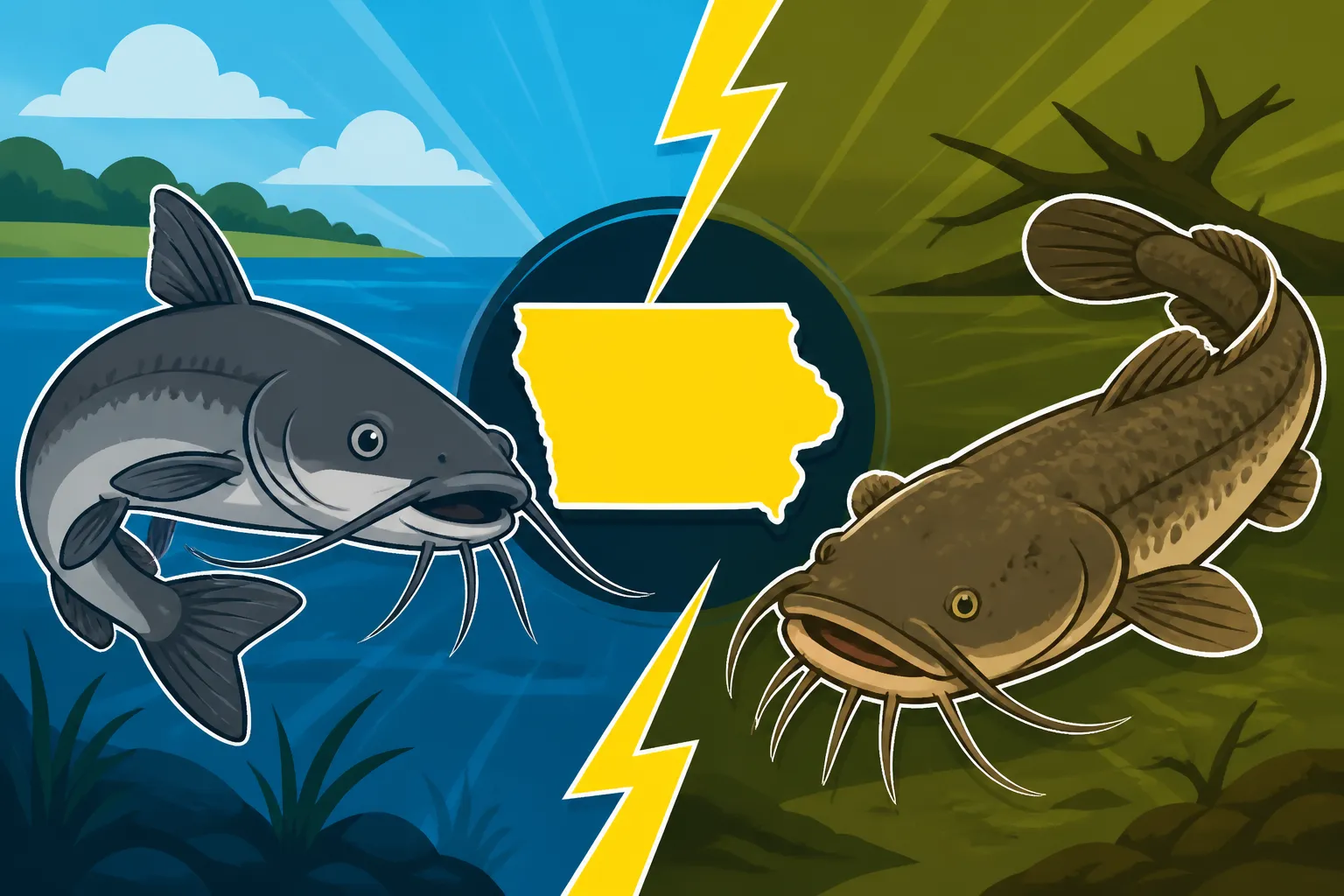
When you think of a "typical" catfish, you're likely picturing a Channel Catfish. They have a sleek, streamlined body, often with a beautiful olive-brown to silvery-gray color on their back, fading to white on their belly. What immediately stands out for a Channel Catfish is its deeply forked tail. It's a dead giveaway! Imagine the tail of a salmon or a large trout, but beefier – that's the shape you're looking for. Younger Channel Cats, in particular, will often have distinct dark spots scattered along their sides, which tend to fade as they age. Their head is relatively small and rounded compared to their body, with a slightly protruding upper jaw. They have eight barbels (whiskers) around their mouth – two on the upper jaw, four on the chin, and two near the nostrils – that are usually quite long and slender, helping them find food in murky waters. Their dorsal fin (the one on their back) and pectoral fins (the ones behind their gills) have sharp, serrated spines, so be careful when handling!
Think about the ease of casting for these guys in many Iowa waters. They're prevalent and often the first catfish species an aspiring angler encounters. They're a common target for families during Iowa Free Fishing Weekend Guide because of their widespread presence and willingness to bite.
Flathead Catfish: The Broad-Headed Brawler
Now, shift your mental image to something much more robust, almost prehistoric-looking, and you're getting closer to a Flathead Catfish. True to their name, Flatheads boast a broad, flattened head, which is significantly wider and flatter than a Channel Cat's. Their eyes are noticeably smaller and often appear high on their head, giving them a somewhat surprised or sleepy look. Their body coloration is usually a mottled yellow, brown, or olive, often with darker brown or black splotches, helping them camouflage perfectly among logs and rocks. They typically lack the spots of a Channel Cat. The most striking difference, aside from the head, is their tail fin. Instead of a deeply forked tail, the Flathead's tail is notably square or slightly rounded, almost paddle-like, and unforked. This solid, broad tail gives them incredible power in current, which we'll talk more about later. Their lower jaw usually protrudes beyond their upper jaw, giving them a grumpy, underslung appearance. Like Channel Cats, they have eight barbels, but they tend to be shorter and thicker. Their fins are also spine-laden, so handle with care here too!
The powerful build of a Flathead is a testament to its lifestyle, perfectly adapted for living in heavy current and cover. You'll need sturdy gear, perhaps a heavy-duty rod and reel combo that you might find on Amazon, to wrestle these bruisers out of their snaggy hideouts.
Size and Weight – Who Gets Bigger?
The size of your catch is often a huge part of the thrill, and in the world of Iowa catfish, there's a clear winner when it comes to sheer heft. While both species can grow to respectable sizes, their maximum potential differs significantly, impacting not only the bragging rights but also the kind of gear you'll want to employ.
Channel Catfish: Generally Smaller, But Still a Great Fight
Channel Catfish are fantastic sport fish, and while they don't typically reach the gargantuan sizes of their Flathead cousins, they still provide an exhilarating fight on appropriate tackle. Most Channel Cats you'll encounter in Iowa will range from 1 to 10 pounds. A "trophy" Channel Cat in Iowa is often considered anything over 15 pounds, and while catches exceeding 20 pounds aren't unheard of, they are far less common. These fish grow fairly quickly in favorable conditions, reaching a catchable size within a few years. Their smaller size and abundance make them an excellent target for anglers of all skill levels, from kids fishing with a bobber and worm to experienced pros casting prepared baits. They are truly the everyman's catfish, readily available and willing to bite across a wide array of Iowa's waterways. Catching several 5-pound Channels in an afternoon is a memorable experience for any angler, proving that size isn't everything when it comes to fun.
For those looking to catch a good meal, Channel Catfish of this size are perfect. Just be sure to check the Channel Catfish Daily Limit in Iowa before you head out, as regulations help ensure healthy fish populations for everyone.
Flathead Catfish: The River Monsters
If you're dreaming of a true freshwater monster, the Flathead Catfish is your quarry. These fish are renowned for their massive size and incredible strength. While a young Flathead might be mistaken for a Channel Cat, it quickly outgrows its cousin in both length and girth. It's not uncommon to hear tales of Flatheads caught in Iowa weighing 30, 40, or even 50 pounds! The state record Flathead is a truly colossal specimen, showcasing just how enormous these fish can get. Landing a Flathead over 20 pounds is a bucket-list achievement for many Iowa anglers and requires serious dedication and specialized gear. They are slow-growing fish and can live for many years, which contributes to their impressive size. The sheer power of a large Flathead, especially when hooked in heavy current, can easily test the limits of even the most robust fishing equipment. This pursuit isn't for the faint of heart or the light of tackle, as these titans demand respect and preparation.
When targeting these heavyweights, your gear needs to be up to the task. You'll want a rod with plenty of backbone and a reel with a strong drag. Investing in quality, heavy-duty tackle, perhaps from a reputable brand found on Amazon, will be crucial for success when going after these powerful fish.
Where They Roam: Habitat Preferences
Understanding where Channel Catfish and Flathead Catfish prefer to live is absolutely critical if you want to successfully target either species. While there can be some overlap, their typical hangouts are quite different, reflecting their distinct feeding strategies and physiological needs. Knowing their preferred habitat allows you to narrow down your search and focus your efforts more effectively. It’s like knowing a deer prefers wooded edges while a pheasant prefers tall grass – same general area, but very different specific spots.
Channel Catfish Hangouts
Channel Catfish are incredibly adaptable, which is a big reason why they're so widespread and popular throughout Iowa. They aren't nearly as particular as Flatheads, making them accessible to a broader range of anglers and fishing spots.
Versatility Across Iowa's Waters
Channel Catfish are truly the generalists of the catfish world. You can find them thriving in a remarkable variety of aquatic environments across Iowa. They are abundant in large rivers like the Des Moines River and the Mississippi River, where they often congregate in slower currents, eddies, and behind wing dams or logjams. They also do incredibly well in many of Iowa's larger lakes, such as Rathbun Lake and Saylorville Reservoir, where they'll relate to submerged structures like old creek channels, brush piles, or even artificial fish attractors placed by the DNR. Farm ponds and smaller municipal lakes are also prime Channel Cat territory, especially those with some depth and food sources.
They tend to prefer areas with a moderate current, often seeking out deeper holes, undercut banks, or areas with woody debris and rock piles that offer cover and ambush points. While they can tolerate somewhat murky water, they often prefer waters that aren't excessively turbid. Their versatility means you don't necessarily need specialized equipment or a boat to find them. Shore anglers can have fantastic success targeting them from riverbanks, lake piers, or bridge abutments. This broad appeal and widespread availability make them an excellent choice for a casual afternoon of fishing or a serious pursuit. Learning How to Catch Catfish From the Bank is often focused on Channel Cats due to their accessibility.
Connecting with Structure and Current Breaks
Even though they're adaptable, Channel Cats aren't just swimming aimlessly. They actively seek out structure and current breaks where they can conserve energy and ambush prey. In rivers, look for them downstream of snags, submerged trees, or rock piles. These spots create slack water where food can collect. On lakes, they'll often be found near old roadbeds, submerged timber, or the edges of drop-offs where deep water meets shallower foraging grounds. During warmer months, they might move into shallower areas to feed during low-light conditions, then retreat to deeper, cooler water as the sun rises. Understanding their seasonal movements and preferred structures is key to consistent success. For a comprehensive look at where these fish live, check out our guide on Channel Catfish Habitat in Iowa.
Flathead Catfish Strongholds
Flathead Catfish, in stark contrast to their Channel Cat cousins, are much more particular about their living arrangements. They are creatures of habit and specific habitat, which makes them a more challenging, yet incredibly rewarding, fish to pursue.
The Domain of Deep Holes and Heavy Cover
Flathead Catfish are true river dwellers, though they can be found in some of Iowa's very largest reservoirs that mimic riverine conditions. Their preferred habitat is characterized by deep, slow-moving holes or scour depressions in rivers, often associated with a significant amount of heavy cover. Think massive log jams, large boulders, undercut banks, or deep pockets scoured out by strong currents around bridge pilings. These are not fish that enjoy open, clear water or stagnant ponds. They thrive in robust river systems like the Mississippi River or the lower stretches of the Des Moines River, where ample current and large woody debris provide perfect ambush points and hiding spots. Flathead Catfish Habitat and Behavior delve deeper into their unique preferences.
They are ambush predators, and their flattened heads and mottled coloration are perfectly adapted for blending into these snaggy, dark environments. They prefer to lurk within the cover, waiting for unsuspecting live prey to swim by. This means fishing for Flatheads often involves getting your bait right into or on the edge of these seemingly impenetrable snags – a challenge that can lead to frustration but also immense reward. You might lose some tackle, but that's part of the game when you're targeting these river monsters. Their preference for such specific, often hard-to-reach locations means that a boat, especially one equipped with a reliable anchor and possibly a stout trolling motor, can be a huge advantage.
Current and Depth: Their Essential Elements
Two non-negotiable elements for Flathead Catfish are current and depth. While they will move into shallower feeding areas at night, their daytime retreats are almost always in deeper water with a noticeable current. The current brings them food and oxygen, and the depth provides security and stable temperatures. You won't typically find large Flatheads in stagnant backwaters or small, shallow lakes. They are built for power and leverage, using their broad, square tails to hold their position in strong flows and to make powerful runs once hooked. Targeting them requires understanding how current carves out deep holes and deposits large pieces of cover. Learning to read a river and identify these prime Flathead locations is a skill developed over many hours on the water.
When you find a spot that has all the elements – deep water, significant current, and heavy cover – you've likely found a Flathead hotspot. This is where patience pays off, and having specialized equipment is not just a luxury, but often a necessity. Anglers often turn to online retailers like Amazon to find the specific heavy-duty rods, reels, and specialized lines needed to tackle these powerful fish in challenging conditions.
What's On The Menu: Diet and Feeding Habits
Just as their physical appearances and preferred habitats differ, so too do the dining preferences of Channel Catfish and Flathead Catfish. Understanding what each species eats and how they go about getting their meals is crucial for selecting the right bait and developing effective fishing strategies. It's the difference between setting a trap for a mouse and setting one for a wolf – entirely different baits and approaches are required.
Channel Catfish: The Opportunistic Omnivore
Channel Catfish are not picky eaters. This characteristic, combined with their widespread distribution, makes them incredibly accessible and fun to catch. They are truly the scavengers and opportunists of the aquatic world, taking advantage of whatever food source is most readily available.
A Diverse Palate for Any Angler
The Channel Catfish's diet is incredibly varied, making them one of the easiest fish to tempt with a wide array of baits. They are true omnivores, meaning they'll eat just about anything they can fit into their mouths. This includes a smorgasbord of insects, crustaceans like crayfish, small baitfish, snails, frogs, and even aquatic vegetation or detritus. What makes them so beloved by anglers is their strong preference for anything smelly and potent. They possess an incredibly acute sense of smell, using their long barbels (whiskers) to detect food in murky water or low-light conditions. This keen sense is what makes "stink baits" or "prepared baits" so effective. They're drawn to the strong odors wafting through the water, leading them right to your hook.
This opportunistic feeding behavior means you don't need a livewell full of expensive minnows to catch them. Anglers often use chicken livers, cut bait (pieces of shad, bluegill, or other baitfish), nightcrawlers, shrimp, or commercially prepared dough and stink baits. For those just starting out, a simple worm on a hook can be incredibly effective. The sheer number of bait options makes Channel Cat fishing incredibly versatile and adaptable to whatever you have on hand, which is a big reason why they're so popular for family fishing trips. Need some ideas? Check out our Catfish Bait Guide for Iowa Anglers.
Nocturnal Foragers, But Active All Day
While Channel Catfish are often most active during low-light conditions – dawn, dusk, and throughout the night – they can be caught successfully at any time of day, especially if there's an enticing scent trail in the water. They'll cruise along the bottom, using their barbels to "taste" the water and locate potential food sources. In rivers, they'll often hold near current breaks, waiting for food to drift by. In lakes, they'll patrol drop-offs and humps. During the hotter months, they might retreat to deeper, cooler water during the day, becoming more active in shallower feeding flats as evening approaches. Understanding their willingness to feed and their strong sense of smell is key to consistent success.
Flathead Catfish: The Predatory Carnivore
In stark contrast to the Channel Cat's flexible diet, the Flathead Catfish is a specialized predator. They are not scavengers; they are hunters, and their diet reflects this aggressive, live-prey preference. This distinction is paramount for any angler hoping to land one of these powerful fish.
The Live Bait Specialist
Flathead Catfish have a singular focus when it comes to food: live fish. As they grow, their diet shifts almost exclusively to live prey, making them true apex predators in their aquatic environments. While very small Flatheads might dabble in insects or crustaceans, once they reach a decent size, they prefer a hearty meal of live bluegills, suckers, bullheads, carp, or even other catfish. They are not typically interested in dead or prepared baits that work so well for Channel Cats. This means your bait presentation needs to be alive, kicking, and enticing to trigger a Flathead's predatory instinct. They hunt by ambush, lurking in heavy cover and using their large mouth to engulf unsuspecting prey that ventures too close.
This preference for live bait means Flathead fishing often involves more effort in securing and keeping bait fresh. Anglers typically use a cast net or smaller rod and reel to catch their own live bait, ensuring it's vigorous and appealing. The size of the bait is also important; large Flatheads prefer substantial meals, so don't be afraid to use a 6-10 inch live fish. This dedication to live bait makes Flathead fishing a more specialized pursuit, but the reward of hooking into a truly massive fish makes it all worthwhile. Learning How to Catch Flathead Catfish at Night almost always involves a lively baitfish.
Nocturnal Ambush Predators
Flathead Catfish are primarily nocturnal hunters, becoming most active from dusk through the night. During the day, they typically retreat deep into their heavy cover, conserving energy and waiting for the protective cloak of darkness to begin their foraging. As night falls, they'll often move out of the densest snags but remain close to cover or current, using their acute lateral line system to detect vibrations from passing prey. They might position themselves downstream of current breaks, waiting for stunned baitfish to drift into their strike zone. Setting out live baits in strategic locations during the late afternoon and fishing well into the night is a common and highly effective strategy for Flathead anglers.
Their predatory nature also means they will fiercely defend their territory, especially around prime feeding lanes. This aggressive behavior, coupled with their immense strength, is why they are such a prized sport fish. Just remember, when going after these powerful, live-bait-loving giants, your gear needs to be robust enough to handle the fight of a lifetime.
Fishing for the Fighters: Tactics and Gear
Now that we understand the physical differences, preferred habitats, and dietary habits of Channel Catfish and Flathead Catfish, it's time to talk about how to actually catch them! Just as they are different fish, the tactics and gear you'll employ to successfully land each species vary significantly. Trying to catch a Flathead with light tackle and stink bait is often a recipe for frustration, while over-engineering your setup for Channel Cats might be unnecessary.
Channel Catfish: A Bait Angler's Dream
Channel Catfish are incredibly cooperative fish, making them an ideal target for anglers of all skill levels. Their willingness to bite a variety of baits and their widespread availability mean you don't need highly specialized tactics or gear to enjoy consistent success.
Simple Rigs, Maximum Appeal
The beauty of fishing for Channel Catfish lies in its simplicity. The most common and effective setup is a basic bottom rig designed to keep your bait near the bottom where these fish forage. A classic slip-sinker rig is a perennial favorite: thread an egg sinker onto your main line, tie on a swivel, and then add a leader (typically 12-24 inches) with a strong, sharp hook. The slip sinker allows the line to move freely, so a biting fish doesn't feel the weight of the sinker, leading to more confident takes. When using prepared or cut baits, a Kahle hook or a circle hook in sizes 2/0 to 5/0 works wonderfully, ensuring good hooksets and minimizing gut-hooking.
As for bait, the options are practically endless due to their omnivorous diet. Chicken livers are a legendary Channel Cat bait, as are cut pieces of shad, bluegill, or even hot dogs. Commercially available dough baits and stink baits, designed specifically to appeal to their powerful sense of smell, are also incredibly effective. Just make sure whatever bait you choose is secured well to your hook, as Channel Cats can be nibblers before committing. Fishing these baits in current breaks, deeper holes, or near submerged structure will put you in prime Channel Cat territory. Remember, patience is a virtue, but often with Channel Cats, you won't have to wait too long.
For gear, a medium-heavy spinning or baitcasting rod, around 6.5 to 7.5 feet long, paired with a reliable reel spooled with 10-20 pound test monofilament or braided line, is usually perfect. Many anglers like to find versatile setups online, and Amazon offers a wide selection of Best Rod for Catfish Fishing options suitable for Channel Cats, often at very reasonable prices.
Locating and Presenting for Success
To maximize your chances, focus on identifiable structure. In rivers, this means the edges of current seams, behind fallen trees, or along riprap banks. In lakes, target deep humps, creek channels, or brush piles. Casting your bait upstream of these features and allowing the current to carry the scent and bait naturally into the strike zone can be incredibly effective. For stationary fishing from shore or an anchored boat, multiple rods can increase your coverage, but always adhere to How Many Fishing Poles You Can Use in Iowa regulations.
Beyond casting, drift fishing can also be productive in rivers. Allowing your boat to slowly drift downstream while your bait bounces along the bottom can cover a lot of water and help you locate concentrations of fish. During warm summer evenings, Channel Cats will often move into shallower areas to feed, making them accessible even closer to shore. Always be prepared with a good Best Landing Net for Catfish to safely bring your catch aboard, especially if you're aiming for those bigger ones.
Flathead Catfish: The Live Bait Specialist
Fishing for Flathead Catfish is a different beast altogether. These powerful predators demand specialized tactics and heavy-duty gear to stand a chance against their brute strength and their preference for snag-filled environments. This is a game of patience, power, and precision.
Heavy Gear for Heavy Fish
When targeting Flatheads, compromise on gear is not an option. You need stout equipment capable of not only handling a monstrous fish but also extracting it from unforgiving cover. A heavy or extra-heavy action baitcasting rod, typically 7 to 9 feet long, is essential. This rod needs a strong backbone to muscle fish away from snags and absorb powerful runs. Pair it with a robust baitcasting reel with a reliable, smooth drag system and a high line capacity. Spool up with heavy braided line, usually 50 to 80-pound test, or a strong monofilament in the 25-40 pound range. Braided line offers superior strength and abrasion resistance, crucial when fishing around sharp snags.
Your terminal tackle also needs to be tough. Use heavy-duty swivels, and a strong leader of fluorocarbon or heavy mono (perhaps 30-50 pound test) can add an extra layer of abrasion resistance. Hooks should be large and incredibly strong – 7/0 to 10/0 circle hooks are popular, as they typically hook the fish in the corner of the mouth, making for easier release and less harm. Weight needs to be substantial enough to hold your live bait in the current, often 2 to 6 ounces, depending on the current strength. A three-way swivel rig or a Carolina rig (with a heavy barrel or egg sinker) are common choices to present a live baitfish. Many anglers source these specialized components from online retailers like Amazon, as local shops might not always carry the full range of heavy-duty gear required.
The Art of Live Bait Presentation
The cornerstone of Flathead fishing is live bait. Healthy, active baitfish are non-negotiable. Small to medium-sized bluegills, sunfish, suckers, bullheads, or even legal-sized carp are excellent choices. Hook your live bait through the back, just above the lateral line, or through both lips, ensuring it can swim naturally and attract attention. The key is to get that lively bait right into, or on the very edge of, the heavy cover where Flatheads lurk. This often means casting near log jams, submerged trees, or deep undercut banks. Flatheads are ambush predators, and they won't chase a bait far from their lair.
Fishing for Flatheads is often a nocturnal pursuit. They move out of their dens to feed under the cover of darkness. Set up your baits in the late afternoon and be prepared to stay well into the night. When a Flathead hits, it's usually a deliberate, powerful pull. Resist the urge to set the hook immediately with a circle hook; instead, let the fish take the bait and swim away with it, allowing the hook to roll into the corner of its mouth as the line tightens. Then, hold on tight! These fights are legendary for their brute force and long, powerful runs. Patience is key, as Flathead bites can be few and far between, but the reward of landing one of these massive fish is an unforgettable experience. For more specific tactics, check out Iowa Fishing Techniques Guide or Night Fishing Techniques for Catfish.
Lifecycle and Conservation
Understanding the differences between Channel Catfish and Flathead Catfish extends beyond just catching them; it also plays a vital role in appreciating their unique life cycles and ensuring their conservation. Both species are incredibly important to Iowa's aquatic ecosystems, but their distinct behaviors mean they face different challenges and require specific management strategies.
Spawning and Growth
The way these two species reproduce and grow speaks volumes about their survival strategies and their role in the environment. These fundamental biological differences often influence how quickly populations can rebound and how many fish anglers can sustainably harvest.
Channel Catfish: Prolific and Adaptable Spawners
Channel Catfish are cavity spawners, meaning the male will select a dark, secluded spot to prepare a nest. This can be anything from a hollow log, an undercut bank, a rock crevice, to even old tires or milk jugs in some urban waters. Spawning typically occurs when water temperatures reach the mid-70s Fahrenheit, usually in late spring or early summer in Iowa. The female lays her eggs, and the male then guards and fans the eggs until they hatch, which takes about 5-10 days. He continues to guard the fry for a short period after hatching. Channel Cats are quite prolific, laying a large number of eggs, and their fry are relatively hardy and adaptable. This robust reproductive strategy contributes to their widespread abundance across a variety of habitats.
Their growth rate is generally good in favorable conditions, allowing them to reach catchable sizes within a few years. While they don't reach the immense sizes of Flatheads, their quick growth and high reproductive success mean that populations can sustain significant fishing pressure. This is part of why they're such a popular food fish, as anglers can reliably harvest them without severely impacting future generations, provided bag and size limits are followed.
Flathead Catfish: Dedicated but Slower Reproducers
Flathead Catfish also spawn in cavities, with the male similarly selecting and guarding the nest. However, their spawning season often starts a little later than Channel Cats, when water temperatures are slightly warmer, typically in late spring to mid-summer. Their preferred nesting sites are often deeper and more secluded within heavy structure, reflecting their preference for seclusion. While they do produce a good number of eggs, their overall reproductive rate might be considered slower compared to Channel Cats due to their longer maturation period and specific habitat needs. The male's dedication to guarding the nest is intense, protecting the eggs and fry from predators.
A key difference is their growth rate and longevity. Flatheads are much slower growing but live significantly longer than Channel Cats. This slow growth means it takes many years for a Flathead to reach trophy sizes. A 30-pound Flathead might be well over 20 years old! This makes each large Flathead a precious resource, underscoring the importance of responsible fishing practices, especially catch-and-release for the largest specimens, to allow these long-lived fish to continue contributing to the gene pool. Their specific habitat needs for spawning also mean that habitat degradation or loss can have a more profound impact on Flathead populations compared to their more adaptable cousins.
Management and Regulations
Because these two species have different life histories and population dynamics, they are often managed differently by state conservation agencies, including the Iowa Department of Natural Resources (DNR). These regulations are put in place to ensure healthy fish populations for both current and future generations of anglers.
Why Distinguishing Matters for Conservation
Being able to tell a Channel Cat from a Flathead isn't just about identifying your catch; it's also about complying with fishing regulations designed to protect these species. For example, Iowa Fishing Regulations Explained often include different daily bag limits or possession limits for Channel Catfish versus Flathead Catfish. In some cases, there might be different size restrictions, or even specific rules for certain bodies of water. For instance, Catfish Limit on Saylorville Reservoir might differ from Catfish Limit on Rathbun Lake, and these limits apply to both species. Incorrectly identifying your catch could lead to unknowingly exceeding legal limits, which carries penalties.
Conservation efforts for Channel Cats might focus on maintaining broad habitat diversity and stocking programs in areas where natural reproduction is limited. For Flatheads, conservation often centers more heavily on preserving large riverine habitats with abundant deep water and woody cover, as these are critical for their spawning success and survival. Anglers play a crucial role in conservation by understanding these differences, adhering to regulations, and practicing ethical fishing, which often includes careful handling and selective release, especially for large, old Flatheads that contribute significantly to the population.
By knowing the differences, you contribute to better data for fisheries biologists and become a more responsible steward of Iowa's precious aquatic resources. So next time you're out on the water, take a closer look at that whiskered fighter on your line – you'll not only know what you've caught, but you'll also understand its place in the vibrant world of Iowa fishing.
Here's a quick summary of the key differences:
| Feature | Channel Catfish | Flathead Catfish |
|---|---|---|
| Tail Fin | Deeply forked | Square or slightly rounded, unforked |
| Head Shape | Relatively small, rounded | Broad, flattened, shovel-like |
| Body Color | Olive-brown to silvery-gray, often spotted | Mottled yellow, brown, or olive, usually unspotted |
| Jaw | Upper jaw slightly protruding | Lower jaw usually protrudes beyond upper |
| Eyes | Moderate size, typically centered | Smaller, often high on head |
| Primary Diet | Omnivorous (scavengers, insects, small fish) | Carnivorous (live fish, ambush predator) |
| Preferred Hbt. | Lakes, rivers, ponds; varied structure | Large rivers, deep holes, heavy woody cover |
| Typical Size | 1-10 lbs, up to 20+ lbs (less common) | 5-50+ lbs, capable of immense size |
| Growth Rate | Faster, reaches catchable size sooner | Slower, lives longer to reach trophy size |
Disclaimer
This article is for general informational purposes only and does not constitute professional advice. Laws, prices and regulations vary by location and change over time. Consult a qualified professional for guidance on your specific situation.