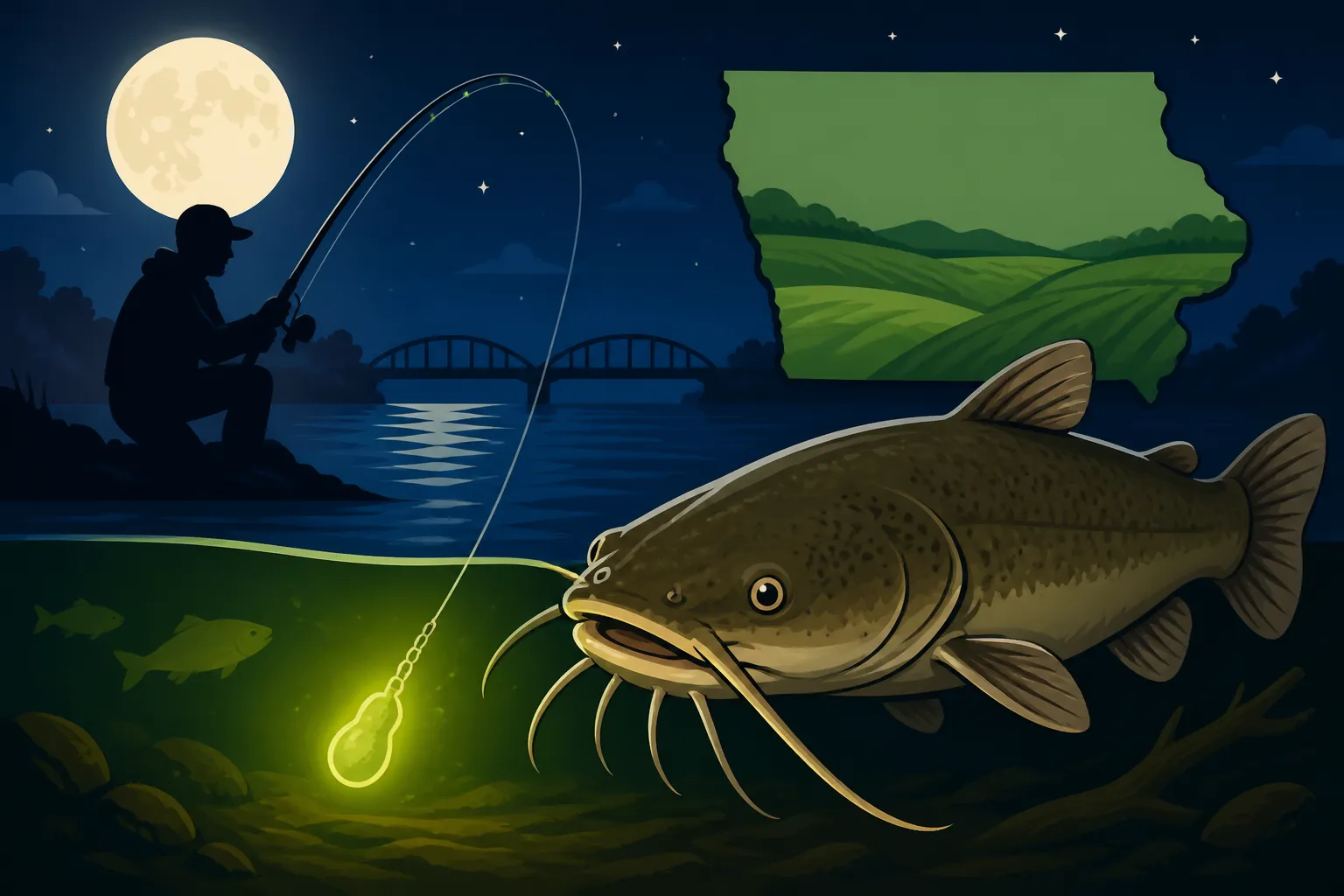
How to Catch Flathead Catfish at Night
There's nothing quite like the thrill of chasing flathead catfish in Iowa, especially when the sun dips below the horizon and the world quiets down. Many anglers find themselves frustrated, however, trying to replicate daytime successes only to be met with empty lines after dark. This comprehensive guide is going to peel back the curtain on why flatheads are such a phenomenal nighttime target and arm you with the specific strategies, gear, and knowledge you need to consistently land these magnificent fish when the stars come out over Iowa's rivers and lakes.
Why Flathead Catfish are a Nighttime Target in Iowa
If you've ever struggled to find flatheads during the day, only to hear whispers of massive catches after sundown, you're not alone. There's a fundamental shift in the flathead's behavior once darkness descends, making them far more accessible and aggressive. Understanding this nocturnal nature is the first step to becoming a successful night angler.
The Flathead's Nocturnal Nature
Flathead catfish are, by nature, ambush predators. Unlike their channel cat cousins who might scavenge or patrol more openly, flatheads prefer to lie in wait, tucked away in heavy cover, waiting for an unsuspecting meal to swim by. During daylight hours, they're often hunkered down in deep holes, log jams, rock piles, or undercut banks, conserving energy and staying out of the direct sun. This makes them incredibly difficult to entice, as they're not actively hunting across open water. They're masters of concealment, and their mottled brown and yellow coloration helps them blend seamlessly into their surroundings.
When dusk settles, something truly magical happens. The flathead's world comes alive. They emerge from their daytime sanctuaries, using the cover of darkness to venture into shallower feeding areas. Their exceptional sense of smell and their lateral line system, which detects vibrations in the water, become incredibly efficient tools in the low light. This is their prime hunting time, and they become significantly more active, moving around and seeking out live prey. For us anglers, it means they're no longer just waiting; they're on the prowl, making them much more likely to find and strike your bait.
Advantages of Fishing After Dark
Beyond the flathead's natural inclination to feed at night, there are several distinct advantages to night fishing that many anglers overlook. First and foremost is the reduced pressure. Iowa's rivers and lakes can get quite busy during the day, especially on weekends. When night falls, most pleasure boaters and casual anglers pack up and head home, leaving the waters much quieter and less disturbed. This creates a more serene environment for both you and the fish.
Secondly, the cooling water temperatures after a hot summer day can invigorate fish, making them more active. Warm water holds less oxygen, and extreme heat can make fish sluggish. As temperatures drop overnight, oxygen levels rise slightly, and the fish feel more comfortable exerting energy to hunt. Finally, there's an undeniable mystique to night fishing. The sounds of the river, the calls of nocturnal animals, and the anticipation of a monster strike in the darkness create an experience that's truly unique and incredibly rewarding. It's a chance to connect with nature on a different level, without the distractions of the daytime world.
Essential Gear for Your Night Flathead Adventure
Night fishing for flatheads isn't just about showing up with your regular daytime setup. It requires a bit more thought and some specialized gear to ensure both success and safety. From your rods to your lighting, being prepared can make all the difference.
Rods, Reels, and Line for Big Fish
When you're targeting flatheads, especially at night, you need gear that can handle serious abuse and powerful runs. These fish aren't dainty, and they often live in snag-filled environments. For rods, think heavy action, between 7 and 9 feet long. This length gives you the leverage to steer a big fish away from cover and cast heavy baits. Many anglers prefer a stout baitcasting setup for the power and control it offers. A good quality reel with a strong drag system and a high line capacity is crucial. Look for reels designed for big game fishing; they can stand up to the strain of fighting a 30, 40, or even 50-pound flathead.
For line, don't skimp. Braided line in the 50 to 80-pound test range is the go-to for many serious flathead anglers. It offers incredible strength, sensitivity, and abrasion resistance, which is vital when fishing around submerged timber and rocks. If you're looking for quality options, you can often find a wide selection of heavy-duty braided lines on Amazon. While braided line is great for your main line, a heavy monofilament or fluorocarbon leader, typically 60-100 pound test, is often added for extra abrasion resistance against sharp structures and the flathead's rough mouth. You can learn more about specific setups in our guide to Catfish Gear Guide for Iowa Rivers. For a deep dive into line choices, check out Best Pound Test Line for Catfish Fishing on Iowa Rivers.
Lighting and Navigation Safety
Safety should always be your top priority when night fishing. Proper lighting is non-negotiable. A reliable headlamp is essential; it keeps your hands free for baiting hooks, tying knots, and handling fish. Look for one with different brightness settings and, ideally, a red light option. Red light preserves your night vision and is less likely to spook fish or bother other anglers. Beyond a headlamp, a powerful spotlight or lantern can be invaluable for illuminating distant banks, navigating, or searching for lost gear. Always carry spare batteries for all your lights – you never want to be left in the dark unexpectedly.
If you're fishing from a boat, ensure all your navigation lights are working correctly and that you have a sound-producing device (like a whistle or horn) as required by law. A GPS device or a marine chart plotter is also highly recommended, especially if you're exploring new waters or dealing with shifting river conditions. Even if you think you know a spot like the back of your hand, landmarks disappear at night, and it's easy to get disoriented. A quality waterproof flashlight kept within easy reach is also a smart backup.
Comfort and Preparation
Comfort often gets overlooked but can drastically impact your endurance and enjoyment during a long night of fishing. Iowa nights, even in summer, can get cool, so layering your clothing is a must. A waterproof outer shell is also a good idea in case of unexpected rain or heavy dew. Consider bringing a comfortable chair, especially if you plan to bank fish for extended periods. Mosquitoes and other biting insects can be relentless, so a strong insect repellent is absolutely essential. A small first-aid kit stocked with essentials like bandages, antiseptic wipes, and pain relievers is also a wise addition to your gear bag.
Don't forget the practical necessities either. Bring plenty of water and snacks to keep your energy up. A thermos of coffee or hot chocolate can be a welcome treat during a chilly night. A reliable cooler for keeping your bait lively and, hopefully, your catch fresh is also vital. Remember that when you're out there in the dark, you're often quite a distance from any amenities, so think through everything you might need before you head out. Being prepared for a long haul means you can focus entirely on the fishing experience.
Mastering Baits and Rigging for After-Dark Success
Flathead catfish are notoriously picky eaters compared to channel cats; they prefer live, struggling bait. Successfully targeting them at night means understanding their dietary preferences and presenting your bait in an irresistible way.
The Allure of Live Bait
For flatheads, live bait is king. They are opportunistic predators that key in on the distress signals and vibrations of a struggling fish. What works best? Locally sourced baitfish are often the most effective. In Iowa, common choices include bullheads, sunfish (like bluegills), and suckers. The size of your bait matters – flatheads aren't afraid of a big meal, so don't be shy about using baits in the 4-8 inch range, or even larger if you're targeting truly monstrous fish. Just be sure to check the Iowa Fishing Daily Bag Limits Guide to ensure any baitfish you catch and use are legal.
The key to live bait is keeping it alive and active. A good aerated bait bucket or livewell is indispensable. You want your bait to be frisky and sending out those tempting vibrations. If your bait is sluggish or dead, a flathead is far less likely to show interest. When presenting your bait, hooking it carefully to keep it alive for as long as possible is crucial. Many anglers hook baitfish through the back, just behind the dorsal fin, being careful not to hit the spine, or through the lips. This allows the fish to swim naturally and attract attention.
Here's a quick comparison of common live baits for flatheads:
| Baitfish Type | Preferred Size | Pros | Cons | Ideal Conditions |
|---|---|---|---|---|
| Bullheads | 4-7 inches | Extremely hardy, strong odor | Can be harder to find, sometimes less active | Murky water, current |
| Bluegill | 3-6 inches | Abundant, lively, natural prey | Less hardy than bullheads | Clearer water, slower current |
| Suckers | 5-9 inches | Large profile, good struggle | Can be expensive to buy, less common | Deeper pools, strong current |
| Perch | 3-6 inches | Lively, good visual attraction | Less common in some Iowa waters | Clearer water, around structure |
Setting Up Effective Rigs
Your rigging needs to be robust enough to handle powerful fish and the often snaggy environments they inhabit. The most common and effective rig for flathead catfish at night is the slip sinker rig, also known as a Carolina rig. This setup allows the line to run freely through the sinker, so a flathead can pick up the bait and run without feeling the weight of the sinker. This reduces the chance of the fish dropping the bait.
Start with a heavy egg sinker or no-roll sinker (typically 2-6 ounces, depending on current) on your main line, followed by a bead to protect your knot. Tie on a heavy-duty swivel, then attach a monofilament or fluorocarbon leader of 12-24 inches. Finally, tie on a strong, sharp hook. Circle hooks are highly recommended for flatheads, especially when fishing at night. They are designed to hook fish in the corner of the mouth, leading to fewer gut-hooked fish and making release easier if you choose to. Hook sizes typically range from 7/0 to 10/0, depending on the size of your bait and target fish. For more on rigging, check out How Many Fishing Poles You Can Use in Iowa for legal limits on your setup.
A critical aspect of night fishing is having multiple rods rigged and ready. Flatheads can be finicky, and you might need to experiment with different bait sizes, depths, and locations. Having a couple of different setups deployed allows you to cover more water and increase your chances of finding a hungry fish. You can find a good selection of specialized flathead hooks and terminal tackle on Amazon, ensuring you're ready for whatever bites.
Where to Find Flatheads When the Sun Goes Down
Knowing where flatheads hide during the day is one thing, but understanding where they move to feed at night is the real game-changer. It's all about understanding their migration from deep cover to shallower feeding grounds.
River Systems and Deep Holes
Iowa is blessed with excellent river systems, including the mighty Mississippi and Missouri rivers, as well as the Des Moines, Iowa, and Cedar rivers, all of which hold impressive populations of flathead catfish. During the day, flatheads congregate in the deepest holes available, often associated with heavy cover. These deep holes provide security, current breaks, and cooler water. When night falls, while they might venture out, the general vicinity of these deep holes is still a prime starting point.
Focus your efforts on areas just outside these deep holes, especially where shallower flats or sandbars meet the deeper water. These transition zones are often where flatheads will patrol for food. Look for submerged timber, log jams, and rock piles within these areas. These structures provide ambush points for the flathead and attract baitfish. The current can also be your friend; flatheads often position themselves just out of the main flow, in current seams or eddies, where they can ambush baitfish that are struggling against the current. Our guide on How to Find Deep Holes for Catfish offers more in-depth advice on locating these prime spots. You might also find great spots by exploring specific areas like Best River Access Points on the Des Moines River.
Structure is Key
Regardless of whether you're fishing a deep hole or a shallower flat, structure is paramount for night fishing flatheads. They are hard-wired to associate structure with safety and ambush opportunities. This means looking for anything that breaks up the uniform bottom or provides cover. On rivers, this could be:
- Log Jams and Fallen Trees: These are classic flathead haunts. The tangled branches provide shade and current breaks during the day and excellent ambush points at night.
- Rock Piles and Riprap: These provide crevices and hiding spots for baitfish, which in turn attracts flatheads.
- Undercut Banks: Erosion creates pockets beneath the bank, offering perfect cover.
- Bridge Pilings: The turbulent water around pilings creates current breaks, and the pilings themselves often collect debris, forming ideal flathead habitats.
When fishing around structure at night, remember that your bait needs to be presented close to it, but not so close that you're constantly getting snagged. Sometimes, casting just upstream of a log jam and allowing your bait to drift naturally into the zone can be highly effective. Patience is key; sometimes you need to let your bait soak in these prime areas for a good amount of time. Don't be afraid to move your setup every 30-60 minutes if you're not getting any action. Flatheads can be concentrated in very specific spots, and a slight move can put your bait right in front of a hungry fish. You can also explore specific techniques in Night Fishing Techniques for Catfish.
Techniques for Success After Dark
Once you've got your gear, bait, and location sorted, it's time to refine your actual fishing techniques. Night fishing has its own rhythm and subtleties that differ from daytime angling.
Setting Up Multiple Rods
One of the most effective strategies for night flathead fishing is to deploy multiple rods. This allows you to cover a wider area, present different baits, or fish various depths simultaneously. In Iowa, be mindful of state regulations regarding the number of lines an angler can use; typically, it's two lines, but always verify current rules. Using a Best Rod for Catfish Fishing for each setup ensures you're ready for anything.
When setting up multiple rods, fan them out strategically. You might put one rig closer to a log jam, another a bit further out on a sandbar, and a third in a different current seam. Use sturdy rod holders that can withstand a powerful strike without getting pulled into the water. Bells or bite alarms attached to your rod tips are invaluable for detecting subtle bites in the dark. A flathead bite can sometimes be very soft before they commit, or it can be a jarring, rod-bending strike. Pay close attention to any movement or sound from your rods.
Patience and Persistence
Flathead fishing, especially at night, is not for the impatient. These fish are predators, but they can take their time to approach and commit to a bait. You might go hours without a bite, then suddenly have a rod double over. It's crucial to stay focused and alert. Avoid constantly checking your bait or reeling in; the more your bait is in the water, the higher your chances.
When you do get a bite, resist the urge to immediately snatch the rod. With a circle hook, it's often best to let the fish take the bait and swim away, allowing the hook to set itself as the line tightens. Once the rod is seriously bent and the line is peeling off the reel, then you can pick up the rod and begin fighting the fish. Fighting a large flathead in the dark is an adrenaline-pumping experience. They are powerful fighters, often making deep, determined runs. Keep your drag set appropriately, and work the fish steadily. Remember to have your large landing net (like those discussed in Best Landing Net Size for Catfish) ready, as wrestling a big flathead onto shore or into a boat at night can be tricky.
Handling and Releasing Your Catch
Flatheads are incredible sportfish, and many anglers practice catch and release, especially for the larger, older fish that are crucial for breeding. If you plan to release your catch, minimize the time the fish is out of the water. Handle them gently, supporting their full body weight. A good set of fish grippers can help with control. Have your camera ready for a quick photo, then get them back into the water as quickly as possible. If the fish appears stressed, hold it upright in the water, facing into a gentle current, until it can swim away under its own power.
If you decide to keep a flathead for the table, ensure it meets all size and bag limits for Iowa. Flatheads are known for their firm, white, delicious meat. Cleaning them quickly and getting them on ice will preserve the quality. Regardless of your intention, treat these powerful fish with respect. They are an amazing part of Iowa's aquatic ecosystem, and preserving their populations ensures future generations of anglers can enjoy the thrill of battling a big flathead under the Iowa stars. For more information on these majestic fish, delve into Flathead Catfish Habitat and Behavior.
Disclaimer
This article is for general informational purposes only and does not constitute professional advice. Laws, prices and regulations vary by location and change over time. Consult a qualified professional for guidance on your specific situation.