Where Yellow Bass Are Most Common in Iowa
It can be incredibly frustrating when you hear about a great fishing opportunity, like targeting yellow bass, but then you're left scratching your head wondering where in this vast state you actually find them. Iowa has a diverse range of waters, and knowing which ones consistently hold strong populations of a specific species, like the feisty yellow bass, can feel like a well-kept secret. This guide is here to pull back the curtain, revealing the prime locations where yellow bass are most common in Iowa, giving you the insider knowledge you need for a successful trip.
Understanding Yellow Bass in Iowa
Yellow bass (Morone mississippiensis) are a delightful catch, especially for those who appreciate their fighting spirit and excellent table fare. They're often overlooked in favor of their larger cousins, the white bass, but don't let their size fool you. These panfish-sized fighters can provide fast action, making them a fantastic target for anglers of all skill levels. However, to find them, you first need to understand their nature and what kind of environment they prefer here in the Hawkeye State.
Yellow Bass Identification and Behavior
Yellow bass are easy to distinguish once you know what to look for. They typically have a golden-yellow hue, especially on their undersides, with several dark, unbroken horizontal stripes running along their silver-flanked bodies. A key identifying feature is that the lower stripes are often broken and offset, unlike the solid stripes of a white bass. They generally max out around 10-12 inches here in Iowa, though some bigger specimens are caught, especially in their prime habitats. These fish are notorious for schooling. When you find one yellow bass, you've usually found a whole lot more, leading to some incredibly exciting fishing experiences. They're opportunistic feeders, chasing smaller baitfish, insects, and crustaceans, and they aren't shy about hitting a variety of lures.
Their schooling behavior is what truly sets them apart and makes them a popular target. Unlike some species that might be more spread out, yellow bass tend to stick together in tight groups, especially as water temperatures change. This means that once you locate a school, you can often enjoy continuous action until they decide to move on, or you’ve had your fill. It's this "find the school, catch a bunch" dynamic that makes pinpointing their common locations so vital.
Preferred Water Types and Structure
Yellow bass generally prefer clear to slightly turbid waters with a good amount of open-water habitat, but they also use submerged structures. While they can be found in some river systems, they truly thrive in larger natural lakes and reservoirs. They like areas with a mix of shallow and deeper water, allowing them to move vertically in the water column to follow bait or find comfortable temperatures. Look for them around points, submerged humps, weed lines, drop-offs, and open water where baitfish are abundant.
The kind of structure they relate to can shift with the seasons. In spring, they might hug shallower spawning areas; in summer, they’ll often suspend over deeper water or relate to deep breaks. Fall sees them chasing baitfish aggressively, often in shallower bays, and in winter, they gather in massive schools over deep basin areas, making them a prime ice fishing target. Understanding these general preferences is the first step, but then you need to know which specific Iowa waters offer these conditions consistently.
Top Iowa Waters for Yellow Bass
When it comes to yellow bass in Iowa, one name stands head and shoulders above the rest. However, that doesn't mean other opportunities don't exist. There are several other fantastic bodies of water where you can have excellent luck targeting these fun-to-catch fish.
Clear Lake: The Undisputed Yellow Bass Capital
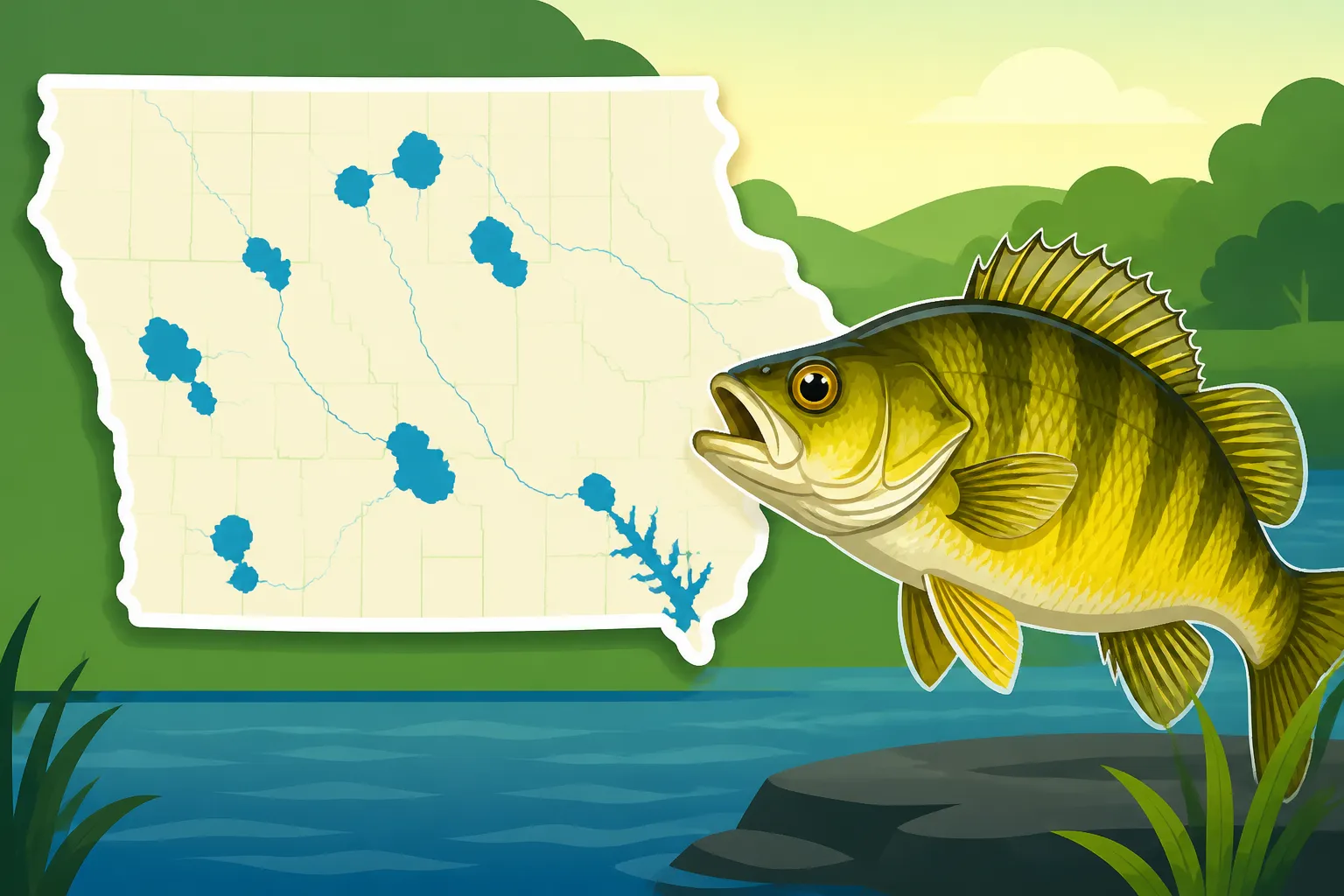
If you're asking "Where Yellow Bass Are Most Common in Iowa?", the absolute first answer, without a shadow of a doubt, is Clear Lake. Located in north-central Iowa, this natural lake is legendary for its prolific yellow bass population. Anglers flock here year-round specifically to target these fish, and for good reason. The lake's expansive open water, coupled with diverse depths, submerged structures, and abundant forage, creates a perfect habitat for yellow bass to thrive.
Clear Lake's reputation for yellow bass isn't just anecdotal; it consistently produces large numbers of healthy fish. During peak seasons, it’s not uncommon for anglers to fill buckets with yellow bass in a single outing. They are found throughout the lake, but key areas include the main lake basin, especially around deep humps and drop-offs. The famous "Little Lake" area on the west end also holds good numbers. Whether you're casting from a boat, shore, or through the ice, Yellow Bass at Clear Lake is a fishing experience every Iowa angler should try. They are often found in schools, making them a prime target if you have a good fish finder to locate them. Look for light jigs, small spoons, or live minnows when you’re out there.
Other Notable Lakes and Reservoirs
While Clear Lake holds the crown, several other Iowa lakes and reservoirs offer excellent yellow bass fishing. These might not always produce the sheer numbers of Clear Lake, but they can still provide fantastic action.
- West Okoboji Lake: Part of the Iowa Great Lakes chain, West Okoboji is a deep, clear lake known for its diverse fishery. While it's more famous for walleye and muskie, it also has a strong yellow bass presence. Look for them in deeper basins and around structure, especially during summer and winter. Their deeper water preferences here mean a good Fish Finders and Electronics for Iowa Anglers setup can be a real game-changer.
- Spirit Lake: Another gem in the Iowa Great Lakes, Spirit Lake is shallower and generally more fertile than West Okoboji. It also supports a healthy population of yellow bass. Anglers often find them mixed in with other panfish, relating to weed lines, rock piles, and points. During the ice fishing season, they can be found schooled up in various parts of the lake.
- East Okoboji Lake: Connecting directly to Spirit Lake and West Okoboji, East Okoboji is often overlooked for yellow bass, but it definitely holds them. It’s an easier lake to fish for beginners due to its shallower nature, and yellow bass can be found in similar habitats to Spirit Lake.
- Lake Icaria: Located in southern Iowa, Lake Icaria is a large reservoir that has developed a solid reputation for its panfish, including yellow bass. The lake's numerous submerged features and brush piles provide excellent cover for baitfish, which in turn attract schooling yellow bass. Anglers here often find success around timber and creek channels.
These lakes often require a bit more searching than Clear Lake, but the reward of finding a school can be just as satisfying. Always check current conditions and reports from local bait shops for the most up-to-date information on where the fish are biting.
| Lake/Reservoir | Primary Yellow Bass Activity | Key Features for Yellow Bass | General Tactics |
|---|---|---|---|
| Clear Lake | Year-round, especially winter | Main lake basin, deep humps, Little Lake | Small jigs, spoons, minnows, plastics |
| West Okoboji Lake | Summer, Winter | Deeper basins, distinct structure, rock piles | Vertical jigging, drop-shot, electronics crucial |
| Spirit Lake | All seasons | Weed lines, rock piles, points, shallow bays | Jigs, small crankbaits, slip bobbers with bait |
| East Okoboji Lake | All seasons | Similar to Spirit Lake, shallower areas, transitions | Small jigs, minnows, casting small lures |
| Lake Icaria | Spring, Fall | Submerged timber, creek channels, brush piles | Light tackle, minnows, tiny crankbaits, plastics |
River Systems: Lesser-Known Opportunities
While yellow bass are predominantly lake dwellers, they can also be found in certain river systems, particularly those with slower currents and deeper pools or backwater areas that mimic lake environments. The Mississippi River along Iowa's eastern border occasionally produces yellow bass, especially in the calmer backwaters, sloughs, and protected side channels of pools like Mississippi River Pool 10 Fishing or Pool 9. Here, they'll congregate around submerged timber, current breaks, and weed beds.
Other larger rivers in Iowa, such as the lower stretches of the Des Moines River or the Cedar River, might hold scattered populations, especially in oxbow lakes or slow-moving sections with deeper holes. However, these riverine populations are generally not as dense or consistent as those found in the major lakes. Targeting them in rivers often means a more opportunistic approach, perhaps catching them while fishing for other panfish or bass. If you're exploring these river systems, focus on areas where the current is minimal and there's plenty of structure, which helps them feel safe and find food.
Seasonal Movements and Best Times to Target
Just like any fish, yellow bass movements and feeding patterns are heavily influenced by the seasons and water temperature. Knowing when and where to find them throughout the year can significantly increase your success.
Spring Spawning and Shallow Water Action
As the ice recedes and water temperatures begin to climb into the 50s Fahrenheit, yellow bass start to become more active. Typically, around late April to early June, they will move into shallower areas to spawn. During this time, you can often find them in bays, along shorelines with emergent vegetation, and around shallow points. They're not as particular about specific "nests" as some other panfish, but they definitely congregate in these warmer, protected areas.
This period offers fantastic shore fishing opportunities, as the fish are often accessible without a boat. Small jigs tipped with plastic tails or a piece of nightcrawler, tiny inline spinners, or even small minnow imitations can be deadly. The key is to fish slowly and thoroughly, as they might be a bit lethargic immediately after ice-out. As the water warms, their activity picks up, leading to aggressive bites. This is a great time to be casting lightweight lures you might find on Amazon.
Summer Schooling and Deep Water Strategies
Once the water fully warms up in summer, yellow bass will transition from their shallow spawning grounds to deeper, cooler water. They'll form large schools and suspend in the water column, often relating to main lake basins, deep humps, and the edges of drop-offs. Their movements will be dictated by the presence of baitfish and comfortable temperatures.
During summer, your electronics become invaluable. A good fish finder is essential for locating these suspended schools. Once found, vertical jigging with small spoons, blade baits, or dropping a slip bobber with a minnow to the depth of the school can be incredibly effective. Trolling small crankbaits or jigs can also help you cover water and intersect moving schools. This is a time when having a variety of Best Lures for Panfish in your tackle box really pays off, as their preferences can change day by day.
Fall Feeding Frenzies
Fall is a fantastic time for yellow bass fishing. As water temperatures start to cool, yellow bass enter a period of aggressive feeding, trying to pack on weight for the upcoming winter. They'll often move back into shallower areas, chasing baitfish that are also moving towards the shallows before the cold really sets in. Points, weed edges, and even some creek mouths can be productive.
The fall bite can be some of the most exciting fishing of the year. The fish are often fat and feisty. Casting small crankbaits, lipless crankbaits, and even larger jigs can be very effective as they aggressively pursue forage. They might not be in as tight of schools as they are in summer or winter, but they’ll be actively foraging, making them easier to pick off individually or in smaller groups.
Winter Ice Fishing Opportunities
When the ice forms, yellow bass become one of Iowa's most popular ice fishing targets, particularly at Clear Lake. Under the ice, they revert to forming massive, tightly packed schools, usually in the deeper basins of lakes or around significant submerged structures. These schools can be enormous, extending across football fields of lake bottom.
Locating these schools under the ice is the primary challenge and also the key to success. Anglers use portable fish finders or underwater cameras to pinpoint their exact depth and location. Once a school is found, the action can be non-stop. Small tungsten jigs tipped with wax worms, plastics, or minnow heads are exceptionally effective. Small spoons like Kastmasters or Swedish Pimples also work wonders. Drilling multiple holes and "hole hopping" is a common strategy to find and stay on the schools. Ice Fishing in Iowa offers a unique and highly productive way to target yellow bass, especially during mid-winter.
Tips for Locating Yellow Bass
Knowing where yellow bass are common is only half the battle. The other half is actually finding them within those waters. It requires a combination of modern technology, local knowledge, and good old-fashioned angling intuition.
Using Electronics and Local Knowledge
In today's fishing world, electronics are an incredible asset, especially when targeting schooling fish like yellow bass. A good fish finder can show you not only the depth but also baitfish schools and the larger arches or blobs that indicate a school of yellow bass. Side-imaging and down-imaging technologies can further refine your search, allowing you to scout broader areas more efficiently. When you see dense marks near the bottom or suspended in the water column, it’s time to drop a line.
However, don't underestimate the power of local knowledge. Bait shop employees are a treasure trove of information. They know which areas have been producing, what baits are working, and what the current conditions are like. Online fishing forums and local social media groups dedicated to Iowa Fishing can also offer real-time insights from fellow anglers. Sometimes, just striking up a friendly conversation at the boat ramp or on the ice can lead to invaluable tips. Remember, fishing is a community sport, and sharing knowledge often benefits everyone.
Baits and Lures for Yellow Bass
Yellow bass aren't particularly picky, which is one of their charms. However, some baits and lures consistently outperform others. For live bait, small minnows (especially fatheads) are king, either fished under a bobber or on a small jig. Wax worms, maggots, and small pieces of nightcrawler can also be very effective, especially for ice fishing.
When it comes to artificial lures, keep things small and bright. Here are some reliable options:
- Small Jigs: Think 1/32 to 1/8 ounce jigs. Tipping them with soft plastic grub bodies, tubes, or small swimbaits in white, chartreuse, pink, or bright orange can be deadly. You can find a huge variety of these on Amazon.
- Spoons: Tiny jigging spoons (like a 1/8 or 1/4 ounce Kastmaster or similar blade bait) are excellent, especially for vertical jigging over suspended schools. Flashy silver, gold, or holographic finishes work well.
- Inline Spinners: Brands like Mepps or Rooster Tail in sizes 0 or 1 can be effective when casting to active schools, particularly in spring and fall.
- Small Crankbaits: Very small, shallow-diving crankbaits or lipless crankbaits, in patterns mimicking baitfish or crayfish, can entice aggressive yellow bass, especially during the fall.
The key is often to present something that's small enough for them to easily engulf, and to work it with a retrieve that mimics injured baitfish or insects. A twitch, pause, and reel approach is often more effective than a steady retrieve. Don't be afraid to experiment with colors and retrieves until you find what the fish are responding to on any given day.
Disclaimer
This article is for general informational purposes only and does not constitute professional advice. Laws, prices and regulations vary by location and change over time. Consult a qualified professional for guidance on your specific situation.