Largemouth vs Smallmouth Bass Differences
It can be incredibly frustrating when you're out on the water, you hook into a fantastic bass, and then you're left scratching your head, wondering, "Is this a largemouth or a smallmouth?" They're both iconic sport fish in Iowa, offering thrilling fights and memorable days, but they have distinct personalities and preferred hangouts. This comprehensive guide will meticulously break down the crucial differences between largemouth and smallmouth bass, helping you identify them confidently, understand where to find them in Iowa's diverse waters, and even tailor your fishing approach for each.
Physical Characteristics: Telling Them Apart at a Glance
The first step to confidently identifying a bass is to look closely at its physical features. While both are members of the black bass family, they have some very noticeable distinctions that, once you know them, become second nature. It’s not just about size; it's about shape, color, and even attitude.
Mouth Size and Jawline
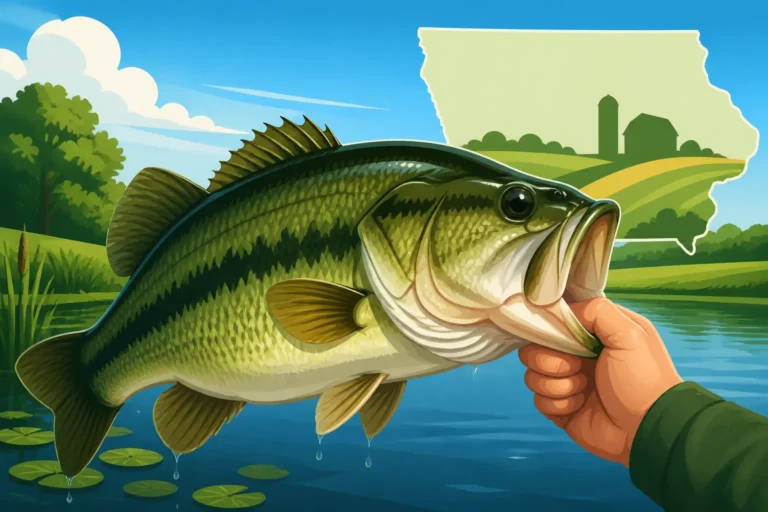
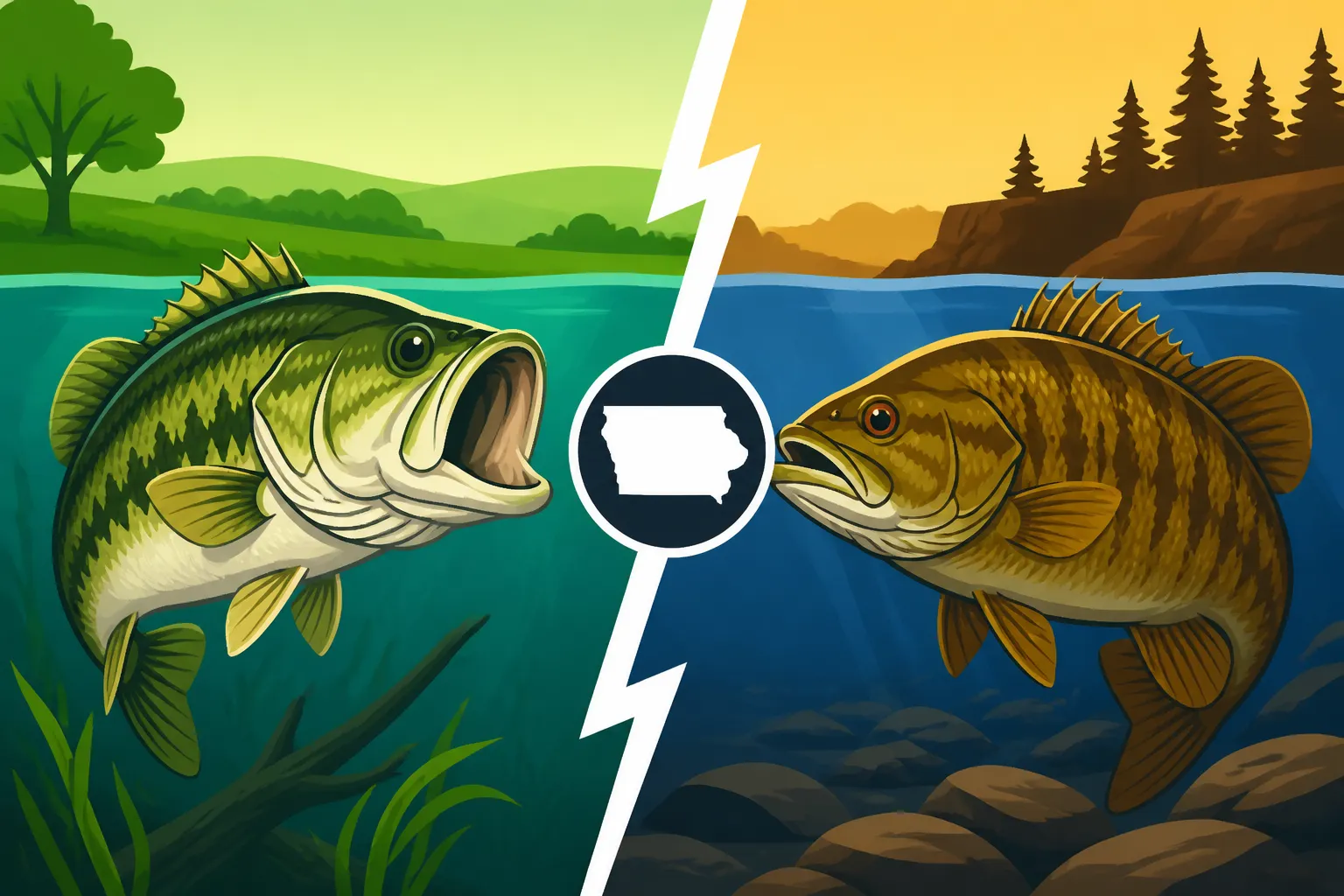
This is often the most reliable "tell" when differentiating between a largemouth and a smallmouth. Imagine drawing a line straight down from the back of the fish's eye. On a largemouth bass, the corner of its mouth, or the maxilla, will extend past that imaginary line. Their mouth is noticeably larger, giving them that classic "bucketmouth" appearance. This anatomical feature allows them to gulp down larger prey items, which influences their feeding habits and, consequently, the types of lures they strike. You'll often hear anglers talk about the "big mouth" of a largemouth, and it's no exaggeration. This prominent jaw is built for engulfing.
Conversely, a smallmouth bass has a much smaller, more compact mouth. The corner of its mouth will typically end before or directly under the middle of its eye. It's a subtle but consistent difference. Their jawline appears more streamlined and less exaggerated than their largemouth cousins. This smaller mouth size is a direct reflection of their diet, which tends to consist of smaller, more nimble prey. Getting used to this visual cue will save you a lot of guesswork at the boat ramp or on the water.
Dorsal Fin and Body Shape
Beyond the mouth, pay attention to the dorsal fin and overall body profile. A largemouth bass typically has a deeply notched dorsal fin, almost appearing like two separate fins. The front, spiny part of the dorsal fin is distinctly separated from the softer-rayed rear section by a significant indentation. Their body tends to be more elongated and somewhat heavier, especially around the midsection. They can sometimes appear almost football-shaped, particularly older, fatter fish that have been gorging on shad or bluegill. Their scales often feel smooth, especially when compared to the coarser texture of some other fish species.
Smallmouth bass, on the other hand, boast a more uniformly connected dorsal fin. While there is still a slight indentation between the spiny and soft-rayed sections, it's far less pronounced than on a largemouth. Their body shape is generally more streamlined, muscular, and "bronze" colored, which is where they get their nickname "bronze back." They tend to be leaner, and their overall profile speaks to their preference for current and rocky environments. They often appear to have a more upright posture in the water, ready to dart and ambush. This more athletic build contributes to their reputation for powerful, acrobatic fights.
Coloration and Markings
Color can be a bit tricky because it varies so much based on water clarity, diet, and habitat, but there are general trends. Largemouth bass are often a darker green on their backs, fading to a lighter green or even white on their bellies. Their most distinctive marking is a prominent, irregular, horizontal dark stripe or series of blotches running along their sides, from gill plate to tail. This lateral line pattern helps them blend into weedy, shadowy environments. Sometimes, in very clear water or on sandy bottoms, this stripe might be less defined, but it's almost always there to some degree. The top of their head and back might have a mottled appearance, further enhancing their camouflage in dense cover.
Smallmouth bass are renowned for their beautiful "bronze" or golden-brown coloration on their backs and sides, hence the "bronze back" moniker. They typically lack the prominent horizontal stripe of the largemouth. Instead, you'll often find a series of dark, vertical bars or tiger stripes along their sides, especially when they are freshly caught or in clear water. Their eyes often have a reddish or orange tint, which adds to their striking appearance. The belly is usually white or cream-colored. This darker, more uniform color scheme helps them blend seamlessly with rocky bottoms and gravel beds. When you pull a smallmouth from a clear, rocky river, its vibrant bronze hue is truly a sight to behold.
Habitat and Preferred Environment: Where to Find Each Bass
Understanding where these fish like to live is half the battle when trying to catch them. Largemouth and smallmouth bass have distinct preferences for water type, cover, and temperature, making certain areas of Iowa either a largemouth haven or a smallmouth sanctuary.
Largemouth's Domain: Weedy, Warm, Shallow Water
If you're looking for largemouth bass, think warm, shallow, and vegetated. These are classic characteristics of many Iowa lakes, ponds, and slower-moving river backwaters. Largemouth thrive in water temperatures ranging from the upper 60s to low 80s Fahrenheit. They are ambush predators who love to hide in dense cover, waiting for an unsuspecting meal to swim by. This means you'll find them holding tight to thick weed beds, lily pads, submerged timber, fallen trees, brush piles, and around docks or other man-made structures. The murkier the water, the better for a largemouth, as it provides excellent camouflage for their dark markings.
Think about those lazy summer days on a farm pond or a backwater slough off the Mississippi River. That's prime largemouth territory. They use the abundant vegetation and structure to hide, dart out for a meal, and then retreat quickly. Even in larger lakes like Rathbun Lake or Saylorville Reservoir, largemouth will gravitate towards the shallow, protected coves with plenty of weeds and wood. They often spend their entire lives in a relatively small area, as long as it provides food, cover, and comfortable water temperatures. Largemouth Bass Habitat in Iowa Ponds offers more specific insights into these preferred locations.
Smallmouth's Stronghold: Rocky, Cool, Clear Water
Now, switch gears completely for smallmouth bass. These powerful fighters prefer cooler, clearer, and rockier water with some current. You'll rarely find a smallmouth buried deep in a lily pad field. Instead, they gravitate towards rocky shorelines, gravel bars, rip-rap, boulders, current breaks, and drop-offs in rivers and clear-water lakes. They thrive in water temperatures generally in the 60s Fahrenheit. They are less about hiding in dense cover and more about positioning themselves in strategic ambush points where current brings food to them or where they can dart out from rock crevices to snatch prey.
In Iowa, this often means targeting the state's incredible river systems like the Upper Iowa River, the Maquoketa River, or stretches of the Des Moines River. The mighty Mississippi River, with its extensive wing dams, rock piles, and current, is also a phenomenal smallmouth fishery, especially in its northern pools. You can also find them in some of Iowa's deeper, clearer natural lakes, particularly around rocky points and breaks. Smallmouth Bass Habitat on the Mississippi River provides excellent detail on how to pinpoint them in that specific, dynamic environment. They're often found deeper than largemouth, especially during the brighter parts of the day, seeking those cooler, oxygen-rich zones near structure.
Iowa-Specific Habitats: Where to Find Them in Our State
Iowa offers diverse opportunities for both species. For largemouth bass, look to the numerous public and private ponds scattered across the state. Lakes such as Clear Lake, Rathbun Lake, and Saylorville Reservoir all hold healthy populations of largemouth, especially in their shallower arms and bays with abundant aquatic vegetation. The backwater areas of the Mississippi River are also incredible largemouth fisheries, offering miles of prime habitat. Our smaller, slower rivers with plenty of woody debris also hold good numbers.
For smallmouth bass, your best bet in Iowa is often to head north and east to the rivers with clearer water and rocky bottoms. The Upper Iowa, Yellow, Maquoketa, and Turkey Rivers in northeast Iowa are legendary for their smallmouth fishing. The main channel and specific structures within the Mississippi River are also key locations. Even some of the larger, deeper natural lakes like the Iowa Great Lakes (Okobojis, Spirit Lake) have smallmouth populations, particularly around rocky points, humps, and steep drop-offs. Always check the Iowa Fishing Atlas Access Points for specific public access points to these prime smallmouth waters. Understanding these preferred habitats is critical, as it directly impacts your fishing strategy, from lure selection to presentation.
Diet and Feeding Habits: What's on Their Menu?
The differences in their mouths and habitats naturally lead to very different dining preferences. Knowing what each bass likes to eat will help you "match the hatch" or, more accurately, "match the meal" with your lure choices.
Largemouth's Opportunistic Appetite: Frogs, Mice, Big Prey
The largemouth bass is a true apex predator in its environment, and its diet reflects its "eat anything that fits" philosophy. With that big mouth, they're not shy about taking down substantial prey. Their diet primarily consists of baitfish like shad, bluegill, and various minnow species. However, they are incredibly opportunistic and will readily consume frogs, crayfish, snakes, small ducklings, and even mice or small birds that fall into the water. If it moves and they can swallow it, it's fair game. This wide-ranging diet means they often respond well to larger, more aggressive presentations.
They typically ambush their prey from cover. A largemouth will hide in the weeds, behind a log, or under a dock, waiting patiently for a meal to swim by. Then, with a sudden burst of speed, they'll engulf their target. This explosive strike is one of the most exciting aspects of largemouth fishing. This feeding strategy is why lures that mimic injured baitfish, hopping frogs, or struggling rodents are so effective. When you're fishing a thick weed line and throw a topwater frog, you're directly appealing to their opportunistic, ambush-oriented hunting style.
Smallmouth's Crustacean and Baitfish Diet: Crayfish, Minnows
Smallmouth bass, with their smaller mouths and preference for rocky, clear water, have a more refined palate, though still quite diverse. Crayfish are often the absolute number one food source for smallmouth, especially in river systems. Their diet also includes a variety of baitfish such as darters, sculpins, and various minnow species that inhabit rocky bottoms. Insects, both aquatic and terrestrial, can also be a significant part of their diet, particularly in streams where bugs are abundant. While they can and do eat larger baitfish, their mouth size means they're not typically going after a full-grown bluegill or a large frog like a largemouth might.
Smallmouth are active hunters, often patrolling rock piles, current seams, and ledges. They use their keen eyesight in clear water to spot prey and their powerful swimming ability to run it down. When they strike, it's often a hard, aggressive hit, but they might not engulf the lure quite as readily as a largemouth due to their mouth structure. Lures that imitate crayfish (jigs, tubes) or small baitfish (crankbaits, jerkbaits) are incredibly effective for smallmouth. You're trying to mimic the natural forage they're accustomed to encountering in their clear, rocky domains.
Impact on Lure Selection: Tailoring Your Tackle
Understanding their diet is paramount to effective lure selection. For largemouth bass, think "loud, proud, and in your face" when it comes to lures. Large spinnerbaits, chatterbaits, hefty jigs with big trailers, Texas-rigged soft plastics (worms, creature baits), topwater frogs, and big crankbaits that dive into cover are all excellent choices. The goal is to create commotion and mimic substantial prey. For example, a 7-inch plastic worm slowly worked through a weed bed can be irresistible. Best Lure Color for Muddy Water might also be a relevant read if you're targeting largemouth in stained water. You can find a huge variety of these effective lures on sites like Amazon, ready to be added to your tackle box for your next largemouth adventure.
For smallmouth bass, lean towards more subtle, natural presentations that imitate crayfish or smaller baitfish. Jigs (football jigs, hair jigs) that bounce along rocky bottoms, tube baits, small crankbaits that dive to rocky depths, jerkbaits, and finesse presentations like Ned rigs or drop shots are all highly effective. They are often more wary in clear water, so a natural look and subtle action can be key. For river smallmouth, a small, dark colored crankbait that bumps off rocks or a jig that crawls along the bottom is often deadly. Best Lures for a Starter Tackle Box is a good resource for beginning anglers to get equipped for both species, making sure you have options for each. Remember, presenting the right bait in the right location is crucial.
Behavioral Tendencies and Fight Style: The Thrill of the Catch
Both bass species offer an incredible angling experience, but their fighting styles and general demeanor are quite different, providing unique challenges and rewards.
Largemouth's Ambush Tactics: Cover-Oriented, Explosive Strikes
When a largemouth bass strikes, it's often a surprise, a sudden, violent eruption from cover. They typically don't chase a lure for long distances; instead, they wait for it to enter their strike zone. Once hooked, their initial run is often short and powerful, immediately trying to dive back into the very cover they emerged from. This means they'll attempt to wrap your line around a submerged log, bury themselves in a weed bed, or rub it against a dock post. Their fight is characterized by strong headshakes and often a deep, bulldogging pull.
Because they tend to stay in heavy cover, getting a largemouth out of its lair can be a real battle of strength and leverage. You need to be ready to lean into them, pull them away from structure, and wrestle them to the boat. They might jump once or twice, but generally, their fight is more about raw power and dirty tactics than acrobatic leaps. It’s a test of your gear and your ability to control the fish. This makes Best Rod for Catfish Fishing a good comparable read, as catfish also require robust gear and technique to haul them from snags.
Smallmouth's Energetic Battle: Jumps, Runs, Tough Fight
A smallmouth bass is often hailed as one of the hardest-fighting freshwater fish, pound for pound. When you hook a smallmouth, be prepared for an energetic, acrobatic display. Unlike largemouth, smallmouth are known for their spectacular jumps, often clearing the water completely multiple times during the fight. They make powerful, sustained runs, peeling line off your reel, and will often use the current to their advantage, making them feel even bigger than they are. Their fight is less about diving into cover and more about open-water acrobatics and relentless tugging.
They pull hard, shake their heads violently, and never seem to give up. Even when you think you have them whipped, they can suddenly dive and make another strong run. This makes them incredibly exciting to catch, especially on lighter tackle. The sound of a drag screaming as a smallmouth takes off is music to many anglers' ears. Their muscular, streamlined bodies are built for battling current and making those thrilling leaps. You'll definitely want to check out Best Rod Length for Iowa River Walleye Fishing for tips on strong rods capable of handling powerful river fish, as smallmouth certainly fit that description.
Seasonal Patterns and Activity: When and Where They Move
Both species exhibit seasonal patterns, but their specific movements are tied to their preferred habitats. Largemouth bass are heavily influenced by water temperature and the presence of abundant shallow cover. In spring, they move into shallow, protected bays for spawning, often associated with weed growth or woody debris. As summer progresses, they might move slightly deeper during the day but will remain connected to vegetation or structure, especially during low light conditions. In fall, they feed heavily in shallower areas before retreating to deeper, stable water for winter, often around main lake points or creek channels that still offer some type of structure.
Smallmouth bass also follow temperature cues but their movements are more tied to current and rocky structure. In spring, they'll migrate up rivers or onto rocky lake flats to spawn. Throughout summer, they'll hold on current breaks, deep rock piles, and ledges, often moving shallower to feed during low light or cloudy conditions. In fall, they engage in aggressive feeding frenzies on rocky points and humps, stocking up before winter. They then move to deeper, slower pools in rivers or deep rock structures in lakes to overwinter. Understanding Iowa Fishing Season Dates and Limits is crucial for both species, as their activity directly impacts your success throughout the year.
Fishing Techniques and Gear: Tailoring Your Approach
Since largemouth and smallmouth live in different environments and eat different things, it makes sense that the best ways to catch them also differ. You wouldn't use a sledgehammer to drive a finish nail, and you wouldn't use ultra-light gear for deep-water trolling. The same principle applies here.
Largemouth Lures and Presentations: Soft Plastics, Topwater, Spinnerbaits
When targeting largemouth bass, your approach should generally focus on presenting lures into or around heavy cover. This means using weedless presentations or lures designed to be fished through thick stuff.
- Soft Plastics: Texas-rigged worms, creature baits, and senkos are absolutely lethal. They can be worked through dense weeds, brush piles, or around docks without snagging. A slower, more deliberate retrieve often triggers strikes from these ambush predators. You can find fantastic deals on bulk soft plastics on Amazon.
- Topwater Lures: Frogs, poppers, and walking baits fished over lily pads, emergent weeds, or around shoreline cover at dawn and dusk are incredibly exciting. The explosive strikes on topwater are truly unforgettable.
- Spinnerbaits and Chatterbaits: These are excellent search baits for covering water quickly, especially around submerged grass or wood. Their flash and vibration can draw largemouth out of cover.
- Jigs: Heavy jigs with plastic trailers (like crawfish imitations) are perfect for punching through matted vegetation or flipping into tight spots like laydowns and dock pilings.
The key is to get your lure into their living room, where they feel safe and confident to strike. How to Fish a Spinnerbait for Bass provides specific techniques for this effective largemouth lure.
Smallmouth Lures and Presentations: Jigs, Crankbaits, Tubes
For smallmouth bass, your strategy shifts to working lures along rocky bottoms, current seams, and structural elements. Finesse and mimicking natural prey are often key in their clearer environments.
- Jigs: Smallmouth absolutely devour jigs, especially those that mimic crayfish. Football jigs, hair jigs, and even Ned rigs are deadly when bounced or dragged along rocky bottoms. Work them slowly, letting them hop and crawl like a crawfish.
- Crankbaits: Deep-diving crankbaits that deflect off rocks and gravel are highly effective. Medium-diving crankbaits work well along rocky shorelines and current breaks in rivers. Look for natural color patterns.
- Tube Baits: These soft plastic lures are fantastic for imitating crayfish or small baitfish. Rigged on an internal jig head, they can be dragged, hopped, or twitched along the bottom.
- Jerkbaits: Suspended jerkbaits are killer for smallmouth, especially in cooler water. A "twitch-twitch-pause" retrieve often triggers aggressive strikes from following fish.
- Drop Shot Rigs: When the bite is tough or fish are deep, a drop shot with a small soft plastic bait can be incredibly effective for presenting a lure right in their face.
Presenting your lure naturally and systematically covering prime smallmouth structure is vital. For river fishing, Drift Fishing the Mississippi River can offer insights into covering water effectively where smallmouth roam.
Rod, Reel, and Line Considerations: Matching Your Setup
Your gear setup should also reflect the species you're targeting.
For largemouth bass, especially when fishing heavy cover, you'll generally want a heavier setup.
- Rods: Medium-heavy to heavy power casting rods (6'6" to 7'6") with fast to extra-fast actions are ideal for pulling fish out of thick stuff and setting hooks with heavy lures.
- Reels: Baitcasting reels with a good drag system and a retrieve ratio around 6.4:1 to 7.1:1 are common, offering power and speed.
- Line: Braided line (30-65 lb test) is very popular due to its strength, sensitivity, and resistance to abrasion in cover. Fluorocarbon (15-20 lb test) is also a good choice for some presentations due to its low visibility and abrasion resistance.
You'll appreciate the strength when you need to quickly turn a big largemouth away from a sunken log.
For smallmouth bass, particularly in clear water or when using lighter baits, a more balanced approach is often preferred.
- Rods: Medium power spinning rods (6'6" to 7'0") with fast actions are excellent for casting lighter jigs and baits and for feeling subtle bites. Medium-heavy casting rods can also be used for heavier crankbaits or tubes.
- Reels: Spinning reels are often favored for their ability to cast lighter lures and manage lighter line. Look for a smooth drag system.
- Line: Fluorocarbon (8-12 lb test) is a top choice due to its invisibility underwater, which is crucial in clear smallmouth habitats. Braided line (10-20 lb test) with a fluorocarbon leader is also a very effective setup, offering sensitivity with a stealthy presentation.
The finesse of a spinning setup often allows for longer casts and better control with the smaller lures preferred by smallmouth. Best Spinning Reels for Panfish might give you an idea of the type of delicate control needed, even though smallmouth require more power.
Conservation and Management in Iowa: Protecting Our Bass Fisheries
Iowa's Department of Natural Resources (DNR) works tirelessly to manage and protect our valuable bass populations. As anglers, we have a crucial role to play in ensuring these fisheries remain healthy for future generations.
Iowa's Regulations: Size and Bag Limits
Iowa has specific fishing regulations in place for both largemouth and smallmouth bass, which can vary by water body. These regulations are designed to ensure sustainable populations and provide quality fishing opportunities. For example, many lakes and rivers have minimum length limits (e.g., 15-inch minimum length for bass in public lakes and some rivers) and daily bag limits (e.g., a combined daily limit of 5 bass). These limits might be more restrictive on certain "trophy" waters or within specific protected areas.
It's absolutely essential to consult the current Iowa Fishing Regulations Explained before heading out. Regulations can change annually, and what applies to a farm pond might be different from a major reservoir or the Mississippi River. Fines for exceeding limits or keeping undersized fish can be substantial, so always be informed. Understanding these rules helps protect the bass populations and keeps you on the right side of the law.
Stocking and Habitat Programs: Efforts to Maintain Populations
The Iowa DNR actively manages bass populations through various programs. While both species reproduce naturally in suitable habitats, largemouth bass are often stocked in newly constructed ponds or renovated lakes to establish populations. Habitat improvement projects, such as placing artificial brush piles or restoring natural aquatic vegetation, are critical for largemouth, especially in older lakes where natural cover has degraded. These efforts provide crucial spawning, feeding, and refuge areas for the fish, directly impacting their survival rates and overall health.
Smallmouth bass management often focuses on protecting and enhancing their preferred riverine and rocky lake habitats. Efforts to improve water quality, prevent erosion, and restore natural river flows are vital for healthy smallmouth populations. In some cases, fingerling smallmouth might be stocked to supplement natural reproduction or introduce the species to new, suitable waters. These programs ensure that Iowa's diverse aquatic environments continue to support thriving bass populations for everyone to enjoy.
Catch and Release Practices: Importance for Both Species
For many bass anglers, particularly those targeting larger fish or fishing in heavily pressured waters, catch and release is a cornerstone of responsible fishing. This practice ensures that trophy-sized bass, which are often the most prolific spawners, are returned to the water to reproduce and grow, contributing to the genetic health and overall quality of the fishery. Catch and release is especially important for smallmouth bass, which often grow slower and can be more susceptible to overfishing in certain river systems.
When practicing catch and release, handle fish carefully. Minimize their time out of the water, use wet hands to hold them, support their body weight, and revive them gently if needed before releasing. Avoid touching their gills or eyes. Utilizing barbless hooks can also make removal easier and reduce stress on the fish. While it's always fun to keep a few for a meal (within legal limits, of course!), consciously releasing bass, particularly larger ones, contributes directly to the long-term health and vitality of Iowa's incredible bass fishing. It's a small act that makes a huge difference.
Summary of Differences: Largemouth vs. Smallmouth Bass
To help clarify the distinctions, here's a quick overview of the key differences we've covered:
| Feature | Largemouth Bass | Smallmouth Bass |
|---|---|---|
| Mouth Size | Upper jaw extends past the eye | Upper jaw ends before or directly under the eye |
| Dorsal Fin | Deeply notched, appears almost like two separate fins | Moderately notched, more connected |
| Body Shape | More elongated, somewhat thicker, football-shaped | More streamlined, muscular, "bronze back" profile |
| Coloration/Markings | Dark green back, distinct horizontal dark stripe | Bronze/golden-brown back, vertical bars/tiger stripes |
| Preferred Habitat | Warm, shallow, weedy, structured (lakes, ponds, backwaters) | Cool, clear, rocky, current (rivers, deep lakes) |
| Primary Diet | Baitfish, frogs, crayfish, large insects, small mammals | Crayfish, small baitfish, insects |
| Feeding Style | Ambush predator from heavy cover | Active hunter, patrols rocky areas, current breaks |
| Fight Style | Powerful, bulldogging, dives into cover, strong headshakes | Acrobatic, jumps, long runs, relentless |
| Typical Lures | Soft plastics (worms, creatures), topwater, spinnerbaits, jigs | Jigs (football, hair), tubes, small crankbaits, jerkbaits |
| Key Iowa Locations | Farm ponds, Clear Lake, Rathbun Lake, Mississippi River backwaters | Upper Iowa River, Maquoketa River, Mississippi River main channel, Iowa Great Lakes |
This table should serve as a handy reference on your next Iowa fishing trip. With a little practice, you'll be able to identify your catch quickly and accurately, enhancing your understanding and appreciation of these magnificent freshwater sport fish.
Disclaimer
This article is for general informational purposes only and does not constitute professional advice. Laws, prices and regulations vary by location and change over time. Consult a qualified professional for guidance on your specific situation.