Night Fishing Techniques for Catfish
Many Iowa anglers find themselves frustrated when the catfish bite slows down to a crawl during the bright, bustling daylight hours. It can feel like these whiskered giants simply vanish! But here's a little secret: when the sun dips below the horizon, and most folks are packing up, a whole new world of opportunity opens up for serious catfish enthusiasts. This guide is all about diving deep into the magical, often overlooked realm of night fishing for catfish, equipping you with the knowledge, gear, and techniques to turn those slow days into unforgettable nights on the water.
Why Night Fishing is a Game Changer for Catfish
For many anglers, the thought of fishing in the dark can be a bit intimidating. But once you understand why catfish prefer the cover of night, it becomes clear that it's often the most productive time to target them. It's a fundamental shift in their world, and understanding it is key to your success.
Catfish Behavior After Dark
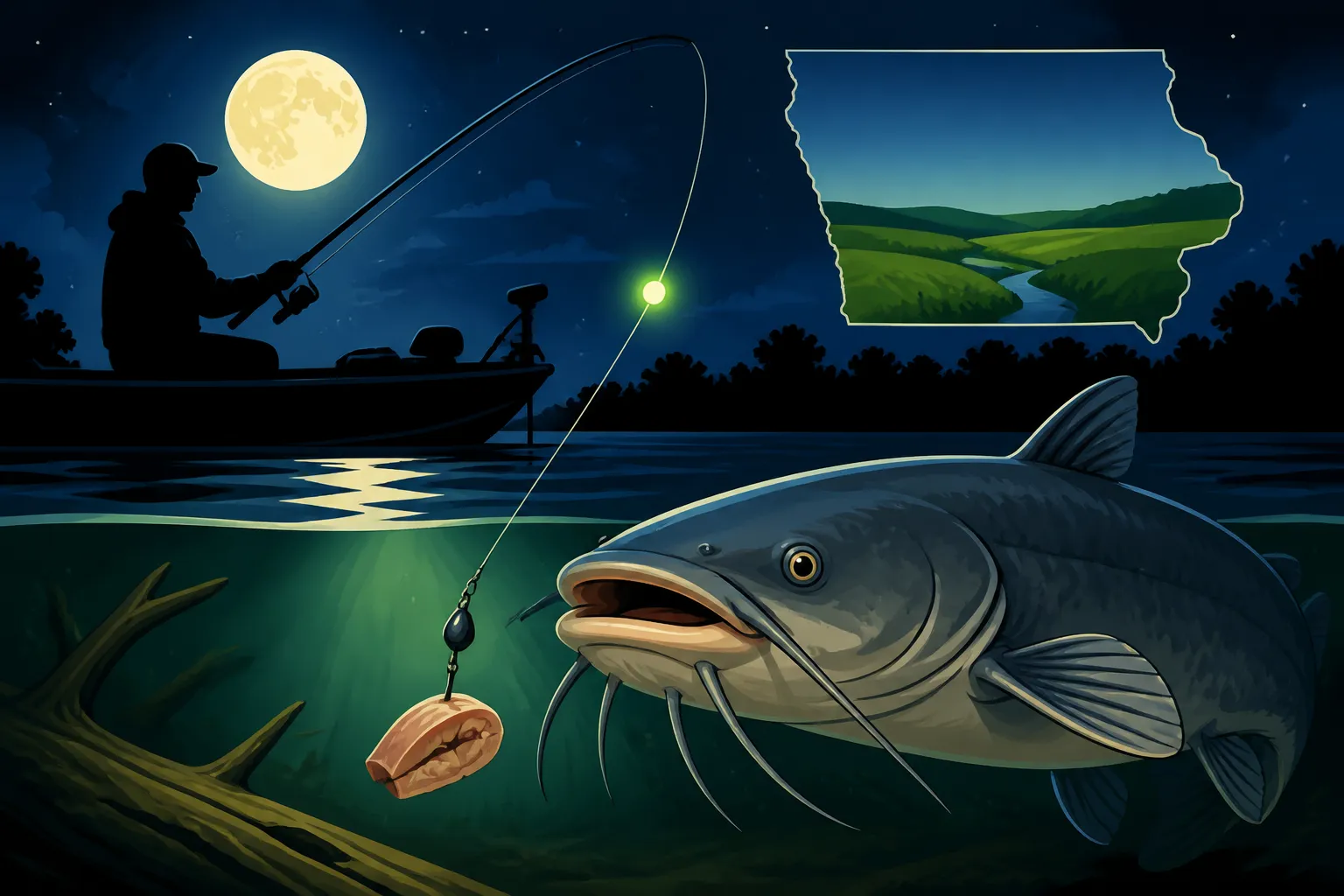
Think about it from a catfish's perspective. During the day, they're often more wary, seeking refuge in deeper, cooler water or tucked away under cover, away from predators and the glare of the sun. But as dusk settles in, a primeval instinct kicks in. Catfish, especially channel cats and flatheads, are primarily nocturnal feeders. Their highly developed senses – particularly their keen sense of smell and their barbels, which are packed with taste buds – are perfectly suited for navigating and hunting in low-light conditions.
The fading light provides them with a cloak of invisibility, allowing them to move into shallower waters, scour creek mouths, and cruise flats where they wouldn't dare venture during the day. They're actively searching for food, making them much more likely to stumble upon and strike your bait. This nocturnal foraging behavior is particularly pronounced for larger, more experienced catfish that have learned to avoid daytime pressure. If you've ever wondered about the difference between a bullhead and a catfish, you'll know that their feeding habits can differ too, but for the main sport species, night is prime time.
Less Pressure, More Bites
Beyond the biological advantages for the fish, night fishing offers a significant benefit for the angler: reduced competition. During daylight hours, popular fishing spots in Iowa can be bustling with boats, jet skis, swimmers, and other anglers. This constant activity creates noise, commotion, and shadows that can spook fish and make them less inclined to bite. The sheer number of lines in the water can also spread the fish out or make them more selective.
When night falls, most of this activity ceases. Lakes become calmer, rivers flow with a quiet hum, and the banks empty out. This tranquility allows catfish to relax and move more freely. With fewer boats running overhead and fewer lures splashing down, the fish feel safer and more confident in their feeding patterns. This lack of pressure often translates directly into more consistent bites and, frankly, a much more peaceful and enjoyable fishing experience for you. You'll often have prime fishing grounds almost entirely to yourself, increasing your chances of success and providing a truly serene angling adventure.
Essential Gear for Your Night Catfish Adventure
Prepping for a night fishing trip requires a bit more thought than a daytime outing. Safety, visibility, and handling fish in the dark are all factors to consider. Having the right tools won't just make your trip safer; it'll make it significantly more enjoyable and productive.
Rods, Reels, and Line Choices
When you're out there chasing big catfish in the dark, you want gear that can handle a serious fight. Catfish aren't known for delicate bites; they hit hard and pull harder.
- Rods: Opt for medium-heavy to heavy-action rods, typically in the 7 to 9-foot range. A longer rod provides better casting distance, which can be crucial for reaching those deep holes or river channels from shore, and also helps with line management, especially if you're using multiple rods. Fiberglass rods are often preferred by seasoned catfish anglers for their durability and forgiving action, which can absorb powerful runs. Brands like Ugly Stik offer excellent, durable options that are perfect for this kind of fishing.
- Reels: For channel catfish, a reliable spinning reel in the 4000 to 6000 size range will usually suffice. However, if you're targeting bigger flatheads or fishing in strong river currents, a sturdy baitcasting reel is often the way to go. Look for reels with a smooth, powerful drag system, as this is your primary tool for tiring out a big fish.
- Line: Monofilament line in the 15-30 lb test range is a classic choice for its stretch, which helps absorb shocks, and its abrasion resistance against underwater snags. However, many anglers are now turning to braided line, especially for larger catfish. Braided line offers superior strength-to-diameter ratio, zero stretch for incredible sensitivity (you'll feel even the lightest taps in the dark!), and excellent abrasion resistance. Just remember, if you're using braid, you'll want to add a fluorocarbon or monofilament leader to reduce visibility, as braid can be quite visible to fish. The best pound test line for catfish fishing on Iowa rivers might vary depending on the river and target size, but erring on the side of stronger line is always a good idea. Consider how many fishing poles you can use in Iowa and set up each one appropriately.
Lighting and Safety Essentials
Navigating and working with tackle in the dark without proper lighting is a recipe for frustration and accidents. Safety should always be your top priority.
- Headlamps: A good headlamp is non-negotiable. It keeps your hands free for baiting hooks, tying knots, and handling fish. Look for models with adjustable brightness settings and, crucially, a red light option. Red light preserves your night vision and is far less likely to spook fish than a bright white beam. Many affordable yet effective headlamps can be found on Amazon.
- Lanterns: A portable LED lantern can be a lifesaver for illuminating your immediate fishing area, making it easier to see your rods, tackle box, and keep your space organized. Battery-powered options are safest and most convenient.
- Navigation Lights (for boats): If you're fishing from a boat, ensure all your navigation lights are in perfect working order. A white all-around light is essential for visibility, and red/green bow lights are required. Always carry extra batteries or a backup power source.
- Life Jackets: Even if you're fishing from shore, having a life jacket easily accessible is smart, especially around unfamiliar water at night. If you're on a boat, wearing one is highly recommended.
- First-Aid Kit: Minor cuts from hooks or fish spines are common. A basic first-aid kit with antiseptic wipes, bandages, and pain relievers is a must-have.
- Bug Repellent: Iowa nights, especially near water, often come with unwelcome guests. Don't let mosquitoes or other biting insects ruin your experience.
Bait and Scent Strategies for Darkness
Catfish are primarily scent feeders, and this becomes even more pronounced at night when visibility is minimal. Your bait choice is paramount.
- Cut Bait: This is a perennial favorite for a reason. Fresh cut bait, like shad, carp, or even panfish, releases strong oils and blood into the water, creating an irresistible scent trail that catfish can follow from a distance. Cut your bait into chunks that fit your hook size, exposing as much flesh as possible. For specific recommendations, check out a comprehensive Catfish Bait Guide for Iowa Anglers.
- Prepared Baits: Stink baits, dip baits, and punch baits are designed specifically to unleash powerful, long-lasting scents. Brands like Sonny's Super Sticky or Catfish Charlie are popular choices among Iowa anglers. These work incredibly well with specialized bait holders or sponges.
- Live Bait: For trophy flatheads, nothing beats a lively bluegill or green sunfish. Flatheads are predatory and prefer live, struggling prey. Ensure your live bait is legal to use and transport according to Iowa Fishing Regulations Explained.
- Scent Enhancers: In addition to your primary bait, you can supercharge its appeal with scent sprays or dips. These concentrated attractants can be applied to almost any bait to create an even stronger odor plume. Some anglers even use garlic powder or anise oil.
- Location, Location, Scent: The key is to get that powerful scent out into the water column where cruising catfish can find it. Fishing current areas or subtle eddies can help disperse your scent further.
| Bait Type | Target Species | Scent Profile | Best Conditions | Notes |
|---|---|---|---|---|
| Cut Bait | Channel, Flathead, Blue | Strong blood/oil | All | Fresh is best; releases scent quickly. |
| Prepared Bait | Channel, Blue | Artificial, pungent | Still/Slow current | Long-lasting scent, good for soaking. |
| Live Bait | Flathead | Natural, struggling | Targeted trophy fishing | Must be legal; attracts predatory fish. |
| Worms | Channel, Bullhead | Earthy | All | Classic, always reliable. |
| Chicken Livers | Channel, Bullhead | Bloody, strong | All | Messy but effective; use bait thread to secure. |
Prime Night Fishing Spots for Iowa Catfish
Knowing where to drop your line is just as important as what bait you're using. Catfish change their patterns after dark, moving to areas they might avoid during the day. Understanding these nocturnal migration routes will put you directly in their path.
River Channels and Deep Holes
On Iowa's rivers, the main channel and any significant deep holes adjacent to it become prime real estate for catfish at night. During the day, larger catfish often hold in these deeper, cooler areas, conserving energy. As darkness falls, they'll begin to move up onto shallower flats or into current seams to feed, but these deeper sanctuaries remain important staging areas and ambush points.
Focus your efforts on the edges of the main channel where it meets a shallower flat or a submerged sandbar. The transition zone often creates a natural highway for feeding catfish. Using a reliable depth finder on your boat, or even just knowing the general contours of the riverbed from experience, can help you identify these hotspots. For shore anglers, look for bends in the river where erosion has created deeper pockets or areas just downstream of obstacles like submerged logs or rock piles. These spots offer cover and break the current, creating ideal resting and feeding zones. Remember, learning How to Find Deep Holes for Catfish can greatly increase your success. The Des Moines River, for example, has some fantastic deep holes and current breaks.
Lake Structure and Inflows
Lakes present a different challenge but offer equally rewarding night fishing opportunities. After dark, lake catfish, particularly channel cats, often move from their deep daytime haunts into shallower areas to forage. They'll hug various types of structure that provide both cover and access to food.
Target submerged points, humps, and ledges. These topographical features act like magnets for baitfish and crawfish, which in turn attract hungry catfish. Areas with submerged timber, rock piles, or old roadbeds are also fantastic. The key is to find structure that offers a distinct change in depth or bottom composition. Inflow areas, such as the mouths of creeks or drainage ditches, are also excellent. These spots often carry nutrients and smaller baitfish into the lake, creating a buffet line for catfish. Look for these areas on the Iowa Great Lakes or large reservoirs like Rathbun Lake and Saylorville Reservoir. Even the shoreline of Clear Lake can hold some good catfish at night, especially near any submerged weed lines.
Mississippi River Specifics for Night Anglers
The mighty Mississippi River, being a border water, has its own set of rules and unique opportunities for night catfishing. Its vastness and varied structure make it a prime destination, but also a complex one. The reciprocal fishing rules on the Mississippi River border can sometimes add a layer of complexity, so always be aware of the specific Iowa Fishing Regulations on the Mississippi River Border.
- Wing Dams and Riprap: These structures are fantastic day and night. At night, catfish will often move to the shallower, current-protected sides of wing dams to feed, especially on the upstream side or in the scour holes below them. The riprap banks, which provide endless crevices for crawfish and baitfish, also hold significant numbers of catfish.
- Backwaters and Sloughs: While the main channel is great, don't overlook the quieter backwaters and sloughs. These areas, particularly those with current flowing through them, can be teeming with catfish looking for a calmer feeding ground away from the main river's strong current and barge traffic.
- Dam Tailwaters: Fishing below the locks and dams on the Mississippi can be incredibly productive at night, as the turbulent water disorients baitfish and concentrates them, creating an easy meal for catfish. Always exercise extreme caution when fishing near dams, especially in the dark. For more specific tactics, explore Summer Catfish Techniques on the Mississippi River. The Best Fishing Spots on the Mississippi River often include these strategic areas.
Tried-and-True Night Fishing Techniques
Once you've found your spot and prepared your gear, it's time to put your bait in the water. Night fishing for catfish often involves specific presentations and a good dose of patience.
Bottom Rigging for Stationary Success
This is probably the most common and effective technique for night fishing catfish, especially when fishing from shore or anchored in a boat. The goal is to get your bait directly on the bottom where catfish are often foraging.
- The Carolina Rig: A staple for catfish, this rig consists of a sliding sinker (egg sinker or no-roll sinker) above a swivel, followed by a leader (typically 12-24 inches) and a hook. The sliding sinker allows the fish to pick up the bait and run a short distance without feeling the full weight of the sinker, leading to more confident bites. The choice between an egg sinker vs bank sinker for catfish often depends on current and bottom type; egg sinkers are good for less snaggy bottoms, while bank sinkers hold better in current.
- Three-Way Swivel Rig: This rig is excellent for presenting bait in current. Attach your main line to one eye of a three-way swivel, a short leader with a sinker to the second eye, and a longer leader with your hook and bait to the third eye. This allows your bait to drift naturally just off the bottom while the sinker holds it in place.
- Heavy Tackle and Rod Holders: Since you'll often be waiting for a bite, sturdy rod holders are crucial. They keep your rods secure and allow you to fish multiple lines (within Iowa's legal limits). When a big catfish hits, it can pull a rod right off the bank or out of your boat if not properly secured. The Best Rod Setup for Catfish on the Mississippi River will certainly involve robust rod holders.
Drifting and Controlled Drifting Tactics
If you're fishing from a boat on a large body of water or a river with a gentle current, drifting can be a highly effective way to cover ground and present your bait to active, cruising catfish.
- Natural Drift: Simply letting your boat drift with the current or wind, trailing your bait behind you. This allows your bait to cover a larger area, increasing your chances of encountering a fish. Use a bottom-oriented rig like a Carolina rig, adjusting sinker weight to maintain bottom contact. Pay close attention to your rod tip for subtle taps.
- Controlled Drifting: This involves using a trolling motor (even a small, quiet electric one like those available on Amazon can work wonders) or a drift sock to slow your drift and maintain better control over your boat's path. This is especially useful in wider river sections or large lakes where you want to meticulously work along a contour line or piece of structure. By controlling your speed and direction, you can present your bait to more fish for longer periods.
- Fan Casting: If you're drifting, make multiple casts in a fan pattern, covering a wide swath of water. This helps you identify where the fish are holding or which depth they prefer. Once you get a bite, you can focus your efforts on that specific zone. This technique is often combined with How to Find Deep Holes for Catfish by observing changes in depth on your fish finder during the drift.
Patience and Stealth Under the Stars
Night fishing is often a slower, more deliberate affair than daytime angling. Patience is paramount, as bites can be few and far between before suddenly picking up.
- Listen to the Night: In the quiet of the night, you'll hear more of what's happening around you. The splashing of a jumping fish, the rustle of leaves, or the hoot of an owl all contribute to the experience. Sometimes, you'll even hear the tell-tale thump of a big catfish hitting your bait before you see your rod tip bend.
- Minimize Disturbances: Keep noise to a minimum. Loud talking, banging gear, or excessive light can all spook sensitive catfish. Move slowly and deliberately. If you're in a boat, use your trolling motor sparingly and quietly. Night Fishing Rules for Anglers often emphasize minimal light and noise.
- Feel for the Bite: With limited visibility, you'll rely heavily on feel. Keep a loose grip on your rod or watch your rod tip intently. Catfish bites can range from a gentle tap to a rod-bending thrasher. Don't be too quick to set the hook on every bump; often, they'll mouth the bait before committing. Let them take it confidently.
- Bring the Right Landing Gear: When you do hook into a big one, landing it in the dark requires a good plan. A wide, deep landing net is essential, and make sure your headlamp is on point to illuminate the water as you bring the fish close. Knowing the Best Landing Net Size for Catfish will help you choose correctly.
Staying Safe and Comfortable After Dark
There’s no denying the allure of the night on the water, but it also brings a unique set of challenges. Prioritizing safety and comfort will ensure your night fishing trip is memorable for all the right reasons.
Navigation and Location Awareness
When the sun goes down, familiar landmarks disappear, and everything looks different. Even if you know a spot like the back of your hand during the day, it can become disorienting in the dark.
- Scout During Daylight: Always visit your chosen fishing spot during the day before attempting to fish it at night. Take note of any potential hazards – submerged stumps, rocky banks, slippery slopes, or hidden obstacles. Understand the access points and exit routes. This is particularly important if you're exploring new areas like those listed in Best Fishing Spots on the Mississippi River.
- GPS and Maps: For boaters, a reliable GPS unit or a charting app on your phone (like the GoOutdoors Iowa app which also helps with buying an Iowa fishing license on the GoOutdoors App) is indispensable. Mark your chosen fishing spots and any hazards. Even shore anglers can benefit from a mapping app to pinpoint their exact location and plan their entry and exit.
- Familiarity with the Water: If you're fishing a river, understand the current patterns and how they change in different sections. On lakes, be aware of submerged structures. The more familiar you are with the specific body of water, the safer you’ll be. Knowing how to read water for structure fishing becomes even more critical at night.
- Tell Someone Your Plans: Always let a friend or family member know where you're going, when you expect to be back, and who you're with. This simple step can be a lifesaver in case of an emergency.
Bug Protection and Weather Preparedness
Iowa nights can be beautiful, but they can also be buggy and unpredictable weather-wise. Don't let these elements catch you off guard.
- Effective Bug Repellent: As mentioned earlier, mosquitoes and other biting insects can quickly turn a peaceful night into an itchy nightmare. Pack a high-quality insect repellent containing DEET or picaridin. Consider wearing long sleeves and pants, even if it's warm, to minimize exposed skin. Some anglers even use mosquito coils or portable repellent devices for a larger protected area.
- Layered Clothing: Even on a warm summer day, night temperatures can drop significantly in Iowa. Dress in layers, bringing an extra sweatshirt, jacket, or rain gear. Being cold and wet is a quick way to end a fishing trip prematurely.
- Check the Forecast: Before heading out, always check the weather forecast for the entire duration of your trip. Be aware of potential thunderstorms, strong winds, or sudden temperature drops. If the forecast looks iffy, it's always better to reschedule. There are often no specific Iowa Fishing Season Dates and Limits for catfish, meaning you can fish for them year-round, but always prioritize safety over a potential bite.
- Emergency Shelter: If fishing from a boat, know where the nearest safe harbor or protected cove is in case a storm rolls in. Shore anglers should identify nearby shelter options or be prepared to pack up quickly.
Respecting the Environment and Other Anglers
Night fishing often feels like you have the world to yourself, but it's crucial to remember that you're sharing the environment and potentially the water with others, even if they're unseen.
- Leave No Trace: Always pack out everything you pack in. This includes bait containers, discarded line, food wrappers, and anything else you bring with you. Leave your fishing spot cleaner than you found it. This practice ensures that beautiful fishing spots remain pristine for everyone to enjoy.
- Minimize Light Pollution: While your headlamp is essential for your work, be mindful of how you use it. Avoid shining bright white lights into the water unnecessarily or directly at other anglers. Use your red light setting whenever possible to preserve your night vision and reduce disturbance.
- Respect Private Property: Ensure you have permission if you're fishing from private land, or stick to designated public access points. Fishing License Rules for Farmland Owners outline specifics for landowners, but for everyone else, public access is key.
- Mind Your Noise Levels: Even if you're the only one you can see, sound carries far over water at night. Keep voices down and avoid loud music or unnecessary noise. This also helps you hear what's happening on the water.
- Fish Responsibly: Adhere to all Iowa Fishing Daily Bag Limits Guide and size restrictions. If you're catching and releasing, handle fish gently, especially in the dark when visibility is reduced. Take care when unhooking and releasing fish to ensure their survival. Check if there is a closed season for catfish – generally, there isn't in Iowa, making them a great target year-round.
Night fishing for catfish is an incredible experience that connects you with nature in a unique way. By preparing properly, understanding catfish behavior, and practicing responsible angling, you'll open up a whole new world of exciting fishing adventures under the stars.
Disclaimer
Please be aware that fishing regulations in Iowa can change. Always consult the latest official Iowa Department of Natural Resources (DNR) regulations before heading out on the water to ensure compliance with all current laws and safety guidelines. This guide is for informational purposes only and does not supersede official regulations.