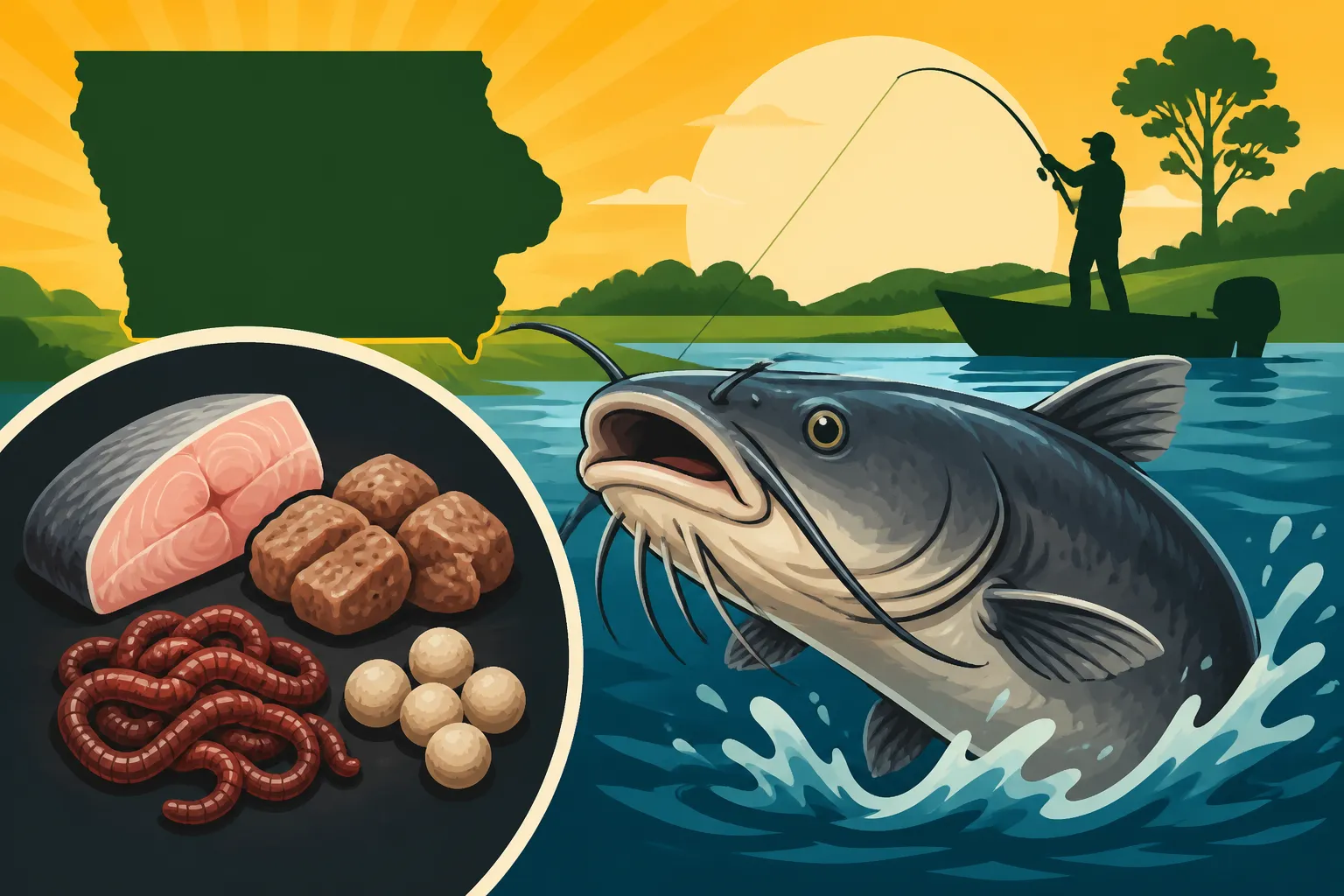
Catfish Bait Guide for Iowa Anglers
If you’ve spent any time on Iowa’s lakes or rivers chasing those whiskered beauties, you know the struggle: there are more catfish baits out there than cornfields in August, and trying to figure out what actually works can feel like a riddle wrapped in a mystery. It's frustrating to spend your hard-earned time and money on baits that just don't produce. This comprehensive guide is here to cut through the noise, offering clear, proven strategies for selecting and using the most effective catfish baits for Iowa anglers, whether you’re targeting a monster flathead or a mess of channel cats.
Understanding Iowa Catfish Species and Their Diets
Before we even talk about specific baits, it's crucial to understand the main catfish species we're dealing with in Iowa and, most importantly, what they naturally prefer to eat. Not all catfish are created equal, and their dietary habits significantly influence which baits will tempt them. Knowing your target species' typical grub will put you miles ahead of the game.
Channel Catfish Preferences
Channel catfish are arguably the most common and widely distributed catfish species across Iowa's waters, from farm ponds to the mighty Mississippi River. These guys are the ultimate opportunists and scavengers, known for their incredible sense of smell. They aren't particularly picky eaters, which is why they respond to such a wide array of baits. Their diet in the wild often includes insects, small fish, crayfish, mussels, and even plant matter, but they are highly attracted to strong, savory smells. This explains why traditional "stink baits" or highly aromatic natural baits work so incredibly well for them. They'll actively cruise for food, using their barbels (whiskers) to detect scent trails in the water, making scent a paramount factor in bait choice. For more details on where these fish hang out, check out our guide on Channel Catfish Habitat in Iowa.
When fishing for channel cats, you’ll want to lean into their scavenger nature. Think about baits that emit a strong scent plume in the water, attracting them from a distance. Their preference for a varied diet also means they're often willing to try something new, giving you a lot of flexibility in your bait selection. If you're looking to consistently hook into these widespread fish, understanding their olfactory-driven feeding habits is the key to filling your cooler. They are usually found in areas with slower currents or structure, allowing those scent trails to concentrate.
Flathead Catfish Predatory Instincts
Now, flathead catfish are a different beast entirely. Unlike their channel cat cousins, flatheads are ambush predators with a distinct preference for live bait. You won't typically catch a flathead on a glob of stink bait or a prepared dough ball. These powerful fish lie in wait, often in deep holes, under logs, or within heavy cover in rivers, and explode on unsuspecting prey. Their natural diet consists almost exclusively of live fish – anything from carp and suckers to bluegill and perch. This predatory nature means your bait strategy needs to shift dramatically if a trophy flathead is your goal.
Targeting flatheads requires patience and a commitment to offering them something that looks and acts alive. Rigging a struggling live baitfish near their known haunts is the most effective approach. They rely on vibration and visual cues of active prey, not necessarily overpowering scent alone (though a live baitfish certainly emits some scent). For those serious about pursuing these giants, understanding their aggressive, territorial nature and preference for a fresh meal is paramount. For more on where to find these elusive fighters, take a look at our Flathead Catfish Habitat and Behavior guide.
Bullhead Adaptability
Bullheads, another common Iowa catfish, are often overlooked but can provide fantastic action, especially for newer anglers or kids. There are three main species in Iowa: black, brown, and yellow bullheads. Like channel catfish, bullheads are generalist feeders and excellent scavengers. They aren't picky and will readily consume insects, small crustaceans, worms, and even detritus. Their adaptability means they're found in a wide range of habitats, including murky ponds, slow-moving creeks, and river backwaters, often tolerating lower oxygen levels than other game fish.
Their broad diet and less discerning nature make them incredibly fun to fish for with simple, readily available baits. You don't need complex rigs or exotic lures; a basic hook and a common bait are usually more than enough to entice a bullhead. They're often found in large schools, so once you find one, you're likely to find more. While they don't reach the sizes of flatheads or large channel cats, they offer consistent bites and are excellent table fare, making them a great target for a relaxing day on the water.
The Allure of Live Bait for Iowa Catfish
When it comes to tempting certain catfish, especially the elusive flathead, nothing beats the appeal of a living, wiggling meal. Live bait offers natural movement, scent, and vibration that can be irresistible, mimicking what these fish naturally hunt in their environment.
Worms and Nightcrawlers
Ah, the humble worm. Is there any bait more classic, more accessible, or more consistently effective for a wide range of fish, including Iowa's channel cats and bullheads? Probably not. Nightcrawlers, in particular, are fantastic because of their size and their ability to stay lively on a hook, releasing those subtle, earthy scents and enticing movements that catfish can't resist. You can find them at pretty much any bait shop, or even gather them yourself after a good rain.
When rigging worms, remember that a wriggling worm is a happy worm. You can thread a nightcrawler onto a hook once or twice, leaving plenty of tail to squirm, or even bunch up several smaller worms on a single hook for a more substantial offering. The goal is to present a natural, easy meal. While flatheads might occasionally strike a large, lively nightcrawler, their true preference lies with finned prey. For channel cats and bullheads, however, a juicy nightcrawler fished on the bottom or under a slip bobber is a time-tested winner, especially in ponds and slower river sections.
Minnows and Small Fish
For predatory catfish like flatheads, and often for larger channel catfish, live minnows or small baitfish are king. The natural darting movements, distress vibrations, and fresh scent of a live shad, chub, bluegill, or other legal baitfish are precisely what triggers a flathead's hunting instinct. In Iowa, it's crucial to know the regulations regarding the use of game fish as bait; typically, you can use legal species caught on hook and line as long as they meet size requirements. Common choices include chubs, suckers, and even smaller carp.
Rigging live baitfish requires a bit more care to keep them alive and active. Typically, you'll hook them through the back, just behind the dorsal fin, being careful not to hit the spine. This allows them to swim naturally and present themselves as an easy target. Another popular method is hooking them through the lips. The key is to use a sturdy hook and line, as flatheads can be incredibly powerful. These baits are particularly effective when fished near known flathead haunts like deep river bends, log jams, or submerged rock piles. For a better understanding of how to present baitfish effectively, you might find tips in our How to Rig a Live Minnow for Walleye guide, which shares similar principles for keeping bait active.
Crayfish and Frogs
Beyond worms and minnows, other live offerings can be incredibly effective for Iowa catfish. Crayfish, for instance, are a natural part of the diet for both channel and flathead catfish in many waters. Their hard shells and powerful claws might seem daunting, but once on a hook, their frantic movements are a strong draw. You can catch them yourself in shallow rocky areas of streams or buy them at some bait shops. Rig them by hooking them through the tail, allowing them to crawl naturally on the bottom.
Small frogs, where legal to use as bait, can also be a potent option, especially during warmer months. Their lively kicks and visual profile can attract attention from larger, more aggressive catfish. Always check local regulations before using frogs as bait. These less common live baits can sometimes provide an edge, especially in waters where catfish have seen every minnow and worm imaginable. The key is presentation: let these natural food sources do what they do best – move and emit subtle distress signals that catfish can't ignore.
Why Cut Bait is a Catfish Magnet in Iowa
When live bait isn't practical or when you're specifically targeting those scent-driven channel cats and bullheads, cut bait steps up to the plate. The beauty of cut bait lies in its ability to release a powerful, long-lasting scent trail that draws catfish from considerable distances.
Using Shad and Smelt
Shad and smelt are absolute powerhouses when it comes to cut bait, especially for channel catfish in Iowa's larger rivers and reservoirs. Both fish have oily flesh that releases a potent scent into the water, acting like a beacon for hungry catfish. Shad, particularly gizzard shad, are often abundant in many Iowa waters and can be caught with a cast net where legal, or purchased frozen from bait shops. Smelt are typically bought frozen.
To prepare, simply cut the fish into chunks or strips that fit your hook size. Larger pieces for bigger hooks and bigger fish, smaller pieces for more consistent action. The oilier the fish, the better for scent dispersion. These baits are fantastic when fished on a Carolina rig or a three-way swivel rig, allowing the scent to waft downstream or across the bottom. The strong, fishy aroma travels far, making it an excellent choice for blind casting or covering larger areas, especially when trying to pinpoint where a channel cat might be holding.
Sucker and Carp Chunks
While shad and smelt are great, don't overlook common species like suckers and carp for excellent cut bait. These fish are readily available in many Iowa waterways and often offer a tougher, more durable bait that can withstand nibbling from smaller fish longer. Carp, especially, have a good oil content and a distinctive scent that catfish seem to love. If you catch your own, bleed them quickly to enhance the bait's appeal.
Cutting suckers or carp into finger-sized strips or small chunks works well. You can even use the heads or entrails for an extra scent boost. The skin-on pieces tend to stay on the hook better, which is a huge plus when casting into current or waiting for a slow bite. These are particularly effective in river systems where suckers and carp are a natural food source for bigger channel catfish. Fishing these baits near current breaks, deeper holes, or submerged timber can be incredibly productive.
Chicken Livers and Gizzards
For many Iowa anglers, chicken livers are the quintessential channel cat bait. Their soft, bloody texture and incredibly strong scent make them almost irresistible to channel catfish and bullheads. They're cheap, readily available at any grocery store, and incredibly effective. The downside? They're notoriously difficult to keep on a hook, especially with an enthusiastic cast or strong current. This is where a little finesse or specialized rigging comes into play.
To combat the softness, some anglers will let the livers "toughen up" slightly in the sun for an hour or so, or even cure them in a bit of salt. Others use small treble hooks, wrap the liver with light thread or a small piece of mesh (like from an onion bag), or use specialized bait holders that cradle the liver. Chicken gizzards offer a tougher, more durable option with a similar, though slightly less intense, scent profile. They stay on the hook much better and are excellent when you need a bait that can withstand more abuse. Both are excellent choices for still waters or areas with light current, and their strong odor makes them a top pick for targeting a quick limit of channel cats. You can often find great deals on bulk chicken livers or gizzards at local grocers or on platforms like Amazon for convenience, allowing you to stock up for multiple trips.
Exploring Prepared and Commercial Catfish Baits
Sometimes, you just want to grab a jar or a tub, and go. That's where prepared and commercial catfish baits shine. These offerings are designed for convenience and often engineered to appeal to the catfish's keen sense of smell, making them highly effective, particularly for channel cats and bullheads.
Stink Baits and Dip Baits
Stink baits are legendary in the world of channel catfish angling, and for good reason. They are specifically formulated with powerful, often pungent, aromas designed to mimic decomposing matter, which channel catfish absolutely love. These typically come in a paste or thick liquid form and require a specialized delivery system like a plastic worm, a sponge, a ribbed tube, or a small piece of absorbent material on a treble hook. The goal is to maximize surface area for scent dispersion.
Dip baits are a subset of stink baits, usually thicker, designed to "dip" a bait holder into. Brands like Catfish Charlie or Sonny's Super Sticky are popular examples you might find in Iowa tackle shops or on Amazon. The key with these is their incredible stickiness and strong scent. They leach smell into the water for a long time, drawing in fish. While their foul odor might be off-putting to us, it's perfume to a channel cat. They are exceptionally effective in warmer water when catfish are actively feeding and relying heavily on their sense of smell to locate food.
Punch Baits and Dough Baits
Punch baits are a fascinating category, often homemade or artisanal, though some commercial versions exist. They are typically made from fermented cheese or other strong-smelling ingredients that develop a firm, fibrous consistency. The "punch" part comes from how you apply them: you literally punch a treble hook into the bait, pulling out a perfect glob that adheres tightly to the hook. This method provides excellent durability, allowing for vigorous casts and longer soak times without losing the bait.
Dough baits, on the other hand, are softer, often made from various flours, cornmeal, and attractants, sometimes with added strong scents like garlic or anise. These are rolled into balls or molded around a hook. While they might not have the extreme odor of some stink baits, they offer a natural presentation and can be very effective, especially for bullheads and smaller channel catfish in calmer waters. Many anglers create their own secret dough bait recipes, fine-tuning them for specific local conditions or target species. These baits are excellent for bank fishing or when you want a versatile option that stays on the hook fairly well.
Pellets and Processed Baits
Another convenient option is the use of various pellets and processed baits. Fish food pellets, especially those designed for aquaculture or pond stocking, are often high in protein and have a scent that catfish are accustomed to. These can be soaked to soften them, then molded onto a hook. They're particularly good in ponds or lakes where catfish might be used to being fed. Some commercial baits come in pellet form, specifically designed to dissolve slowly and release attractants.
Additionally, certain processed meats can work wonders. Hot dogs, cut into chunks, are a surprisingly effective and mess-free bait for channel cats and bullheads. Their processed nature means they stay on the hook well, and they emit a subtle, meaty scent. Other options include marshmallows (plain or flavored), which can float the hook just off the bottom, making it more visible, or even small pieces of soap (again, check local regulations, as some areas restrict non-food items). These processed options are fantastic for ease of use, minimal mess, and often provide consistent action, especially when fishing with kids or when you need a quick, no-fuss bait solution.
Crafting Your Own Homemade Catfish Concoctions
For the dedicated angler, there's a unique satisfaction in catching fish on a bait you made yourself. Homemade catfish baits often incorporate a potent mix of ingredients designed to maximize scent and appeal, and they can be incredibly effective, often outperforming commercial options because they're tailored.
Blood and Cheese Baits
The combination of blood and cheese is a classic for homemade channel catfish baits. Blood, with its strong iron scent, is a natural attractant for scavengers. You can get blood from butcher shops (ask for beef or chicken blood), or even use the blood from previously caught fish. Cheese, particularly strong-smelling varieties like Limburger, blue cheese, or even aged cheddar, provides an incredibly pungent and long-lasting aroma.
Recipes often involve blending blood with cheese, sometimes adding flour or cornmeal to create a paste that can be molded onto a hook or used as a dip bait. The fermentation process that some of these baits undergo only enhances their stinkiness and, consequently, their effectiveness. These baits are all about the smell – the more potent, the better. They tend to be messy, so be prepared with gloves and a dedicated bait container, but the results can be well worth the effort, especially when you're looking for an edge in pressured waters.
Cereal and Garlic Mixes
Another popular route for homemade catfish bait involves cereal and garlic. Cereal-based baits, often starting with inexpensive options like cornflakes, oatmeal, or even stale bread, provide a bulk and texture that can be easily molded. The key is to add an attractant, and garlic is a perennial favorite among catfish anglers. Garlic's strong, distinct scent is believed to mimic certain natural food sources or simply be an irresistible aroma for catfish.
A basic recipe might involve crushing cereal, mixing it with a bit of water or condensed milk to form a dough, and then heavily lacing it with minced garlic, garlic powder, or even garlic oil. Some anglers add Kool-Aid powder for color and fruity scent (cherry or grape are popular), or a bit of vanilla extract. These baits are generally softer than punch baits but can be made firmer by adding more flour or letting them dry slightly. They work particularly well for channel cats and bullheads in calmer waters, emitting a consistent scent trail that draws fish in.
Fermented Grain Baits
For a truly potent homemade option, many Iowa anglers turn to fermented grains. Corn is perhaps the most common base for this, often referred to as "sour corn." The fermentation process creates a strong, sour odor that is highly attractive to channel catfish. The process involves soaking corn (whole kernel or cracked) in water, often with a bit of sugar or yeast, and allowing it to ferment for several days in a sealed container (but vented periodically to release gas). The resulting smell is incredibly strong and distinctive.
While fermented corn can be used directly on a hook, it's often more effective as chum or pre-baiting an area to attract catfish. For hooking, you might mix fermented corn with a binder like bread or flour to create a dough, or simply use a single kernel on a small hook for smaller fish. Other grains, like wheat or oats, can also be fermented. The beauty of these baits is their low cost and their ability to be made in large batches. Just remember, the smell can be intense, so storage in a well-ventilated area, away from your living space, is highly recommended!
Matching Bait to Iowa Waters and Conditions
Choosing the right bait isn't just about what species you're targeting; it's also about where and when you're fishing. Iowa's diverse waterways, from swift rivers to quiet farm ponds, and its distinct seasons, all play a significant role in bait effectiveness.
River vs. Lake Bait Choices
The environment where you're fishing – a river or a lake – should heavily influence your bait selection. Rivers, especially larger ones like the Mississippi or Des Moines, often have significant current. Here, baits that stay on the hook well and release a consistent scent are key. Cut bait, particularly oily varieties like shad or suckers, are excellent because their scent plumes travel downstream, attracting catfish from a wide area. Chicken gizzards or durable commercial punch baits also perform well in current. Live bait, especially minnows or small bluegill, are fantastic for flatheads lurking in current breaks or log jams. For specific techniques on river fishing, consider exploring our Summer Catfish Techniques on the Mississippi River guide.
In contrast, lakes, reservoirs, and smaller farm ponds often have less current, or none at all. Here, the scent doesn't disperse as rapidly, so baits that create a concentrated aroma can be effective. Stink baits, dough baits, and softer chicken livers work well in these calmer environments. The lack of current also means you can often get away with lighter rigs and baits that might wash off easily in a river. For instance, fishing the tranquil waters of Catfish Limit on Rathbun Lake or Catfish Limit on Saylorville Reservoir might call for different tactics than fishing the powerful Mississippi. In still waters, catfish might rely more on visual cues in clearer conditions, making lively worms or attractive dough balls effective.
Temperature and Water Clarity Considerations
Water temperature and clarity are massive factors in how catfish feed and, consequently, which baits work best. In warmer water (late spring through early fall), catfish are more active and their metabolism is higher. This is prime time for strong-smelling baits like stink baits, cut baits, and homemade fermented options, as the warmth helps disperse the scent more effectively. Their senses are heightened, and they're actively seeking out food. During cooler water periods (early spring and late fall), catfish tend to be less active. Their metabolism slows, and they might prefer a less "stinky" but more natural, hearty meal. Live bait, like a struggling minnow or a large nightcrawler, can be more appealing as it presents an easy, high-calorie meal without requiring the fish to chase down a scent trail.
Water clarity also plays a role. In murky or turbid water, visual cues are minimal, and catfish rely almost entirely on their sense of smell and lateral line system. This is where those pungent, long-lasting scent baits truly shine. The stronger the odor, the better. In clearer water, especially if fishing during the day, catfish might be more visually oriented. Here, a lively worm, a natural-looking dough bait, or even a brightly colored processed bait might catch their eye. However, even in clear water, their sense of smell is always a factor, so a bait with both visual appeal and a subtle scent is often a winning combination. For tips on where to seek out these fish, read about How to Find Deep Holes for Catfish.
Time of Day and Season
Catfish are notoriously nocturnal, with feeding activity often peaking from dusk through dawn. This makes Night Fishing Techniques for Catfish highly effective. During these darker hours, their superior sense of smell gives them an advantage, and strong-smelling baits like cut bait, stink bait, and chicken livers become even more potent. The cover of darkness also makes them bolder, moving into shallower areas to forage.
During the day, especially in brighter conditions, catfish often retreat to deeper, darker cover or shaded areas. If fishing during the day, you'll want to present your bait directly into these holding areas. Live baits, positioned right in front of a flathead's lair, or a well-placed piece of cut bait near a log jam, can still entice bites. Seasonally, spring sees catfish, particularly channel cats, becoming very active as water temperatures rise, leading up to and during their spawn. During this time, they're aggressively feeding. In the summer, activity can be consistent, with peak bites often in the low light of morning and evening. Fall brings another strong bite as they feed heavily before winter. Catfish typically don't have a closed season in Iowa, but understanding their seasonal behaviors can help refine your bait choice. Check out Is There a Closed Season for Catfish? for more information on regulations.
Here's a quick look at common Iowa catfish baits and their best uses:
| Bait Type | Target Species | Pros | Cons | Best Conditions |
|---|---|---|---|---|
| Live Baits | ||||
| Nightcrawlers | Channel, Bullhead | Readily available, natural action | Can be picked off by small fish | Ponds, slow rivers, warm water |
| Minnows/Baitfish | Flathead, large Channel | Natural movement, irresistible | Requires careful rigging, keeping alive | Rivers, deep holes, clear to murky water |
| Crayfish | Channel, Flathead | Natural prey, good durability | Can be hard to source, pinch | Rivers, rocky areas, warm water |
| Cut Baits | ||||
| Shad/Smelt | Channel, large Flathead | Strong oily scent, disperses well | Messy, can attract unwanted species | Rivers, reservoirs, murky to clear water |
| Sucker/Carp Chunks | Channel, large Flathead | Durable, good scent trail | Requires cleaning/prep of fish | Rivers, current breaks |
| Chicken Livers | Channel, Bullhead | Extremely strong scent, cheap | Very soft, hard to keep on hook | Still water, low current, warm water |
| Chicken Gizzards | Channel, Bullhead | Durable, good scent | Less intense scent than liver | Rivers, lakes, when durability is needed |
| Prepared/Commercial | ||||
| Stink/Dip Baits | Channel, Bullhead | Intense scent, designed for catfish | Very messy, specific bait holders | Warm murky water, low current |
| Punch Baits | Channel | Durable, strong scent, stays on hook | Can be hard to find, very pungent | Rivers, lakes, when durability is key |
| Hot Dogs/Pellets | Channel, Bullhead | Convenient, clean, durable | Less natural scent | Beginner-friendly, all conditions |
| Homemade | ||||
| Blood/Cheese Mixes | Channel | Extremely potent scent, customizable | Very messy, strong odor | Warm water, seeking strong attractant |
| Cereal/Garlic | Channel, Bullhead | Inexpensive, customizable | Can be less durable than others | Still water, light current |
| Fermented Grains | Channel | Very low cost, strong odor | Requires fermentation time, very pungent | Chumming, still water |
Disclaimer
Fishing regulations, including those concerning bait use, can change. Always consult the latest Iowa Department of Natural Resources (DNR) fishing regulations before heading out to ensure you are in compliance. This guide is for informational purposes only and should not be considered legal advice.