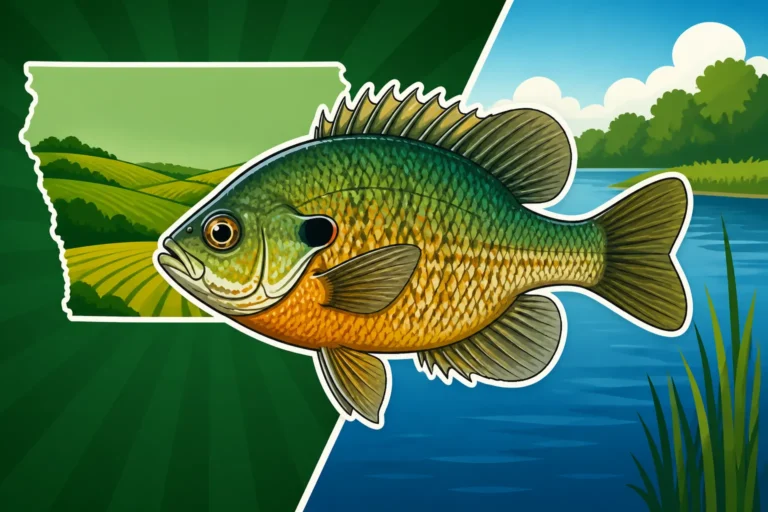
What Freshwater Drum Taste Like
For many Iowa anglers, the freshwater drum, often colloquially called "sheepshead," is a fish shrouded in a bit of mystery and sometimes, unfair judgment. You've probably heard conflicting opinions – some swear by them, while others wouldn't touch them with a ten-foot pole. If you've ever wondered if this common Iowa fish is actually good to eat, you've come to the right place. We're going to dive deep into what freshwater drum taste like and how to make sure your next drum dinner is a delicious one.
Understanding the Freshwater Drum: More Than Just a "Sheepshead"
Let's be honest, the name "sheepshead" doesn't exactly conjure images of fine dining. It's a nickname that has unfairly tarnished the reputation of the freshwater drum for generations, often leading anglers to dismiss them without ever giving them a fair shot on the dinner plate. This perception is deeply ingrained in fishing culture, but it's time to challenge it. Just because a fish is abundant or easy to catch doesn't mean it lacks culinary value.
The truth is, many anglers who grew up hearing these old wives' tales haven't actually tasted a properly prepared freshwater drum. They might assume it's a "trash fish" or that it will taste inherently "muddy." But just like any fish, preparation, habitat, and even the size of the individual fish play huge roles in its flavor profile. It's a disservice to this plucky native Iowa species to write it off based on outdated folklore.
Understanding Freshwater Drum Facts and Habitat can help you appreciate this fish more, both for its ecological role and its potential as table fare. They're widespread across Iowa's rivers and larger lakes, often found in deeper waters or areas with moderate current. They’re bottom feeders, which sometimes contributes to misconceptions about their taste, but as we'll explore, this doesn't automatically mean a poor flavor.
Dispelling the Myths About Drum and Their Flavor
The "sheepshead" moniker has historically been applied to several different fish species across various regions, often those that are robust, bottom-dwelling, or considered less desirable than prized game fish. For the freshwater drum, this nickname, unfortunately, stuck, creating an unfair bias against it in the culinary department. It’s almost a self-fulfilling prophecy: if you expect it to taste bad, you might perceive it that way, regardless of how it's prepared.
Another common myth is that all drum taste "muddy." While some fish, especially those caught from very warm, stagnant, or nutrient-rich muddy bottom environments, can develop an earthy flavor, this isn't universally true for the freshwater drum. This "muddy" taste often comes from compounds absorbed from their environment, and it's far more prevalent in specific conditions than it is a defining characteristic of the species as a whole. Many factors, including water quality and temperature, influence this.
Think about it this way: a walleye caught from a clean, cold northern lake might taste different from one caught in a warmer, murkier river. The same principle applies to drum. Anglers often overlook them in favor of species like Walleye Fishing in Iowa or Crappie Fishing in Iowa, but a fresh drum from good water conditions can truly surprise you. The key is to approach it with an open mind and proper preparation.
The Habitat and Diet Connection to Taste
The adage "you are what you eat" holds particularly true for fish, and freshwater drum are no exception. Their diet consists primarily of small invertebrates, crustaceans, and mollusks found on the bottom of lakes and rivers. This diet, along with the water quality of their habitat, directly impacts their flesh flavor and texture. A drum caught from a clean, cool river like the upper Mississippi or a deep, clear lake in Iowa is likely to have a much milder, cleaner taste than one pulled from a shallow, warm, silty backwater during the dog days of summer.
In Iowa, freshwater drum inhabit a wide range of environments, from the vast stretches of the Mississippi River to many of our larger interior lakes and reservoirs. This means there's a significant difference in conditions from one fishing spot to another. A drum caught during cooler months, when their metabolism is slower and water temperatures are lower, generally yields firmer, less "fishy" flesh. This is a common phenomenon across many fish species.
Therefore, when you're targeting drum for the table, consider where and when you're fishing. Cooler water and clean environments are your friends if you're aiming for the best possible flavor. It's not about the species inherently tasting bad; it's about the conditions of its environment, which are entirely within your control as an angler.
The Actual Taste Profile of Freshwater Drum
So, let's get down to the brass tacks: what does freshwater drum actually taste like? Forget the rumors and preconceived notions for a moment. When caught from good water and properly handled, freshwater drum offers a surprisingly pleasant and versatile culinary experience. It's certainly not the "trash fish" many assume it to be. In fact, many who've tried it compare its mildness and texture favorably to more popular white fish.
The key to appreciating drum is managing expectations and understanding that, like many species, the eating quality can vary. Smaller drum, generally those under 3-4 pounds, are often considered the best for eating. Their flesh is typically more tender and less prone to the "muddy" flavors sometimes associated with larger, older fish that have spent more time feeding on the bottom in varied conditions.
If you're still on the fence about trying it, consider this: the mild flavor profile means it's a blank canvas for many different recipes. You can prepare it simply with salt and pepper to truly appreciate its natural taste, or you can get creative with bold seasonings and sauces. For those looking for new culinary adventures, the freshwater drum is an excellent, readily available option in Iowa. For more insights on this topic, check out Are Freshwater Drum Good Eating Fish?.
Texture and Flakiness: What to Expect
One of the most appealing characteristics of freshwater drum is its flesh texture. When cooked, it's firm, white, and flakes easily, much like cod or even some types of snapper. It doesn't have the mushiness that some fish can exhibit, especially if overcooked. This firm texture makes it ideal for a variety of cooking methods, as it holds together well, whether you're frying, baking, or grilling.
You'll notice that the meat is quite lean, especially compared to fattier fish like salmon or mackerel. This contributes to its mild flavor and prevents it from feeling oily or heavy. The muscle structure is well-defined, and once cooked, it separates into nice, substantial flakes. For optimal texture, aim for smaller fish, typically those under three pounds. Larger drum can sometimes have a coarser texture, though they are still perfectly edible.
The firmness of the flesh is a huge plus for those who dislike softer, more delicate fish. It provides a satisfying bite and can stand up to robust sauces and accompaniments without falling apart. This makes it a great choice for fish tacos, sandwiches, or even hearty stews where you want the fish to maintain its integrity. Don't be surprised if its texture reminds you of some store-bought white fish fillets; it’s genuinely good.
The Flavor Notes: Mild, Sweet, or "Earthy"?
When it comes to flavor, freshwater drum is best described as mild. It has a clean, subtle sweetness that's not overpowering, making it a good choice even for those who claim not to "like fish." It's definitely not as "fishy" as some catfish or carp, and it lacks the strong, oily taste found in some larger species. This mildness is a significant advantage, as it allows the seasonings and cooking methods to really shine through.
Now, about that "earthy" or "muddy" concern: this can occur, but it's not a given. It's more common in larger, older fish caught from warm, shallow, or silty waters. The "mud line" or "blood line" found along the lateral line of the fillet can sometimes concentrate these flavors. However, with proper cleaning and preparation – which we'll cover next – you can almost entirely eliminate these undesirable notes. Many experienced anglers insist that if a drum tastes "muddy," it's usually due to improper handling, not the fish itself.
To truly enjoy the delicate, sweet flavor of a freshwater drum, think of it as a blank canvas. It absorbs flavors beautifully, so consider simple preparations that highlight its natural taste. Lemon, butter, a dash of herbs, and a light seasoning are often all you need to create a delicious meal. It’s a far cry from the strong, sometimes pungent, flavor that some less careful anglers might associate with it.
Tips for Maximizing the Flavor of Freshwater Drum
Catching a fish is only half the battle when it comes to putting a delicious meal on the table. The way you handle and prepare your freshwater drum from the moment it leaves the water to when it hits the pan can drastically alter its taste. Many people who claim to dislike drum probably haven't experienced it prepared correctly. It's not about complex recipes, but rather a few simple, crucial steps that make all the difference.
Think of it like this: you wouldn't let a prime cut of beef sit in the sun all day before cooking it, right? The same level of care, or even more, should be applied to fish. A fresh, properly handled drum will be a culinary delight, while one that's been neglected can quickly become exactly what the naysayers describe. Pay attention to these steps, and you'll be well on your way to enjoying some fantastic fish dinners.
If you're passionate about cooking your catch, you might already have some of these practices down. But for those new to fishing or new to keeping drum, these tips are gold. They're not just about making the fish taste good, but making it taste its best, surpassing any negative stereotypes. For general best practices for all your catches, refer to our guide on the Best Eating Fish in Iowa.
From Catch to Cooler: Immediate Care Matters
The very first step to ensuring great-tasting freshwater drum begins the moment you land it. This is perhaps the most critical stage. As soon as you catch a drum you intend to keep, it's vital to bleed it and get it on ice immediately. Bleeding the fish removes blood from the flesh, which can otherwise contribute to a stronger, more "fishy" flavor and can also speed up spoilage. A quick cut to the gills or throat will do the trick.
After bleeding, the fish needs to be cooled down as rapidly as possible. A cooler packed with ice is your best friend here. Don't just toss it in a bucket of water; it needs to be submerged in an ice bath or heavily covered in ice to bring its core temperature down quickly. This process stops bacterial growth, preserves the texture, and locks in that fresh, mild flavor. Leaving fish to flop around in a warm livewell or on a stringer in warm water for hours is a surefire way to compromise its quality.
Many experienced anglers carry a quality cooler, maybe even one from a brand like Igloo or Coleman, specifically for their catch. Even a simple, well-insulated cooler can make a huge difference. For those planning a longer day on the water, consider how to keep your catch fresh. You might find our article on How to Keep Fish Fresh Without a Livewell quite useful for additional tips on this crucial step.
Cleaning and Preparation Techniques
Once your drum is back home and properly chilled, the next critical phase is cleaning. Filleting a drum is straightforward, but there are a couple of specific considerations to maximize flavor. First, size matters: smaller drum, generally under 3 pounds, are easier to fillet and tend to have more tender, milder flesh. For filleting, having a sharp, flexible blade is indispensable. A good Best Fillet Knife for Cleaning Fish will make this task much easier and safer.
When you fillet the fish, pay close attention to the "red line" or "mud line" that runs along the lateral line in the middle of the fillet. This darker strip of muscle can sometimes retain stronger flavors, especially in larger fish or those from less-than-ideal water conditions. Many anglers choose to trim this section out completely, which further ensures a clean, mild taste. Skinning the fillets is also highly recommended, as the skin can sometimes contribute an undesirable flavor.
For larger drum, or if you're still concerned about any potential "earthy" notes, a simple brine can work wonders. Soaking the fillets in a saltwater solution (e.g., 1/4 cup salt per quart of water) for 30 minutes to an hour in the refrigerator can draw out impurities and firm up the flesh even more. After brining, pat the fillets completely dry before cooking. This helps achieve a nice, crispy exterior if you're frying or pan-searing.
Best Cooking Methods to Bring Out the Flavor
Freshwater drum is incredibly versatile in the kitchen, and its mild, firm flesh lends itself to a wide array of cooking methods. The goal is often to highlight its natural sweetness without overwhelming it. One of the simplest and most popular ways to cook drum is pan-frying. Lightly breaded with seasoned flour or cornmeal, then fried until golden brown, it develops a delicious crispy crust and a tender, flaky interior.
Baking is another excellent option, especially if you're looking for a healthier preparation. Lay the fillets on a baking sheet, drizzle with olive oil, sprinkle with salt, pepper, and your favorite herbs (dill, parsley, and lemon are fantastic complements). Bake at around 375°F (190°C) until the fish flakes easily with a fork, typically 10-15 minutes depending on thickness. This method really allows the mild flavor of the fish to shine.
Don't shy away from grilling or smoking either. For grilling, place seasoned fillets directly on a well-oiled grate or use a fish basket to prevent sticking. A squeeze of lemon juice after grilling adds a burst of freshness. Smoking drum, especially with a mild wood like apple or alder, can impart a wonderful smoky depth without overpowering the fish. Its firm texture also makes it a great candidate for fish tacos, where it can be seasoned with chili powder and cumin, then flaked into tortillas with your favorite toppings.
Comparing Freshwater Drum to Other Popular Iowa Fish
When you're deciding what to keep for dinner, it's natural to compare your options. In Iowa, we're blessed with a variety of delicious fish, each with its own unique flavor and texture. Freshwater drum might not have the same "glamour" as some of the more commonly sought-after species, but it holds its own, especially with proper handling. Understanding where it fits in the spectrum of Iowa's edible fish can help you appreciate its distinct qualities.
It's easy to just lump all bottom-feeders together or dismiss anything that isn't a walleye. But a true angler and cook understands that every fish has its place and its potential. Let's stack the drum up against some of its more famous (and infamous) neighbors in Iowa's waterways. This comparison isn't about declaring a "winner" but about appreciating the diversity of flavors available to us. For a broader look at various species, check out How Many Fish Species Live in Iowa.
Knowing these distinctions can guide your choices on the water. If you're out fishing a great spot, perhaps one of the Best Fishing Spots in Iowa, and you catch a nice drum, you'll be better equipped to decide if it's coming home for dinner or going back in the water.
Drum vs. Walleye and Crappie
Walleye and crappie are often considered the holy grail of freshwater table fare, and for good reason. Walleye is prized for its delicate, white, flaky flesh and very mild flavor. Crappie offers similar qualities, with extremely tender, sweet meat, especially the smaller "panfish" sizes. So, how does the freshwater drum stack up against these giants?
The drum's flesh is also white and flaky, sharing a similar appealing aesthetic to both walleye and crappie. Its flavor is arguably milder than a walleye's, lacking the slight "gamey" note that some larger walleye can possess. It might not be quite as melt-in-your-mouth delicate as a crappie, especially a smaller one, but it makes up for it with a firmer, more substantial texture. This means it holds together better for grilling or frying without becoming overly delicate.
So, while drum might not replace walleye or crappie as your absolute favorite, it certainly stands as a very respectable alternative. If you enjoy the mildness and firm texture of walleye but want to try something different, or if you're simply looking to expand your culinary horizons beyond the usual suspects, the freshwater drum is an excellent choice. It’s a fantastic, underappreciated resource.
Drum vs. Catfish and Carp
Now, let's compare freshwater drum to other fish that are sometimes grouped into the "bottom feeder" category, such as Channel Catfish Fishing in Iowa and carp. Catfish are generally known for their firm, white flesh with a distinct, earthy flavor that some love and others find too strong. Carp, particularly larger specimens, often carry a very strong, sometimes muddy taste and can have a fattier, coarser texture, which is why Are Carp Good to Eat? is a frequently asked question.
The freshwater drum generally has a much milder flavor than both catfish and carp. It lacks the strong, earthy notes of many catfish, and it's significantly less "fishy" and less prone to intense muddy flavors than carp, especially when properly cleaned. Its flesh is leaner and usually more consistent in texture than a carp's, which can be quite fatty and have a strong flavor from its diet.
For anglers who enjoy catfish but are looking for a fish with a subtler taste, or those who find carp too robust, the drum presents a fantastic middle ground. It offers the firm, substantial feel of a bottom-dwelling fish but with a much cleaner, more delicate flavor profile. It truly bridges the gap between the highly prized panfish and the more robust bottom dwellers.
Taste & Texture Comparison
Here's a quick comparison to help visualize how freshwater drum stacks up against some other common Iowa fish species:
| Fish Species | Typical Flavor Profile | Cooked Texture | Common Perceptions (with proper handling) |
|---|---|---|---|
| Freshwater Drum | Mild, slightly sweet, clean | Firm, white, flaky | Underrated, versatile, excellent when fresh |
| Walleye | Very mild, delicate, sweet | Fine flakes, tender | Highly prized, premium white fish |
| Crappie | Mild, sweet, very delicate | Very tender, small flakes | Excellent panfish, very popular |
| Channel Catfish | Mild to moderate, earthy | Firm, moist | Good eating, distinct flavor, great fried |
| Largemouth Bass | Moderate, sometimes slightly gamey | Medium flakes, firm | Popular sport fish, good eating, depends on habitat |
| Northern Pike | Mild, white, can be bony | Firm, flaky | Good eating but requires careful filleting due to Y-bones |
| Carp | Strong, earthy, can be muddy | Coarse, fatty | Often controversial, requires specific preparation |
This table should give you a clearer picture of where freshwater drum stands among Iowa's diverse fish population. As you can see, it holds a respectable position, especially concerning its mild flavor and firm, flaky texture.
Disclaimer
This article is for general informational purposes only and does not constitute professional advice. Laws, prices and regulations vary by location and change over time. Consult a qualified professional for guidance on your specific situation.