Where Walleye Spawn in Iowa
It can be incredibly frustrating when you're trying to figure out the best time and place to catch walleye in Iowa, especially when everyone talks about the "spawn" but rarely explains where it actually happens. You might spend hours casting in a prime spot during what you think is the right season, only to come up empty-handed because the walleye are busy doing their thing somewhere else entirely. This guide is going to walk you through exactly where walleye typically spawn across Iowa's diverse waterways, helping you understand their patterns so you can plan your fishing trips more effectively.
Understanding the Walleye Spawn Cycle in Iowa
Walleye, those elusive and highly prized game fish, have a very specific routine when it comes to reproducing, and understanding this cycle is paramount for any angler hoping to connect with them. It's not just about tossing a line in the water; it's about knowing their seasonal movements and biological imperatives.
When the Spawn Typically Happens
The walleye spawn in Iowa is primarily a spring event, triggered less by a calendar date and more by water temperature. As the ice melts and daylight hours lengthen, walleye begin to move from their deeper wintering haunts to shallower areas, often migrating upstream in rivers or towards specific shoreline structures in lakes. Generally, you can expect the peak of the walleye spawn when water temperatures reach the 40 to 50-degree Fahrenheit range. This can happen anywhere from late March to mid-April, sometimes stretching into early May in colder years or farther north in the state.
It’s a delicate balance, really. Too early, and the water is still too cold for the eggs to develop properly. Too late, and other predatory fish might start moving into the same areas, creating too much competition or predation on the eggs. They are truly looking for that sweet spot. Anglers often keep a close eye on local water temperature reports, as this is often the most critical factor in pinpointing the exact timing. During this period, their focus shifts entirely to reproduction, making them both predictable in their location but sometimes finicky in their feeding habits.
The "Why" Behind Specific Spawning Locations
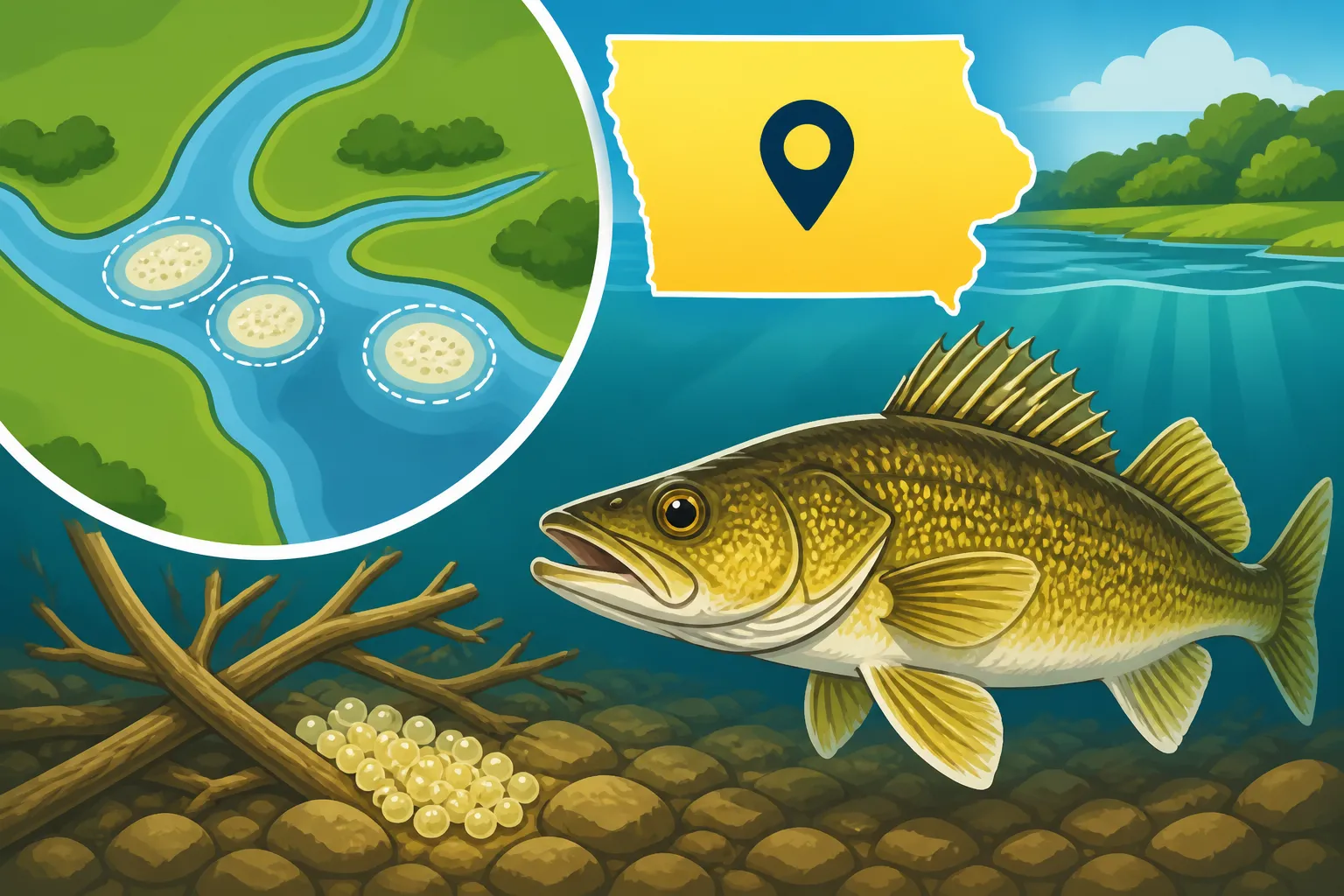
Walleye aren't just looking for any shallow water; they're incredibly particular about where they deposit their eggs. The ideal spawning habitat for walleye generally consists of clean, rocky, or gravel bottoms. Think about areas with rip-rap, rocky shoals, or gravel bars. These rough surfaces are crucial because walleye eggs are adhesive; they stick to the rocks and don't get washed away easily. This also helps keep them oxygenated by allowing water to flow around them.
Another key factor is current. In rivers, walleye will often seek out areas with a moderate current, like the tails of dams, rapids, or river bends where the flow keeps the eggs clean and oxygenated without scouring them away. In lakes, while strong current isn't usually present, wave action or natural seiches (oscillating standing waves) can provide a similar benefit along rocky shorelines. Steep banks or points that quickly drop into deeper water near these shallow, rocky areas are also favorable, as they offer quick access to safety after spawning and allow them to ambush prey. The bottom line is they need a stable, well-oxygenated substrate that protects their eggs from silting over and keeps them safe until hatching.
Pre-Spawn, Spawn, and Post-Spawn Behavior
Understanding the distinct phases of the walleye spawn can dramatically improve your success.
- Pre-Spawn: This is often a fantastic time for anglers. As water temperatures climb into the upper 30s to low 40s, walleye start staging. They'll gather in large numbers in deeper holes or transition areas just outside their eventual spawning grounds. They're often feeding heavily during this period, bulking up for the energy demands of spawning. This is when you might find them congregated in deep bends of rivers or off main lake points leading to rocky reefs. Walleye Fishing Techniques for Iowa Rivers and Walleye Fishing Techniques for Iowa Lakes can offer more insights into targeting them during this prime feeding window.
- Spawn: Once the water hits that ideal 40-50 degree range, the actual spawning begins. Walleye move onto those rocky, gravelly areas in shallow water, usually under the cover of darkness. The females deposit their eggs, and the males fertilize them. During this intense period, their feeding drive is significantly reduced, though they can still be caught defensively. Many anglers respect this period as a time to let the fish do their thing, perhaps targeting pre-spawn or post-spawn instead. The Iowa Walleye Season Opening Day often coincides with or follows closely after this period, depending on the specific water.
- Post-Spawn: After spawning, the walleye are often exhausted. Females typically retreat to deeper water fairly quickly to recover and regain strength, often feeding aggressively as they do. Males, however, tend to hang around the spawning areas for a bit longer, sometimes guarding the eggs (though not as intensely as some other species). This post-spawn period can offer another excellent opportunity for anglers, particularly for targeting those recovering females who are hungry and less wary. They'll often be found near deeper structure adjacent to the spawning grounds, or moving to main lake basins to chase baitfish.
Prime Spawning Grounds for Walleye in Iowa
Iowa offers a variety of aquatic environments, and walleye adapt their spawning behavior to each. Whether you're fishing a sprawling reservoir or a meandering river, knowing what to look for can be your biggest advantage.
River Spawning
Rivers are classic walleye spawning grounds, especially larger systems like the Mississippi and the Des Moines Rivers. In these environments, walleye often migrate upstream, sometimes many miles, to find ideal conditions. They seek out areas with current breaks and rocky substrates.
- Dam Tailwaters: Below dams are absolute magnets for spawning walleye. The churning water provides high oxygen levels, and the turbulent flow helps keep the rocky bottom clean of silt. Walleye will stack up below the dam, waiting for the right conditions to move onto the rip-rap banks, rocky wing dams, or submerged rock piles that offer suitable spawning surfaces. You'll often find strong concentrations in pools and eddies just downstream from the main current. For those fishing the Mississippi, understanding areas like Mississippi River Pool 9 Fishing can be very beneficial.
- Rocky Shoals and River Bends: Away from dams, look for natural rocky shoals or gravel bars, particularly on the outsides of river bends where the current keeps the bottom scoured clean. Depths of 2-5 feet can be prime during the night. The females will move onto these areas, deposit their eggs, and then often drop back into the safety of deeper water nearby during the day.
- Current Breaks: Any structure that breaks the main current, such as bridge pilings, large rock formations, or even submerged logs that create eddies with rocky bottoms, can also attract spawning walleye. The key is that combination of rocky substrate and current.
Lake Spawning
Iowa's lakes, from the natural glacial lakes in the north to the man-made reservoirs, also host significant walleye spawns, though the dynamics are a bit different than rivers. Here, wave action often replaces strong current as the primary egg-cleansing mechanism.
- Rip-Rap and Rocky Shorelines: This is arguably the most critical spawning habitat in many Iowa lakes. Road beds, bridge approaches, causeways, or artificial structures designed to prevent erosion (rip-rap) provide excellent rocky surfaces for walleye eggs to adhere. When temperatures are right, walleye will move right up to these banks in very shallow water, especially after dark.
- Shallow Reefs and Points: Submerged rock reefs or prominent points that extend into the lake and are exposed to wave action are also prime areas. These structures mimic the riverine conditions by offering clean, rocky bottom and some water movement. Fish often stage on the deeper edges of these points before moving shallower to spawn.
- Inflows and Outflows: While less common than in rivers, any small stream or ditch that flows into or out of a lake, especially if it has a rocky bottom, can attract a portion of a lake's walleye population looking for current.
Identifying Ideal Spawning Structure
Finding these specific spots isn't always obvious from the bank. That's where a keen eye and some helpful tools come into play.
- Visual Cues: Look for areas with visible rocks, gravel, or rip-rap along the shoreline. If you see waves crashing against a rocky point, that's often a good indicator. In clear water, you might even spot submerged rocks near the shore.
- Electronics: If you're fishing from a boat, your fish finder and GPS are invaluable. Scan potential areas for hard bottom readings (often shown as a thick, dark line on your sonar) and sudden depth changes. Mark these spots on your GPS so you can return to them. Many anglers find reliable fish finders and related accessories on platforms like Amazon, which can make mapping out potential spawning structures much easier. These tools really help in identifying those subtle changes in bottom composition that walleye are looking for.
- Topographical Maps: Before you even leave the house, study lake or river contour maps. Look for areas where contours pinch close together, indicating steep drop-offs adjacent to shallow, broad flats. These are often indicators of potential spawning structure or staging areas.
Major Iowa Waters Known for Walleye Spawning Activity
Iowa boasts several renowned walleye fisheries, and each has its own distinct spawning hot spots that anglers eagerly anticipate each spring. Knowing these general areas can give you a significant head start.
The Iowa Great Lakes Region
Northwest Iowa's Great Lakes—West Okoboji, East Okoboji, and Spirit Lake—are jewels in Iowa's fishing crown and famous for their walleye populations. The spring spawn here is a major event.
- Spirit Lake: This large, relatively shallow lake has numerous rocky shorelines and points. The northern and eastern shores, especially areas with rip-rap along roadways and public access points, see heavy spawning activity. Areas around Templar Park and the causeway connecting the lake to West Okoboji are particularly known for staging and spawning fish.
- West Okoboji Lake: As Iowa's deepest natural lake, West Okoboji offers a mix of deep-water habitat and critical shallow spawning grounds. Look for rocky points and reefs, particularly those exposed to prevailing winds which provide good oxygenation and egg cleansing. The canals and connection points to other lakes can also draw fish.
- East Okoboji Lake: Being shallower and more fertile than West Okoboji, East Okoboji warms up quicker, sometimes triggering an earlier spawn. Its numerous rocky points, sand bars, and rip-rap areas are key. The areas near the bridges and causeways that crisscross the lake are consistently productive. For more on this region, check out Best Time of Year to Fish the Iowa Great Lakes.
Mississippi River Pools
The Mississippi River, forming Iowa's eastern border, is an incredible walleye factory. The series of locks and dams create distinct "pools" with varying habitats, but dam tailwaters are universally important.
- Below the Dams: As mentioned, the tailwaters of every lock and dam on the Mississippi are critical. Walleye migrate upstream until they hit the barrier, then seek out suitable rocky or gravelly areas in the turbulent water below. Think Pool 9 below Lock and Dam 8 (Genoa, WI), Pool 10 below Lock and Dam 9 (Lynxville, WI), and Pool 12 below Lock and Dam 11 (Dubuque). These areas are often highly regulated, so always double-check Iowa Fishing Regulations Explained.
- Wing Dams and Rip-Rap: Further downstream within the pools, wing dams (rock structures extending into the river current) and rip-rap banks along the main channel or larger islands provide excellent spawning habitat. The current breaks created by these structures are ideal. Anglers focusing on this river often utilize specific techniques detailed in Walleye Fishing Techniques for Iowa Rivers.
Other Notable Lakes and Reservoirs
Beyond the Great Lakes and the Mississippi, several other Iowa waters host significant walleye spawns.
- Clear Lake: Located in north-central Iowa, Clear Lake is a phenomenal walleye fishery. Its many rocky points, hard bottom areas, and especially the rip-rap along the causeways and shoreline roads, are prime for spawning. Clear Lake Walleye Fishing is a popular topic for a reason! The fish move in shallow, often right against the rocks, as water temperatures rise.
- Rathbun Lake: In south-central Iowa, Rathbun is a large reservoir known for its walleye. Here, you'll find walleye utilizing the rocky points, especially those that have rip-rap, and the dam face itself. Early spring sees fish concentrated in these areas.
- Saylorville Reservoir: Near Des Moines, Saylorville's walleye also gravitate towards rip-rap areas, particularly along the dam and the large rock structures within the lake. Tributary streams and their rocky sections flowing into the reservoir can also attract some spawning fish.
Fishing Responsibly During the Walleye Spawn
The walleye spawn is a vital time for the species, and as anglers, we have a responsibility to ensure these populations remain healthy for generations to come. Respecting the fish and the regulations is key.
Navigating Regulations and Seasons
Iowa's Department of Natural Resources (DNR) sets specific regulations to protect walleye, particularly during and around the spawning period. This often includes specific daily bag limits, possession limits, and minimum length limits. Some waters might even have closed seasons or special restrictions during the spawn.
- Check the Rules: Before you head out, always consult the most current Iowa fishing regulations. You can often find a comprehensive guide on the Iowa DNR website or pick up a physical copy wherever licenses are sold. Articles like Walleye Season and Size Limits are great resources to quickly check the numbers. Being knowledgeable means you're playing by the rules and contributing to conservation, not just catching fish.
- Timing Your Trip: While walleye can be caught during the spawn, many anglers choose to focus their efforts on the pre-spawn or post-spawn periods when fish are often more active and less vulnerable. This allows the fish to complete their reproductive cycle with minimal disturbance. Knowing When Iowa Walleye Season Opens is crucial.
Practicing Catch and Release
During the spawn, even if you are allowed to keep fish, practicing selective harvest or catch and release, especially for larger females, can have a significant positive impact on the walleye population. Those big females are the most prolific egg producers, and returning them to the water helps ensure a strong future spawn.
- Handle with Care: If you do catch a walleye during the spawn, handle it gently. Minimize its time out of the water, use wet hands when handling, and support its body weight. A good quality rubber-coated net, perhaps one you purchased from Amazon, can reduce harm to the fish's slime coat and fins compared to knotless nylon nets. This extra care helps increase their survival rate after release.
- Consider Barbless Hooks: Some anglers even go a step further and use barbless hooks or crimp down the barbs on their hooks during the spawn. This makes hook removal quicker and easier, further reducing stress on the fish.
Gear Considerations for Spawning Walleye
While the spawn isn't always about aggressive feeding, walleye can still be enticed to bite, especially with specific presentations.
- Slow and Steady: Spawning walleye are often less active and more territorial. Slower presentations are usually best. Jigs tipped with live bait (minnows or nightcrawlers) or soft plastics can be very effective when fished slowly along the bottom of rocky spawning areas or adjacent staging zones. A reliable spinning reel with a sensitive rod, perfect for feeling those subtle bites, can often be found with a quick search on Amazon.
- Light Line and Sensitivity: In shallower, clearer water typical of spawning areas, lighter line can be less visible to wary walleye. A fluorocarbon leader or even a full spool of high-quality monofilament or braided line (for sensitivity) with a fluorocarbon leader is often preferred. You're looking for finesse, not brute force. The right Iowa Fishing Gear Guide can provide more detail on line choices and rod setups.
- Specific Lures: Small crankbaits that mimic baitfish and can be retrieved slowly or trolled along contours can also be effective during the pre- and post-spawn periods. Blade baits or lipless crankbaits are also great for vertical jigging in deeper staging areas. Don't forget to have a selection of jig colors; sometimes a subtle difference like orange, chartreuse, or even natural browns can make all the difference, and it's easy to stock up on various options through retailers like Amazon before your trip.
By understanding where walleye spawn in Iowa, the conditions they seek, and how to fish responsibly during this critical time, you'll be much better equipped to enjoy this fantastic fishery while also doing your part to protect it. Remember, these magnificent fish are a precious resource, and responsible angling ensures their future for everyone to enjoy.
Disclaimer
This article is for general informational purposes only and does not constitute professional advice. Laws, prices and regulations vary by location and change over time. Consult a qualified professional for guidance on your specific situation.