What Fish Eat Gizzard Shad
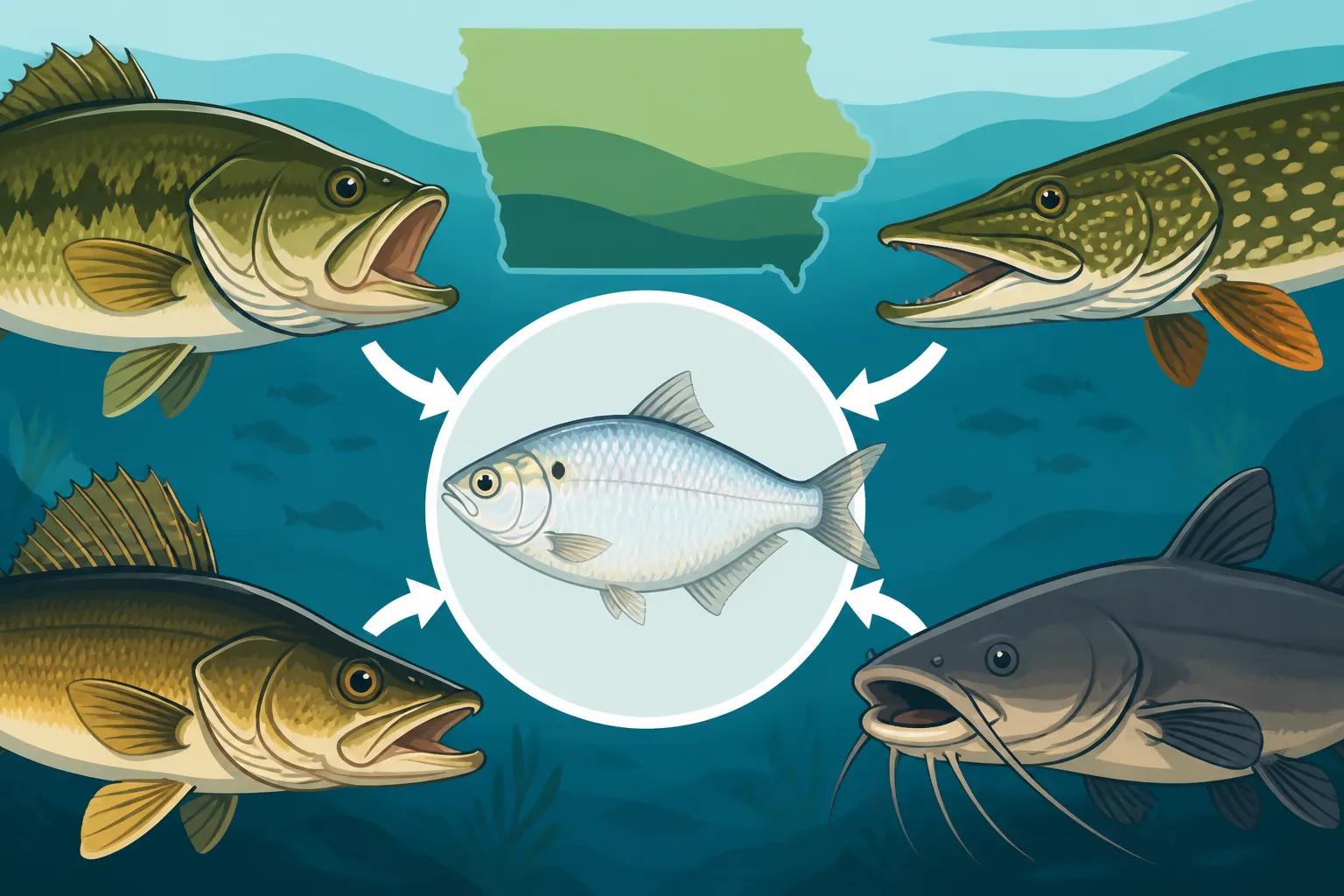
Understanding what fish eat gizzard shad in Iowa is like unlocking a secret code to some of the state's best fishing opportunities. Many anglers get frustrated trying to find biting fish, often overlooking the fundamental truth that fish are always looking for food. This guide will help you understand the crucial role gizzard shad play in Iowa's aquatic food web and, more importantly, identify the key predatory fish that rely on them for sustenance, giving you a serious edge in your next fishing adventure.
The Pivotal Role of Gizzard Shad in Iowa's Ecosystem
Before we dive into who eats gizzard shad, it's important to understand why they're so important in Iowa's waters. Gizzard shad (Dorosoma cepedianum) are often called the "bread and butter" of many freshwater ecosystems, particularly in reservoirs, large lakes, and slow-moving rivers. They are filter feeders, consuming plankton and detritus, which means they convert microscopic life into a convenient, protein-rich package that larger fish absolutely love.
These silver-sided fish are incredibly prolific, reproducing quickly and in large numbers, especially during warmer months. This rapid reproduction creates a consistent, abundant food source for nearly every predatory fish in their habitat. Think of them as the primary calorie source, the main course on the menu for countless aquatic hunters. Without gizzard shad, many of Iowa's most prized sport fish populations would struggle to reach their impressive sizes and numbers. Their presence, or lack thereof, can dramatically influence the health and distribution of predator fish.
Why Gizzard Shad Are a High-Value Food Source
Predatory fish aren't just looking for any meal; they're looking for an efficient one. Gizzard shad fit the bill perfectly. They are relatively soft-rayed, making them easy to swallow, and their schooling behavior makes them an easy target for ambushing predators. But beyond convenience, shad are also packed with essential fats and proteins, providing high caloric value that helps fish grow big and strong.
Consider a walleye or a largemouth bass – they expend energy hunting. If they can find a school of gizzard shad, they can get a lot of nutritional bang for their buck, often feeding on multiple shad in one go. This high-energy return is why fish will actively key in on shad when they are available, sometimes ignoring other baitfish species. Anglers who recognize this pattern can dramatically improve their success by "matching the hatch" and presenting baits that mimic these critical forage fish.
Gizzard Shad Habitat and Behavior in Iowa Waters
In Iowa, you'll find gizzard shad in various habitats, but they thrive in larger, often warmer, impoundments like Rathbun Lake, Saylorville Reservoir, Coralville Reservoir, and parts of the Mississippi River. They prefer open water and will often school near the surface in summer or move to deeper, more stable temperatures in winter. Their movements are highly influenced by water temperature, light conditions, and the presence of predators.
One key behavior to note is their schooling tendency. Gizzard shad often form massive, dense schools, which can be easily spotted on your fish finder or sometimes even seen flicking on the surface. These schools act like mobile buffets for predators, attracting a wide array of fish. As seasons change, shad will move: shallower in spring and fall, deeper in summer, and congregating in wintering holes. Understanding these patterns is crucial because where the shad go, the predatory fish follow.
Primary Predators of Gizzard Shad in Iowa
Now for the exciting part! Many of Iowa's most sought-after game fish actively prey on gizzard shad. By understanding which species prioritize shad, you can tailor your fishing strategy and lure selection for maximum impact.
Walleye: The Shad Chasers
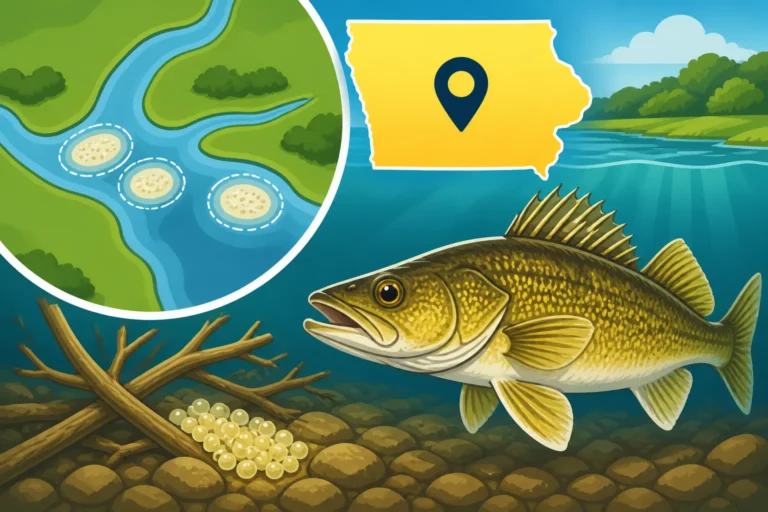
Walleye are perhaps one of the most enthusiastic consumers of gizzard shad in Iowa. These delicious game fish are opportunistic predators with excellent low-light vision, perfectly suited to hunting shad. Walleye love to ambush schools of shad, especially during twilight hours or on overcast days when the shad are more vulnerable.
You'll often find walleye shadowing gizzard shad schools, particularly in open water. During the cooler months, as shad move into deeper basins or river channels, walleye will follow closely. In late fall and early winter, when shad become sluggish, they become easy pickings for hungry walleye preparing for colder temperatures. This is a prime time for walleye anglers to mimic shad. Many successful walleye baits, from crankbaits to swimbaits, are designed to imitate the profile and shimmer of a gizzard shad. Learning How to Catch Walleye in Iowa often involves understanding their forage preferences.
Largemouth and Smallmouth Bass: Ambush Predators
Both largemouth and smallmouth bass are formidable predators that will readily consume gizzard shad, though their tactics might differ slightly. Largemouth bass, with their preference for cover and structure, often use weed lines, submerged timber, and rocky points to ambush shad schools as they pass by. They’ll lurk in the shadows, waiting for the perfect moment to dart out and strike.
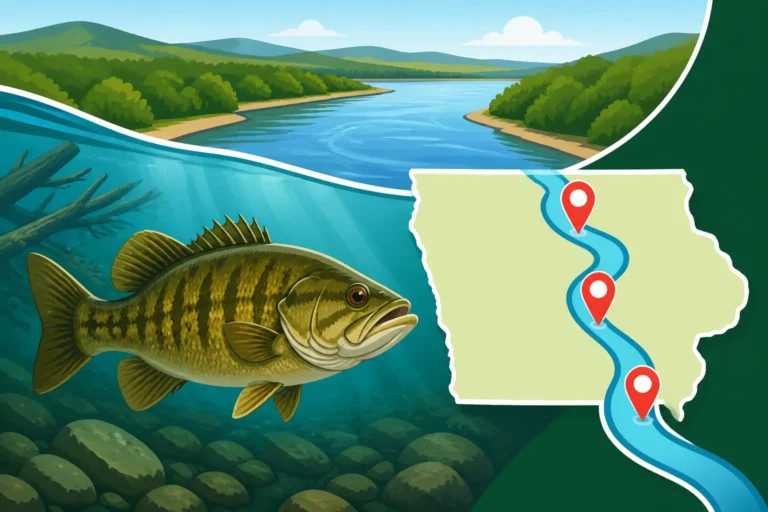
Smallmouth bass, found more in rocky river environments and clearer lakes, will often chase shad in open water or herd them against natural structures. Their explosive strikes are a sight to behold, and when they are actively feeding on shad, topwater lures and fast-moving crankbaits can be incredibly effective. Whether you're targeting largemouth in a reservoir or smallmouth in the Mississippi River, if shad are present, bass will key in. Check out our guide on How to Catch Bass in Iowa for more specific techniques.
Northern Pike and Muskie: Apex Predators
When it comes to the true giants of Iowa's waters, northern pike and muskie are top-tier predators that absolutely relish a meal of gizzard shad. These fish are built for speed and aggression, and a large school of shad is a siren call they can't ignore. Both pike and muskie will target the largest shad they can find, often lying in wait along weed edges, rocky drop-offs, or submerged structure, ready to torpedo into a passing school.
For muskie anglers, understanding shad movements is paramount. Many of the biggest muskie lures on the market are designed to mimic large shad or other baitfish, reflecting this crucial food source. When muskie are "on the chew" for shad, they can be incredibly aggressive, and presenting a realistic imitation can lead to exhilarating strikes. If you're chasing these toothy critters, our Muskie Fishing in Iowa guide can provide more specialized tips.
Other Opportunistic Feeders
While walleye, bass, and pike might be the most obvious predators, several other Iowa fish species will opportunistically feed on gizzard shad, especially smaller ones, or when shad are abundant and easy targets.
Catfish: Scavengers and Hunters
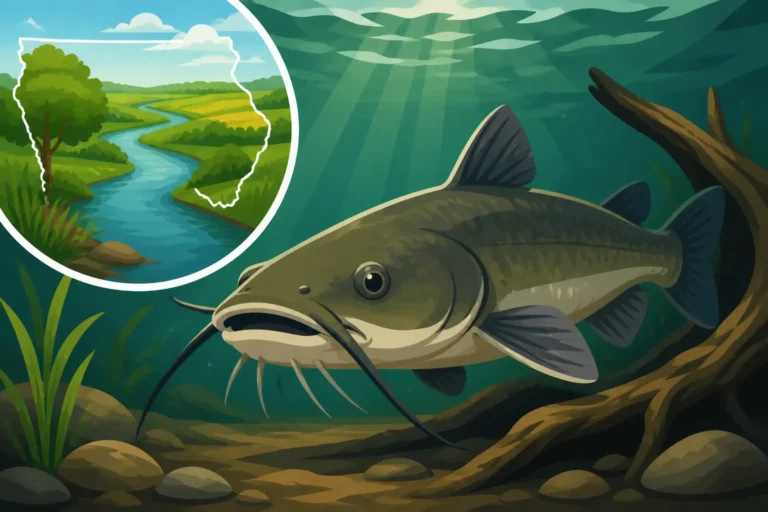
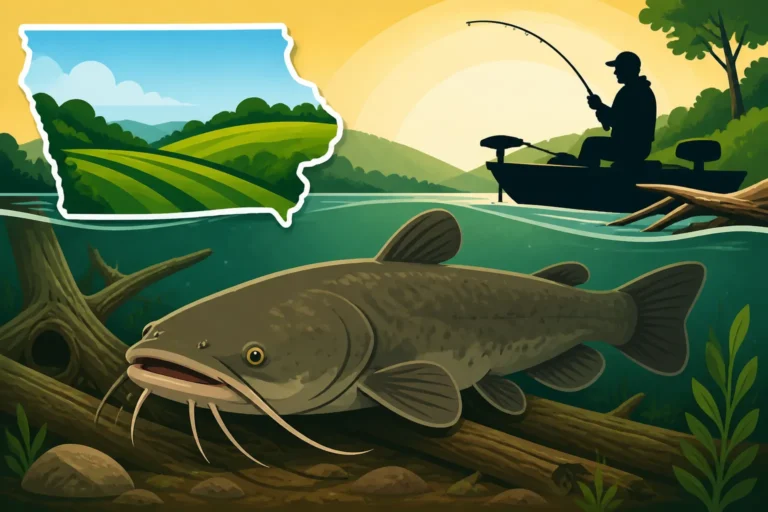
Iowa's catfish populations, including channel catfish and flathead catfish, are also keen on gizzard shad. While channel catfish are notorious scavengers and will readily devour dead or cut shad, flathead catfish are ambush predators that prefer live prey. A live gizzard shad can be an irresistible bait for a trophy flathead, especially fished near log jams or deep holes in rivers.
Using cut gizzard shad for channel catfish is a classic and highly effective technique. The oily flesh and strong scent of shad attract catfish from a distance. If you're planning a catfishing trip, consider how Channel Catfish Fishing in Iowa techniques can be improved by using shad as bait. You can often find fresh or frozen shad at local bait shops, or catch them yourself with cast nets in shad-heavy waters.
White Bass and Hybrid Striped Bass: Schooling Hunters
White bass and their hybrid cousins, wipers (a cross between white bass and striped bass), are open-water schooling fish that thrive on gizzard shad. These fish are famous for their aggressive feeding frenzies, often pushing schools of shad to the surface where they erupt in splashing commotion. When you see gulls diving and water boiling, it's often white bass or wipers smashing into a shad school.
These are incredibly fun fish to catch, and their pursuit of shad is legendary. They will chase down shad relentlessly, making them vulnerable to fast-moving lures like Kastmasters, inline spinners, or small crankbaits that mimic a fleeing shad. This is a visual and exciting way to fish, as you're literally casting into a feeding frenzy.
Crappie: When They Get Big Enough
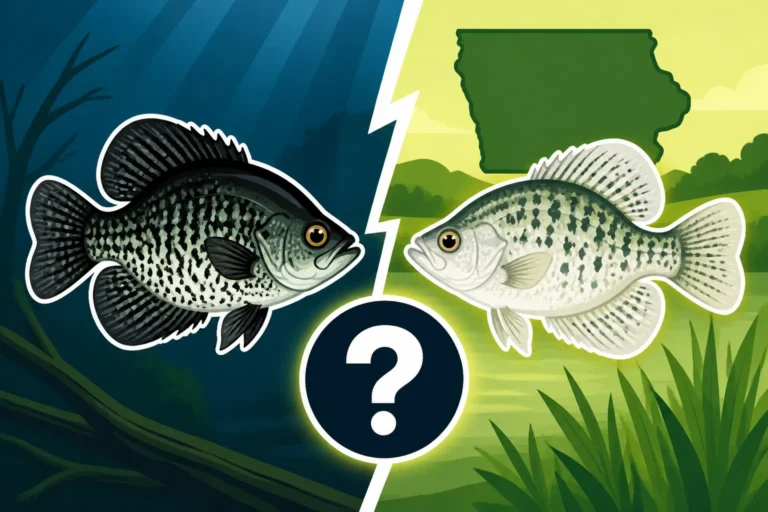
While smaller crappie primarily feed on insects and small minnows, larger crappie (especially black crappie) are perfectly capable of preying on juvenile gizzard shad. As shad schools move into shallower areas, especially during spring and fall, bigger crappie will often position themselves to pick off any smaller shad that wander too close.
Crappie may not rely on shad as heavily as walleye or muskie, but when conditions are right, and there's an abundance of small shad, crappie will definitely capitalize on the opportunity. This is particularly true in lakes with healthy crappie and shad populations. For more on targeting these panfish, our Crappie Fishing in Iowa guide offers plenty of insights.
Leveraging Shad Knowledge for Better Fishing
Knowing what fish eat gizzard shad is just the first step. The real trick is to use that knowledge to become a more successful angler. This means thinking like a predator and understanding how to locate, imitate, and present baits effectively.
Locating Fish by Finding Their Food
The most fundamental principle of fishing is "find the bait, find the fish." Gizzard shad are a beacon for predators. Modern fish finders are invaluable tools for locating shad schools. Look for dense clouds or arches on your sonar, often suspended in the water column or hugging specific structures. If you find large concentrations of shad, especially near depth changes, points, or humps, you can bet that predator fish are nearby.
During warmer months, keep an eye out for shad "nervously" dimpling the surface, indicating they are being pursued. Also, observe bird activity; diving birds like terns or gulls are a strong indicator of baitfish being pushed to the surface by feeding predators below. By actively seeking out shad, you're putting yourself in the best possible position to encounter hungry game fish.
Matching the Hatch: Bait and Lure Selection
Once you know fish are feeding on shad, your next move is to offer them something that looks and acts like their natural prey. This is where "matching the hatch" comes into play. You want lures and baits that imitate the size, color, and action of gizzard shad.
- Crankbaits: Medium-diving crankbaits in shad patterns (silver, white, gray, sometimes with a touch of blue or green) are incredibly effective. Look for baits with a tight wobble that mimics a fleeing shad. You can find a fantastic selection of these on Amazon.
- Swimbaits: Soft plastic swimbaits, either paddle tail or boot tail, rigged on jig heads, are perhaps one of the most versatile shad imitations. They have a natural swimming action that predators find hard to resist.
- Jerkbaits: For a more erratic, injured baitfish presentation, jerkbaits are excellent. Their darting, pausing action often triggers strikes from bass and walleye that are keyed in on shad.
- Live Bait: If legal in your chosen water body, live gizzard shad (of appropriate size) are often the absolute best bait, especially for flathead catfish or trophy walleye. Failing that, a large shiner or other baitfish that mimics a shad's profile can also work. Remember to check Iowa Fishing Regulations Explained before using live bait you've caught yourself.
- Spoons: For schooling white bass or wipers, casting or trolling metal spoons with a silver or chrome finish can perfectly imitate the flash of a shad.
When choosing lures, consider the size of the shad in the water you're fishing. Young-of-the-year shad can be quite small, while mature shad can be six to eight inches or more. Your lure should generally match the size of the forage the fish are currently eating. Exploring your options on Amazon can help you find the right sizes and colors.
Seasonal Strategies Based on Shad Movements
The seasonal movements of gizzard shad significantly impact how and where you should fish.
- Spring: As waters warm, shad move into shallower areas to spawn. Predators like bass and walleye will follow, congregating in coves and on shallow flats. Fishing these areas with shad-imitating crankba baits or swimbaits can be highly productive.
- Summer: Shad often move to deeper, cooler, oxygen-rich water during the heat of summer, sometimes suspending in open water. Predator fish will be found nearby, often relating to submerged humps, deep points, or the thermocline if one exists. Trolling deep-diving crankbaits or vertical jigging with shad-profile baits can be effective.
- Fall: This is a prime time for a shad-driven bite. As water temperatures drop, shad schools become more active and group up, often moving towards creek channels and main lake basins. Predator fish, especially walleye and bass, go on a feeding binge to put on weight for winter. This is when aggressive presentations with large shad imitations shine.
- Winter: In colder temperatures, shad become sluggish and often congregate in deep, relatively stable pockets or river channels. Hungry walleye, in particular, will seek out these wintering holes for easy meals. Ice fishing with vertical jigs or blade baits that imitate struggling shad can be deadly.
Understanding these seasonal shifts in shad behavior and location is key to consistently finding and catching fish in Iowa. Don't be afraid to experiment with different lure types and presentations until you discover what the fish are currently "eating" from the shad buffet. For a broader look at how different species behave throughout the year, our Iowa Fishing Seasons Explained article is a great read.
| Predator Fish | Primary Shad-Eating Behavior | Key Fishing Tip Related to Shad | Typical Habitat Where Shad Are Eaten |
|---|---|---|---|
| Walleye | Ambushing schools, open water hunting | Use shad-pattern crankbaits, jigs, or swimbaits near schools. | Open water, river channels, deep basins of large lakes. |
| Largemouth Bass | Ambushing from cover, herding into structure | Fish shad-imitating spinnerbaits or jerkbaits along weed lines. | Weedy coves, submerged timber, shallow points. |
| Smallmouth Bass | Chasing in open water, herding against rocky banks | Cast topwater lures or small crankbaits where shad are dimpling. | Rocky rivers, clear lakes, current breaks. |
| Northern Pike | Aggressive ambush from cover, open water pursuit | Employ large spoons, swimbaits, or muskie baits in shad colors. | Weed beds, submerged logs, rocky drop-offs. |
| Muskie | Apex predator, targeting large shad aggressively | Present large, fast-moving crankbaits or bucktails mimicking shad. | Similar to pike, but often in larger, deeper areas of the lake. |
| Channel Catfish | Scavenging, opportunistic feeding | Use cut gizzard shad as bait, especially on the bottom. | River bends, deep holes, lake bottoms. |
| Flathead Catfish | Ambushing live prey from heavy cover | Fish a whole, live gizzard shad near snags or log jams. | Deep river holes, fallen trees, brush piles. |
| White Bass/Wipers | Schooling, driving bait to surface, active chasing | Cast small spoons, inline spinners, or jigging spoons into frenzies. | Open water, near current, where shad are schooling. |
| Crappie | Opportunistic, targeting smaller shad | Jig small shad-profile plastics or minnows near cover. | Brush piles, docks, standing timber, especially in spring. |
Disclaimer
This article is for general informational purposes only and does not constitute professional advice. Laws, prices and regulations vary by location and change over time. Consult a qualified professional for guidance on your specific situation.