Best Time of Year to Fish the Iowa Great Lakes
If you've ever stood on the shores of West Okoboji, East Okoboji, or Spirit Lake, gazing out at Iowa's majestic Great Lakes, you've probably wondered: "When's the absolute best time to cast a line here?" It's a common dilemma for anglers, both seasoned and novice, because timing truly can make all the difference between a memorable day of bending rods and a quiet day contemplating the water. This comprehensive guide will walk you through the seasonal rhythms of the Iowa Great Lakes, helping you pinpoint the prime windows for targeting various species and making your next fishing adventure a resounding success.
Spring's Awakening: Early Season Bites
As the ice finally recedes from the Iowa Great Lakes, usually around late March or early April, a new energy pulses through the water. This is a time of transition, where fish begin to shake off their winter lethargy and start moving more actively. Anglers often find some of the most consistent bites of the year during this period, especially for species looking to bulk up after a lean winter or preparing for their annual spawn. The warming water temperatures are the key, triggering a metabolic increase in many of the popular game fish.
Walleye on the Move
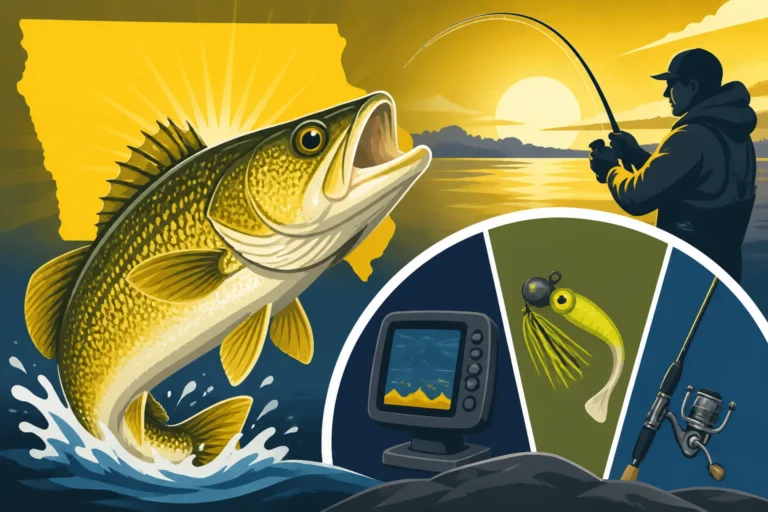
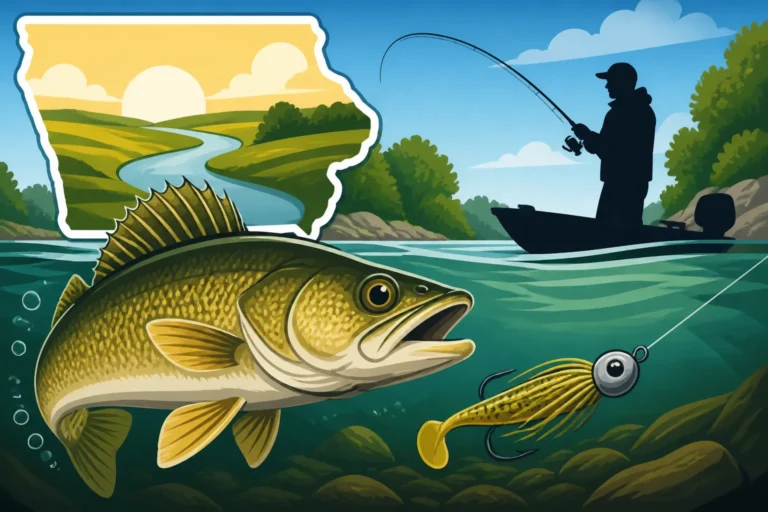
Spring is undeniably prime time for walleye in the Iowa Great Lakes. As soon as the ice is gone and water temperatures climb into the low 40s to low 50s Fahrenheit, these elusive fish begin their pre-spawn movements. They congregate in shallower areas, especially around rocky points, sand flats, and submerged structures where they'll eventually lay their eggs. This makes them more accessible to anglers, both from shore and boat. Early spring can be chilly, so dressing in layers is crucial, and having a good quality waterproof jacket, perhaps one you scouted on Amazon, can make a huge difference in comfort.
Focus your efforts on the northern ends of Spirit Lake and West Okoboji, as these areas tend to warm up a bit faster. Many anglers have fantastic success jigging with a minnow or throwing crankbaits that mimic baitfish. The bite can be aggressive as these fish are hungry. This is also a fantastic time to explore Iowa Walleye Season Opening Strategies as many local traditions revolve around this early spring period. Don't be surprised to find big, healthy fish that are still carrying their winter weight, offering quite the fight!
Crappie and Panfish Feast
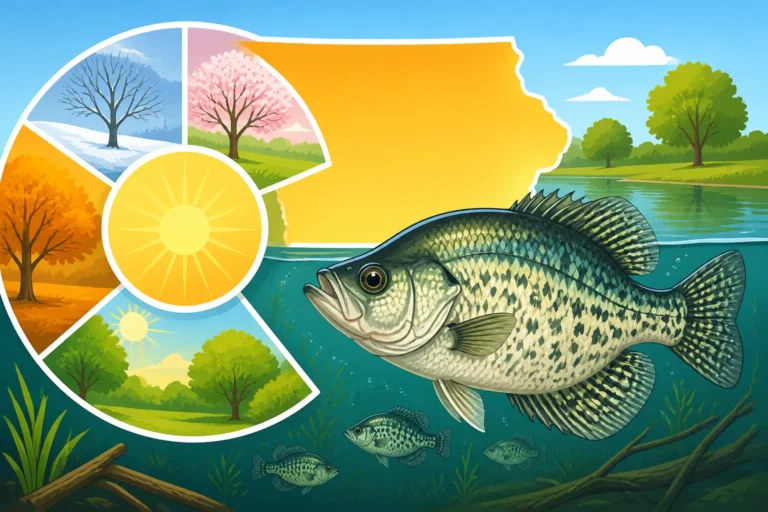
While walleye often steal the spring spotlight, the crappie and other panfish populations in the Great Lakes also become incredibly active. As water temperatures continue to rise into the mid-50s, crappie move into shallower bays, around docks, fallen trees, and weed beds. They're preparing to spawn and are often found in large schools, making for fast and furious action once you locate them. This is the time when light tackle really shines.
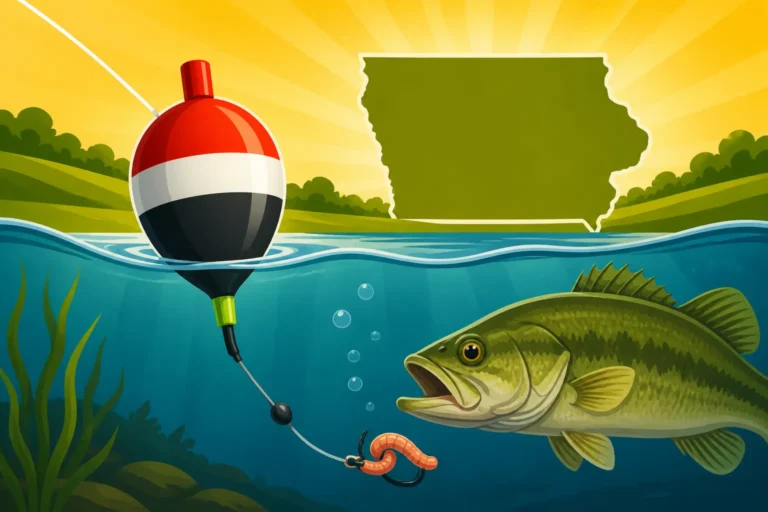
Jigs tipped with a small minnow or soft plastic are deadly for crappie. Look for areas with a mix of shallow cover and slightly deeper water nearby, as they'll move back and forth depending on weather conditions. For bluegill and other sunfish, similar shallow, sheltered areas are productive. They'll readily take small worms, waxworms, or tiny jigs under a bobber. Families often have a blast during this time, introducing kids to the joy of fishing, as the action can be steady. Consider picking up a multi-species fishing guide, perhaps one you can find on Amazon, to fine-tune your panfish tactics.
Summer's Bounty: Warm Water Action
When the scorching Iowa summer arrives, the Iowa Great Lakes transform into a vibrant hub of activity. While some species might become a bit trickier to target as they move to deeper, cooler waters, others thrive in the warmth, offering exhilarating battles and unique challenges. The key to summer success often lies in understanding fish behavior during higher water temperatures and adjusting your tactics accordingly. Many anglers enjoy the longer days and comfortable weather, even if it means working a bit harder to find the fish.
Bass Fishing Excitement
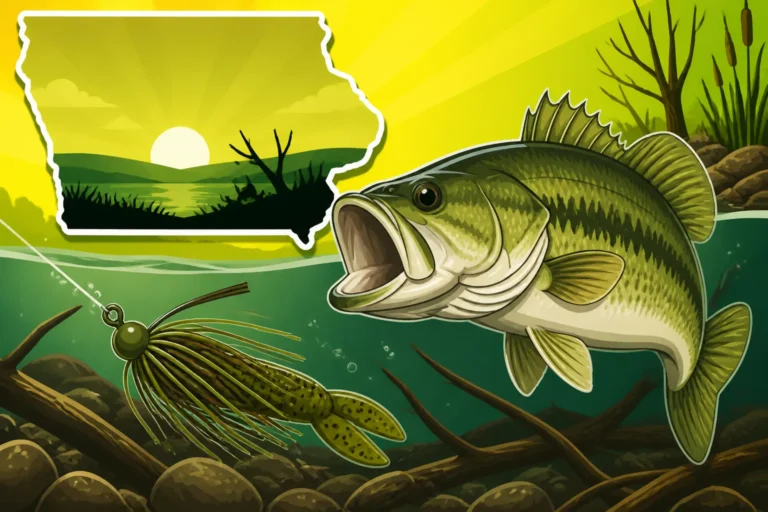
Summer is prime time for both largemouth and smallmouth bass in the Iowa Great Lakes. Largemouth will hold tight to dense weed beds, lily pads, and fallen timber in the shallower bays and channels of lakes like East Okoboji and Spirit Lake. Early mornings and late evenings are often the most productive, as bass move out of the thick cover to feed. Topwater lures can provide explosive strikes, making for some truly unforgettable moments. During the heat of the day, pitching jigs or Texas-rigged worms into heavy cover can coax out reluctant fish.
Smallmouth bass, on the other hand, often prefer the rocky structures and deeper, clearer waters of West Okoboji and Spirit Lake. Look for them around points, humps, and drop-offs. Crankbaits, tube baits, and drop-shot rigs are effective for probing these deeper haunts. Mornings and evenings still offer the best surface action, but smallmouth will feed actively throughout the day in their preferred deeper habitats. You might find some excellent Smallmouth Bass Habitat on the Mississippi River information transferable to the Great Lakes.
Muskie and Catfish Prowess
For the dedicated trophy hunter, summer is arguably the best time to chase muskellunge in the Iowa Great Lakes. These apex predators become more active in the warmer water, frequently ambushing prey. They'll often be found patrolling weed edges, deep breaks, and around submerged structures. Trolling large crankbaits or casting massive bucktails and jerkbaits are common tactics. Be prepared for a grueling fight and always have the proper landing gear, like a large net, ready for these magnificent fish. Muskie Fishing Techniques for Iowa Waters often revolve around these summer patterns.
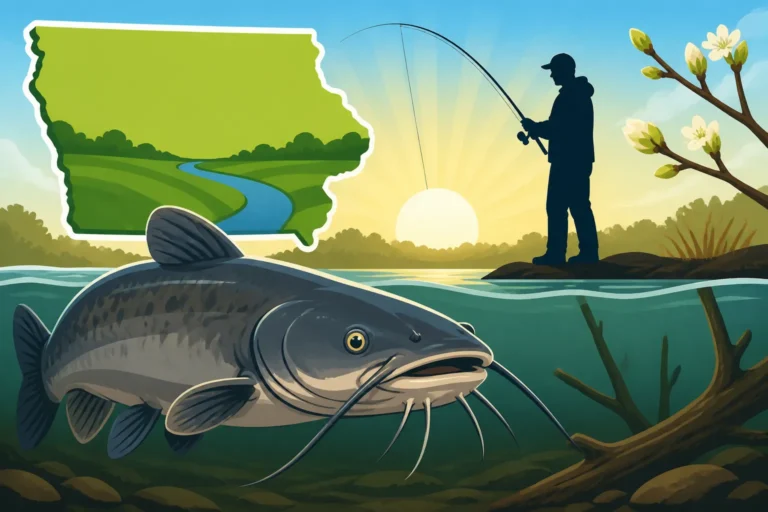
Catfish, particularly channel catfish, also thrive in the summer heat. While the Great Lakes aren't typically known as a catfish Mecca like some of Iowa's rivers, healthy populations exist, especially in East Okoboji and connecting canals. They'll often feed actively throughout the day and night in warmer water, gravitating towards areas with some current or deeper holes with access to food. Stink baits, cut bait, or even a simple nightcrawler can be effective. Consider exploring Night Fishing Techniques for Catfish for some truly peaceful and productive angling.
Autumn's Golden Opportunity: Fall Feeds
As the crisp air of autumn sweeps across Iowa, signaling shorter days and cooling water temperatures, a significant shift occurs in the Great Lakes. Many fish species enter a "fall feed" mode, actively gorging themselves in preparation for the upcoming winter. This period, from late September through November, can offer some of the most intense and rewarding fishing of the entire year, especially for those willing to brave cooler weather. The scenery is also a bonus, with stunning fall foliage surrounding the lakes.
Walleye Redux
If spring is good for walleye, then fall is arguably even better for trophy-sized fish. As water temperatures drop, walleye move from their deep summer haunts back to shallower feeding grounds, often concentrating in predictable areas. They become incredibly aggressive, trying to pack on as much weight as possible. Look for them on main lake points, rocky reefs, and along prominent breaklines. Trolling crankbaits, jigging larger plastics, or even slow-drifting with live bait can be incredibly effective.
This is the time when many anglers focus on the largest fish, knowing they are feeding voraciously. Understanding How Water Temperature Affects the Walleye Bite is critical now, as small temperature drops can trigger significant movements. Patience and persistence pay off, and if you hit the right conditions, you could be landing the biggest walleye of your season. Ensure your tackle box is well-stocked with a variety of lures, perhaps after a quick browse on Amazon for new patterns.
Muskie's Last Stand
For muskie enthusiasts, late fall is a pinnacle time. These giants become even more active and aggressive as they try to put on a final layer of fat for winter. They'll often be found in relatively shallow water, especially around remaining green weeds or prominent structure, making them more accessible than during some other times of the year. Anglers often switch to even larger baits, including big jerkbaits and glide baits, aiming for that one last monster fish of the year.
The bites can be few and far between, but when a muskie hits, it's usually with incredible force. Dress warmly, as late fall days can be quite chilly, but the potential for a personal best muskie keeps many anglers coming back. Best Time of Year for Muskie Fishing in Iowa articles consistently highlight this late fall period as a top choice.
Panfish and Perch Gatherings
While not as heavily targeted as walleye or muskie in the fall, panfish like crappie, bluegill, and particularly yellow perch also offer excellent opportunities. As the shallow weeds die off, these fish will often school up and move to deeper weed lines, brush piles, or around structures like cribs. Once located, these schools can provide non-stop action, often with larger-than-average fish.
Perch, especially at Spirit Lake and West Okoboji, become a significant target in the fall. They group tightly and feed aggressively, often on smaller minnows or insect larvae. Small jigs tipped with a minnow or a piece of worm are highly effective. This can be a fantastic way to fill a cooler with delicious fillets, providing a hearty meal to warm you up after a cool day on the water.
Winter's Chill: Ice Fishing Gold
When the Iowa Great Lakes finally freeze solid, usually from late December through early March, a whole new world of fishing opens up: ice fishing. This unique discipline allows anglers to access parts of the lake that are often unreachable by boat, and it can offer some of the most consistent and exciting fishing of the year. While the weather can be formidable, proper gear and safety precautions make it an enjoyable and highly productive season. Always prioritize Ice Fishing Safety on Iowa Lakes and check local ice conditions before venturing out.
Walleye Through the Ice
Ice fishing for walleye is a beloved tradition on the Iowa Great Lakes. Early ice, when the fish are still relatively shallow and active, can be phenomenal. As winter progresses, walleye often move to deeper areas, congregating on main lake points, humps, and breaklines. Jigging spoons, vertical jigs tipped with a minnow, or setting up tip-ups with larger shiners are popular and effective methods. The Great Lakes are renowned for their ice walleye bite, drawing anglers from all over the region.
Patience is key, but once you find a school, the action can be intense. Many anglers use portable shelters, some even found on Amazon, to stay warm and comfortable during long days on the ice. Consider refining your strategy with Winter Walleye Techniques Near Dubuque, as many principles apply across Iowa's frozen lakes. Remember to stay mobile if the bite slows, using an auger to drill new holes and locate active fish.
Panfish and Perch Bonanza
For sheer numbers and consistent action, ice fishing for panfish and perch is hard to beat on the Great Lakes. Crappie, bluegill, and yellow bass (especially in Clear Lake, which is often considered part of the Great Lakes system for practical fishing purposes) stack up in predictable locations like weed edges, brush piles, and basin flats. Small jigs tipped with waxworms, spikes, or a small piece of minnow are deadly.
Perch fishing is particularly popular, with anglers drilling numerous holes over suspected feeding flats and humps. The schools can be massive, providing fast and furious action. Knowing How to Ice Fish for Panfish is a skill that will serve you well here. Light sensitive rods and small reels are the norm, allowing you to detect even the most subtle bites from these finicky winter eaters. Many families enjoy the accessibility and steady action that panfish ice fishing provides, making it a wonderful winter pastime.
Seasonal Fishing Opportunities on the Iowa Great Lakes
To help you visualize the prime times for your target species, here's a quick overview of the best seasons to hit the Iowa Great Lakes:
| Species | Spring (Apr-May) | Summer (Jun-Aug) | Fall (Sep-Nov) | Winter (Dec-Mar) |
|---|---|---|---|---|
| Walleye | Excellent | Fair | Excellent | Very Good |
| Largemouth Bass | Good | Excellent | Good | Slow |
| Smallmouth Bass | Good | Excellent | Good | Slow |
| Crappie | Excellent | Good | Good | Excellent |
| Bluegill/Sunfish | Excellent | Good | Good | Excellent |
| Yellow Perch | Good | Fair | Excellent | Excellent |
| Muskie | Fair | Excellent | Excellent | Slow |
| Channel Catfish | Fair | Excellent | Good | Slow |
Understanding the seasonal movements and feeding patterns of fish is key to maximizing your success on the Iowa Great Lakes. Whether you're chasing that elusive trophy walleye or hoping for a cooler full of panfish, there's truly a rewarding experience waiting for you in every season. Don't forget to review Iowa Fishing Regulations Explained before you head out, as rules and limits can change.
Remember, the fish are always biting somewhere. Armed with knowledge about the best times of year, you can confidently plan your next trip to Fishing the Iowa Great Lakes and create lasting memories on these beautiful waters.
Disclaimer
This article is for general informational purposes only and does not constitute professional advice. Laws, prices and regulations vary by location and change over time. Consult a qualified professional for guidance on your specific situation.