What a Hybrid Sunfish Is
Ever wondered about those fish you reel in that look kinda like a bluegill, but also a bit… off? Maybe they're bigger, maybe their colors are a little different, or perhaps they just don't quite fit the typical mold you're used to seeing. You're not alone! Many Iowa anglers encounter these fascinating fish, and often, what you've got on your line is a hybrid sunfish. This guide is here to demystify these unique panfish, explaining what they are, why they exist, and how to identify and even target them.
The Curious Case of the Hybrid Sunfish: What Are They Really?
Alright, let's get down to it. You've probably heard the term "hybrid" before, maybe in reference to cars or even plants. In the fishing world, a hybrid sunfish is exactly what it sounds like: a cross between two different species of sunfish. Think of it like a mule, which is a cross between a horse and a donkey. It has traits from both parents but is its own distinct entity.
Most commonly in Iowa, when we talk about hybrid sunfish, we're usually referring to crosses involving bluegill ( Lepomis macrochirus ) and green sunfish ( Lepomis cyanellus ). Sometimes, you might also hear them called "hybrid bluegill," especially in pond stocking circles, because bluegill are often one of the parent species. These genetic mash-ups can also occur between bluegill and redear sunfish, or even other sunfish species like pumpkinseed, though the bluegill-green sunfish mix is by far the most prevalent and recognizable to anglers across our state.
The cool thing about these hybrids is that they often exhibit what's called "hybrid vigor." This means they tend to grow faster and larger than either of their parent species. For us anglers, that translates to a bigger, beefier panfish that puts up a fantastic fight on light tackle. They're like the powerlifters of the panfish world, often sporting a more robust build than a typical bluegill of the same age.
Common Parent Species in Iowa's Waters
To truly understand a hybrid, you need to know a little about its parents. In Iowa, the two superstars of the hybrid sunfish lineage are, as I mentioned, the bluegill and the green sunfish.
-
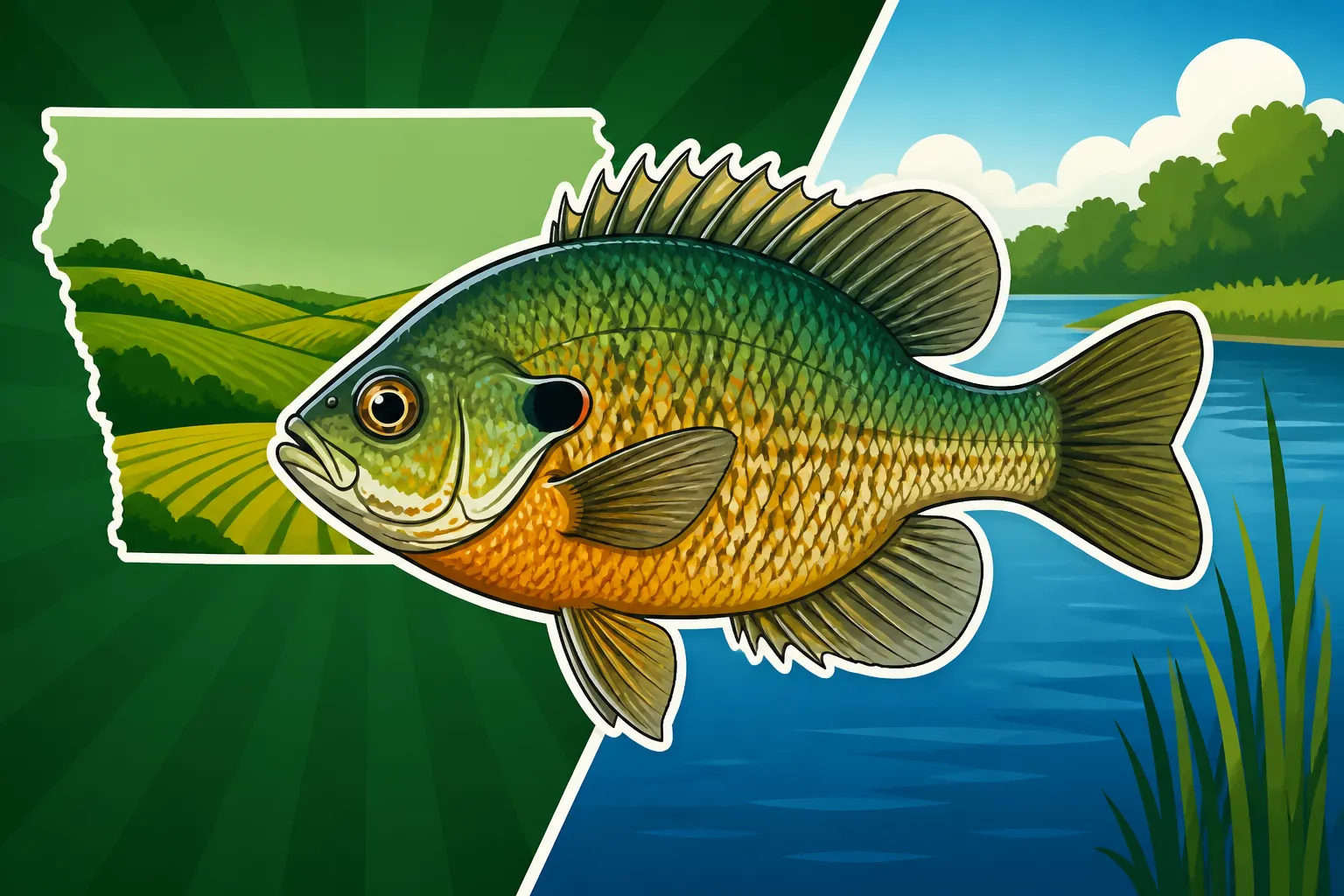
Bluegill: These are the quintessential panfish. Everyone knows a bluegill! They're generally round-bodied, with a small mouth, a distinctive dark spot on the soft dorsal fin, and that characteristic small, flexible, all-black opercular flap (the "ear flap"). They're often iridescent blue and olive green, with vertical bars that might fade or become more prominent depending on the fish's mood or environment. Bluegill are often found schooling in weed beds, around submerged brush, and near docks, feasting on insects and small invertebrates. If you're looking for more details on these delightful fish, check out our guide on Bluegill Fishing in Iowa.
-
Green Sunfish: Now, the green sunfish is a bit different. They have a larger mouth compared to a bluegill, a more elongated body, and often a mottled green-brown coloration. Their opercular flap is typically longer and stiffer than a bluegill's, often with a white or orange margin, not just solid black. You'll also notice bright blue or turquoise streaks on their cheeks and around their mouth. Green sunfish are tougher, more aggressive, and can thrive in shallower, sometimes muddier waters than bluegill. They're often found in streams, ditches, and the margins of ponds.
When these two get together, their offspring, the hybrid, often takes on characteristics from both, making them a fun challenge to identify! It's why one hybrid might look a bit more bluegill-y, while another leans more towards its green sunfish ancestry.
The Science Behind the Cross: Why Do Hybrid Sunfish Exist?
So, why do these fish mix and match their genes? It's not always a random occurrence. Hybrid sunfish can arise through a couple of different pathways, both natural and, surprisingly, man-made. Understanding these pathways helps us appreciate why they're so common in certain waters.
Natural Hybridization in the Wild
In the wild, hybridization happens when two closely related fish species share the same spawning grounds and, well, get a little confused. Imagine a pond or a slow-moving river where both bluegill and green sunfish are present. Their spawning seasons often overlap, and their nesting habits can be quite similar. A male bluegill might make a nest, and a female green sunfish might decide it looks like a perfectly good place to lay her eggs, or vice-versa. The resulting offspring will carry genes from both parents.
This is more common in disturbed habitats or smaller water bodies where space is limited, and individuals of different species are forced into closer proximity. Sometimes, environmental stress can also play a role, making fish less selective about their mates. While natural hybrids certainly exist, they generally make up a smaller percentage of the total sunfish population compared to their purebred counterparts in most systems. They're a testament to nature's incredible adaptability and sometimes, its quirky sense of humor!
Deliberate Stocking for Pond Management
Here's where hybrid sunfish really shine, especially for those managing private ponds or small lakes. Many fisheries biologists and private pond owners intentionally stock hybrid sunfish, primarily the bluegill-green sunfish cross, for a few very compelling reasons:
- Fast Growth: As I mentioned, hybrid vigor is a real thing. These fish grow significantly faster than pure bluegill or green sunfish. This means quicker turnaround for a harvestable, good-sized panfish.
- Aggressive Biters: Hybrids are known for being incredibly feisty and eager to bite. This makes them a fantastic choice for kids and beginner anglers, practically guaranteeing action and building excitement for fishing. They're not shy about hitting a worm or a small jig!
- Population Control: This is a big one. The majority of hybrid sunfish are sterile, meaning they cannot reproduce. This is a huge advantage in pond management because it prevents overpopulation, which is a common issue with pure bluegill. If bluegill reproduce unchecked, they can become stunted, leading to a pond full of tiny, unhealthy fish. By stocking sterile hybrids, pond owners can control the population size, ensuring the fish grow to a good, catchable size. For larger water bodies, this isn't as much of an issue, but in closed pond systems, it's a game-changer.
Because of these benefits, you'll often find hybrid sunfish in many of Iowa's smaller public ponds and, of course, countless private waters. They're specifically chosen to provide a fun, productive fishing experience without the headaches of overpopulation.
Decoding the Dots and Fins: How to Identify a Hybrid Sunfish
Identifying a hybrid sunfish can sometimes feel like solving a puzzle. Since they get traits from both parents, there's no single, definitive look. However, there are several key features you can check to increase your chances of accurate identification. It often comes down to looking for a mix of characteristics from bluegill and green sunfish.
Key Identification Features to Look For
When you've got a sunfish on the line and you're thinking it might be a hybrid, here's your checklist:
- Mouth Size: This is often the first clue. A pure bluegill has a very small mouth – if you try to put your little finger in, it wouldn't fit. A pure green sunfish has a noticeably larger mouth, extending back to at least the front of the eye, often past the middle. A hybrid will usually have an intermediate-sized mouth, larger than a bluegill's but possibly not quite as big as a full-blown green sunfish. It might reach just past the front edge of the eye.
- Opercular Flap (Ear Flap): The stiff, bony flap covering the gills is another big indicator.
- Bluegill: Typically entirely black, flexible, and relatively short.
- Green Sunfish: Longer, stiffer, often with a white or orange margin, and a distinct black spot at the very end.
- Hybrid: Often intermediate. It might be mostly black but with a faint pale margin, or a bit stiffer than a bluegill's, but not as pronounced or brightly bordered as a green sunfish.
- Pectoral Fin (Side Fin):
- Bluegill: Long and pointed, extending well past the eye if folded forward.
- Green Sunfish: Shorter and more rounded.
- Hybrid: Can vary, but often more pointed than a green sunfish, yet sometimes not as strikingly long as a pure bluegill.
- Body Shape and Coloration:
- Bluegill: Very round, deep-bodied, often with subtle vertical bars, and iridescent blue-green hues.
- Green Sunfish: More elongated, almost bass-like, with a mottled green-brown pattern and distinctive bright blue lines on the face.
- Hybrid: Often has a deeper body than a green sunfish but can be less perfectly round than a bluegill. Coloration is highly variable; you might see a general bluegill-like pattern with some green sunfish mottling, or facial markings that aren't quite as vibrant as a green sunfish. Sometimes, they just look "muddy" or "blurry" in their color patterns, not quite crisp like either parent.
It's a lot to take in, I know! But with practice, you'll start to recognize these nuances. The key is to look for a blend of features rather than expecting one perfect trait.
A Quick Comparison Table
To help you out, here's a little table summarizing the key differences:
| Feature | Bluegill | Green Sunfish | Hybrid Sunfish (Bluegill x Green) |
|---|---|---|---|
| Mouth Size | Small, doesn't reach front of eye | Large, extends to or past middle of eye | Intermediate, often reaches front of eye |
| Opercular Flap | All black, flexible, short | Stiff, black spot with white/orange margin | Often mostly black with faint pale margin |
| Pectoral Fin | Long and pointed | Shorter and rounded | Intermediate, can be somewhat pointed |
| Body Shape | Deep, round-bodied | Elongated, bass-like | Intermediate, deeper than green, less round than bluegill |
| Coloration | Blue-green, distinct vertical bars | Mottled green-brown, blue facial streaks | Highly variable, blend of parent colors |
Remember, this isn't an exact science in every single case, especially with so much natural variation. If you're really curious, sometimes snapping a photo and sharing it with experienced local anglers or your state DNR can help confirm an identification. You can also brush up on general panfish identification with our guide on Bluegill and Sunfish Species Identification.
Getting Them on the Line: Fishing for Hybrid Sunfish in Iowa
Now for the fun part! Hybrid sunfish are fantastic targets for anglers of all skill levels. Their aggressive nature and larger size make them a rewarding catch, perfect for a relaxing afternoon on the water.
Preferred Habitats and Hotspots
Hybrids will often occupy habitats that blend those of their parent species. Since they're robust and adaptable, you can find them in a wide array of Iowa's waters.
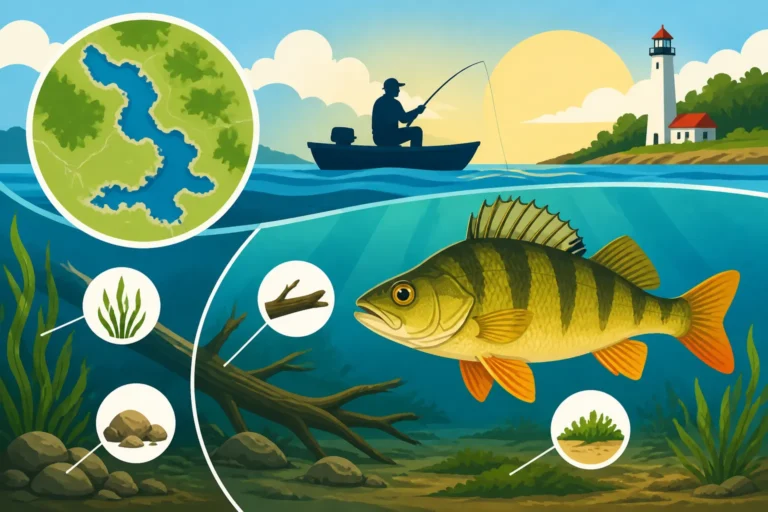
- Ponds and Small Lakes: This is prime hybrid sunfish territory, especially those that have been stocked. Look for them around submerged brush, weed beds, rock piles, and artificial structures like old tires or Christmas trees sunk for fish habitat. They love to hang out near docks and any kind of cover that provides shade and ambush points.
- Lake Edges and Coves: In larger reservoirs like Saylorville or Coralville, you'll often find them congregating in shallow coves, along shoreline breaks, and near tributary mouths where there's plenty of food and cover.
- Slow-Moving Rivers and Backwaters: Given the green sunfish influence, hybrids can also be found in the quieter stretches of rivers, oxbows, and backwater areas of larger systems like the Mississippi River. Look for areas with slower current and woody debris. Remember to always be aware of local regulations, especially when fishing border waters; for example, you might want to read up on Panfish Limit on the Mississippi River.
- Farm Ponds: If you have access to a well-managed farm pond, chances are good it has been stocked with hybrid sunfish specifically for their growth and catchability.
Top Techniques and Baits
Hybrid sunfish are not picky eaters, which is one of their most endearing qualities! You don't need fancy gear or complex techniques to bring them in.
- Simple Bobber Fishing: This is a classic for a reason! A small bobber, a light split-shot, and a tiny hook (size 8 or 10 is usually perfect) baited with a live worm or cricket is often all it takes. Cast it near cover, and wait for that bobber to disappear! This is a particularly effective technique, and you can learn more about it with our How to Catch Panfish With a Bobber guide.
- Jigging Small Lures: Tiny jigs, often 1/32 or 1/16 ounce, tipped with a small piece of worm, a wax worm, or a small soft plastic grub, can be incredibly effective. Cast them out, let them sink, and retrieve with a slow, twitching motion. Experiment with colors; bright colors like chartreuse, pink, or white often grab their attention. For a wide selection of these, consider browsing fishing tackle on Amazon.
- Spinners and Beetle Spins: Small inline spinners or "Beetle Spins" with a brightly colored grub body are irresistible to aggressive hybrids. Cast them and retrieve steadily, letting the blade flash and vibrate.
- Fly Fishing: For those who enjoy fly fishing, hybrid sunfish are a blast on ultralight fly rods. Small poppers, wet flies, or even tiny nymphs can entice strong strikes.
- Best Baits:
- Live Worms: Hands down, the most reliable. Nightcrawlers cut into pieces, redworms, or earthworms.
- Crickets: Another fantastic live bait, especially during warmer months.
- Wax Worms/Grubs: Excellent for tipping jigs or using on bare hooks, particularly when the water is cooler.
- Small Minnows: While less common for sunfish, very small minnows can sometimes attract larger hybrids. Make sure to check regulations on Can You Use Live Bait Fish? for your specific water body.
Recommended Gear for Hybrid Sunfish
You don't need to break the bank for hybrid sunfish gear. Light tackle is key to maximizing the fun and feeling every head shake.
- Rod and Reel: An ultralight or light action spinning rod (5-6 feet long) paired with a small spinning reel (size 1000 or 2000) spooled with 4-6 pound test monofilament or fluorocarbon line is ideal. This setup allows for accurate casting of small lures and plenty of fight from these feisty fish. If you're looking for an affordable setup, you can often find great options for a Best Budget Spinning Combo for Panfish on Amazon.
- Hooks: Small Aberdeen or "baitholder" style hooks in sizes #8 or #10 are perfect for their mouths and for holding bait.
- Bobbers: Small slip bobbers or fixed bobbers, depending on the depth you're fishing.
- Terminal Tackle: A selection of small split shots, swivels, and a few small jigs will round out your kit. For more general tackle suggestions, check out Best Tackle Box Setup for Beginners. You can easily stock up on all these essentials by exploring the fishing section on Amazon.
On the Plate and in the Regulations: Management and Culinary Delights
Catching hybrid sunfish is one thing, but knowing about their place in the ecosystem and how to legally harvest them is just as important. Plus, they make for some mighty fine eating!
Iowa's Approach to Hybrid Sunfish
From a regulatory standpoint, hybrid sunfish are generally treated like other panfish species in Iowa. This means they typically fall under the collective "sunfish" or "panfish" daily bag and possession limits. Iowa's regulations are designed to sustain healthy fish populations while providing ample opportunities for anglers. It's always, always, a good idea to consult the current Iowa Fishing Regulations Explained booklet or the Iowa DNR website before you head out, as rules can change. You'll also need to ensure you have your Iowa Fishing License Guide in order!
Because many hybrid sunfish are sterile, they don't contribute to the natural reproductive cycle in the same way purebred fish do. In stocked ponds, their purpose is primarily recreational and culinary – they're there to be caught and enjoyed! This sterility also means that, unlike some other species, concerns about hybrids outcompeting or genetically diluting wild populations are generally minimal in larger, natural systems where their numbers aren't boosted by stocking.
The Culinary Experience: Are They Good to Eat?
Absolutely! Hybrid sunfish are fantastic on the dinner plate. Because of their hybrid vigor, they often grow larger than your average bluegill, which means bigger, meatier fillets. The taste is very similar to bluegill: sweet, flaky, and mild.
Here are a few ways to enjoy your hybrid sunfish:
- Pan-Fried: This is the classic method for panfish. Fillet them, lightly dust in seasoned flour or cornmeal, and pan-fry in butter or oil until golden brown and cooked through. Serve with some coleslaw and hushpuppies for a true taste of summer.
- Deep-Fried: For an extra crispy treat, a light batter and a dip in hot oil can't be beat.
- Grilled: Larger fillets can even be lightly grilled, perhaps brushed with a little lemon butter.
- Fish Tacos: Flake the cooked fish into tortillas with your favorite toppings for a fresh, flavorful meal.
Just remember to keep your catch fresh! A good cooler with plenty of ice is essential. You can find a range of sizes and styles of coolers on Amazon to suit your needs, ensuring your fillets make it home in prime condition. Cleaning your fish soon after catching them will always yield the best-tasting results.
Final Thoughts on These Iowa Gems
Hybrid sunfish are truly a gift to Iowa anglers. They offer the best of both worlds: the tenacious fight of a green sunfish combined with the delicious table fare of a bluegill, all wrapped up in a fast-growing, aggressive package. Whether you're fishing a private pond, a community lake, or a quiet river backwater, keeping an eye out for these unique fish will add an extra layer of excitement to your fishing adventures.
Don't be afraid to experiment with your identification skills, cast out a trusty worm, and enjoy the thrill of reeling in one of these robust panfish. They're a testament to the diversity and accessibility of fishing here in Iowa, promising a good time and a great meal for everyone who casts a line.
Disclaimer
This article is for general informational purposes only and does not constitute professional advice. Laws, prices and regulations vary by location and change over time. Consult a qualified professional for guidance on your specific situation.