How Fast Northern Pike Grow
Many Iowa anglers dream of reeling in a monster Northern Pike, but a common question that pops up is just how fast these toothy predators actually grow in our local waters. It's easy to get caught up in stories of giants from the far north, but the reality for Iowa is a bit different, though still impressive! Understanding the growth rate of Northern Pike can help you set realistic expectations, target your fishing efforts effectively, and appreciate the lifecycle of these fascinating fish. This guide will walk you through the factors that influence how quickly Northern Pike mature and what size you can typically expect to encounter in Iowa's lakes and rivers.
The Growth Story of Northern Pike in Iowa's Waters
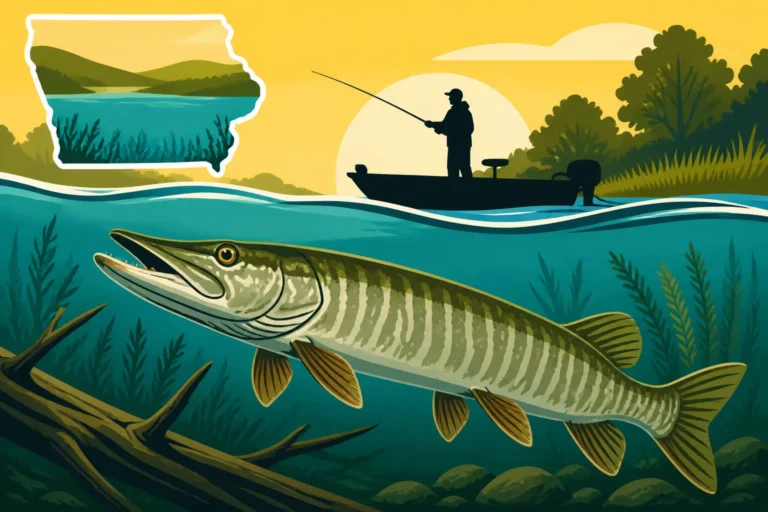
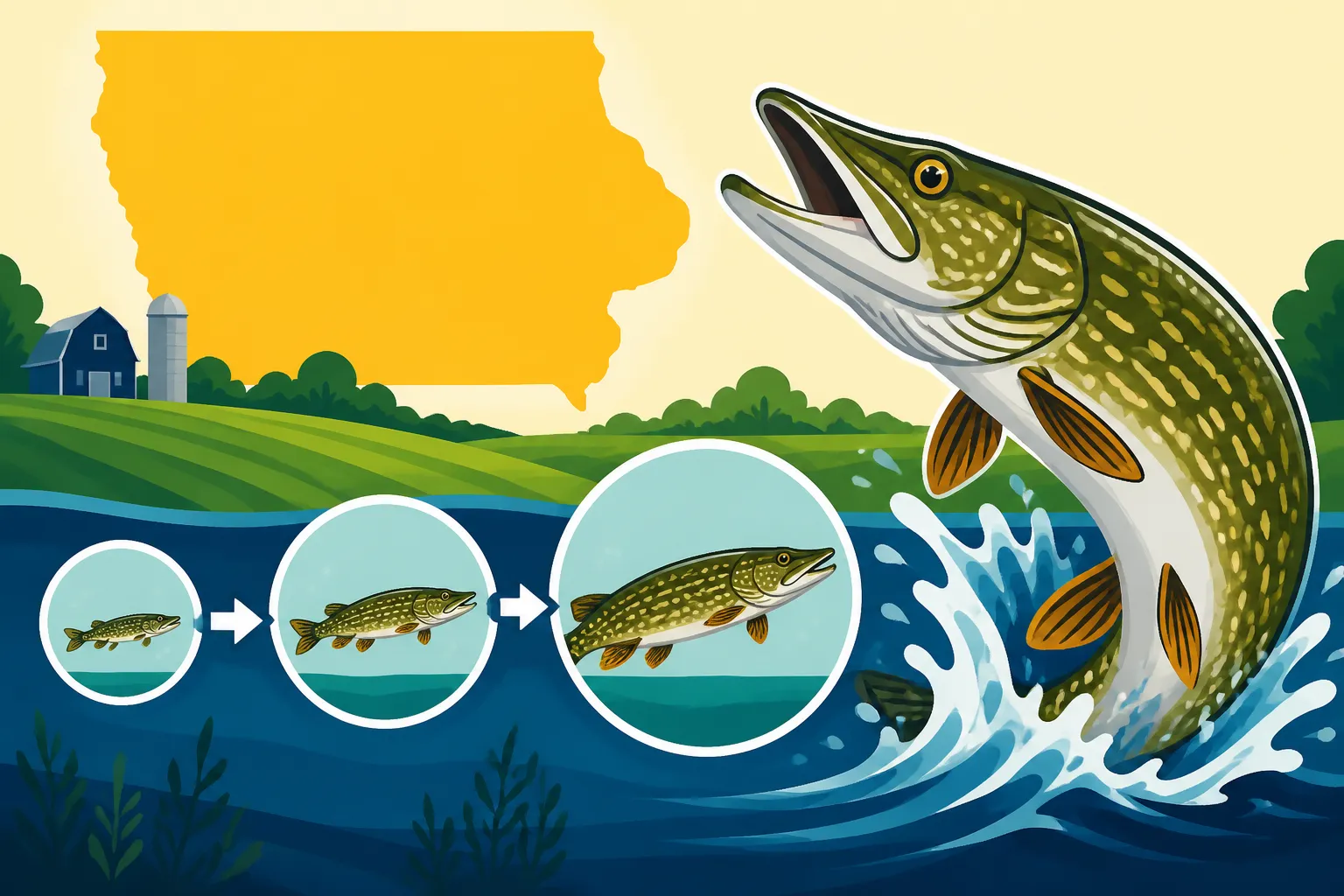
Northern Pike, often called "water wolves" for their voracious appetites, are a highly sought-after sport fish across North America, and Iowa is no exception. While they might not reach the colossal sizes seen in some Canadian Shield lakes, Iowa's pike still offer an exciting challenge. Their growth isn't a straight line; it's a dynamic process influenced by a mix of environmental factors and genetics. Typically, Northern Pike exhibit rapid growth in their early years, a crucial period where they establish themselves in the aquatic ecosystem and evade predators themselves. This initial burst of growth is vital for their survival, allowing them to quickly become dominant predators in their environment.
As they mature, the rate of linear growth (length) tends to slow down, and the fish begin to put on more weight, developing that impressive girth that experienced anglers love to see. A healthy pike population in Iowa means a good balance of young, rapidly growing fish and older, more substantial individuals that have accumulated years of feeding and growing. For an angler, encountering a pike of any size is a thrill, but understanding their growth patterns can add a whole new layer of appreciation to the catch. We're talking about a fish that can often live for several years, navigating different seasons and challenges in our Iowa waters.
Factors Influencing How Quickly Northern Pike Grow
The speed at which a Northern Pike grows is far from arbitrary; it's a complex interplay of several key factors. Think of it like a puzzle where each piece, from the amount of food available to the water temperature, needs to fit just right for optimal growth. Understanding these elements can give you a better insight into why some lakes produce bigger pike than others and how conservation efforts play a crucial role.
Food Availability and Forage Base
Perhaps the most critical factor in a pike's growth is simply how much food it can get its jaws on. Northern Pike are opportunistic predators, meaning they'll eat just about anything they can overpower, from smaller fish like panfish and perch to frogs, mice, and even ducklings. If a lake or river has an abundant and diverse forage base, meaning lots of smaller fish for them to prey upon, pike will grow faster and reach larger sizes. Conversely, in bodies of water with a scarce food supply, pike might be stunted, remaining smaller and leaner even as they age.
For example, a lake teeming with Bluegill Fishing in Iowa or a river stretch rich in various minnow species provides a continuous buffet for growing pike. Areas with dense populations of white suckers, shiners, or even young carp can also fuel significant growth. Anglers often look for these areas when targeting pike, knowing that where there's plenty of food, there are likely healthy, well-fed predators. It's a fundamental ecological principle: eat well, grow big. You might find resources on Northern Pike Habitat in Iowa Lakes or Northern Pike Fishing in Iowa that touch upon this concept.
Water Temperature and Climate
Iowa's distinct four seasons play a significant role in the metabolism and growth of Northern Pike. Like all cold-blooded fish, their activity levels are heavily influenced by water temperature. During the warmer summer months, pike are more active, their metabolism speeds up, and they feed more frequently and aggressively. This extended period of high activity and feeding translates directly into faster growth. The longer our Iowa summers allow for these prime feeding conditions, the more growth they can achieve in a given year.
However, the colder winter months slow things down considerably. While pike are known to remain active under the ice and are popular targets for Ice Fishing in Iowa, their metabolism is reduced, and feeding slows. Growth during this period is minimal compared to the warmer seasons. A particularly long and harsh winter can effectively shorten the peak growth period, potentially impacting the overall size a pike might reach. It's a delicate balance that Mother Nature orchestrates annually, shaping the aquatic environment that allows these fish to thrive.
Genetics and Population Density
Just like people, individual fish have genetic predispositions that can influence their maximum size and growth rate. Some pike are simply "programmed" to grow larger and faster than others, even under identical environmental conditions. This genetic component contributes to the variation you see among fish caught in the same water body.
Population density is another critical factor. If a body of water becomes overpopulated with Northern Pike, there's increased competition for food. This intense competition can lead to a phenomenon known as "stunting," where a large number of fish remain relatively small because there isn't enough food to go around for everyone to reach their full growth potential. Conservation efforts and sensible Iowa Fishing Daily Bag Limits Guide often aim to manage fish populations to prevent stunting and promote healthy growth. A healthy population is one where there's enough space and food for fish to mature, which often means fewer, but larger, fish.
Typical Northern Pike Size and Age in Iowa
When you're out on the water, what can you realistically expect from an Iowa Northern Pike? While trophy fish certainly exist, most pike you encounter will fall within a more common size range. It's helpful to understand these averages and what they mean for the age of the fish you're catching. This knowledge not only enhances your fishing experience but also helps in making informed decisions about catch and release.
Let's look at a general progression of how Northern Pike grow in Iowa:
| Age (Years) | Typical Length Range (Inches) | Growth Characteristics and Angler Notes |
|---|---|---|
| 1 | 10-16 | Rapid initial growth. Focus on small prey. Often too small for legal harvest. |
| 2 | 16-22 | Still growing quickly. Might be reaching minimum legal length in some areas. Aggressive feeders. |
| 3-4 | 22-30 | Steady growth. Good eating size for many. Strong fighters. Becoming a substantial catch. |
| 5-7 | 30-38 | Growth in length slows, girth increases significantly. Prime breeding fish. Excellent sport fish. |
| 8+ | 38+ | True trophy-sized pike in Iowa. Length gains are minimal, but they put on considerable weight and muscle. |
It's important to remember that these are general ranges. A pike in a particularly rich, unpressured lake might grow faster, while one in a heavily fished or food-scarce environment might grow slower. The minimum legal length for Northern Pike in Iowa varies by water body, so always check the current Iowa Fishing Regulations Explained before heading out. Allowing fish to reach older ages often means they've had more opportunities to spawn, contributing to future generations of pike.
When you're aiming for those larger pike, you might be looking at fish that are 5 years old or more. These are often the true "battleship" pike, powerful and cunning. Remember that while length is impressive, the girth of an older pike often tells the real story of its maturity and health. When preparing for a trip, a good measuring tape is essential, and you can find reliable, durable options on platforms like Amazon that will stand up to the elements.
Managing Expectations and Sustainable Fishing for Northern Pike
Iowa's waters hold some impressive Northern Pike, but it’s vital for us as anglers to manage our expectations and practice sustainable fishing. While every trip has the potential for a personal best, not every pike will be a giant. The allure of a true trophy pike often comes after years of growth, and responsible angling helps ensure these fish can reach their full potential and continue to thrive.
When targeting Northern Pike, especially those larger, older fish that are so important for reproduction, consider practicing catch and release. This isn't just about adhering to the letter of the law but embracing the spirit of conservation. If you do plan to keep fish within the Iowa Fishing Daily Bag Limits Guide, select those that are within legal size and perhaps opt for smaller, younger fish for the dinner table, leaving the larger breeders to continue their work. Remember, a bigger fish today means more bigger fish tomorrow.
To ensure the best chance of survival for released pike, especially the larger ones, be prepared. Use a good set of long-nosed pliers or jaw spreaders (many reliable options are available on Amazon) to quickly and safely remove hooks, minimizing handling time. A large, rubber-coated net can also protect the fish's slime coat and fins. Understanding the growth rate of Northern Pike helps us appreciate the time and resources it takes for these magnificent creatures to develop. It encourages us to be stewards of our fisheries, ensuring that future generations of Iowa anglers can experience the thrill of battling a hard-fighting Northern Pike. When researching new gear to help with these practices, like specialized nets or hook removers, checking out retailers like Amazon can often provide a wide selection to fit your needs. Knowing How Long a Fishing License Stays Valid is also key to being a responsible angler year after year.
Disclaimer
This article is for general informational purposes only and does not constitute professional advice. Laws, prices and regulations vary by location and change over time. Consult a qualified professional for guidance on your specific situation.