How Big Crappie Get in Iowa
There's nothing quite like the excitement of feeling that tell-tale tap on your line and reeling in a feisty crappie. For many Iowa anglers, the dream isn't just about catching crappie, but about landing one of those elusive "slab" crappie – big, healthy fish that truly make a memorable day on the water. If you've ever wondered what kind of sizes you can expect from these popular panfish in Iowa, you're in the right place. This guide will dive deep into the typical sizes, trophy potential, and what goes into growing those impressive crappie across our beautiful state.
Understanding Crappie Species in Iowa
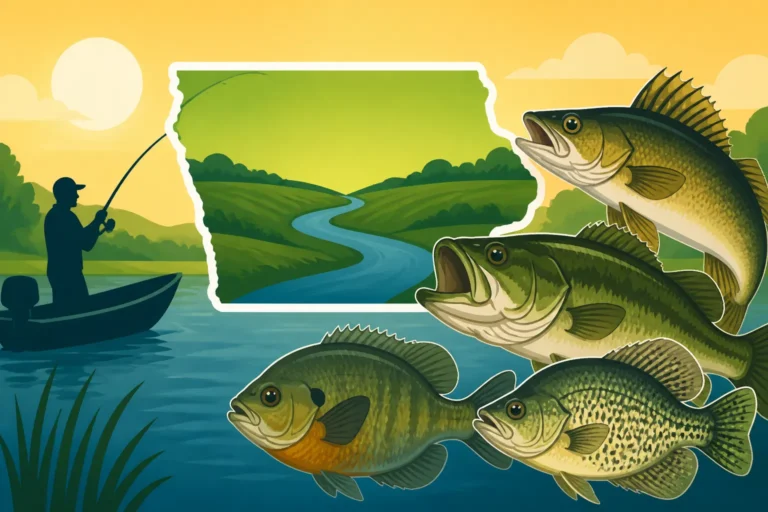
Before we talk about how big crappie get, it's really helpful to know that we primarily have two species swimming in Iowa waters: the black crappie and the white crappie. While they share a family name and many characteristics, there are subtle differences in their appearance, preferred habitats, and even their growth patterns that can influence the size of the fish you encounter. Understanding these distinctions can give you a real edge in knowing what to expect when you drop a line.
Black Crappie vs. White Crappie Growth
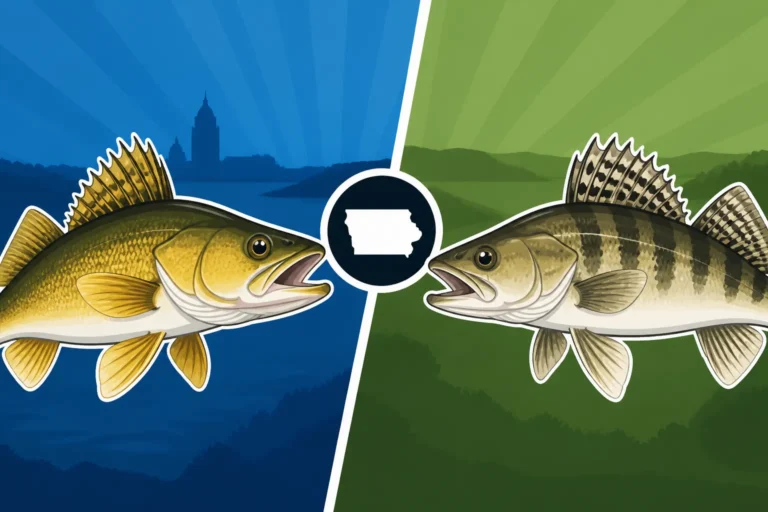
When you’re out on the water, you might notice that black crappie tend to have a deeper, more "chunkier" body profile compared to their white crappie cousins, which are often a bit more elongated. This isn't just a cosmetic difference; it can play a role in how they grow. Black crappie are usually recognized by their irregular dark speckles and seven or eight dorsal fin spines, while white crappie have more defined vertical bars and typically six dorsal fin spines. Both are fantastic table fare, but their growth rates can differ based on the specific conditions of a lake or river.
Black crappie generally prefer clearer water with more vegetation and structure, thriving in environments where they can ambush prey. They tend to grow a bit slower but can achieve impressive girth, making them feel heavier for their length. White crappie, on the other hand, are often more tolerant of turbid, or cloudy, waters and are frequently found in larger reservoirs and rivers, sometimes in open water. While individual fish vary, it's not uncommon for white crappie to reach slightly greater lengths in certain systems, though they might not always have the same robust, disc-like shape as a big black crappie. Both species contribute to the incredible fishing opportunities we have here in Iowa. You can learn more about Black Crappie vs White Crappie in Iowa to really hone your identification skills.
Factors Influencing Crappie Size
You might wonder why some lakes consistently produce bigger crappie than others. It's not just luck; a whole host of environmental factors play a crucial role in how large a crappie can grow. Think of it like a carefully balanced ecosystem where every element influences the next. Getting to know these factors can help you understand why certain fishing spots are renowned for producing "slabs" and others are better for consistent numbers of smaller, pan-sized fish.
One of the most critical factors is food availability. Crappie are primarily piscivorous, meaning they eat other fish, especially shad and various minnow species. If a lake has an abundant supply of these forage fish, crappie have a steady diet to fuel their growth. Conversely, a scarcity of food can lead to stunted populations. Water quality, including oxygen levels and temperature, also plays a significant role. Healthy, clean water with plenty of submerged structure like brush piles and timber provides ideal habitat, offering both food and protection from predators. If you're interested in what these fish typically eat, check out What Crappie Eat. Population density is another huge factor; if a body of water becomes overpopulated with crappie, competition for food can become fierce, leading to many smaller, slow-growing fish rather than a few large ones. Genetics certainly factor in, with some crappie simply having the potential for greater growth, but environmental conditions are usually the dominant force.
Typical Crappie Sizes You'll Encounter in Iowa
So, let's get down to the brass tacks: what kind of crappie can you actually expect to pull out of Iowa's lakes and rivers? While every fishing trip is an adventure with unpredictable outcomes, there are general size ranges that most anglers will encounter, and then there are those rare, truly memorable catches that make all the effort worthwhile. It's a spectrum from the abundant "eaters" to the coveted "slabs."
What to Expect on Average
For the average Iowa angler, a typical crappie catch will fall in the 7 to 10-inch range. These are fantastic panfish, perfect for a fish fry, and they make up the bulk of the crappie population in most healthy lakes and reservoirs. You'll find these fish in good numbers, and they offer consistent action, especially during peak seasons like spring and fall. They're fun to catch, put up a decent fight on light tackle, and are what most people think of when they imagine crappie fishing.
These average-sized crappie are often found schooling in various locations depending on the time of year and water temperature. In spring, they'll move into shallower areas to spawn, often congregating around submerged brush or docks. During summer, they might retreat to deeper, cooler waters or suspend over structure. If you're targeting numbers for the dinner table, these 7-10 inchers are your bread and butter, and there's absolutely nothing wrong with that! Learning about Iowa Fishing Seasons Explained can help you time your trips for the best results.
The Thrill of "Slab" Crappie
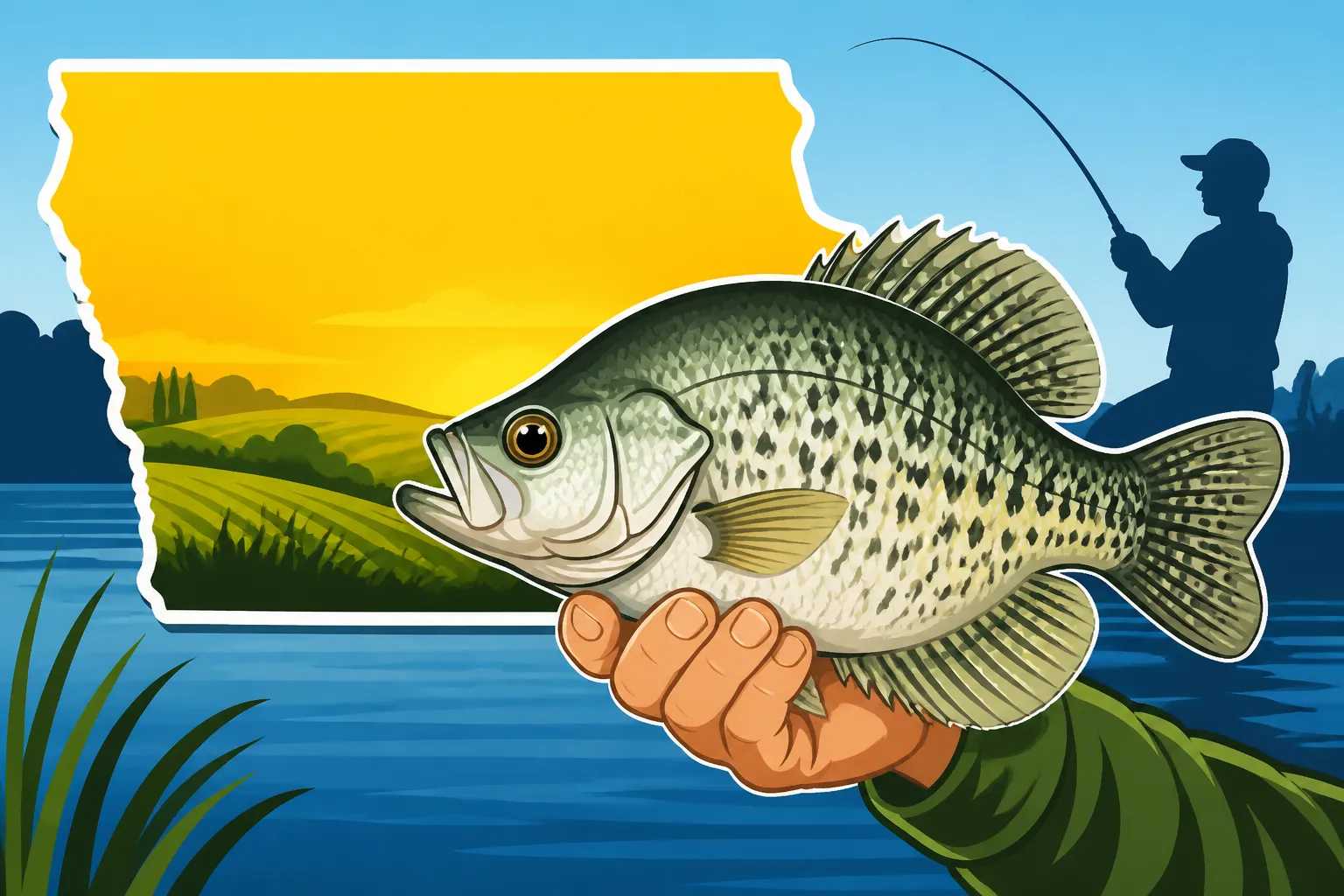
Now, for what many crappie enthusiasts truly dream of: the "slab." In Iowa, a crappie generally earns the title of "slab" when it measures 12 inches or more. And let me tell you, when you get into the 14, 15, or even 16-inch range, you're talking about a truly exceptional fish. These are the giants of the crappie world, often boasting incredible girth and weight. Catching one is a significant accomplishment and often means you've stumbled upon a particularly well-fed and older fish from a system with excellent conditions.
Lakes renowned for producing these trophy-sized crappie often have a strong forage base, plenty of optimal habitat, and sometimes, management practices that favor larger fish. Places like Rathbun Lake Crappie Hotspots or Clear Lake Panfish and Crappie Spots are well-known for their potential to kick out a true hog crappie. These larger fish are older, wiser, and often more solitary than their smaller counterparts, making them a real challenge to target. They might not bite as readily, requiring more patience and specific techniques, but the reward of a picture-perfect slab is absolutely worth the effort.
Iowa State Record Crappie
Every angler, deep down, harbors a secret dream of catching a state record fish. For crappie in Iowa, the state record stands as the ultimate testament to how incredibly large these panfish can grow under optimal conditions. It's a monumental achievement, representing a fish that has lived a long, healthy life, capitalized on every opportunity, and managed to avoid all the challenges nature and anglers throw its way.
While I can't tell you the exact weight or year of the current record (those things change, and I don't have live data!), I can assure you that it's a truly impressive specimen that inspires countless anglers. The existence of such a record proves that our Iowa waters have the potential to grow crappie to incredible sizes, pushing beyond what many might consider possible for a "panfish." It's a reminder that every cast holds the possibility of a lifetime catch, and that's a huge part of the allure of fishing in Iowa.
Strategies for Targeting Larger Crappie
If you're serious about bumping up your crappie size average and putting some "slabs" in your boat or on your stringer, you'll need to adjust your approach. It’s not just about fishing harder; it’s about fishing smarter. Bigger crappie behave differently than their smaller schooling relatives, and understanding these nuances can be the key to success.
Locating Trophy Crappie Habitat
Bigger crappie are often found in deeper water, seeking out substantial structure that offers both cover and ambush points for their meals. Think submerged timber, deep brush piles, old creek channels winding through a reservoir, or even bridge pilings and rock formations. These aren't necessarily the same shallow areas where you'll find hordes of smaller crappie in the spring. You're looking for more isolated, dominant structure that can hold a few large fish rather than a massive school.
This is where good electronics really shine. A quality fish finder can help you pinpoint these hidden hotspots. Look for abrupt depth changes, hard bottom areas near soft bottom, and any indications of baitfish. Many Iowa lakes are regularly enhanced with man-made crappie structures, like stake beds and brush piles, which are fantastic spots to concentrate your efforts. For more detailed insights, you can read up on How to Find Crappie Brush Piles. Remember, bigger fish often relate to bigger, deeper structure, especially outside of the spawning season.
Effective Baits and Techniques
When you're trying to coax a slab crappie into biting, bait choice and presentation become paramount. While smaller crappie might readily hit almost anything, the bigger ones tend to be a bit more discerning and, frankly, a bit lazier. They want a substantial meal that's easy to grab. This is why live minnows are often considered the gold standard for targeting larger crappie. A lively minnow suspended near deep structure on a light jig head or under a slip bobber can be irresistible.
Beyond live bait, jigs are king for crappie fishing. For larger fish, don't be afraid to go a bit bigger with your jig size – maybe a 1/8 to 1/4 ounce jig, rather than the tiny 1/32 ounce jigs you might use for smaller panfish. Plastic bodies like tubes, grubs, or small paddle tails in natural colors can be very effective. The technique often involves vertical jigging over known structure, or slow trolling with multiple rods to cover more water. When fishing from a boat, having a quality sonar unit can help you present your bait directly to the fish you're seeing on the screen. For more specific tactics, check out Crappie Jig Fishing Techniques or Trolling for Crappie in Iowa. And always be prepared with a good net, readily accessible on your boat or even from Amazon, because when a slab hits, you don't want to lose it boat-side!
Patience and Persistence
Catching a slab crappie isn't always about speed; it's often about patience and persistence. These larger fish are older and have survived many fishing attempts, making them more cautious. They won't always be in a feeding frenzy, and you might have to spend a considerable amount of time working a specific piece of structure before you get a bite. Quiet approaches are crucial; sudden movements or loud noises can easily spook bigger fish in clear water.
Consider fishing during times of lower pressure, like weekdays, or during less popular hours of the day. Early mornings and late evenings can often be prime times for larger crappie, as they might move shallower or become more active. Experiment with different depths, jig colors, and retrieve speeds. A subtle twitch might be all it takes to trigger a strike from a hesitant slab. Don't be afraid to move around if a spot isn't producing, but also give truly promising areas a good, thorough working before you pack up. Remember, you're looking for a needle in a haystack, so persistence is your best friend.
Crappie Management and Conservation
As much as we all love to catch big crappie, it's really important to think about the long-term health of our fisheries. The size of crappie in our lakes and rivers isn't just about what can grow, but also about how we manage and conserve these valuable resources. Sustainable fishing practices ensure that future generations of anglers, and future generations of crappie, can thrive.
Role of Regulations in Crappie Size
Iowa's fishing regulations, set by the Department of Natural Resources (DNR), play a crucial role in managing crappie populations and promoting the growth of larger fish. These regulations often include daily bag limits, which control the number of fish an individual angler can keep in a single day. By limiting the harvest, especially in lakes prone to overfishing, these rules help prevent the depletion of fish stocks and allow more crappie to reach larger sizes. You can find specific numbers in our guide on Crappie Daily Limit in Iowa.
Sometimes, specific bodies of water might even have size limits for crappie, requiring anglers to release fish below a certain length. This type of regulation is designed to protect the younger, faster-growing fish, giving them a chance to mature and contribute to the breeding population before they are harvested. These rules are not always popular, as they can sometimes mean fewer fish for the frying pan, but they are vital tools for ensuring a balanced and healthy ecosystem where crappie can grow to their full potential. It’s all about finding that sweet spot between angler enjoyment and species sustainability.
Catch and Release for Bigger Crappie
While keeping a few crappie for a delicious meal is certainly part of the angling experience, practicing catch and release, especially for some of those truly impressive "slabs," is a fantastic way to contribute to conservation. Larger, older crappie are often the most prolific breeders, producing more and healthier offspring. Releasing these prime specimens allows them to continue their vital role in the ecosystem, contributing to stronger year classes for years to come.
If you decide to release a trophy crappie, it’s important to handle it carefully to maximize its chances of survival. Minimize its time out of the water, support its body horizontally, and use wet hands to avoid removing its protective slime layer. If the fish is hooked deeply, it might be better to cut the line rather than try to forcefully remove the hook. Tools like a proper de-hooker, which you can easily find on Amazon, can also make a big difference in ensuring a quick and clean release. It's a personal choice, of course, but knowing that you've helped sustain the population while still enjoying the thrill of the catch is a rewarding feeling for many Iowa anglers.
| Crappie Species | Body Shape | Markings | Dorsal Fin Spines | Typical Habitat | Growth Tendency |
|---|---|---|---|---|---|
| Black Crappie | Deeper, chunkier | Irregular dark speckles | 7-8 | Clearer water, abundant vegetation, structure | Slower growth, often greater girth for length |
| White Crappie | More elongated | Fainter vertical bars | 6 | More tolerant of turbid water, open areas | Can reach slightly longer lengths, often leaner |
Disclaimer
This article is for general informational purposes only and does not constitute professional advice. Laws, prices and regulations vary by location and change over time. Consult a qualified professional for guidance on your specific situation.