Best Beginner Fly Fishing Combo
Stepping into the world of fly fishing can feel incredibly daunting, especially when you're staring down rows of rods, reels, and seemingly endless spools of line at your local outdoor store or browsing online. It’s easy to get overwhelmed by the jargon and choices, making you wonder if you’ll ever even get a line wet, let alone catch a fish. This guide is here to cut through that confusion, helping you understand what to look for in the best beginner fly fishing combo so you can confidently start your Iowa angling adventures.
Understanding the "Combo" Concept: Your All-in-One Solution
The beauty of a fly fishing combo, especially for someone just starting out, is that it takes the guesswork out of matching components. Instead of trying to figure out which reel balances with which rod, or what line weight pairs correctly, a combo provides a complete, pre-matched, and often pre-spooled system. This means less head-scratching and more time on the water.
Why Combos Are a Game-Changer for New Anglers
Imagine trying to build a computer from scratch without knowing anything about processors, motherboards, or RAM. That's a bit like assembling a fly fishing setup piece by piece as a beginner. Combos simplify this process immensely. They are designed by manufacturers to be harmonious, ensuring that the rod's action (how much it bends), the reel's weight, and the line's taper are all suited for each other. This balance is crucial for learning to cast effectively, as an unbalanced setup can make casting feel awkward and frustrating, leading many new anglers to give up before they even start. For instance, a lightweight rod paired with a heavy reel will feel tip-heavy and make delicate presentations difficult. A combo avoids these pitfalls, providing a solid foundation for developing your skills.
What's Typically Included in a Beginner Fly Fishing Combo
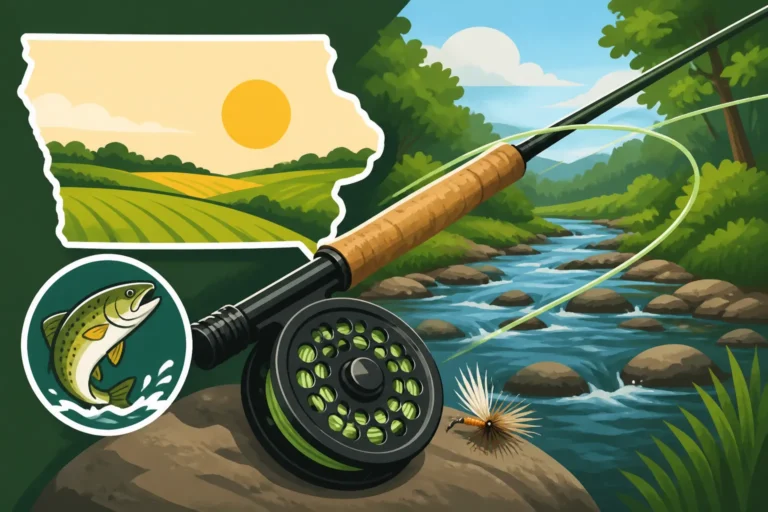
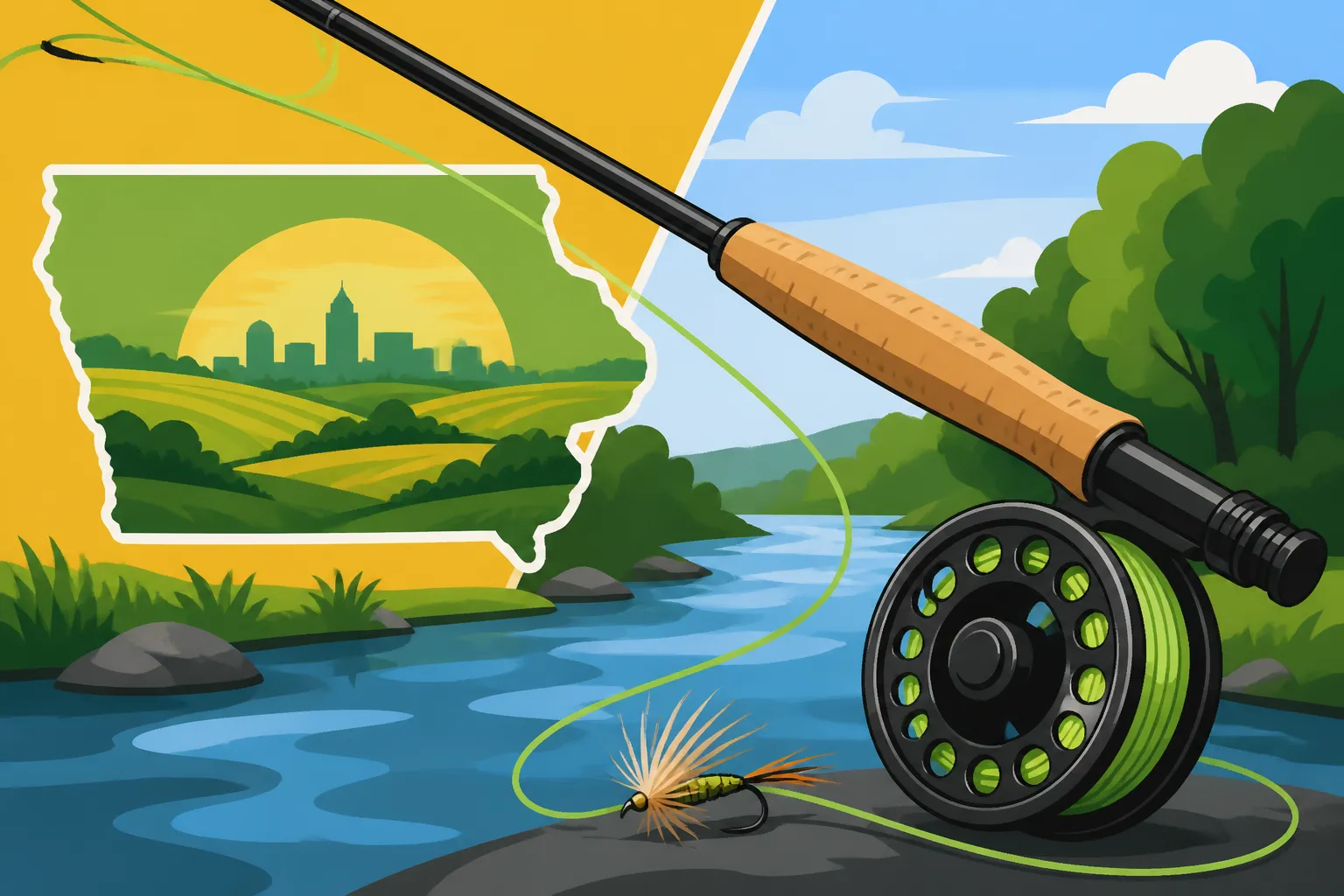
When you pick up a beginner fly fishing combo, you're usually getting a lot for your money. Most combos will include:
- Fly Rod: This is your primary tool, designed to cast the weight of the fly line, not the fly itself.
- Fly Reel: The reel holds your line and provides drag when a fish pulls. For most freshwater fly fishing, it's primarily a line storage device, but a smooth drag system is a bonus.
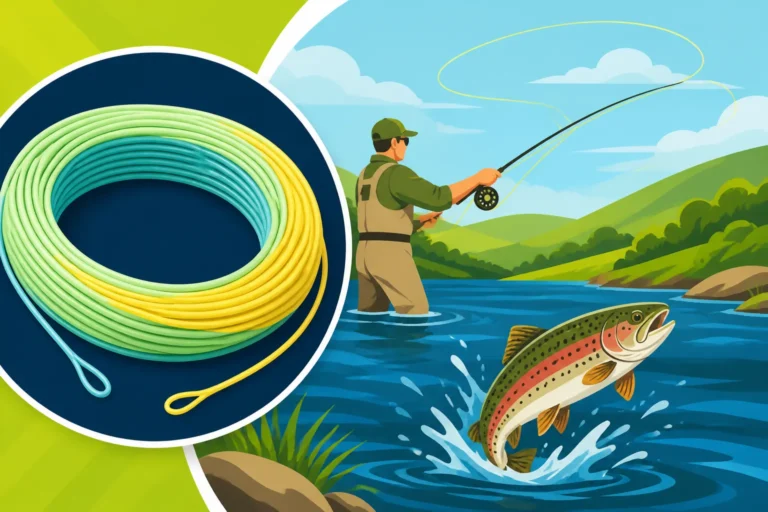
- Fly Line: This is the specialized, weighted line that allows you to cast. Combos usually come with a weight-forward (WF) floating line, which is excellent for all-around fishing.
- Backing: A thin, strong line that fills most of the reel spool, providing extra line capacity for when a big fish makes a long run.
- Leader: A tapered monofilament or fluorocarbon line that connects your fly line to your tippet, becoming progressively thinner towards the fly to provide a stealthy presentation.
- Tippet: The thinnest section of line, tied to the end of the leader, to which you attach your fly. It's designed to be easily replaced as you change flies or break off.
Some combos might also throw in a rod tube or sock for protection, a small fly box with a few starter flies, or even basic tools like nippers. The more comprehensive the kit, the less you'll have to buy separately, which is always a win for a beginner.
Choosing the Right Weight: The Heart of Your First Combo
One of the most critical decisions for your first fly fishing combo is choosing the right "weight." Fly rod and line weights (expressed as numbers like 3-weight, 5-weight, 8-weight) are designed to handle different sizes of flies, target different species of fish, and perform well in various conditions. For Iowa anglers, versatility is key, as you might want to chase trout in the northeast streams one weekend and then smallmouth bass in a local river the next.
Versatility for Iowa Waters: The 5-Weight Sweet Spot
For most beginner fly anglers in Iowa, a 5-weight fly fishing combo is often recommended as the ultimate versatile choice. Why a 5-weight? It's strong enough to cast medium-sized flies into a moderate breeze and handle panfish, trout, and even smaller bass or carp without feeling overpowered. It also offers enough sensitivity to feel lighter bites and present smaller flies delicately.
Think about it: with a 5-weight, you could be drifting nymphs for stocked Rainbow Trout Fishing in Iowa in Coldwater Creek one morning, then switching to a popper to target bluegill and Largemouth Bass Fishing in Iowa in a farm pond in the afternoon. It truly is a jack-of-all-trades for Iowa's diverse freshwater fisheries. You won't feel under-gunned for average-sized fish, and it's forgiving enough for learning the nuances of fly casting.
Other Weight Options and When They Make Sense
While the 5-weight is a great starting point, understanding what other weights offer can help you down the road or if you have a very specific initial target in mind.
- 3-Weight or 4-Weight: These lighter setups are fantastic for smaller fish and more delicate presentations. If your primary focus is strictly Trout Fishing Streams in Northeast Iowa with small flies or panfish in calm waters, a 3 or 4-weight can be incredibly enjoyable. They make even small fish feel like titans and offer exquisite sensitivity. However, they struggle with wind and larger flies, and don't have the backbone for bigger fish like river smallmouth bass.
- 6-Weight: A 6-weight offers a bit more power than a 5-weight, making it better for slightly larger bass, carp, or fishing in windier conditions. If you know you'll be spending a lot of time on bigger lakes or rivers, targeting larger warmwater species with bigger flies, a 6-weight could be a good step up without being too heavy.
- 7-Weight or 8-Weight: These heavier combos are generally for larger, more powerful fish. In Iowa, an 8-weight might be used for targeting larger carp, pike, or even muskie with big, wind-resistant flies. They are excellent for saltwater applications as well, but for a true beginner in Iowa, it's usually overkill and much harder to learn to cast with due to the increased stiffness and weight.
Key Features to Look for in a Beginner Fly Fishing Combo
Once you've settled on a general weight, there are a few other features that can make a big difference in your learning experience and overall enjoyment. Remember, the goal here is ease of use and forgiveness.
Rod Action: Finding Your Casting Sweet Spot
"Rod action" refers to where the rod bends when casting or fighting a fish. For beginners, a medium-fast or medium-action rod is generally the most forgiving and easiest to learn on.
- Medium-Action Rods: These rods bend more deeply into the blank, offering a slower, more deliberate casting stroke. This slower pace makes it easier to feel the rod load (when the line pulls back, bending the rod), which is crucial for timing your casts. They are very forgiving of imperfect casting strokes and excellent for delicate presentations.
- Medium-Fast Action Rods: A great compromise, these rods offer a good balance of power and feel. They load easily but recover a bit quicker than medium-action rods, providing more distance potential while still being forgiving. This is arguably the best action for a versatile beginner combo.
- Fast-Action Rods: These rods bend mostly in the tip section, offering powerful casts and quick line speed. While great for experienced casters needing distance or fighting large fish, they are less forgiving for beginners and require more precise timing to load properly. It's like trying to learn to drive stick shift in a race car—possible, but probably not ideal.
Reel Quality: More Than Just Line Storage
For most freshwater fly fishing, the reel isn't as critical as it is in conventional fishing (where it's used to cast and retrieve). In fly fishing, the reel primarily stores line and helps fight bigger fish with its drag system. However, a quality reel can still enhance your experience.
- Smooth Drag System: Even on a beginner combo, look for a reel with a relatively smooth, consistent drag. While you might not be battling massive fish that strip all your line on day one, a sticky or jerky drag can lead to lost fish and broken tippets when you do hook into something substantial.
- Durability: An aluminum or composite reel will hold up better to bumps and drops than a cheap plastic one. You want something that will last through your learning curve and beyond.
- Arbor Size: A larger arbor (the central hub of the spool) means the line coils in larger loops, reducing line memory (those annoying coils that come off the reel). It also retrieves line faster. While not a make-or-break feature for a beginner, it's a nice bonus.
Fly Line: Don't Underestimate Its Importance
The fly line is literally what you're casting, and its quality significantly impacts your casting experience. Most beginner combos come with a decent weight-forward (WF) floating line, which is exactly what you want.
- Weight-Forward (WF) Line: This type of line has a heavier, tapered section at the front, followed by a thinner running line. This design helps concentrate weight at the front, making it easier for beginners to load the rod and cast further. It's the standard all-around line for most freshwater applications.
- Floating Line: Essential for surface presentations and nymphing with indicators, a floating line is the most versatile choice for a beginner. You can explore different techniques without needing multiple line types immediately.
- Line Color: While not a performance feature, some beginners prefer brightly colored lines (like chartreuse or orange) as they are easier to see, which can aid in learning casting mechanics and tracking your line on the water.
Popular Beginner Fly Fishing Combos and Brands
When you're ready to make a purchase, you'll find a variety of reputable brands that offer excellent beginner-friendly fly fishing combos. These brands understand the needs of new anglers and design their kits to be accessible and effective.
Brands Known for Quality Beginner Combos
Many companies provide solid entry-level options. Brands like Orvis, Redington, Fenwick, and Cabela's (often found at Bass Pro Shops) are well-regarded for their value and performance in beginner setups. You can often find these combos at outdoor retailers or online stores like Amazon. They typically offer a good balance of durability, castability, and a price point that won't break the bank while you're still figuring things out.
For example, an Orvis Encounter or Redington Path combo is frequently recommended for new anglers. They are designed to be forgiving and come complete with everything you need to start casting. While prices vary, these combos usually represent a significant saving compared to buying each component separately.
What to Expect from the Price Point
Beginner combos typically range from quite affordable to mid-range. While it's tempting to go for the absolute cheapest option, investing a little more usually means a significant jump in quality and, most importantly, ease of use. A slightly better rod will cast smoother, and a slightly better reel will have a more reliable drag. You want something that won't hinder your learning process due to poor performance. Look for a combo that feels solid in your hands and has positive reviews from other new anglers. Remember, you're not just buying gear; you're investing in your enjoyment and future success on the water.
Getting Started: Beyond the Purchase
Buying your first fly fishing combo is a fantastic first step, but it's just the beginning of your journey. To truly get comfortable and confident, there are a few things you'll want to do once you have your new setup in hand.
Practice, Practice, Practice
Before you even think about hitting an Iowa stream or lake, spend some time practicing your casting in an open yard or park. You don't need water to practice! Focus on smooth, controlled movements, letting the rod do the work. Online videos can be incredibly helpful for visualizing proper technique. The goal isn't distance at first, but accuracy and rhythm. A balanced combo, like a good 5-weight, will make this practice much more enjoyable.
Remember, fly casting is a timing-based skill, not a power-based one. Many beginners try to "arm cast" the line, thinking more force equals more distance. It's actually a gentle, rhythmic motion that allows the rod to load and unload the line's energy. Focus on a smooth stop at the end of your backcast and forward cast. This will build your muscle memory and confidence.
Local Resources and Learning Opportunities
Iowa offers some great resources for new anglers. Check with your Iowa Fishing License Guide provider, the Iowa Department of Natural Resources (DNR), for local fly fishing clubs or events. Many clubs offer casting clinics or mentor programs for beginners. These hands-on learning experiences can be invaluable, as an experienced angler can quickly spot and correct common casting errors.
Don't be afraid to ask questions at your local tackle shop or even at a larger retailer like Bass Pro Shops. The fly fishing community is generally very welcoming and eager to help new enthusiasts get started. They might even share tips on local spots for Best Fishing Spots in Iowa or specific techniques that work well for Iowa Fishing Techniques Guide in the region.
Essential Accessories to Consider
While your combo gets you started, a few basic accessories will greatly enhance your time on the water:
- Forceps or Hemostats: Absolutely essential for safely removing hooks from fish.
- Nippers: Small scissors or clippers for cutting line and tippet. Many come with a small needle for clearing hook eyes.
- Tippet Spool: While your combo comes with a leader, having extra spools of tippet in various sizes (e.g., 4X, 5X, 6X) will allow you to extend your leader and tie on smaller or larger flies.
- A Small Fly Box and Basic Flies: Your combo might come with a few, but having a small selection of versatile flies (some dry flies, nymphs, and streamers) for your target species in Iowa will be useful.
- Polarized Sunglasses: These are game-changers. They cut glare, allowing you to see into the water, spot fish, and avoid obstacles.
- Waders and Boots (Optional but Recommended for Trout): If you plan on hitting those beautiful Iowa trout streams, waders and wading boots will keep you comfortable and allow you to access more water. If you're sticking to ponds and lakes, regular waterproof boots might suffice for bank fishing.
The world of fly fishing is incredibly rewarding, offering a deeper connection to nature and a constant learning curve. With the right beginner combo, you'll be well on your way to enjoying everything Iowa's waters have to offer.
Disclaimer
This article is for general informational purposes only and does not constitute professional advice. Laws, prices and regulations vary by location and change over time. Consult a qualified professional for guidance on your specific situation.