Best Waders for Iowa Trout Stream Fishing
There's nothing quite like the crisp air and serene beauty of Iowa's trout streams, but if you've ever found yourself shivering mid-cast or battling slippery rocks, you know the right gear isn't just a luxury – it's a necessity. This guide is all about helping you choose the best waders for tackling those chilly waters and rugged stream beds, ensuring your focus stays on landing that next beautiful rainbow or brown trout, not on your cold, wet feet.
Why Waders Are Non-Negotiable for Iowa Trout Streams
Anyone who has ventured into Iowa's beautiful, yet often icy, trout streams in places like Northeast Iowa knows that just a pair of waterproof boots won't cut it. These aren't just calm, shallow trickles; they're dynamic environments that demand proper protection. Ignoring the need for good waders can lead to a truly miserable, and even unsafe, fishing experience.
The Chilly Reality of Iowa's Trout Waters
Let's face it, Iowa's trout streams, especially those pristine spring-fed ones, are cold. Even on a seemingly warm spring day, the water temperature can hover in the low 40s or 50s Fahrenheit. In the fall, and certainly during the winter stocking programs, those temperatures plummet even further. Imagine wading in that for hours without proper insulation. You'd quickly find yourself battling hypothermia, your muscles cramping, and your focus completely shattered. It's not just about staying dry; it's about staying warm enough to enjoy your time on the water and react safely to changing conditions. A good pair of waders creates a crucial barrier against this relentless cold, trapping a layer of air that your body heat can warm, keeping you comfortable even when the air above the water is brisk and the water itself is frigid. This is particularly true if you're out during the Iowa Spring Trout Stocking Strategy or later in the year.
Navigating Northeast Iowa's Treacherous Terrain
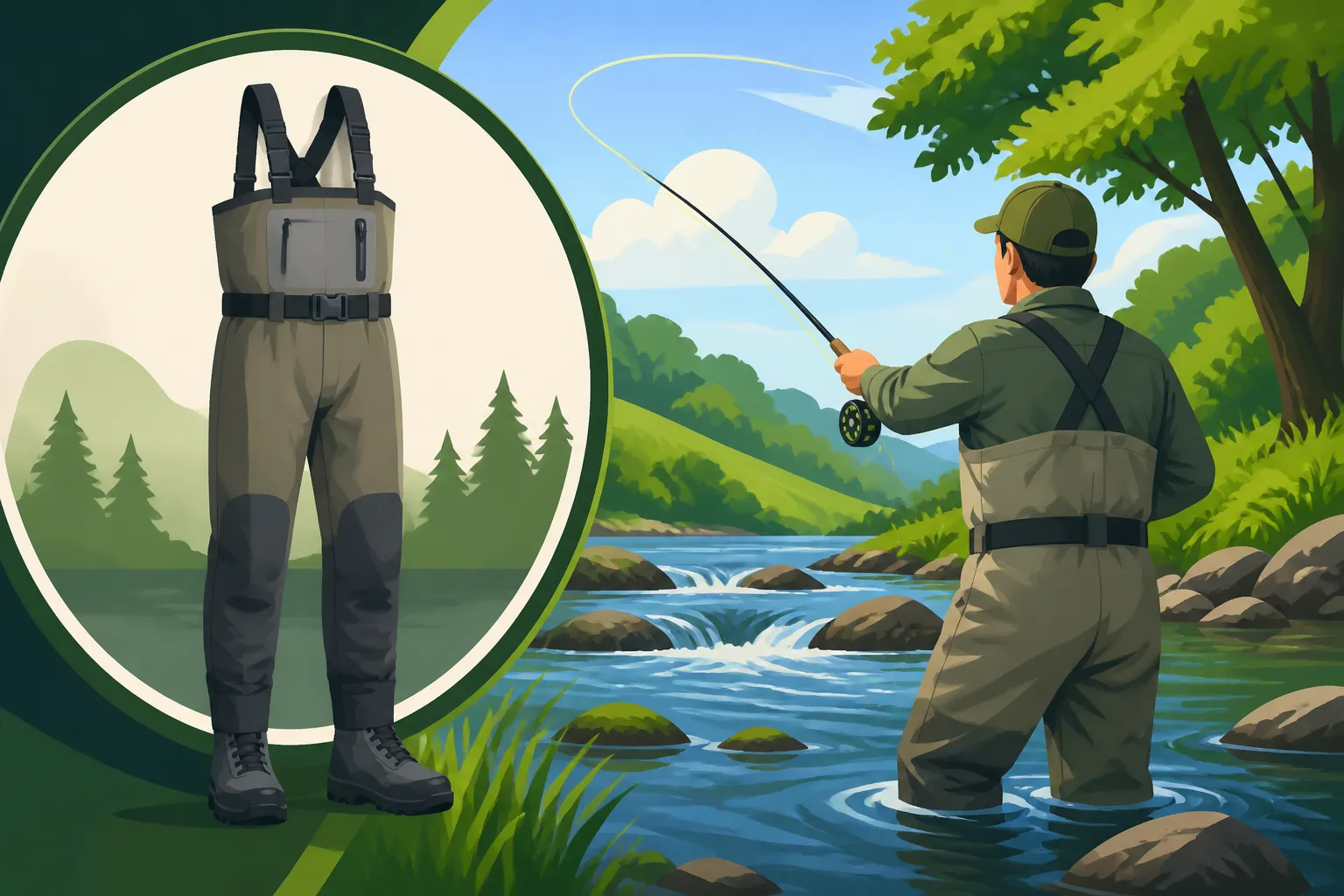
Beyond the cold, the stream beds themselves present a challenge. Iowa's trout streams are often characterized by slippery, moss-covered rocks, uneven gravel, and hidden drop-offs. Trying to navigate this while wearing inadequate footwear or flimsy gear is a recipe for a nasty fall or a twisted ankle. Waders, particularly the stockingfoot variety paired with sturdy wading boots, offer much-needed ankle support and grip. They allow you to confidently push through brush along the banks, step over submerged logs, and generally move with more stability than you'd have otherwise. This is vital when you're trying to reach that perfect eddy or casting lane. The reinforcement in the knees and seat of quality waders also protects you from scrapes and punctures as you kneel to release a fish or brace yourself against a strong current, saving your skin and your peace of mind. Without them, you're constantly weighing the risk of a fall against the desire to reach a prime fishing spot.
Types of Waders: Finding Your Perfect Match
When you start looking at waders, you’ll quickly realize there are a few main categories. Choosing between them really comes down to balancing warmth, breathability, and your personal fishing style, especially given the range of conditions you might encounter in Iowa's diverse trout fisheries.
Neoprene Waders: The Warmth Warriors
Neoprene waders are, hands down, the champions of warmth. If you’re planning on doing a lot of Winter Walleye Techniques Near Dubuque or chasing trout in the coldest months of the year, or even during those early spring and late fall days when the water is truly bone-chilling, neoprene is your friend. They work much like a wetsuit, trapping a thin layer of water against your skin (though you still aim to stay dry inside!), which your body heat then warms. This incredible insulation keeps you comfortable in conditions that would send shivers down your spine in breathable waders. They typically come in different thicknesses, like 3mm or 5mm, with the latter offering maximum warmth.
However, this warmth comes with a trade-off. Neoprene doesn't breathe. At all. This means on warmer days, or if you're doing a lot of hiking between spots, you'll sweat, and that sweat has nowhere to go. You can end up feeling clammy and overheated, which can be just as uncomfortable as being cold. They're also bulkier and less flexible than breathable waders, which can make movement a bit more cumbersome. Think of them as your specialized cold-weather gear – fantastic when needed, but a bit overkill for milder conditions. Many anglers reserve their neoprene waders for ice fishing or the earliest, chilliest days of spring trout season. You'll find a good selection of these at outfitters like Bass Pro Shops.
Breathable Waders: The Versatile Venturers
Breathable waders are probably the most popular choice for the majority of Iowa trout anglers, and for good reason. They strike a much better balance between keeping you dry and preventing you from overheating. Made from advanced materials like Gore-Tex or similar proprietary fabrics, these waders allow moisture vapor (your sweat!) to escape while preventing water from getting in. This "breathability" is a game-changer for comfort, especially if you're hiking to remote stream sections or fishing on warmer days.
The beauty of breathable waders is their versatility. You can easily adjust your insulation by layering underneath them. On a cool spring morning, you might wear fleece pants; on a milder summer day, just a pair of lightweight base layers. This adaptability makes them suitable for a wider range of seasons and temperatures, from early spring through late fall. While they don't offer the inherent warmth of neoprene, proper layering can make them comfortable in surprisingly cold conditions. They're also much lighter and less bulky, offering superior mobility for casting, kneeling, and navigating tricky stream beds. Many anglers consider breathable stockingfoot waders to be the ultimate all-around choice for Trout Fishing Techniques for Iowa Streams.
Bootfoot vs. Stockingfoot: Weighing Convenience Against Customization
This is another crucial decision, and both options have their merits depending on your priorities when fishing Iowa's waters.
-
Bootfoot Waders: These waders have the boots permanently attached to the wader legs. The biggest advantage here is convenience. You just step in, pull them up, and you're ready to go. There are no separate wading boots to worry about, which can be a huge time-saver when you're jumping out of the car and into the stream quickly. They also eliminate the potential for gravel or debris to get into your boots, as they're a sealed unit. However, bootfoot waders often sacrifice a degree of comfort and ankle support compared to separate wading boots. The attached boots can be heavier, less flexible, and generally offer a less precise fit, which can be problematic on slick, uneven stream beds. They also tend to be bulkier to pack and store. They are often a popular choice for stillwater fishing or for anglers who prioritize quick on-and-off.
-
Stockingfoot Waders: These waders have integrated neoprene "socks" or feet, but no attached boots. You wear separate wading boots over these neoprene socks. This system offers superior comfort, ankle support, and grip. Because you can choose your wading boots independently, you can select a pair that fits your foot perfectly, provides excellent traction on Iowa's Best Wading Boots for Rocky Streams, and offers the level of ankle support you need for navigating challenging terrain. The separate boots are also easier to clean and dry. The main drawback is the added step of putting on your boots and the potential for sand or gravel to sneak into your boots, which can be mitigated with good gravel guards. For serious trout anglers who value performance, comfort, and safety in varied stream conditions, stockingfoot waders are almost always the preferred choice. They allow for much greater customization and a more secure feeling on your feet, which is invaluable when you're wading through unpredictable currents and over slick rocks.
Key Features to Look for in Iowa Trout Waders
Once you've decided on the type of wader that suits your primary fishing style, it's time to dive into the specific features that can make a huge difference in your overall experience on Iowa's trout streams. These details separate a good pair from a truly great one.
Durability and Puncture Resistance
There's nothing worse than investing in a new pair of waders only to get a leak on your first outing. Iowa's trout stream environments are not gentle. Think about pushing through thorny rose bushes along the bank, scrambling over fallen logs, or brushing against sharp rocks. Your waders need to stand up to this abuse. Look for waders made from robust, multi-layer fabrics. Manufacturers often use terms like "3-layer," "4-layer," or "5-layer" construction, especially in breathable models. More layers generally mean more durability.
Pay close attention to critical wear areas. Reinforced knees and a reinforced seat are absolute must-haves. These are the spots most likely to come into contact with abrasive surfaces when you kneel to release a fish or slide down a bank. Some waders even incorporate a tougher material, like Cordura, in these high-stress zones. Well-taped seams are also crucial, as seams are common points of failure for leaks. Check reviews for comments on long-term durability, especially regarding seam integrity. A puncture in breathable waders can sometimes be patched (and it's a good skill to learn), but preventing them in the first place saves a lot of hassle.
Fit and Mobility
A poorly fitting pair of waders isn't just uncomfortable; it can be dangerous. Waders that are too tight will restrict your movement, making it hard to cast, climb, or even bend down. They also put excessive stress on seams, leading to premature leaks. Waders that are too baggy, on the other hand, can create dangerous drag in the current, trip you up, and bunch up uncomfortably, especially when layering underneath.
You want a fit that allows for a full range of motion without feeling constrictive. When trying on waders (if possible, or carefully checking sizing charts), ensure you can comfortably squat, lift your knees high, and swing your arms as if casting. There should be enough room to layer fleece pants or other insulation underneath, particularly with breathable waders. Adjustable suspenders are a standard feature, but some waders offer more sophisticated adjustability around the chest or waist. A wading belt is non-negotiable for safety; it cinches the waders around your waist, preventing them from filling completely with water if you take an unexpected plunge, which can literally save your life. Look for waders that come with a sturdy, comfortable wading belt, or plan to purchase one separately. The ability to move freely and securely is paramount for enjoying those long days of Fly Fishing for Trout in Iowa Streams.
Storage and Convenience
While not as critical as durability or fit, thoughtful storage and convenience features can significantly enhance your fishing experience. Imagine standing in the middle of a cold stream and needing to grab your nippers or a new fly. Having accessible pockets can make all the difference.
Look for a large, water-resistant chest pocket for things like fly boxes, leaders, or your phone (though always use a waterproof case!). Fleece-lined hand-warmer pockets are a godsend on chilly Iowa mornings or when the wind picks up. Some waders include small internal pockets for keys or a wallet, keeping essentials secure and out of the way. Attachment points or D-rings for tools like zingers, tippet holders, or a net are also highly useful. Consider whether the suspenders have comfortable padding, especially if you're carrying a heavy load in your wader pockets. Little things like a built-in changing mat (often found in the carry bag) can also be a nice touch for those chilly parking lot changes. For example, some brands carried by Amazon offer a wide array of these specialized features that cater to angler convenience.
Sizing Your Waders: A Crucial Step for Comfort and Performance
Getting the right size waders is probably one of the most overlooked, yet critical, aspects of buying them. It’s not like buying a t-shirt where a little too big or too small just means less-than-perfect style. With waders, an improper fit leads to discomfort, restricted movement, and significantly shortens the lifespan of your investment. You wouldn't want to hike into one of the remote Trout Streams Near Decorah only to find your waders are pinching or rubbing.
Measuring for Success
The key to proper wader sizing is to take accurate measurements and then compare them diligently to the manufacturer's sizing chart. Don't assume your normal pant or shoe size will translate directly. Here are the main measurements you'll need:
- Chest/Waist: Measure around the widest part of your chest or belly, whichever is larger. This ensures you have enough room for layering and comfortable breathing, without the waders feeling like a constricting corset.
- Inseam: Measure from your crotch down to the floor, or where you'd want the bottom of your stockingfoot to meet your wading boot. This is vital for ensuring the waders aren't too short, leading to high-riding seams, or too long, causing excessive bunching in the legs that can chafe and wear.
- Foot Size (for stockingfoot waders): This corresponds to your regular shoe size. Most wader companies will list a foot size range. If you're on the cusp of two sizes, it's often better to go up slightly, as your feet might swell during the day, and you'll be wearing thick wading socks.
Remember to take these measurements while wearing the type of clothing you'd typically layer under your waders. For breathable waders, this might mean a base layer and a pair of fleece pants. For neoprene waders, perhaps just thinner base layers since the waders themselves provide significant insulation. When in doubt, call the manufacturer or consult reviews for specific sizing advice, as brands can vary considerably.
The Importance of Layering Space
This point cannot be stressed enough, especially when considering breathable waders for year-round trout fishing in Iowa. Breathable waders derive most of their warmth from the layers you wear underneath. If you buy waders that fit snugly with just your underwear, you'll be in for a rude awakening when you try to put on warm fleece pants for a cold fall day of Nymphing Techniques for Iowa Trout Streams.
Always ensure there's ample room for a comfortable layering system. This means checking that the chest and thigh areas aren't tight when you're wearing your typical cold-weather base layers. Too much pressure on the wader material and seams from tight layering can also accelerate wear and lead to leaks. The goal is to have enough room to move freely, bend, and squat, even with your warmest layers on, without the waders feeling excessively baggy or creating dangerous drag in the water. Think of it as leaving some "wiggle room" for those thermals, ensuring you stay warm without sacrificing your mobility or the lifespan of your waders.
Maintenance and Care for Your Iowa Waders
You’ve invested in a good pair of waders, chosen for those chilly Iowa trout streams. Now, how do you make them last? Proper care and maintenance aren't just about cleanliness; they’re about preserving the integrity of the materials, preventing leaks, and ensuring your waders are ready for every adventure, whether you're tackling Mississippi River Pool 9 Fishing or a small trout stream.
Cleaning and Drying Best Practices
This might sound simple, but it's where many anglers inadvertently shorten the life of their waders.
- Rinsing: After every use, especially if you've been in muddy or silty water, give your waders a thorough rinse with fresh water. Pay special attention to the neoprene booties or attached boots, as mud and grit can accelerate wear. If you're using stockingfoot waders, also rinse your wading boots. This is crucial for preventing the spread of aquatic invasive species, too, by eliminating any hitchhiking plant fragments or organisms.
- Cleaning: For more thorough cleaning, especially if they start to smell or show grime, use a mild, non-detergent soap (like a gentle dish soap or a specialized wader cleaner) and a soft brush or sponge. Gently scrub the exterior. Avoid harsh chemicals or abrasive cleaners, as these can damage the waterproof membranes and seam tape. For neoprene waders, a quick soak in lukewarm water with a bit of neoprene cleaner can keep them fresh.
- Drying: This is perhaps the most critical step. Hang your waders inside out first to allow the interior to dry completely. This prevents mildew and funky smells, which can degrade the material over time. Once the inside is dry, turn them right side out and hang them in a well-ventilated area away from direct sunlight or excessive heat. Direct sun or heat can break down the waterproof coatings and neoprene. Never store damp waders; ensure they are bone dry before putting them away for extended periods. If you use stockingfoot waders, pull the gravel guards down to allow air to circulate around the neoprene foot, and dry your wading boots separately, ensuring no moisture is trapped.
Patching and Repairing Minor Leaks
It’s almost inevitable that at some point, despite your best efforts, you’ll discover a small leak. Don't panic, and certainly don't throw them out! Most minor leaks in breathable waders are entirely repairable, saving you the cost of a new pair.
- Finding the Leak: This can be the trickiest part. One common method is to turn your breathable waders inside out, spray the suspected leaky area with rubbing alcohol (which evaporates quickly), and then look for dark spots or where the fabric temporarily changes color. For tiny pinholes, some anglers turn the waders inside out, spray with alcohol, and then use a small fan to gently dry the area, observing where the alcohol disappears fastest. Another method is to fill the waders with water (being careful not to overfill and stress seams) and look for drips on the outside, then mark the spot.
- Repairing the Leak: Once found, most small punctures or pinholes can be repaired with a specialized wader repair kit, often consisting of a flexible sealant (like Aquaseal) and possibly a patch. For tiny pinholes, a dab of sealant on the inside of the wader, allowed to cure completely, is often all it takes. For larger tears, a patch applied with sealant will provide a more robust repair. Always follow the specific instructions on your repair kit. Neoprene waders can also be patched, often with neoprene cement and a patch, similar to repairing a wetsuit. Being able to perform these simple repairs means your trusted waders can keep you comfortable and dry for many more seasons of chasing fish.
Top Considerations for Different Iowa Seasons
Iowa’s fishing seasons offer a dynamic range of conditions, and your waders need to be versatile enough to handle them. What works perfectly for a freezing March morning chasing trout won’t necessarily be ideal for a balmy July evening targeting Channel Catfish Daily Limit in Iowa. Thinking seasonally about your wader choice and layering strategy will dramatically improve your comfort and success.
Spring and Fall: Layering for Fluctuating Temperatures
Spring and fall are prime trout fishing seasons in Iowa, but they are also notorious for their unpredictable weather. You might start your morning with frost on the ground and end the afternoon basking in bright sunshine. This is where breathable waders truly shine, specifically because of their ability to accommodate layering.
- Spring: Early spring can still bring icy water, especially in the mornings or after a snowmelt. Under your breathable waders, you’ll want thick fleece pants or even insulated hunting pants. A good wool or synthetic base layer will wick away sweat, keeping you dry from the inside out. As the day warms, you can shed layers from your upper body, but your legs will still appreciate the insulation against the cold water. The key is to start warm and be prepared to adjust. Don't forget a warm hat and gloves too!
- Fall: Similar to spring, fall days can swing wildly. The water will still hold some summer warmth initially, but as the air temperature drops, especially during the Iowa Fall Trout Stocking Strategy, the water becomes crisp again. Again, a good base layer and mid-weight fleece pants are your best friends. The advantage of breathable waders is that if you hike between spots or if the sun comes out strong, that internal moisture can escape, preventing that clammy feeling that neoprene would inflict. Having a thin, packable rain jacket over your wader suspenders is also a smart move for those sudden autumn showers.
Summer: When Lighter Options or Wet Wading Might Be Possible
While many Iowa trout streams are cold year-round, especially the spring-fed ones, summer can present warmer air temperatures and, sometimes, slightly warmer water. This is when you might consider lighter options or even wet wading, but always with caution.
- Lighter Layering: If you're still using your breathable waders in summer, ditch the heavy fleece. Opt for lightweight, quick-drying synthetic pants or shorts underneath. The breathable material will still do its job, keeping you comfortable even when temperatures are in the 70s or low 80s, particularly if you’re wading in consistently cold water. The protection from sun, bugs, and brush along the stream banks is still a major plus.
- Wet Wading: In some shallower, slower sections of streams, or during particularly hot spells, wet wading can be an option. This involves wearing your wading boots (and often neoprene socks for comfort and blister prevention) with quick-drying shorts or pants instead of waders. While it’s incredibly refreshing, it's critical to be aware of several factors:
- Water Temperature: Is the water still cold enough to cause discomfort or even hypothermia over time? Even if the air is hot, constant exposure to cold water can be a risk.
- Sun Protection: Your legs will be exposed to the sun, so sunscreen or UPF-rated long pants are necessary.
- Insect Protection: Mosquitos, ticks, and other biting insects are often rampant in riparian zones. Exposed skin is an open invitation.
- Stream Terrain: Wet wading offers less protection against scrapes and impacts from rocks or submerged obstacles.
- Regulations: Always double-check Iowa Fishing Regulations Explained to ensure wet wading is permissible and understand any specific rules for the waters you're fishing.
Ultimately, whether you choose to stick with breathable waders and light layers or brave wet wading in summer depends on the specific stream, the weather conditions, and your personal comfort level. For most of Iowa's dedicated trout streams, a good pair of breathable waders with adjustable layering remains the most versatile and comfortable choice through much of the year, providing protection from the elements, the environment, and the sometimes-chilly water itself.
Disclaimer
This article is for general informational purposes only and does not constitute professional advice. Laws, prices and regulations vary by location and change over time. Consult a qualified professional for guidance on your specific situation.