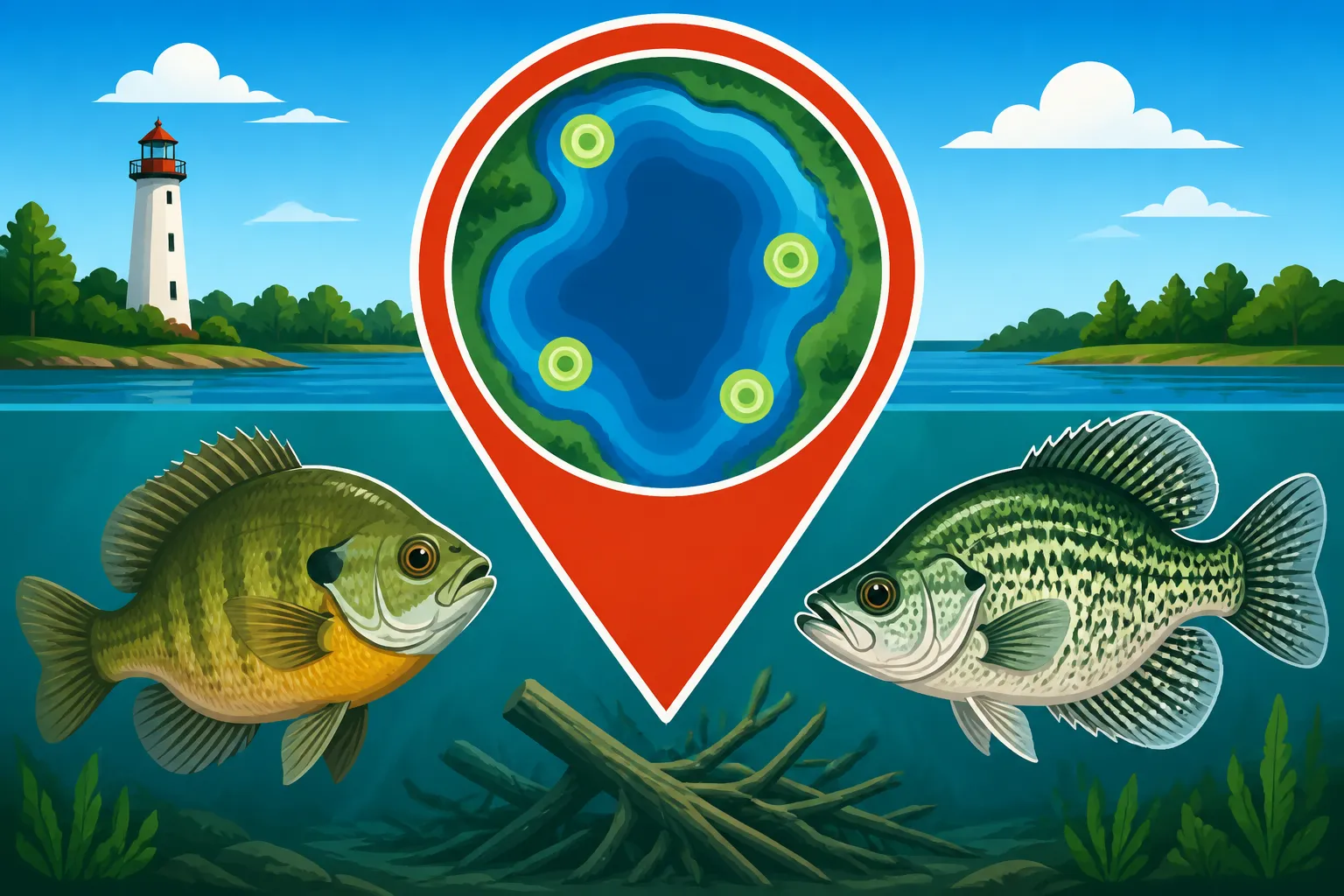
Clear Lake Panfish and Crappie Spots
Finding those sweet spots for panfish and crappie on a lake as dynamic as Clear Lake can feel like searching for a needle in a haystack, especially when you're just looking to fill a cooler with delicious fillets or introduce a youngster to the joy of a bending rod. It's frustrating to spend hours on the water only to come up empty-handed. This guide is here to cut through the guesswork, sharing insider tips and specific locations on Clear Lake where you can reliably find bluegill, yellow bass, perch, and crappie throughout the seasons.
Discovering Clear Lake's Panfish and Crappie Potential
Clear Lake, nestled in north-central Iowa, isn't just a pretty face; it's a thriving fishery known for its diverse species, and among them, panfish and crappie hold a special place for many anglers. Often overshadowed by the pursuit of trophy walleye, these smaller, feisty fish offer consistent action and fantastic table fare, making them perfect targets for families, beginners, and seasoned anglers alike.
Why Clear Lake Shines for Panfish and Crappie
What makes Clear Lake such a gem for panfish and crappie? It comes down to a perfect blend of habitat, water quality, and consistent stocking efforts by the Iowa Department of Natural Resources (DNR). The lake boasts expansive shallow flats, deep rock structures, numerous docks, and abundant aquatic vegetation, all of which create ideal homes for different panfish species and crappie at various times of the year. The average depth of Clear Lake is around 10 feet, but it has deeper pockets reaching up to 20-22 feet, offering plenty of thermal refuge and hiding spots for fish when conditions change. Its roughly 3,600 acres provide ample space to explore, and with a healthy forage base, these fish grow to respectable sizes.
Understanding the Ecosystem and Fish Populations
To consistently catch panfish and crappie, it helps to understand their role within Clear Lake's vibrant ecosystem. Bluegill and other sunfish are prolific breeders, often found in large schools, particularly around cover. Yellow bass, a unique and highly sought-after species in Clear Lake, also school up in massive numbers, providing fast-paced action. Perch tend to prefer slightly cooler, deeper water, especially outside of their spawning periods. Crappie, whether black or white, are ambush predators that relate heavily to submerged structure, from brush piles and rock reefs to man-made docks and bridge pilings. The DNR closely monitors these populations, and their management strategies, including habitat improvements and occasional stockings, ensure a healthy and sustainable fishery. Understanding these different species and their preferences is key to adapting your approach and increasing your chances of success. You can find more details on general species behavior in our Iowa Fish Species Guide.
Prime Panfish Habitat and How to Find It
Panfish are truly the backbone of many Iowa fishing experiences. They're abundant, relatively easy to catch, and delicious. Clear Lake offers an exceptional environment for various panfish, each with slightly different preferences that, once understood, can lead you directly to the action.
The Allure of Bluegill and Sunfish Haunts
When it comes to bluegill and other sunfish (like pumpkinseed or green sunfish, though bluegill are most common), think shallow, vegetated areas and anything that offers cover. During the warmer months, you'll find them congregating in dense weed beds, around fallen trees, under docks, and near lily pads. These areas provide both protection from predators and a bounty of insects and small invertebrates for them to feed on. On Clear Lake, the numerous public and private docks lining the shores, particularly along the north and west sides, are absolute magnets for sunfish. Many of these docks have submerged structure, intentional or not, that holds fish. Don't be afraid to cast a small jig or a worm under these structures.
In springtime, as water temperatures rise into the 60s, bluegill move into very shallow, sandy or gravelly areas to spawn. This is when you can find large, aggressive males guarding nests, often in water less than three feet deep. Look for these "beds" as light-colored, circular depressions on the bottom. The shallow bays and protected coves around the lake are prime areas for this spring action. Even outside of spawning, weeds, especially emergent vegetation like cattails or submerged milfoil beds, will hold large schools of bluegill throughout summer. Using a small bobber and a worm or a tiny jig can be incredibly effective here.
Locating Yellow Bass and Perch Aggregations
Clear Lake is particularly famous for its yellow bass population, and for good reason—they provide incredibly fun, fast-paced fishing, often in large schools. Yellow bass are a bit different from bluegill; while they will use some shallow cover, they are often found cruising open water or relating to deeper structure. They tend to school up heavily, and when you find one, you've often found a hundred. Look for them over sand flats, along weed edges, and near subtle changes in bottom contour. They are particularly active during low light conditions or when there's a good chop on the water.
Perch, while not as abundant as yellow bass, are still a viable target in Clear Lake. They prefer cooler water than bluegill and often hang around deeper rock piles, humps, and the edges of drop-offs, especially during the summer months. In winter, they become a prime ice fishing target, moving into shallower basins and relating to weed edges under the ice. Finding perch often requires more patience and a bit more exploration with a fish finder, but the reward of their flaky white meat is well worth the effort. Consider exploring the deeper sections of the lake, especially those areas with scattered rock or gravel, to intercept cruising perch schools.
Unlocking Clear Lake's Crappie Secrets
Crappie are truly a prize catch, offering a delightful challenge and even more delightful dining. Clear Lake boasts both black and white crappie, and understanding their habits and preferred hangouts is key to consistently filling your livewell.
Identifying Black and White Crappie Hangouts
Both black and white crappie thrive in Clear Lake, though they can have slightly different preferences. Black crappie tend to favor clearer water and denser vegetation or submerged wood, often suspending in schools around these structures. You'll find them more frequently around the clearer, eastern and northern parts of the lake. White crappie, on the other hand, are often more tolerant of murkier water and tend to be found more in open water, associating with less dense cover like scattered brush piles or bridge pilings. They're often found a bit deeper than black crappie, particularly in the main basin areas.
Both species are highly structure-oriented. This means anything that breaks up the uniform bottom or offers vertical relief can be a crappie magnet. Docks, especially those with submerged brush, old tires, or other debris, are prime targets. Bridge abutments, fallen trees along shorelines, and man-made fish habitat structures (often marked by buoys) are also excellent places to start your search. The key is to cover water, using your electronics to identify potential structure, and then to present your bait or lure precisely to where the fish are holding. For more specific location details, check out our guide on Clear Lake Panfish and Crappie Spots.
Structure, Cover, and Depth for Crappie Success
Crappie are masters of relating to structure and cover, using it for ambush points and protection. In Clear Lake, this means focusing your efforts on several key types of spots:
- Docks and Piers: As mentioned, docks are phenomenal. They provide shade, vertical structure, and often accumulate debris below, creating excellent crappie condos. Look for the deepest docks, or those that extend over a quick depth change. Fishing the shady side is often more productive, especially on sunny days.
- Brush Piles and Submerged Timber: These are classic crappie spots. While some are natural, the DNR and local fishing clubs often sink artificial brush piles. If you have a good fish finder, look for these distinct "trees" or "bushes" on the bottom. Crappie will suspend within or just above them.
- Rock Piles and Reefs: Clear Lake has some natural rock reefs and rip-rap areas that can hold crappie, particularly black crappie. These provide excellent ambush points.
- Weed Edges: Healthy weed lines, especially those with a distinct edge or pockets, are also fantastic crappie habitats, particularly in spring and fall. The transition zone where weeds meet open water is often key.
- Deep Water Basins with Irregularities: During summer and winter, crappie will often move to deeper main lake basins. Here, they'll relate to subtle changes in depth, isolated humps, or any form of sparse cover that provides refuge in the open water. A good example might be an old creek channel or a section of the lake with a slightly harder bottom.
Successful crappie fishing often involves a bit of a cat-and-mouse game. Use your electronics to locate schools, noting their depth, and then present your bait at that exact depth. Crappie are notorious for having a small strike zone, so precise presentation is crucial.
Top Spots for Panfish and Crappie on Clear Lake
Now that we understand what makes Clear Lake tick for panfish and crappie, let's dive into some specific areas that consistently produce. Remember, fish move, so these are starting points, but they are highly reliable throughout the fishing season.
The North Shoreline and Associated Structures
The north shore of Clear Lake is absolutely bristling with potential, offering a variety of habitats that are perfect for both panfish and crappie. This area features numerous public and private docks, boat lifts, and often has a good mix of emergent and submerged vegetation.
- Docks from State Park to McIntosh Woods: This stretch is phenomenal. The sheer number of docks provides endless vertical structure. Focus on casting small jigs, tipped with a piece of worm or a small plastic grub, directly under the docks, especially where there's shade or accumulated debris. The crappie here often suspend anywhere from 3 to 8 feet deep. Bluegill will be shallower, tight to the pilings. In spring, the shallow flats adjacent to these docks can hold spawning bluegill. Remember to respect private property and fish from your boat or public access points.
- McIntosh Woods State Park: This area offers excellent public access with fishing piers and shore fishing opportunities. The docks and associated structures within and around McIntosh Woods are reliable for both crappie and bluegill. In the calmer waters of the park, you can often spot bluegill beds during their spawning season. The deeper water closer to the main lake around McIntosh Point can also hold schools of yellow bass. This is also a great spot to launch a kayak or canoe for quieter exploration.
- Clear Lake State Park: Similar to McIntosh Woods, the State Park offers ample shore access and fishing piers. The structures here, along with the adjacent weed lines, can be very productive. It’s also a good spot to observe the general activity and potentially connect with local anglers for up-to-the-minute reports.
Mid-Lake Humps and Deep Water Access
While many panfish and crappie anglers focus on the visible shoreline structure, don't overlook what lies beneath the surface in the middle of the lake. Clear Lake has some subtle mid-lake humps and deeper contours that can be absolute magnets for larger schools, especially yellow bass and crappie.
- The "Dome" Area (East End): Towards the eastern end of the lake, there's a rise often referred to by locals as "The Dome." This is a subtle hump that comes up from the deeper basin. It's an excellent spot for schooling yellow bass, particularly when they're actively feeding. You'll need a good fish finder to locate this and other similar mid-lake structure. Drift fishing with small jigs or spoons over these humps can be incredibly effective. Yellow bass often school up around this structure.
- Central Lake Basin Transitions: The main basin of Clear Lake offers deeper water, typically 12-20 feet. While seemingly featureless, a good sonar unit will reveal subtle depth changes, isolated rock piles, or old creek channels. Crappie and yellow bass will often suspend over these deeper areas, especially during the summer and winter. Look for baitfish schools, and the predators won't be far behind. This is where a precise presentation at the right depth, often using a slip bobber or vertical jigging, can pay off big time. These areas also become critical during the ice fishing season.
- Ventura Heights Shoreline Drop-offs: Along the southern shore, particularly near Ventura Heights, there are areas where the shoreline drops off more abruptly into deeper water. These transition zones can be excellent ambush points for crappie, especially in low light conditions. Work the edges of these drop-offs with jigs or minnows. For those looking to explore with a guide, services found on platforms like FishingBooker can provide invaluable local knowledge for these less obvious spots.
Specific Hotspots: Docks, Weeds, and Channels
Beyond the general areas, there are specific types of locations that act as consistent hotspots throughout the year.
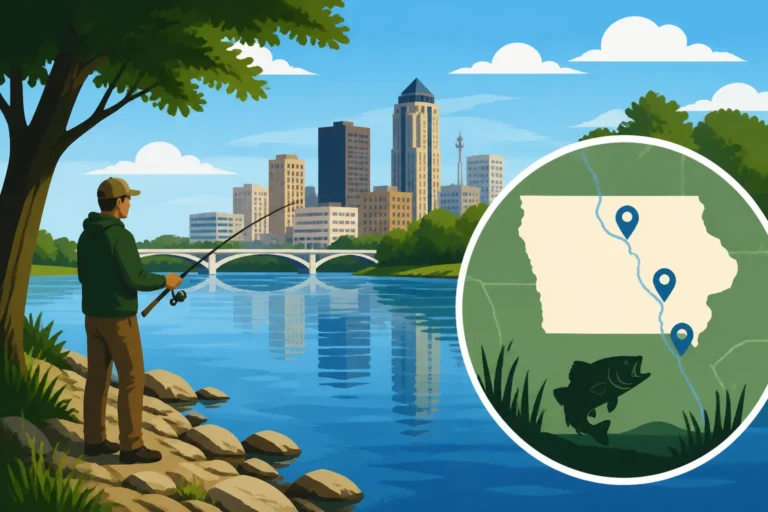
- Public Access Docks at City Beach: The docks and associated structures around the Clear Lake City Beach and adjacent parks are highly accessible and often hold good numbers of bluegill and crappie. These areas receive a lot of fishing pressure, but they also get a lot of restocking and are prime for easy access, making them perfect for a quick trip or fishing with kids.
- Little Lake Connection Channel: The small channel connecting Clear Lake to "Little Lake" (just to the east) can be a fantastic pinch point, particularly during migrations or when fish are seeking slightly different water conditions. The bridge pilings and the channel itself offer current breaks and deeper water that attract crappie and yellow bass.
- Eastern Weed Lines near the Inlet: The eastern end of Clear Lake, particularly where the inflow from the surrounding watershed enters, can have extensive weed beds. These areas, especially the edges and pockets within the weeds, are bluegill factories. They also hold crappie, particularly black crappie, which thrive in healthy vegetation.
- North Shore Residential Docks (East of City Beach): This continuous stretch of docks is a crappie and bluegill paradise. Many docks have lights that attract baitfish at night, making them exceptional night fishing spots. Just be sure to be courteous to property owners. For more detailed information on specific regulations for night fishing, consult the Iowa Fishing Regulations Explained guide.
| Location Category | Target Species | Best Season | Key Features & Tips |
|---|---|---|---|
| North Shoreline Docks | Crappie, Bluegill | Spring, Summer | Vertical structure, shade, submerged debris. Fish tight to pilings, under platforms. |
| McIntosh Woods Area | Bluegill, Crappie, Yellow Bass | Spring, Summer, Winter | Public access, piers, weed lines, shallow spawning flats. Good for shore fishing and kayaking. |
| "The Dome" (East End) | Yellow Bass, Perch | Summer, Fall, Winter | Mid-lake hump, subtle depth changes. Drift or vertical jig with electronics. |
| Ventura Heights Drop-offs | Crappie | Spring, Fall | Abrupt depth transitions along the southern shore. Work jig and plastics or minnows along edges. |
| Little Lake Channel | Crappie, Yellow Bass | Spring, Fall | Bridge pilings, current breaks, deeper channel. Focus on eddies and structure. |
| Eastern Weed Beds | Bluegill, Black Crappie | Spring, Summer | Dense vegetation, pockets, and edges. Use small jigs, bobbers, or weedless presentations. |
| City Beach Docks | Bluegill, Crappie | Spring, Summer | Accessible public docks. Good for beginners and kids. Fish early mornings or evenings. |
Seasonal Strategies for Consistent Panfish and Crappie Bites
Clear Lake's panfish and crappie populations offer excellent fishing opportunities year-round, but your approach needs to adapt to the changing seasons. Fish behavior is heavily influenced by water temperature, available forage, and spawning cycles. Understanding these shifts is paramount to consistent success.
Spring Spawning Frenzy and Shallow Water Action
Spring is arguably the most exciting time for panfish and crappie anglers on Clear Lake. As the ice melts and water temperatures slowly climb, these fish become increasingly active, moving from their deeper wintering holes into shallower waters to feed and eventually spawn.
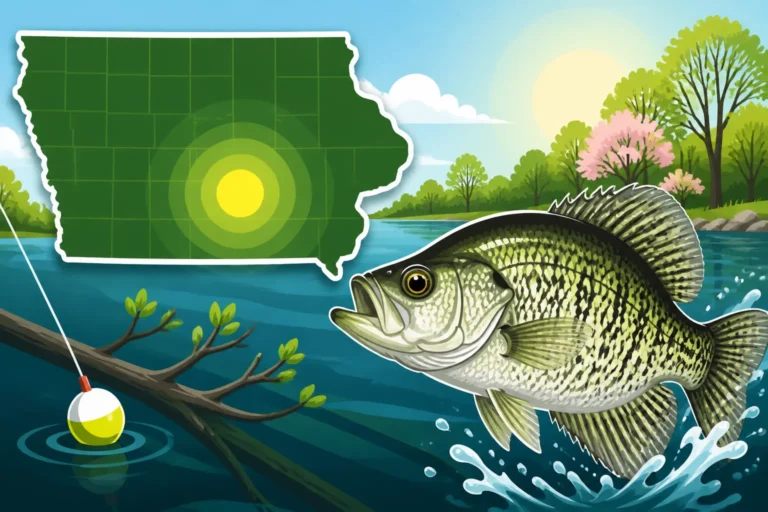
- Early Spring (Ice-out to 50°F): As soon as the ice is off, crappie will be the first to move towards shallow staging areas. Look for them in bays and coves that warm up fastest, especially those with darker bottoms that absorb sunlight. They'll often suspend near vertical structure like docks or submerged brush in 5-10 feet of water, feeding heavily before spawning. Small jigs tipped with minnows or soft plastics are deadly during this period. Yellow bass will also start schooling up in transition areas.
- Mid to Late Spring (55°F – 65°F): This is prime time! Crappie will move into even shallower water (3-7 feet) to spawn when temperatures reach the mid to upper 50s. They'll be found around docks, brush piles, and healthy weed growth. Bluegill will follow, establishing their spawning beds in very shallow (1-4 feet), sandy or gravelly areas when temperatures hit the low to mid-60s. These fish are aggressive and easy to catch. The trick is to cover water, looking for active schools or visible beds. A simple slip bobber rig with a minnow or a worm is often all you need. Don't forget to check the Iowa Fishing Season Dates and Limits for specific regulations.
Summer Patterns: Deeper Water and Early Morning Bites
Once summer fully sets in and water temperatures soar, panfish and crappie typically shift their patterns. The extreme heat can push them deeper, but they'll still be accessible with the right techniques.
- Mid-Summer Heat (70°F+): During the peak of summer, especially on bright, sunny days, crappie and larger panfish will often retreat to deeper, cooler water. Look for crappie suspended over main lake basins, relating to deep brush piles, or hugging the deeper ends of docks (10-15+ feet). Yellow bass will also school up in open water or over mid-lake humps, sometimes at considerable depths. Early morning and late evening become critical fishing times as the fish move shallower to feed under the cover of low light. During the day, targeting shady spots or deep structure with a fish finder is your best bet.
- Weed Beds and Shade: Bluegill and smaller panfish will continue to inhabit dense weed beds throughout the summer, using the thick cover for protection and food. Casting small jigs or flies into pockets within the weeds, or along the outside edges, can be very productive. Docks continue to be productive, especially on their shady sides. Consider fishing at night around lighted docks, as the lights attract baitfish and, subsequently, crappie and yellow bass.
Fall Feeding Blitz and Winter Ice Fishing Tactics
As autumn arrives, fish senses a coming winter and embark on a serious feeding frenzy. This is another fantastic time to target panfish and crappie, followed by the unique challenge and reward of ice fishing.
- Fall Turnover (Cooling Water): As water temperatures drop in the fall (late September through November), fish become incredibly active. Crappie will move back to shallower, accessible structures, feeding aggressively to build up fat reserves for winter. They often school up tightly, making for some epic fishing trips. Yellow bass will also be in large, aggressive schools, often chasing baitfish in open water or along prominent breaks. Bluegill will still be found in weeds and around docks, but may also start moving to slightly deeper edges. This can be one of the most productive times of year.
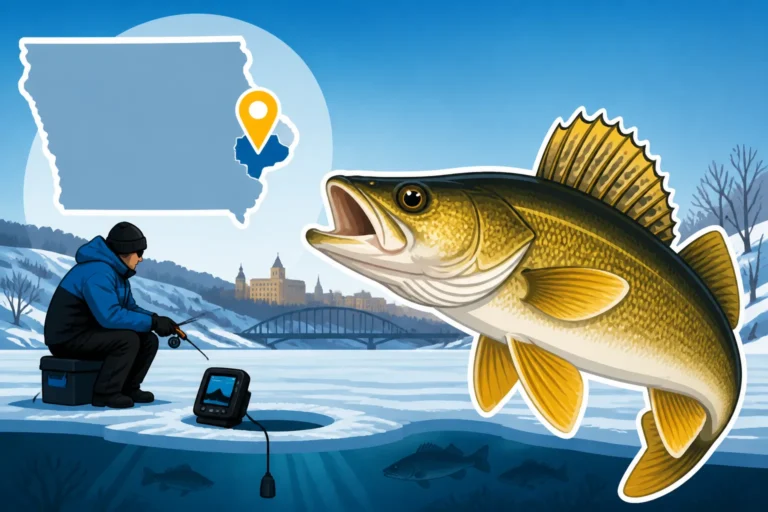
- Winter Ice Fishing (Late December to March): Clear Lake is a premier destination for ice fishing, and panfish and crappie are prime targets. Once safe ice forms (at least 4 inches for foot travel), these fish congregate in predictable locations.
- Crappie and Yellow Bass: Look for them in deeper basins (15-20 feet), often suspending just off the bottom or relating to subtle humps and weed edges. They tend to roam in schools, so drilling multiple holes and using a flasher is key to finding them. Small jigs, tipped with a wax worm or a tiny minnow, are highly effective.
- Bluegill and Perch: Bluegill will be found in shallower, vegetated bays (5-10 feet), often right along the weed lines. Perch tend to prefer slightly deeper, harder bottom areas. Tiny jigs, teardrops, or small spoons are perfect for these species. Remember to always prioritize Ice Fishing Safety on Iowa Lakes and check ice conditions regularly.
Essential Gear and Techniques for Clear Lake Panfish and Crappie
Having the right tools and knowing how to use them can significantly elevate your panfish and crappie game on Clear Lake. You don't need highly specialized or expensive equipment, but choosing the right tackle for these smaller, finesse-oriented species makes all the difference.
Rods, Reels, and Line for Light Tackle Action
For panfish and crappie, light tackle is not just a preference; it's a necessity. Their mouths are small, their bites can be subtle, and lighter line allows for more natural bait presentation.
- Rods: A light or ultra-light spinning rod, typically 5 to 7 feet long, is ideal. A fast action tip will help detect those light bites, while enough backbone further down allows you to steer a decent-sized crappie or pull a bluegill out of cover. A 6'6" ultra-light rod is a versatile choice for shore, boat, or dock fishing.
- Reels: Pair your light rod with a small spinning reel, often a 500 or 1000 series. These reels are designed for light line and offer a smooth drag, which is crucial for fighting larger fish on thin line. Brands like Shimano, Daiwa, or Pflueger make excellent budget-friendly options.
- Line: Monofilament line in 2 to 6 lb test is generally preferred. Its stretch acts as a shock absorber, helping to prevent hooks from pulling out of soft mouths. However, some anglers prefer braided line in 4 to 8 lb test for its sensitivity and strength, often adding a 2-4 foot fluorocarbon leader (2-4 lb test) for invisibility. Fluorocarbon leaders are particularly good for crappie in clear water conditions often found at Clear Lake. For those interested in deeper insights on line choices, our Iowa Fishing Gear Guide offers comprehensive advice.
Baits, Lures, and Presentation Tips
The beauty of panfish and crappie fishing is the sheer variety of baits and lures that can be effective. Experimentation is key!
- Live Bait:
- Minnows: Small live minnows (like fatheads or rosies) are absolutely deadly for crappie and yellow bass, especially in colder water. Hook them lightly through the lip or back and fish them under a small bobber or vertical jig them.
- Worms: Redworms, wax worms, and pieces of nightcrawlers are irresistible to bluegill and other sunfish. They're also surprisingly effective for crappie, especially when tipped on a small jig.
- Leeches: Small leeches can also be a great all-around option for all panfish species.
- Artificial Lures:
- Jigs: Tiny jigs (1/32 to 1/16 oz) are the workhorses of panfish and crappie fishing. Tip them with small plastic bodies (grubs, tubes, single-tail plastics) in various colors (chartreuse, white, pink, black/chartreuse are popular). Slowly retrieve them, or suspend them under a bobber.
- Micro Spoons: Small spoons, especially for yellow bass and perch, can mimic baitfish and are great for vertical jigging, particularly through the ice or over deeper schools.
- Tiny Crankbaits/Jerkbaits: For aggressive crappie or larger yellow bass, tiny crankbaits or suspending jerkbaits in natural colors can be incredibly effective, especially when cast along weed edges or parallel to docks.
- Panfish Spinners: Classic Mepps or Rooster Tail spinners in small sizes are fantastic for covering water and catching aggressive bluegill and yellow bass.
- Presentation is everything:
- Bobber Fishing: A classic for a reason. Use a small, sensitive bobber (slip bobbers are great for precise depth control) to suspend your bait at the depth where fish are holding. This is perfect for fishing around docks or weed edges.
- Vertical Jigging: Especially effective when fish are schooled up tight or for ice fishing. Lower your jig or minnow directly to the fish you see on your electronics, and use subtle lifts and drops.
- Casting and Retrieving: Cast jigs or spinners along weed lines, past dock pilings, or over submerged structure. Experiment with different retrieve speeds until you find what triggers bites. A slow, steady retrieve is often best for crappie.
- Dead Sticking: Sometimes, doing nothing is the best technique. Let your bait sit motionless, or with very subtle twitches, especially for finicky crappie.
No matter your technique, always pay attention to how the fish are biting. Are they hitting aggressively, or is it a light tap? Adjust your retrieve, bait size, and even hook set accordingly. Sometimes a slight change in presentation can make all the difference between a slow day and a banner day. If you're struggling, don't hesitate to consult local experts or consider hiring a guide through platforms like FishingBooker for personalized advice and the chance to learn new techniques firsthand.
Disclaimer
Fishing conditions and regulations in Iowa can change. Always check the latest Iowa Department of Natural Resources (DNR) fishing regulations before heading out on the water. This guide is for informational purposes only and should not replace official sources or responsible angling practices.