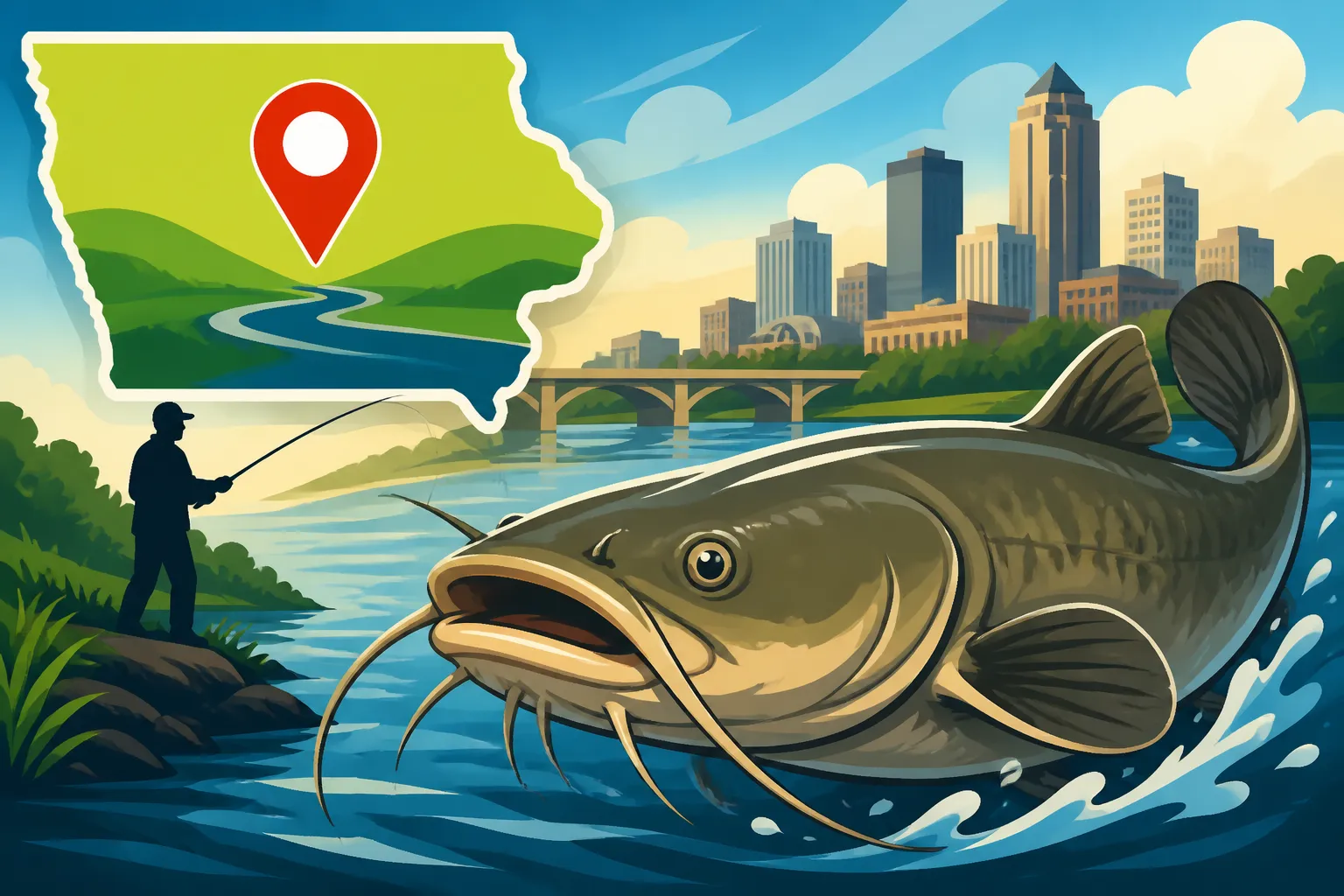
Des Moines River Catfish Spots
Ah, the Des Moines River. For many of us Iowa anglers, it’s a waterway that holds a special place, full of memories of tugging on feisty fish. But if you're like me, you've probably spent countless hours wondering where those elusive channel cats and flatheads truly hide, especially when the river changes its mood with every rain. It can be incredibly frustrating trying to pinpoint productive spots when conditions seem to shift constantly. This comprehensive guide is here to unravel those mysteries, helping you discover the most promising catfish havens along the Des Moines River, from its urban stretches to its quieter, wilder bends.
Understanding the Des Moines River's Catfish Appeal
The Des Moines River, snaking its way across the heart of Iowa, is a fantastic fishery, and for catfish enthusiasts, it's nothing short of a paradise. Its diverse environment provides everything these whiskered warriors need to thrive, making it a reliable destination for anglers seeking a strong tug on the line.
Why the Des Moines River is Prime Catfish Territory
What makes the Des Moines River such a magnet for catfish? Well, it's a combination of factors. First off, the river offers a rich buffet of food sources. From various baitfish like shad and minnows to crayfish and aquatic insects, there’s an abundance of natural forage. This consistent food supply allows catfish to grow to impressive sizes, making every catch a potential trophy. Beyond the food, the river's physical characteristics are perfectly suited for catfish. It features a mix of depths, from shallow riffles to deep, slow-moving pools, giving catfish options for feeding, resting, and spawning depending on the season and water conditions. The varying current speeds also play a crucial role, creating oxygen-rich areas where fish can ambush prey and calmer sections where they can conserve energy.
Secondly, the river's bottom composition is often silty or muddy, which is ideal for species like channel catfish that love to root around for food. For flatheads, the presence of woody debris and rocky structures creates perfect ambush points. The water quality, thanks to ongoing conservation efforts and natural processes, generally supports a healthy ecosystem, which is, of course, vital for any robust fish population. This healthy environment, coupled with the sheer length and accessibility of the river, truly sets the stage for exceptional catfish angling experiences.
Identifying Key Catfish Holding Structures
Catfish are structure-oriented fish, meaning they'll often be found near specific features that offer cover, food, or a break from the current. Learning to "read the river" for these structures is perhaps the most crucial skill for consistent success. Think about where a fish might feel safe, where it might find an easy meal, or where it can escape strong currents.
One of the most common and productive structures on the Des Moines River is woody debris. This includes fallen trees, log jams, and submerged branches. These areas provide excellent cover from predators and strong currents, and they also attract baitfish and insects, creating a natural feeding station for catfish. Flathead catfish, in particular, are notorious for hunkering down in the thickest parts of these submerged jungles. Another critical structure is current breaks. These can be anything that disrupts the main flow of the river, such as eddies behind rocks, points of land, or the downstream side of bridge pilings. Catfish will often sit just outside the main current, waiting for food to drift by with minimal effort. Look for seams where fast water meets slow water; these are prime ambush zones. Lastly, deep holes and depressions in the riverbed are always worth investigating. These deeper areas offer refuge during hot weather or low water conditions, and they can be critical holding areas, especially for larger, more mature catfish. Often, these holes are found on the outside bends of the river where the current has scoured out the bank.
Top Catfish Hotspots Along the Des Moines River
The Des Moines River offers a wide array of fishing experiences, from surprisingly productive urban stretches to more secluded, wilder sections. Knowing where to focus your efforts can drastically improve your chances of success.
Urban Fishing Opportunities in Des Moines
Believe it or not, some of the best catfish action can be found right within the city limits of Des Moines. The river here might seem busy, but the fish thrive, taking advantage of the diverse structures created by human development and natural features. These spots are often easily accessible, making them perfect for a quick evening trip or for anglers without a boat.
Public parks with river access are fantastic starting points. Areas like the stretch of river near Water Works Park offer plenty of bank access and deeper sections where catfish congregate. The river here has a varied bottom and plenty of current breaks around existing infrastructure. Fishing around bridge pilings, especially at the confluence of the Raccoon and Des Moines Rivers, can be particularly productive. The turbulence and scour around these structures create excellent holding lies for catfish. Remember, while urban fishing is convenient, always be mindful of local park rules and keep your fishing area clean. Another great resource for finding easy entry points is checking out specific locations on the Shore Fishing Access Near Des Moines guide. It lists many spots that might surprise you with their potential.
Mid-River Bends and Deeper Channels
Venturing slightly away from the most heavily urbanized areas often reveals stretches of the Des Moines River that are absolute goldmines for catfish. These sections, characterized by pronounced river bends and naturally scoured deep channels, provide the ideal habitat for larger, more elusive fish.
On the wider, more open stretches of the river, pay close attention to the outside bends. The continuous force of the current naturally carves out deeper channels along these banks, creating significant depth changes that catfish adore. These deep pockets often collect woody debris and provide a perfect haven from strong currents while still offering easy access to passing food. Accessing these areas often means finding public easements, county parks, or even checking aerial maps for stretches where the river flows alongside public land. Further upstream or downstream from the core city, as the river moves through more rural landscapes, you'll find long, slow-moving pools punctuated by faster runs. The transition zones between these different current speeds are always worth exploring. For instance, sections north of Des Moines towards Madrid, or south towards Red Rock, contain numerous bends and deeper areas that are less pressured than city spots, offering a more serene fishing experience with excellent potential for big channel cats and flatheads.
Tailwaters and Dam Areas
For a truly action-packed catfish experience, the tailwaters below major dams on the Des Moines River are often unbeatable. The turbulent, oxygen-rich waters found downstream of structures like the Saylorville Dam and the Red Rock Dam create a feeding frenzy environment that catfish simply cannot resist.
Below a dam, the churning water is highly oxygenated, which invigorates fish and often concentrates baitfish that have been "flushed" through the gates. This creates a prime location for catfish to actively feed. Anglers often find success by casting heavy weights upstream and letting their bait drift naturally down into the slack water or eddies created by the current. The powerful current demands robust tackle and careful attention to safety, but the rewards can be substantial, with many anglers reporting exceptional catches of both channel catfish and flatheads. The tailwaters also tend to hold fish year-round, though techniques will vary with water levels and seasonal temperatures. For specific guidance on the regulations that apply to these areas, which can sometimes have unique rules compared to other parts of the river, always consult the Iowa Fishing Regulations Explained.
Essential Gear and Bait for Des Moines River Catfish
To consistently hook into those hard-fighting Des Moines River catfish, you need the right tools for the job. Having appropriate tackle and knowing which baits work best can make all the difference between a frustrating day and a memorable one.
Recommended Rods, Reels, and Line
When it comes to catfish, especially in a river system like the Des Moines, you're going to need gear that can take a beating and still perform. These fish are strong, and they often live in snaggy environments, so durability and power are key.
For rods, think medium-heavy to heavy power with a fast to moderate-fast action. A rod in the 7 to 9-foot range is ideal. Longer rods help with casting heavy weights, provide better line control in current, and offer more leverage when fighting a big fish. Brands like Ugly Stik have been a catfish angler's staple for years because of their near-indestructible blanks, making them perfect for wrestling fish out of snags. As for reels, a size 5000-8000 spinning reel or a conventional baitcasting reel with a robust drag system is what you’ll want. Catfish can peel line off in a hurry, so a smooth, powerful drag is non-negotiable. Don't skimp here; a cheap drag will let you down when it matters most. For line, monofilament between 17-30 lb test or braided line between 30-65 lb test are excellent choices. Braided line offers superior strength-to-diameter ratio, zero stretch for better sensitivity, and excellent abrasion resistance against submerged timber and rocks. If you go with braid, consider adding a heavy monofilament or fluorocarbon leader to provide a bit of stretch and invisibility. You can get more specifics on setting up your gear by checking out guides like Best Rod Setup for Catfish on the Mississippi River – many of those principles apply directly to the Des Moines.
Top Baits and Rigs for Success
Choosing the right bait can often be the secret sauce to a successful catfish outing. While catfish aren't typically picky eaters, some baits are undeniably more effective than others on the Des Moines River. The presentation, or rig, is equally important to ensure your bait stays where the fish are and attracts their attention.
For channel catfish, a variety of baits work wonders. Cut bait is a perennial favorite; fresh shad, carp, or even small panfish cut into chunks release strong scent trails that catfish follow. Another excellent option is chicken liver, which is incredibly pungent and a proven catfish magnet, though it can be messy to work with. For something less messy but still effective, try commercial stink baits or prepared baits that come in tubs or tubes. Worms, particularly nightcrawlers, are also effective, especially for smaller channel cats and bullheads, and are fantastic for bank fishing. For flathead catfish, live bait is almost always preferred. A frisky live bluegill, carp, or bullhead (check regulations for legal baitfish) presented effectively is often the only thing that will tempt a trophy flathead. When it comes to rigs, the Carolina rig (or slip-sinker rig) is probably the most versatile for river catfishing. It consists of an egg sinker or similar weight sliding freely on the main line, tied to a swivel, with a leader (12-24 inches) and a sturdy circle hook (sizes 2/0-8/0 depending on bait and target fish). This allows the fish to pick up the bait without feeling the weight. For fishing in heavy current or around snags, a three-way swivel rig can also be effective, allowing you to suspend your bait off the bottom. Don't forget to explore a full range of options in a dedicated resource like the Catfish Bait Guide for Iowa Anglers.
Mastering Catfish Techniques on the Des Moines River
Catching catfish on the Des Moines River is about more than just finding a good spot and tossing out a line. It involves understanding the river's dynamics, knowing when the fish are most active, and adapting your approach to maximize your chances.
Reading the River for Optimal Placement
The Des Moines River is a living, breathing entity, constantly changing with rainfall, current, and season. Learning to "read" the river for subtle cues about where catfish might be hiding is a skill that comes with practice, but understanding the basic principles can give you a significant advantage.
First, current is king. Catfish, especially larger ones, will almost always be positioned out of the main force of the current, conserving energy while still being close enough to ambush prey. Look for eddies, slack water behind wing dams, bridge pilings, or large rocks. The "seam" where fast water meets slow water is a prime target zone. Second, depth changes are crucial. As mentioned before, outside bends often have deeper channels, but also look for humps, drop-offs, and sudden depressions indicated by your fish finder or even by observing the surface flow. These subtle contours can be catfish magnets. Third, structure identification isn't just about visible snags. Submerged rock piles, old bridge footings, or even changes in bottom composition (from sand to mud, for instance) can concentrate fish. Utilizing a depth finder can be immensely helpful in identifying these underwater features, allowing you to target your casts precisely. For more in-depth knowledge on identifying these hidden gems, articles like How to Find Deep Holes for Catfish provide excellent advice applicable to any river system.
Day vs. Night Fishing Strategies
Catfish are primarily nocturnal feeders, but that doesn't mean you can't catch them during the day. Understanding their behavior throughout a 24-hour cycle and adjusting your strategy accordingly can significantly boost your success rate on the Des Moines River.
During the daytime, especially in bright sunlight, catfish tend to retreat to deeper, cooler water and heavy cover. This means you'll need to target those deep holes, log jams, and shaded areas. Your presentation should be precise, dropping baits directly into their comfort zones. They might be less active, so a patient approach, allowing your bait to sit for longer periods, is often more effective. As the sun begins to set and into the night, catfish become far more active. Their superior sense of smell and lateral lines give them an advantage in low light conditions, and they move into shallower waters and onto flats to actively hunt. This is when cut bait and stink baits really shine, as their strong scents travel well through the water. Fishing close to shore, around sandbars, and near creek mouths can be incredibly productive after dark. When fishing at night, safety is paramount. Always bring a reliable headlamp (like those mentioned in Best Headlamp for Night Fishing), let someone know your plans, and be aware of your surroundings, as river banks can be tricky in the dark.
Seasonal Considerations for Catfish Action
The Des Moines River's catfish bite changes with the seasons, influenced by water temperature, current, and their biological clocks. Understanding these seasonal shifts helps you anticipate their movements and adapt your fishing strategy for year-round success.
Spring (March-May) is often marked by rising water levels and temperatures, triggering catfish to become more active. As water temperatures climb into the 60s, channel catfish begin their pre-spawn feeding frenzy. They'll often be found in shallower, warming areas like tributary mouths and calmer backwaters. This is a fantastic time for cut bait or large worms. Summer (June-August) sees the water fully warmed. Catfish are very active, especially during cooler mornings, evenings, and nights. They'll spread out more but still gravitate towards current breaks and deeper holes during the heat of the day. This is prime time for flatheads in heavy cover with live bait. Fall (September-November) brings cooling water, signaling catfish to begin their migration to deeper wintering holes and a final push for feeding before the cold sets in. They become highly concentrated in these deeper areas, making them predictable targets if you can find their wintering grounds. Large cut baits are excellent for tempting these fattening fish. Even in winter (December-February), while challenging, catfish can be caught from deep holes, especially during warmer spells or below dams where water remains open and oxygenated.
Navigating Regulations and Access on the Des Moines River
Before you even wet a line, understanding Iowa's fishing regulations and knowing where you can legally access the Des Moines River is crucial. These rules are in place to protect fish populations and ensure safe, sustainable fishing for everyone.
Key Iowa Fishing Regulations for Catfish
Iowa has specific rules governing catfish, including daily bag limits and possession limits, which are designed to maintain healthy fish stocks across the state. It's not just about what you can catch, but how much you can keep.
For channel catfish, the daily bag limit in most Iowa waters is 15 fish, with a possession limit of 30. This means you can catch and keep up to 15 in one day, but you cannot have more than 30 in your possession at any given time (this typically applies if you have multiple days' worth of fish at home, for instance). Flathead catfish generally have a more restrictive daily bag limit of 5 fish, with a possession limit of 10. These limits are important to follow strictly. Always carry your valid Iowa fishing license, which is a fundamental requirement for anyone 16 years or older. You can learn more about general regulations, and check for any specific Des Moines River rules, by reviewing the comprehensive Iowa Fishing Regulations Explained guide. Additionally, for a deep dive into what you can keep, consult the Channel Catfish Daily Limit in Iowa resource to ensure you're always within the legal framework. Violating these regulations can result in fines and other penalties, so stay informed!
Public Access Points and Considerations
Finding good public access to the Des Moines River is essential for any angler, whether you're bank fishing or launching a boat. Thankfully, Iowa offers numerous options, but it's important to know where they are and what considerations come with each.
Throughout the length of the Des Moines River, you'll find various public boat ramps and access points managed by the Iowa Department of Natural Resources (DNR), county conservation boards, and sometimes local municipalities. In the Des Moines metro area, spots like Prospect Park, Birdland Park, and directly below the Saylorville Dam offer popular access. South of the city, around Red Rock Reservoir, there are many access points both above and below the dam. For bank anglers, numerous city and county parks provide designated shoreline access, often with fishing piers or cleared areas. It's always a good idea to consult the Iowa DNR's online fishing atlas or local county conservation board websites for maps and detailed information on specific access points. While private land borders much of the river, always respect private property signs and seek permission before venturing onto someone else's land. The DNR's official guide to Des Moines River Fishing Spots is an invaluable resource for planning your trip and identifying the best places to launch your boat or cast from shore. Always remember to practice Leave No Trace principles, packing out everything you pack in, to ensure these beautiful spots remain enjoyable for everyone.
Maximizing Your Des Moines River Catfish Trip Experience
Fishing the Des Moines River for catfish can be an incredibly rewarding experience, but a little extra planning and attention to detail can transform a good trip into a truly unforgettable one.
Hiring a Local Guide for Expertise
Sometimes, despite all your research and preparation, you just can't beat local knowledge. For those looking to quickly learn the ropes, gain access to prime spots, or simply enjoy a stress-free day of fishing, hiring a local guide for a Des Moines River catfish trip is an excellent option.
A professional fishing guide lives and breathes the Des Moines River. They know the subtle nuances of the river: where the fish are hiding in different seasons, what baits they're hitting, and how to navigate the ever-changing conditions. They typically provide all the necessary gear, bait, and a boat, taking the guesswork out of your trip. This means less time fussing with tackle and more time with a line in the water, learning proven techniques firsthand. Guides can teach you how to read the current, identify key structures, and even show you advanced rigging techniques tailored to the Des Moines River. If you're visiting from out of state or just want to fast-track your learning curve, a guide is an invaluable resource. To find reputable guides specializing in Des Moines River catfish, platforms like FishingBooker are a fantastic starting point. You can browse local charter captains, read reviews from other anglers, and compare prices to find the perfect match for your group and budget. Utilizing a service like FishingBooker ensures you're connecting with licensed professionals who are passionate about sharing their love for Iowa fishing.
Safety First on the River
The Des Moines River is beautiful and full of fish, but it demands respect. Prioritizing safety is paramount, whether you're fishing from the bank or from a boat. Conditions can change rapidly, and being prepared can prevent a fun day from turning into a dangerous situation.
Always keep an eye on weather forecasts before and during your trip. Sudden thunderstorms can create dangerous conditions, and flash floods can dramatically raise river levels and current speeds, making bank fishing treacherous and boat navigation difficult. If you're in a boat, ensure all required safety equipment is on board, including Coast Guard-approved personal flotation devices (PFDs) for everyone, a fire extinguisher, a horn or whistle, and navigational lights if you'll be out at dusk or dawn. It's wise for everyone to wear their PFDs, especially in strong currents or when operating a boat. For bank anglers, be aware of slippery banks, steep drop-offs, and swift currents. Always let someone know where you're going and when you expect to return. Bringing a fully charged cell phone, a first-aid kit, and plenty of water are also non-negotiables. The river can be unpredictable, so maintaining situational awareness and avoiding unnecessary risks will ensure your Des Moines River catfish adventure is as safe as it is successful.
Des Moines River Catfish Baits and Their Best Uses
| Bait Type | Best For | Conditions / Tips |
|---|---|---|
| Cut Shad/Carp | Channel Catfish, Flathead | All seasons, especially effective at night. Strong scent in current. |
| Live Bluegill/Bullhead | Flathead Catfish | Warm water months, in heavy cover. Rig carefully to keep bait lively. |
| Chicken Liver | Channel Catfish | Moderate current, day or night. Extremely smelly, use small pieces on treble hooks. |
| Nightcrawlers | Channel Catfish, Bullhead | All sizes, all conditions. Great for beginners, often picks up other species too. |
| Prepared Stink Baits | Channel Catfish | Moderate to slow current, good for attracting fish from a distance. Messy but effective. |
| Shrimp (Fresh/Frozen) | Channel Catfish | Versatile, strong scent. Can be used in moderate current. Durable on the hook. |
Disclaimer
Fishing regulations and conditions on the Des Moines River can change. Always consult the latest Iowa DNR fishing regulations guide before heading out. The information provided in this article is for general guidance only and should not be considered a substitute for official regulations. Stay safe and fish responsibly.