Best Life Jacket Type for Kayak Fishing
For many kayak anglers in Iowa, the peace of gliding silently across a lake or drifting down a river is what it's all about. But there's a constant, often nagging, question: how do you stay safe without sacrificing comfort and mobility, especially when you're casting, paddling, and maneuvering? This guide will dive deep into the best life jacket types specifically designed for kayak fishing, helping you choose a personal flotation device (PFD) that truly enhances your time on the water, rather than hindering it.
Why a Life Jacket is Your Kayak Fishing Partner, Not Just a Requirement
Let's be real: strapping into a bulky, hot life jacket on a beautiful Iowa summer day isn't everyone's idea of fun. You want freedom of movement for casting, paddling, and maybe even reaching into your cooler. But here's the cold, hard truth: a PFD isn't just a piece of gear; it's your primary safety net. Kayaks, for all their stability, can capsize unexpectedly. A rogue wave, an unseen stump, shifting weight, or even the sheer excitement of a big fish can send you into the water in a heartbeat. And when that happens, especially in Iowa's often-chilly waters, a properly worn life jacket is the difference between a minor inconvenience and a serious emergency.
Understanding Iowa's PFD Regulations for Paddlers
First things first, let's talk about what Iowa expects. State law requires that all vessels, including kayaks, canoes, and stand-up paddleboards, have a U.S. Coast Guard (USCG) approved wearable PFD for each person on board. For children under 13, it's not just "on board" – they must wear their PFD whenever the vessel is underway. For adults, while it's generally allowed to just have it accessible, the smart angler always wears it. Think about it: if you capsize, trying to grab a PFD that was stowed away in your kayak is often impossible, especially if you're disoriented, injured, or in cold water. Having it on ensures it's there when you need it most. We've talked extensively about these rules in our Iowa Fishing Regulations Explained guide, but the core message for kayak anglers is clear: be prepared.
The Real Dangers Beyond Just Falling In
Beyond simply falling out of your kayak, there are other factors that make a PFD absolutely critical. Imagine you're fishing a quiet stretch of the Des Moines River, enjoying the solitude. Suddenly, a fast-moving powerboat comes by, creating a wake that flips your kayak. Or, perhaps it's early spring, and the water temperature is still frigid, even if the air feels mild. Cold water shock can instantly steal your breath and muscle control, making it incredibly difficult to swim or even call for help. A life jacket keeps your head above water, conserving energy and buying you precious time. It’s not just about avoiding drowning; it's about mitigating the compounding risks that come with an unplanned swim. Even if you're a strong swimmer, fatigue, currents, and cold water can overwhelm anyone.
Decoding Life Jacket Types: What Anglers Need to Know
The world of PFDs can seem a bit confusing with all the different "Types." Historically, the USCG had five types, but they've been simplifying classifications. For kayak fishing, you're primarily going to be looking at PFDs designed for active use, often categorized as Type III or Type V. These are built with comfort and mobility in mind, which is exactly what a kayak angler needs.
Type III PFDs: The Workhorse for Active Kayakers
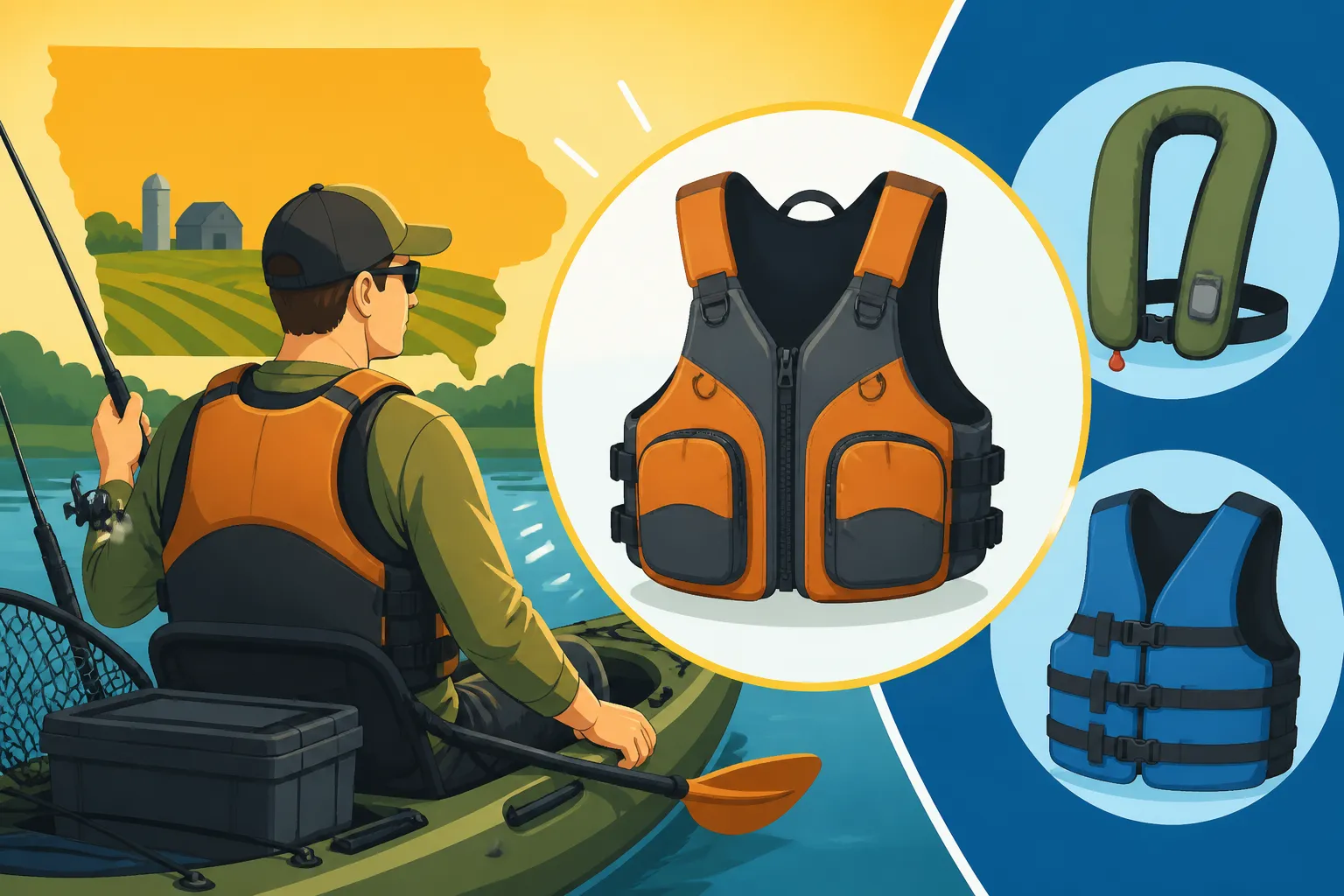
Type III PFDs, often called "flotation aids," are the most common choice for recreational boating, including kayaking. They offer sufficient buoyancy to keep you afloat in calm waters and are designed for continuous wear. The key here is comfort; they're built to be less bulky than older PFD styles, allowing for a good range of motion. You'll find these in various styles, from vest-like designs with zippers and buckles to more minimalist designs with thinner panels.
What makes a Type III great for kayak fishing? Many models now feature specific angler-friendly designs. These might include high-back panels that don't bunch up against your kayak seat, larger armholes for unrestricted casting, and breathable mesh sections to keep you cool. You can find a huge variety of these, from basic models to feature-rich fishing-specific PFDs at major retailers. If you're just starting out or prefer a PFD that requires zero pre-trip setup, a quality Type III is an excellent choice. They are inherently buoyant, meaning they don't rely on inflation to work, giving you instant flotation the moment you hit the water. This peace of mind is invaluable, especially if you find yourself in a chaotic situation.
Inflatable PFDs: Maximum Freedom for the Discerning Angler
For many serious kayak anglers, inflatable PFDs have become the gold standard, particularly those classified as Type V when worn. These offer the ultimate in comfort and freedom of movement because, when not inflated, they're incredibly compact – often just a small collar around your neck or a waist pack. The magic happens when they're deployed: either manually by pulling a cord or automatically when submerged in water, a CO2 cartridge rapidly inflates a bladder, providing significant buoyancy.
The biggest draw for inflatable PFDs is that they virtually disappear when you're paddling and casting. There's no bulky foam getting in the way. However, there are crucial caveats. For an inflatable PFD to count as a legally required PFD in Iowa, it must be worn. Having it stowed in your dry bag doesn't cut it. Also, you need to ensure the CO2 cartridge is properly armed and not expired. Regular inspection is key. Most inflatable PFDs come in two main versions: manual and automatic. Manual inflatables require you to pull a cord to deploy, which might be preferable for experienced paddlers who want full control and don't want accidental inflation from a splash. Automatic inflatables deploy on their own when submerged, offering immediate flotation without user action, which can be critical in an unexpected capsize, but they can also inflate from heavy rain or a rogue wave. Brands available on sites like Amazon often clearly specify whether they are manual or automatic.
Key Features to Look for in a Kayak Fishing PFD
Choosing the right life jacket for kayak fishing is about more than just flotation; it's about finding gear that enhances your experience. The best PFDs are designed with the unique needs of anglers in mind.
Comfort and Mobility are Non-Negotiable
This is perhaps the most critical factor for kayak fishing. You're going to be sitting for long periods, paddling, casting overhead, and leaning to net fish. A standard, bulky recreational PFD can quickly become a nuisance. Look for these specific features:
- High-Back Design: Many kayak seats have high backs. A PFD with a high-back flotation panel or, even better, no flotation in the lower back, prevents it from riding up uncomfortably around your ears. This design allows the PFD to sit correctly and comfortably while you're seated.
- Large Armholes: Restrictive armholes make casting a chore. Opt for PFDs with generous arm openings that allow for a full range of motion, from powerful overhead casts to delicate roll casts.
- Breathable Materials: Iowa summers can get hot and humid. PFDs made with mesh panels, ventilation channels, or lighter fabrics will help prevent overheating and sweating. Some manufacturers even incorporate wicking materials to draw moisture away from your body. Comfort here translates directly to how long you'll willingly wear it.
Practical Storage and Functional Design
A kayak angler's PFD isn't just for flotation; it's often an extension of their tackle management system. Having essential tools and gear within arm's reach can make a huge difference, especially when you're trying to land a feisty walleye or catfish.
- Pockets Galore: Look for multiple pockets, preferably zippered, to stash small tackle boxes, soft plastics, leader material, and snacks. Some PFDs even have dedicated pockets for pliers or a small utility knife, ensuring they're always accessible. The ability to quickly grab your hook remover without fumbling through a crate is a game-changer.
- Attachment Points: D-rings, loops, and lash tabs are invaluable for attaching gear like a whistle (required safety equipment in many cases), a tethered line nipper, or even a small radio. These keep your essentials secure and ready for use.
- Tool Holders: Specific spots for your fishing pliers or line cutters mean you're not digging around when a fish is on the line. Some PFDs have magnet closures or elastic loops to keep tools secure yet easily reachable. This kind of thoughtful design makes a PFD truly "fishing-specific." For example, if you're targeting big channel catfish, you'll want your heavy-duty pliers handy at all times.
The Importance of Proper Fit and Adjustability
Even the best-designed PFD is useless if it doesn't fit properly. A PFD that's too loose can ride up, obstructing your face, while one that's too tight can be restrictive and uncomfortable.
- Snug, Not Constricting: A PFD should fit snugly but allow for full movement. It shouldn't ride up when you lift your arms. To test the fit, put it on, buckle and zip it, then have someone pull up on the shoulder straps. If it slides up past your ears, it's too big.
- Multiple Adjustment Points: Look for PFDs with adjustable shoulder, side, and waist straps. These allow you to customize the fit to your body shape and layering, whether you're wearing just a t-shirt in summer or a heavier jacket in cooler weather. This adjustability is key to ensuring continuous comfort throughout your fishing trip. When you're spending hours on the water, whether it's Fishing Clear Lake in Iowa or navigating river currents, a good fit prevents chafing and discomfort.
Finding Your Perfect PFD: Recommendations and Considerations
Now that we know why a life jacket is essential and what features to look for, let's talk about specific recommendations for kayak anglers in Iowa. Your choice will ultimately come down to a balance of comfort, functionality, and how you prioritize instant buoyancy versus minimal bulk.
Traditional Foam (Type III) for Durability and Value
For many, a well-designed Type III foam PFD remains an excellent choice. They are generally more affordable, require no maintenance other than drying, and offer instant, reliable flotation. This is often the preferred option for beginners, casual paddlers, or those who might be rougher on their gear.
Consider a Type III if:
- You're on a budget: They tend to be less expensive than inflatables.
- You want zero maintenance: No CO2 cartridges to check or replace.
- You value ruggedness: Foam PFDs can take a beating and still perform.
- You're a new kayaker: It's a straightforward, no-fuss safety device.
When shopping for foam PFDs, look for brands that specialize in paddling or fishing-specific designs. You can find a vast selection at Bass Pro Shops, which often carries models with integrated pockets, tool holders, and high-back designs perfect for kayak seats. Checking reviews on sites like Amazon can also give you a good idea of comfort and durability for specific models. Many of these PFDs are explicitly marketed for fishing and have features like rod holder loops or small tackle pockets, making them incredibly practical.
Inflatable Options for Ultimate Freedom
If maximum mobility and minimal bulk are your top priorities, and you're diligent about gear maintenance, an inflatable PFD might be your best bet. These are favored by experienced kayak anglers who spend long hours on the water and value unrestricted movement above all else.
Consider an inflatable PFD if:
- You prioritize unrestricted movement: They're barely noticeable when uninflated.
- You understand and commit to maintenance: Regular checks of the CO2 cartridge and inflation mechanism are crucial.
- You're comfortable with the manual inflation option: Or trust the auto-inflation feature.
- You fish frequently and for long durations: The comfort over many hours is unmatched.
Remember, inflatable PFDs must be worn to count towards legal requirements. If you're looking at inflatable options, brands like Onyx, Mustang Survival, and NRS are highly regarded. You can often find these specialized options through outdoor retailers or online marketplaces like Amazon. Just be sure to read the product descriptions carefully to choose between manual and automatic inflation, and understand the maintenance requirements. While they offer superior comfort, the trade-off is often a higher initial cost and the ongoing expense of replacement CO2 cartridges if the PFD is deployed.
Here's a quick comparison of key considerations for kayak fishing PFDs:
| Feature | Traditional Foam PFD (Type III) | Inflatable PFD (Type V when worn) |
|---|---|---|
| Buoyancy | Always on; instant flotation | Inflates manually or automatically; must be worn |
| Comfort | Varies; can be bulky but many angler-specific designs are good | Excellent; virtually disappears when uninflated |
| Mobility | Good for casting, but still some bulk | Superior; maximum range of motion |
| Maintenance | Low; simple drying and inspection | Higher; check/replace CO2 cartridge, re-arm |
| Cost | Generally lower initial cost | Higher initial cost, ongoing cartridge expenses |
| Storage | Many come with integrated pockets & tool holders | Limited integrated storage, often needs separate gear bags |
| Durability | Very durable, handles wear and tear well | Bladder can be punctured if not careful |
| Best For | Beginners, casual anglers, cold weather, those who prefer "set it and forget it" safety | Experienced anglers, warm weather, those valuing minimal bulk |
No matter which type you choose, remember that the "best" life jacket is the one you will consistently wear. If a PFD is uncomfortable or gets in the way, you'll be tempted to take it off, and that defeats its entire purpose. So, invest in a PFD that truly fits your body, your fishing style, and your commitment to safety on Iowa's beautiful waters. This thoughtful choice, along with following general Boat Safety Equipment for Iowa Waters guidelines, ensures you're ready for anything the day throws at you. You might also want to explore Kayak Fishing Gear Guide for Iowa Rivers for more tips on outfitting your paddlecraft.
Taking Care of Your PFD and Ensuring Proper Fit
Once you've chosen your kayak fishing PFD, the journey isn't over. Proper care, maintenance, and knowing how to wear it correctly are just as important as the initial selection. A PFD is a piece of safety equipment, and like any safety gear, it needs to be in top condition to perform when it truly matters.
Regular Inspection and Maintenance
Just like you wouldn't head out with a damaged fishing rod or a dull hook, you shouldn't launch your kayak with a compromised PFD. Regular checks are quick and easy and can save your life.
- Check for Wear and Tear: Before each season, and periodically throughout, give your PFD a thorough visual inspection. Look for rips, tears, frayed straps, or broken buckles. Even a small tear can compromise the integrity of the flotation material in a foam PFD, or eventually lead to a leak in an inflatable one. Sun exposure and prolonged dampness can degrade fabrics and stitching over time.
- Zipper and Buckle Functionality: Ensure all zippers glide smoothly and all buckles click securely into place. These are critical for keeping the PFD on your body. If a zipper is jammed or a buckle is cracked, it's time for a repair or replacement.
- Inflatable PFD Specifics: For inflatables, this inspection is even more critical. Check the CO2 cartridge to ensure it's still armed and hasn't expired. Most have an indicator that tells you if it's armed or needs replacement. Also, inspect the bladder itself for any signs of damage or leaks. If your inflatable PFD was ever deployed, you must replace the CO2 cartridge and re-arm the mechanism according to the manufacturer's instructions before using it again. Neglecting this step means it won't inflate when needed.
After every trip, especially if your PFD got wet or sweaty, rinse it with fresh water and hang it to dry thoroughly in a well-ventilated area, out of direct sunlight. Never store a wet PFD, as this can lead to mildew, odor, and degradation of the materials. Keep it away from harsh chemicals or petroleum products, which can also damage the flotation material or fabric. Proper storage, perhaps hanging in your garage with your fishing rods and Best Tackle Box Setup for Beginners, will extend its lifespan significantly.
Mastering the Perfect Fit: Your Final Layer of Safety
We touched on fit earlier, but it bears repeating because it's paramount. A PFD that doesn't fit correctly is almost as bad as no PFD at all. It won't keep your head above water effectively, it will be uncomfortable, and you'll fight against it, rather than it supporting you.
- Adjust for Your Layers: Always adjust your PFD while wearing the clothing you expect to fish in. If you plan on layering a fleece jacket under your PFD in cooler weather, adjust it with that layer on. Then, if you shed the fleece as the day warms up, cinch it down tighter. The goal is always a snug fit.
- The "Lift Test": This is the ultimate test. Once your PFD is on and all straps are tightened, have a friend gently lift you by the shoulder straps. If the PFD rides up past your ears, it's too loose. It should stay firmly in place, keeping your chin and mouth clear of the water. If you're alone, you can simulate this by trying to pull the shoulder straps up yourself; if you can easily pull it over your head, it's too big or too loose.
- Practice in Calm Water: If you're new to kayak fishing or a new PFD, consider trying it out in shallow, calm water. Get in the water and see how it feels. Does it keep your head comfortably above the surface? Can you breathe easily? Does it interfere with your ability to paddle or self-rescue? This low-stakes test can build your confidence and help you make any final adjustments.
By taking the time to properly select, fit, and maintain your kayak fishing PFD, you're not just complying with regulations; you're actively investing in your safety and comfort on the water. This allows you to focus on what you love – the thrill of the catch, the tranquility of the paddle, and the beauty of Iowa's fishing spots. And that, my friends, is what a great day of fishing is all about. For more insights on staying safe and equipped, check out Required Safety Equipment for Iowa Boats.
Disclaimer
This article is for general informational purposes only and does not constitute professional advice. Laws, prices and regulations vary by location and change over time. Consult a qualified professional for guidance on your specific situation.