Is There a Closed Season for Catfish?
One of the most common questions and sources of confusion for anglers dipping their lines into Iowa’s abundant waters is whether they can chase their favorite fish year-round. For many species, specific seasons dictate when you can and can't fish, often leading to frustration if you miss a prime window. This comprehensive guide aims to clear up any uncertainty you might have, specifically addressing whether there's a closed season for catfish in Iowa, ensuring you’re always in the know before you cast.
Understanding Catfish Regulations in Iowa
Iowa's fishing regulations, set forth by the Iowa Department of Natural Resources (IDNR), are designed to promote sustainable fishing practices while providing ample opportunities for anglers. While some species have very defined seasons, catfish often fall into a different category, making them a consistent target throughout the year.
Year-Round Catfish Opportunities
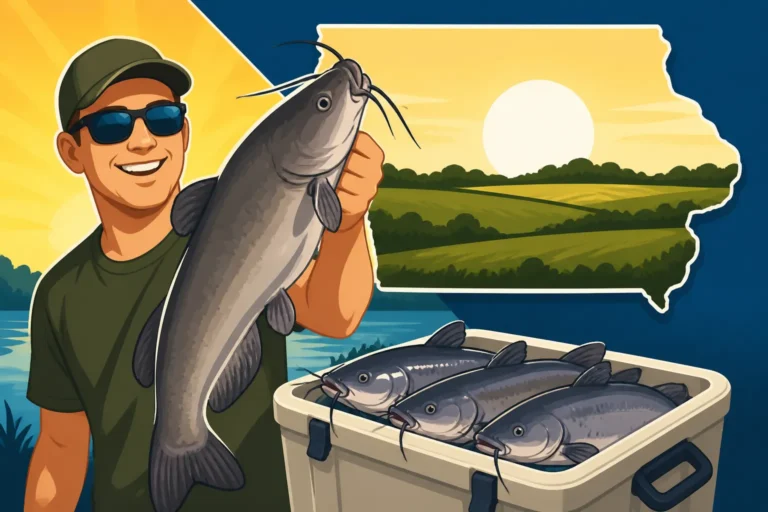
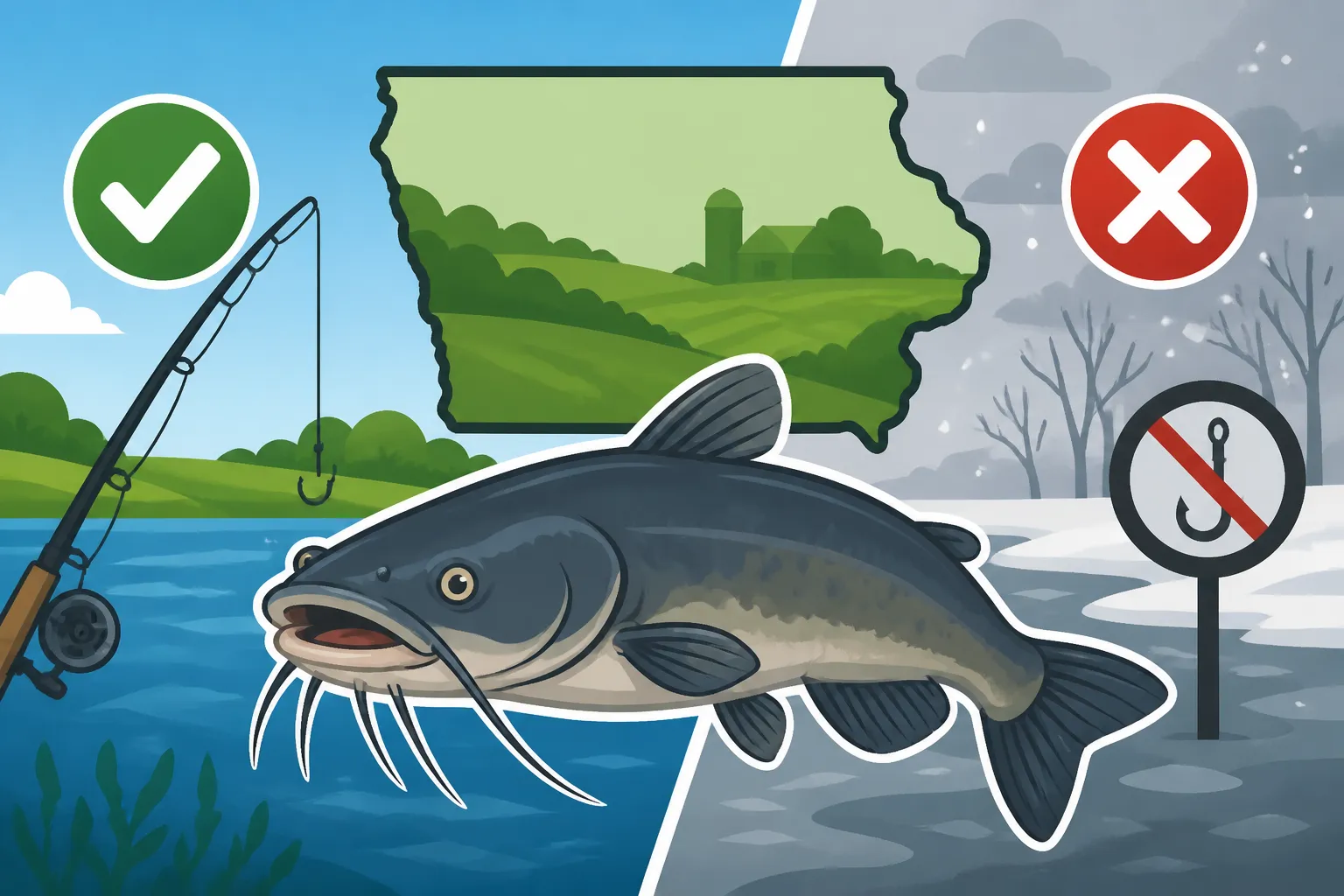
Let's get straight to the point: for the vast majority of Iowa’s waters, there is no closed season for channel catfish or flathead catfish. This is fantastic news for anyone who loves the fight and the flavor of these whiskered warriors. Unlike species such as walleye, which might have specific closed periods to protect spawning populations, or trout, which are managed with stocking schedules and specific stream regulations, catfish are generally open for business all 365 days of the year.
This means you can plan your catfish adventures whether it's the thaw of spring, the heat of summer, the crispness of fall, or even through the ice in winter. This year-round accessibility makes catfish a go-to species for many anglers looking for consistent action and a delicious meal. It’s a testament to the resilience and robust populations of catfish across the state's diverse aquatic ecosystems. The IDNR's management approach allows for continuous harvest, recognizing the widespread appeal of catfish among Iowa's fishing community.
Daily Bag and Possession Limits
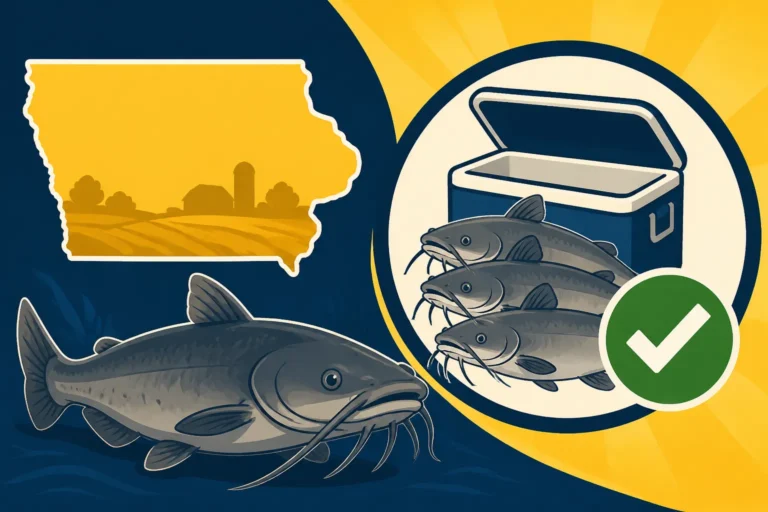
While there might not be a closed season for catfish, that doesn't mean it's a free-for-all. To ensure the long-term health and sustainability of catfish populations, the IDNR implements strict daily bag and possession limits. These limits are crucial for balancing angler enjoyment with conservation efforts. It’s vital for every angler to understand these numbers before heading out. For most general inland waters in Iowa, the daily bag limit for channel catfish is 15, and the possession limit is 30. This means you can keep up to 15 channel catfish in a single day, and you can have no more than 30 in your possession, including those at home in your freezer.
Flathead catfish, being a different species with slightly different population dynamics, have their own set of rules. Generally, the daily bag limit for flathead catfish is 5, and the possession limit is 10. These numbers are carefully determined by fisheries biologists to maintain healthy populations while still allowing for a reasonable harvest. Always make sure to check the latest Iowa Fishing Daily Bag Limits Guide to stay current, as regulations can sometimes see minor adjustments. Understanding these differences is key to being a responsible angler and avoiding unintentional violations.
Specific Waterbody Exceptions or Variances
It's important to remember that while the general rule is "no closed season" for catfish, specific water bodies or border waters can sometimes have unique regulations. These localized rules are typically put in place to address specific ecological needs or to align with reciprocal agreements with neighboring states. For example, the Mississippi River, which forms Iowa's eastern border, operates under reciprocal agreements with Illinois, Wisconsin, and Missouri. This means that if you're fishing on the Mississippi River, the rules might differ slightly depending on where you are and which state's regulations are applicable. You'll want to review the full details on Iowa Fishing Regulations on the Mississippi River Border for comprehensive information.
Similarly, some larger reservoirs or lakes might have specific management plans that could, in rare instances, include modified limits or even temporary closures for certain areas, though these are far less common for catfish than for other species. For instance, you might find nuances regarding the Catfish Limit on Rathbun Lake or the Catfish Limit on Saylorville Reservoir, two of Iowa's premier fishing destinations. Always consult the official Iowa Fishing Regulations booklet or the IDNR website before fishing any specific body of water to ensure you are fully compliant with all current rules. It’s always better to be safe than sorry when it comes to local variations.
Why Iowa's Catfish Season is Unique
The approach Iowa takes to catfish seasons isn't arbitrary; it's rooted in the biological characteristics of the fish themselves and the IDNR's strategic management goals. Understanding these underlying reasons can give you a deeper appreciation for the regulations and the species you're pursuing.
Catfish Resilience and Abundance
One of the primary reasons Iowa can maintain a year-round catfish season is the remarkable resilience and abundance of its primary catfish species, particularly the channel catfish. Channel cats are incredibly adaptable fish, capable of thriving in a wide range of habitats, from murky river channels to clear lake bottoms and even smaller farm ponds. They are prolific breeders, producing large numbers of offspring annually, and their growth rates are generally robust. This natural hardiness means that their populations can sustain consistent fishing pressure without requiring lengthy closed seasons for recovery.
Flathead catfish, while perhaps less numerous than channel cats in some areas, are also quite robust, often occupying deeper, slower moving sections of larger rivers. Their ability to adapt to varying water conditions, coupled with a diverse diet, contributes to their stability. This ecological strength contrasts sharply with more sensitive species like some trout species or even muskie, which often face more specific environmental requirements or slower reproductive cycles, thus necessitating more restrictive seasons to ensure their survival and growth. The sheer number of catfish across Iowa means there's a healthy population to support continuous angling.
Management for Consistent Angler Opportunity
The IDNR's fisheries management strategy for catfish largely focuses on providing consistent recreational opportunities. Catfish are deeply ingrained in Iowa's angling culture, prized for their accessible nature, strong fighting spirit, and delicious table fare. By keeping the season open year-round, the IDNR ensures that anglers have maximum flexibility to pursue them. This approach recognizes the economic and recreational value of catfish fishing, supporting local bait shops, tackle retailers, and tourism.
Maintaining open seasons also helps distribute fishing pressure throughout the year, rather than concentrating it into short, intense windows that might be more disruptive to fish populations and local ecosystems. It's a balance: allowing continuous harvest while relying on daily and possession limits to prevent overfishing. This contrasts with species where spawning aggregations are particularly vulnerable, leading to "catch and release only" periods or complete closures during critical reproductive stages. For catfish, the year-round open season reflects a confidence in the species' ability to maintain healthy numbers under regular angler harvest.
Spawning Habits and Protection
Another factor contributing to the year-round open season for catfish relates to their unique spawning habits. Unlike some fish that gather in highly predictable, shallow, and vulnerable areas to broadcast their eggs, channel catfish and flathead catfish are cavity nesters. This means the male typically prepares a secluded nest site – often in hollow logs, undercut banks, rock crevices, or even old tires and culverts – and guards the eggs and fry once laid by the female. This secretive nesting behavior provides a natural layer of protection for their spawn.
Because they aren't forming large, exposed aggregations in shallow water, they are generally less vulnerable to concentrated fishing pressure during their spawning period, which typically occurs from late spring into early summer when water temperatures are just right. The existing daily bag and possession limits are usually sufficient to manage harvest during this time without needing a complete closure. The IDNR monitors catfish populations regularly, and if there were signs of decline or vulnerability during spawning, they would adjust regulations. But currently, their reproductive strategy allows for continuous angling without significant detriment to future generations.
Practical Implications for Anglers
Knowing that Iowa’s catfish season is open year-round is fantastic, but what does that mean for your actual fishing trips? It opens up a world of possibilities for tactics, gear, and where and when you decide to cast your line.
Year-Round Fishing Strategies
The year-round accessibility of catfish means you can adapt your approach to the seasons. In spring, as water temperatures begin to rise, catfish become increasingly active, moving from their wintering holes into shallower areas to feed heavily before spawning. This is a prime time for targeting them near incoming creeks or river bends with fresh bait. As summer heats up, catfish often become more nocturnal, making Night Fishing Techniques for Catfish incredibly productive, especially for larger flatheads. During the day, they might retreat to deeper holes or shaded areas.
When fall arrives and water temperatures drop, catfish go on another feeding binge, packing on weight for the colder months. They’ll be found in various depths, often moving more frequently throughout the day. And yes, even in winter, you can catch catfish! While the bite slows significantly, channel catfish can still be pulled through the ice from deeper basins in lakes or slow-moving river pools. It’s all about adjusting your presentation and being patient. The key is to understand that their location and feeding aggression will shift with the water temperature and available forage throughout the year, but they are always there to be caught.
Gear and Bait Considerations for Catfish
Given that you can target catfish year-round, your core gear setup will remain fairly consistent, but you'll want to have a versatile tackle box. A medium-heavy to heavy action rod, paired with a reliable spinning or baitcasting reel spooled with 15-30 lb test monofilament or braided line, is a great all-around choice for the various sizes of catfish you might encounter. For serious river anglers chasing trophy flatheads, a sturdy Best Rod Setup for Catfish on the Mississippi River with even heavier line might be in order.
When it comes to bait, catfish are not overly picky, but certain baits perform better in different situations. For channel catfish, classic options like cut bait (shad, bluegill, skipjack), chicken livers, nightcrawlers, and various manufactured stink baits are highly effective. You can find a vast array of options, including pre-made dough baits and specialized attractants, on platforms like Amazon. For flathead catfish, however, live bait – such as small bluegill, sunfish, or large shiners – is almost always the preferred choice. Understanding what to use is crucial; our Catfish Bait Guide for Iowa Anglers delves deeper into these choices. Always keep a variety on hand to experiment with what the fish are biting on any given day.
Accessing Catfish Waters Anytime
With no closed season, you have the freedom to explore Iowa’s incredible network of rivers, lakes, and reservoirs for catfish whenever the mood strikes. The vast Mississippi River is a prime destination, offering huge populations of both channel and flathead catfish in its main channel, backwaters, and tributaries. Moving inland, major rivers like the Des Moines River, Cedar River, and Iowa River are absolutely loaded with catfish. You can find excellent opportunities from large stretches of public bank access, as well as by boat. Check out guides like Des Moines River Catfish Spots for specific locations.
Many of Iowa's larger reservoirs, such as Saylorville, Rathbun, and Coralville, also boast thriving catfish populations, making them excellent choices for boat and shore anglers alike. Even smaller county and city ponds often contain surprisingly good numbers of channel catfish, making for convenient local outings. To pinpoint specific access points, public boat ramps, and shoreline fishing areas across the state, the Iowa Fishing Atlas Access Points is an invaluable resource. Whether you’re fishing from a boat, a kayak, or simply from the bank, Iowa provides abundant year-round opportunities to pursue its popular catfish species.
Iowa Catfish Limits Overview
Here’s a quick overview of the general daily bag and possession limits for catfish in most Iowa waters. Remember that specific water bodies, especially border rivers, may have unique regulations, so always consult the latest IDNR guide.
| Species | Daily Bag Limit (General Waters) | Possession Limit (General Waters) | Notes |
|---|---|---|---|
| Channel Catfish | 15 | 30 | Most common, found statewide. |
| Flathead Catfish | 5 | 10 | Often larger, prefer live bait. |
| Closed Season | None | None | Catfish are open for harvest year-round in most Iowa waters. |
| Border Rivers | Check specific regulations | Check specific regulations | Mississippi, Missouri, and Big Sioux Rivers may have reciprocal rules. |
This table provides a snapshot, but it’s crucial to remember that regulations can change. Always carry a copy of the current Iowa Fishing Regulations or have access to the IDNR website on your phone when fishing.
Disclaimer
Please remember that fishing regulations can change. While this guide aims to provide the most current and accurate information available, it is always the angler's responsibility to check the official Iowa Department of Natural Resources (IDNR) regulations before heading out. Local rules, special waterbody regulations, and temporary changes may apply.