Fishing Saylorville Reservoir in Iowa
Ah, the Saylorville Reservoir – a name that brings a mix of excitement and perhaps a touch of head-scratching to many Iowa anglers. If you've ever stood on its shores, gazing out at the vast expanse of water, you might have felt a bit overwhelmed trying to figure out where to start, what's biting, or how to tackle its often-fickle nature. This guide is all about demystifying Saylorville, helping you navigate its unique challenges and unlock its incredible fishing potential, so you can spend less time guessing and more time reeling in your next trophy catch.
Unveiling Saylorville Reservoir: Iowa's Central Fishing Gem
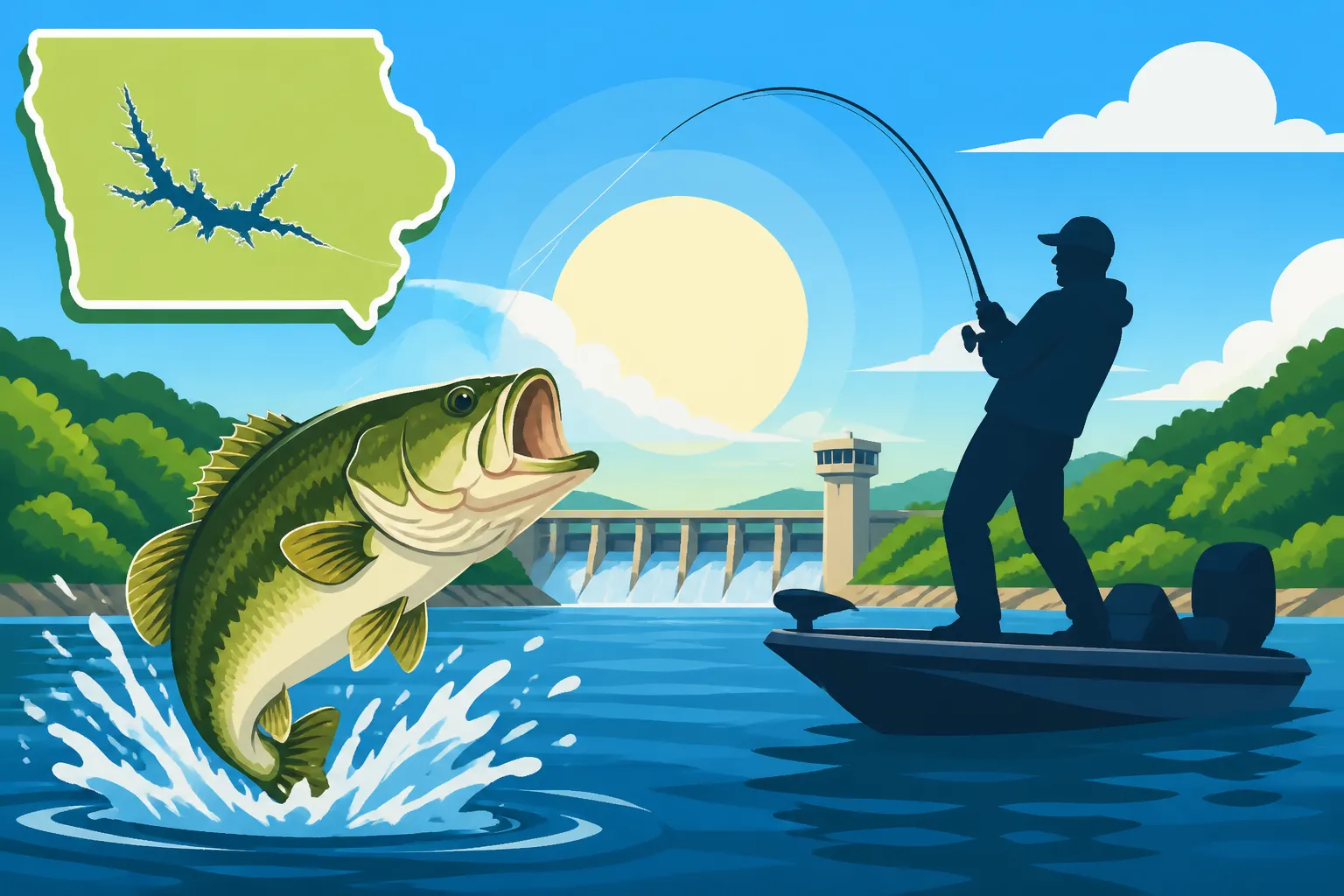
Saylorville Reservoir, located just north of Des Moines, isn't just a body of water; it's a dynamic ecosystem that offers a diverse range of fishing experiences. But to truly appreciate its fishing opportunities, it helps to understand a bit about its origins and how its ever-changing character impacts the fish within. This isn't your average placid lake; Saylorville is a flood control reservoir, and that singular purpose defines much of its personality, both good and, at times, frustrating for anglers.
A Brief History and Purpose
Built by the U.S. Army Corps of Engineers, Saylorville Reservoir was primarily constructed for flood control along the Des Moines River. This means its water levels can fluctuate dramatically throughout the year, especially during periods of heavy rainfall in the spring and early summer. When the Des Moines River swells, Saylorville acts as a giant detention basin, holding back vast quantities of water to protect downstream communities. While this is crucial for flood mitigation, it creates a unique and often challenging environment for fish and the anglers who pursue them. The constant ebb and flow means that shorelines, submerged structures, and even entire fishing spots can appear and disappear, making local knowledge incredibly valuable.
Size, Depth, and General Characteristics
Saylorville Reservoir is a sprawling body of water, covering approximately 5,950 acres at its normal pool elevation. However, during flood events, it can expand to over 16,000 acres, submerging vast tracts of timber, fields, and roads. The reservoir is relatively shallow overall, with an average depth of around 15 feet. The old Des Moines River channel, which snakes through the middle of the reservoir, offers the deepest water, sometimes plunging to 40 feet or more, particularly near the dam. This river channel is a critical highway for fish, especially during times of high current or extreme temperatures. The northern end of the reservoir, closer to the inflow of the Des Moines River, tends to be shallower and more riverine in character, often holding more current and attracting different species or different patterns of the same species. Understanding these subtle differences is key to successful fishing.
Navigating Fluctuating Water Levels
This is perhaps the biggest "gotcha" when fishing Saylorville. Unlike many natural lakes, Saylorville's water levels are regulated, meaning they can rise and fall significantly, sometimes by several feet in a matter of days or even hours. Imagine scouting a perfect weed bed or submerged stump field one week, only to return the next to find it either completely dry or submerged under another ten feet of murky water. It's enough to make even seasoned anglers throw their hands up in frustration! These fluctuations impact everything: fish location, bait presentation, and even boat launch accessibility. High water often disperses fish into newly flooded cover, while falling water can concentrate them along the edges of the main channel or deeper drop-offs. Always check the U.S. Army Corps of Engineers website or local fishing reports for current water levels before you head out. Being adaptable and having a plan B (and C!) is just part of the Saylorville experience.
Target Species: What You'll Find Biting at Saylorville
Saylorville Reservoir is a multi-species angler's paradise, offering a diverse array of fish to pursue. While some days might feel like a struggle, with a bit of persistence and the right approach, you can find phenomenal action. From the sought-after walleye to the hard-fighting catfish and panfish, there's usually something willing to bite, no matter your preference.
The Prized Walleye and Sauger
Walleye are a major draw at Saylorville, and for good reason—they're delicious and challenging to catch! The reservoir is regularly stocked with walleye, and the fertile waters allow them to grow to impressive sizes. You'll often find both walleye and their close cousins, sauger, inhabiting the reservoir, especially along the old river channel. Knowing how to catch Walleye in Iowa can make all the difference here. The spring walleye run is particularly famous, drawing crowds of anglers to the northern reaches of the reservoir and the river above, as fish migrate upstream to spawn. During other times of the year, walleye tend to relate to submerged humps, points, and the edges of the river channel, especially where there's a good current seam.
As water levels change, so too do the walleye's preferred haunts. In higher water, they might spread out into flooded timber or newly submerged points, while lower water concentrates them more tightly along the channel. Tactics range from trolling crankbaits or spinner rigs along contours to jigging vertical presentations over deeper structure. Don't forget to consult the Iowa Walleye Season Opening Day information to ensure you're fishing within legal limits.
Abundant Catfish Action: Channel and Flathead
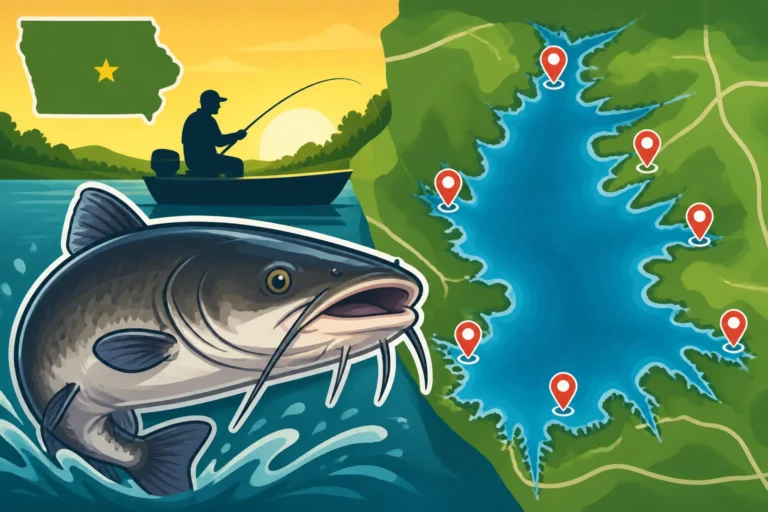
If you're looking for consistent action and a powerful fight, Saylorville's catfish population won't disappoint. Both channel catfish and flathead catfish thrive in these waters. Channel cats are incredibly abundant and can be caught throughout the reservoir, from shallow bays to the main river channel. They're often eager biters, making them a great target for anglers of all skill levels. Flatheads, on the other hand, are the true giants of Saylorville, preferring live bait and often hiding in deep holes or beneath log jams along the main river channel. If you're targeting flatheads, be prepared for a serious tug-of-war!
Many anglers find success targeting catfish from the bank, especially in areas with current or deep water access. The Saylorville Reservoir Catfish Spots guide provides more specific locations. Whether you're using stink baits, cut bait, or live bluegill, Saylorville offers fantastic opportunities to put some tasty catfish on the stringer. The best part? There isn't typically a closed season for catfish, offering year-round opportunities, although specific possession limits apply. You can learn more about how to catch Catfish in Iowa through detailed guides.
Panfish Perfection: Crappie and White Bass (Wipers)
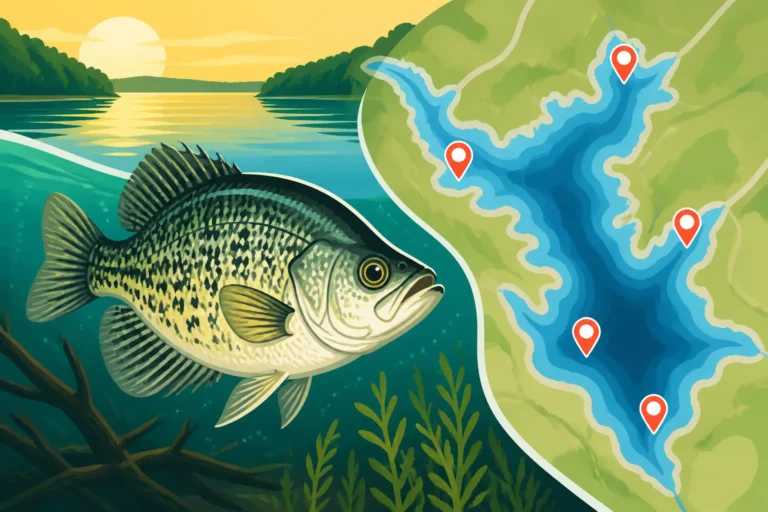
Saylorville is renowned for its excellent crappie fishing, particularly in the spring and fall. Both black and white crappie call the reservoir home, and when you find a school, the action can be fast and furious. Crappie typically relate to submerged timber, brush piles, and bridge pilings, especially during their spawning season when they move into shallower water. Minnows fished under a bobber or small jigs are classic crappie presentations that rarely fail. Be sure to check the Crappie Daily Limit in Iowa before you head out, as limits can vary.
Beyond crappie, Saylorville also boasts a fantastic population of white bass and their hybrid cousins, known as wipers (a cross between a white bass and a striped bass). These fish are incredibly aggressive and provide a thrilling fight on light tackle. They often school in open water, chasing shad, and can create explosive surface bites. Look for them feeding near the dam, in the main lake basin, or in the river sections. Small spoons, inline spinners, or topwater lures can be incredibly effective when the wipers are active. Many anglers enjoy the challenge of finding these roving schools, which can lead to incredible fishing experiences.
Largemouth and Smallmouth Bass Opportunities
While perhaps not as famous for bass as some other Iowa lakes, Saylorville still offers solid opportunities for both largemouth and smallmouth bass. Largemouth bass tend to prefer the shallower, more protected coves and areas with submerged vegetation or timber. As water levels fluctuate, finding stable cover can be a challenge, but when you locate them, they can provide exciting topwater action or a strong fight on jigs and plastics.
Smallmouth bass, often referred to as "bronzebacks," thrive in the more riverine sections and rocky areas of the reservoir. They're particularly fond of current, rock piles, and points along the old river channel. Crankbaits, tubes, and spinnerbaits are popular choices for smallmouth. While not as numerous as in some clearer, rockier rivers, the smallmouth in Saylorville tend to be quality fish that put up an incredible fight. Knowing the nuances of How to Catch Bass in Iowa can help you target these formidable fighters more effectively.
Top Fishing Spots and Access Points on Saylorville
Understanding where to fish on Saylorville can feel like solving a constantly shifting puzzle. Because it's a flood control reservoir, the "best" spots can change with water levels and seasons. However, there are consistent areas that, with a little adaptation, tend to hold fish year after year. From accessible shorelines to expansive boat-friendly waters, Saylorville offers a variety of ways to get your line wet.
Prime Shore Fishing Locations
Even without a boat, you can have a very productive day at Saylorville. Many access points provide excellent shore fishing opportunities, particularly during stable or lower water levels.
- Jester Park Area: This popular park on the west side of the reservoir offers numerous points, coves, and walking trails that provide great shore access. You can find everything from panfish and bass in the shallower areas to catfish and even walleye near deeper drop-offs. The rock riprap along the causeway and points often holds fish, especially during periods of current. It's a fantastic spot for families and beginners due to its amenities and varied fishing opportunities.
- Big Creek State Park/Marina: While Big Creek Lake is a separate entity, the area around the Big Creek inlet into Saylorville can be very productive. This confluence often holds baitfish, attracting predatory species. The marina itself provides access to deeper water and structure, and the riprap around bridges and causeways can be excellent for targeting migrating fish.
- Sandpiper Recreation Area: Located on the east side of the reservoir, Sandpiper offers good shore access, particularly for catfish and rough fish in the slower-moving backwaters. When the water is high, newly flooded areas here can hold a lot of dispersed fish.
- The Dam Area (below the dam): While not technically in the reservoir, the Des Moines River immediately below the Saylorville Dam is a renowned fishing hotspot. The turbulent water and concentrated baitfish create a feeding frenzy for walleye, sauger, catfish, and white bass. Fishing from the bank here can be incredibly productive, especially during the spring and fall runs. Just be mindful of safety and restricted areas near the dam outflow.
- Hawkeye Park (Johnston): This spot provides easy access to the Des Moines River, just below the Saylorville Reservoir structure. It’s a great option for those looking to fish current and target river-specific species like flathead catfish and robust channel cats. Access is relatively easy, making it popular for evening excursions after work.
Productive Boat Launches and Areas
For those with a boat, Saylorville opens up a whole new world of fishing possibilities. Several well-maintained boat ramps offer access to different sections of the reservoir.
- Prairie Flower Recreation Area (East Side): This is one of the most popular and well-equipped boat launches. It provides access to the central part of the reservoir, including the main lake basin and proximity to the old river channel. From here, you can quickly reach deeper humps, submerged timber, and points that hold walleye and crappie.
- Sandpiper Recreation Area (East Side): Offers another good launch, providing access to the eastern arm of the reservoir. This area can be excellent for targeting panfish in flooded timber during high water or for exploring the main lake basin.
- Jester Park Recreation Area (West Side): Another major access point with a good boat ramp. This launch is ideal for exploring the western side of the reservoir, including the large bays and fingers that extend into Jester Park. It’s a good starting point for finding bass and panfish relating to shoreline cover.
- Big Creek Marina (North of Jester Park): While technically on Big Creek Lake, this provides very easy access to the main reservoir for those who want to launch into Big Creek and then enter Saylorville via the main channel. It's especially useful for accessing the upper riverine sections.
Once on the water, consider exploring:
- The Old River Channel: This is the highway for fish in Saylorville. Use your electronics to follow its path, looking for breaks, drop-offs, and anything that stands out from the bottom. Do You Need a Fish Finder to Catch Walleye? Absolutely, it's a game-changer here!
- Submerged Humps and Points: These underwater structures often attract baitfish and, in turn, predatory species like walleye and wipers. Look for them with your fish finder and drift or troll over them.
- Flooded Timber: When water levels are high, vast areas of timber become submerged, creating incredible cover for crappie, bass, and catfish. Navigating these areas requires caution, but the rewards can be significant.
Understanding Structure: River Channels, Humps, and Timber
Saylorville's underwater topography is largely shaped by its history as a river valley. The most crucial structural element is the old Des Moines River channel, which meanders through the reservoir. This channel, with its deeper water and distinct edges, acts as a primary fish highway and refuge. Walleye, sauger, and flathead catfish are frequently found along its breaks and in its deeper holes. Learning to read your electronics to identify the channel and its adjacent shelves is paramount.
Beyond the main channel, you'll find various humps and points that rise from the bottom. These often consist of harder bottom or old roadbeds and can be absolute magnets for feeding fish, especially wipers and walleye, as they ambush baitfish. These are key areas to target with trolling or vertical jigging techniques.
Perhaps the most dynamic structure is the submerged timber and brush piles. During initial impoundment, large areas of forest were flooded, creating extensive cover. Additionally, local conservation groups and the Iowa DNR have added artificial brush piles. These areas are crappie heaven, providing ambush points and protection. For bass, these timbered areas are crucial, particularly when water levels allow access. However, they can be challenging to fish, often leading to snags. Heavy-action rods and stout line are often required to pull fish out of this thick cover.
Understanding these structures and how they change with water levels is fundamental to consistent success on Saylorville. Always be on the lookout for anything that breaks up the uniformity of the bottom—that's where the fish will be.
Seasonal Strategies for Saylorville Reservoir Success
Saylorville Reservoir is a body of water that changes dramatically with the seasons, and so too must your fishing strategies. What works in the spring often won't in the dead of summer, and vice-versa. Being flexible and understanding these seasonal shifts is key to consistent success on this dynamic reservoir. This aligns with a broader Iowa Fishing Seasons Explained philosophy where understanding these cycles is paramount.
Spring Run and Spawning Frenzy
Spring on Saylorville is often synonymous with the walleye run. As ice recedes and water temperatures begin to climb, walleye and sauger migrate upstream into the Des Moines River and the northern reaches of the reservoir to spawn. This is a prime time for shore anglers, who line the banks of the river above Saylorville and the upper reservoir, casting jigs, minnows, or even trolling small crankbaits. The current in these areas concentrates the fish, making them more predictable targets.
Beyond walleye, spring also sees crappie moving into shallower, warmer bays and flooded timber to spawn. Look for them in areas that warm up quickly, especially those with some form of submerged brush or structure. Minnows under a bobber or small jigs are incredibly effective. Bass also become more active, moving to shallower staging areas before their spawn. As the water warms further, say into the 50s and 60s Fahrenheit, the fishing for nearly all species can explode. But be warned: spring also brings the most dramatic water level fluctuations, so constantly check conditions and adapt your plans.
Summer's Heat and Deep Water Tactics
When the Iowa summer sun beats down and water temperatures rise, many fish species will move to deeper, cooler water, or seek out shade and oxygen-rich areas. For walleye, this often means retreating to the main river channel, especially near the dam or deeper humps. Trolling crankbaits or crawler harnesses along the channel edges is a popular and effective technique. Wipers will often school in open water, chasing shad, and can be found by spotting surface activity or using a fish finder to locate bait balls.
Catfish remain active throughout the summer, with flatheads often hunkering down in deep holes and channel cats prowling the edges and shallower flats, especially during low-light hours. Night fishing for catfish can be incredibly productive during the warmer months, as they become more active under the cover of darkness. Crappie might move to deeper brush piles or suspended over the old river channel, requiring more vertical presentations. Look for areas with a good thermocline if the reservoir stratifies, as fish will often suspend just above or within this layer. You'll likely need to use Saylorville Reservoir Crappie Spots tips for deeper water here.
Fall Turnover and Feeding Blitz
Fall can be one of the most exciting times to fish Saylorville. As water temperatures begin to drop, many fish species enter a pre-winter feeding frenzy, bulking up for the colder months ahead. This period often coincides with the "fall turnover," where the lake's water layers mix, redistributing oxygen and nutrients. Fish, which may have been scattered, often become more active and predictable.
Walleye and sauger will move shallower, often feeding aggressively on baitfish. Trolling crankbaits or casting jigs along points and humps can be very effective. White bass and wipers will also continue their aggressive schooling behavior, often creating spectacular surface feeds. Catfish remain a strong target, with flatheads still active and channel cats often hitting cut bait or large prepared baits. Crappie will regroup, often congregating in large schools around prominent structures or brush piles, preparing for winter. The cooler, more stable conditions of fall, combined with the fish's intense feeding drive, can make for some truly memorable outings.
Winter's Chill and Ice Fishing Potential
While Saylorville Reservoir is a large body of water that doesn't always freeze completely or safely across its entire expanse, opportunities for ice fishing do exist in shallower, more protected bays and coves during periods of sustained cold. Safety is paramount when considering ice fishing on such a dynamic body of water; always check ice thickness thoroughly and avoid areas of current, especially near the dam or river inflows.
When safe ice is present, anglers can target crappie, bluegill, and even some walleye and sauger. Small jigs tipped with wax worms or minnows are effective for panfish, while larger spoons or jigging Rapalas can entice walleye. Understanding the specific Ice Fishing in Iowa techniques and safety guidelines is crucial. Due to Saylorville's fluctuating nature and the potential for thin ice over the main channel, it's often more prudent to seek out smaller, more stable bodies of water for ice fishing, but dedicated local anglers do find success when conditions allow.
Essential Gear and Proven Techniques for Saylorville
Getting the right gear and employing effective techniques can significantly boost your success rate on Saylorville Reservoir. This isn't just about having expensive equipment; it's about choosing tools that match the species you're targeting and the unique conditions of this reservoir. From sturdy rods to versatile lures, every piece plays a role in transforming a hopeful outing into a productive one. When considering your overall setup, remember that Saylorville demands a multi-species approach, as outlined in the Iowa Fishing Techniques Guide.
Rods, Reels, and Line for Multi-Species Angling
Given the diverse range of species in Saylorville, a versatile rod and reel setup is often the best approach. You probably won't want to carry a dozen different combos, so aim for flexibility.
- Medium-Heavy Spinning Combo: This is arguably the most versatile setup for Saylorville. A 6'6" to 7' medium-heavy spinning rod paired with a 2500-3000 size reel spooled with 10-15 lb braided line (with a fluorocarbon leader) can handle everything from jigging for walleye and crappie to casting for bass and even fighting smaller catfish. The braid offers sensitivity and strength, while the fluorocarbon leader provides invisibility and abrasion resistance.
- Medium-Heavy Baitcasting Combo: If you're primarily targeting larger bass, muskie, or heavier catfish, a medium-heavy to heavy baitcasting setup (7' to 7'6" rod) with 17-25 lb fluorocarbon or braided line is ideal. This gives you the power to cast larger lures, work heavy cover, and horse bigger fish out of snag-filled areas.
- Light Action Rod for Panfish: For dedicated crappie and bluegill anglers, a lighter action rod (5'6" to 6'6" light or ultralight) with 4-6 lb monofilament or light braid is perfect. This setup maximizes the fight of smaller fish and allows for delicate presentations with tiny jigs and minnows.
When thinking about your line, braided lines excel in Saylorville's often murky waters because of their zero stretch and incredible sensitivity, allowing you to feel subtle bites even in current or deep water. However, a fluorocarbon or monofilament leader is almost always recommended to reduce visibility to fish and provide better abrasion resistance around submerged timber and rocks.
Baits and Lures That Get Bites
Saylorville fish aren't always picky, but having the right offerings can make a huge difference.
- Live Bait: This is often the gold standard, especially for walleye and catfish.
- Minnows: Live minnows, particularly fatheads or shiners, are deadly for walleye, crappie, and white bass. Rigged under a bobber, on a jig head, or on a Lindy rig, they are a consistent producer.
- Nightcrawlers: A classic for a reason! Nightcrawlers on a slip-sinker rig or crawler harness are excellent for walleye, catfish, and even some panfish.
- Bluegill/Shad: For trophy flathead catfish, live bluegill or legal-sized shad are often the best bet. Check Iowa Fishing Regulations Explained for baitfish rules.
- Artificial Lures:
- Jigs: From small 1/16 oz crappie jigs to 3/8 oz walleye jigs, these are incredibly versatile. Tip them with soft plastics, live bait, or scent for added appeal. Jigging spoons can also be effective in deeper water.
- Crankbaits: Trolling or casting crankbaits is a go-to for walleye, sauger, bass, and wipers. Choose colors that mimic local baitfish (shad, perch) or bright, contrasting colors in murky water. Both diving crankbaits for deeper water and shallow-running ones for trolling flats are essential.
- Spinner Rigs/Crawler Harnesses: These are particularly effective for walleye when trolled slowly behind a bottom bouncer. The flash and vibration attract fish, and the live nightcrawler provides an irresistible scent trail.
- Soft Plastics: Grubs, paddle tails, and creature baits rigged on jig heads or Texas-rigged are excellent for bass and often pick up walleye and crappie too. Colors like green pumpkin, black, and white are always reliable.
- Topwater Lures: During low light conditions or when bass and wipers are actively feeding on the surface, topwater poppers, walk-the-dog lures, and frog imitations can provide thrilling strikes.
When fishing Saylorville's often turbid waters, consider using lures with rattles or brighter colors. The water clarity can vary greatly, so having options for both clear and murky conditions is a smart move.
Leveraging Electronics and Trolling Motors
In a reservoir as dynamic and structure-rich as Saylorville, modern electronics are more than just a luxury—they're a vital tool.
- Fish Finders/Sonar: A good fish finder is essential for locating the old river channel, identifying submerged humps and points, and spotting schools of baitfish and predatory species. Down Imaging and Side Imaging technologies can give you a much clearer picture of what's beneath and around your boat, helping you find those hidden brush piles or timber fields that hold crappie and bass. Learning to interpret these displays takes practice but pays off immensely. The Fish Finders and Electronics for Iowa Anglers guide can offer a deeper dive.
- GPS/Mapping: Integrated GPS on your fish finder or a dedicated chart plotter allows you to mark waypoints of productive spots, navigate safely, and understand your position relative to crucial underwater structure. This is especially useful for finding Saylorville Reservoir Catfish Spots or returning to a specific walleye hump.
- Electric Trolling Motor: A bow-mount electric trolling motor, especially one with GPS capabilities like spot-lock (e.g., from brands like Minn Kota or MotorGuide), is a game-changer for Saylorville. Spot-lock allows you to hold your boat precisely over a productive area, even in wind or current, without constantly dropping an anchor. This is invaluable for vertical jigging, working a brush pile, or staying on a school of fish. It also allows for silent propulsion, crucial for sneaking up on wary fish in shallower areas.
Investing in and learning to effectively use these tools will dramatically increase your efficiency and success on Saylorville Reservoir.
Boating Safely and Responsibly on Saylorville Waters
Boating on Saylorville Reservoir is a fantastic way to access its abundant fishing opportunities, but it comes with its own set of challenges and responsibilities. Given the reservoir's primary role in flood control, its conditions can change rapidly, and being prepared is not just good practice, it's essential for safety. Beyond fishing, Saylorville is also popular for pleasure boating, waterskiing, and jet-skiing, especially on weekends, so awareness is key.
Navigation Challenges and Hazards
Saylorville's dynamic nature means its waters can be full of surprises.
- Fluctuating Water Levels: As discussed, water levels can rise and fall significantly. What was open water one day might be a submerged forest the next, or vice-versa. Always be aware of the current water level and how it might impact navigation. Submerged timber, old roadbeds, and even fence lines can become navigational hazards, especially if they are just below the surface during lower water.
- Current: Although it's a reservoir, the Des Moines River flows through it, meaning there can be significant current, particularly in the upper reaches of the reservoir and near the dam outflow. This current can make boat control challenging and impact how fish relate to structure.
- Debris: During periods of high water or after heavy rains, the reservoir can carry a lot of floating debris, including logs, branches, and other hazards. Always keep a watchful eye, especially when running at speed.
- Busy Waterways: On weekends and holidays, Saylorville can get very busy with pleasure boaters. While most are considerate, wakes from larger boats can be a safety issue for smaller fishing craft. Choose your fishing times carefully, especially if you prefer quieter waters. If you're looking for a quieter experience, consider heading out during weekdays or targeting early morning and late evening hours. A quick check on a site like FishingBooker might also show you guided trips that know how to navigate the busier times, offering a safer alternative.
Required Safety Equipment and Best Practices
Safety should always be your top priority when on the water. Following all state and federal boating regulations is non-negotiable.
- Life Jackets: Everyone on board must have an approved life jacket. Children under 13 must wear one at all times when the vessel is underway. Consider wearing an inflatable life jacket yourself; they're comfortable and can save your life. Check the Iowa Boat Registration Requirements for detailed information on safety equipment.
- Visual Distress Signals: Required for boats 16 feet or longer when operating in federal waters. This includes items like flares or a distress flag.
- Sound Producing Devices: A whistle, horn, or other sound-producing device is required to signal intentions or alert others.
- Fire Extinguisher: Required for boats with inboard engines, permanently installed fuel tanks, or enclosed compartments where flammable vapors could accumulate.
- Navigation Lights: Required for operation between sunset and sunrise, and during periods of restricted visibility. Make sure they are working and properly displayed.
- First Aid Kit: Always a good idea to have a well-stocked first aid kit on board for minor injuries.
- Anchor and Sufficient Rope: An anchor is crucial for holding your position in current or wind, and for emergency situations. Ensure you have enough rode (rope/chain) for the depths you'll be fishing.
- Bilge Pump: Essential for removing water from your boat.
- Communication Device: A fully charged cell phone (in a waterproof case) or a VHF marine radio for emergencies.
Best Practices:
- File a Float Plan: Let someone know where you're going and when you expect to return.
- Check the Weather: Always check the marine forecast before heading out and keep an eye on changing conditions while on the water. Thunderstorms can pop up quickly in Iowa, and the open waters of Saylorville can become dangerous.
- Don't Overload Your Boat: Adhere to your boat's maximum weight and passenger capacity.
- Designate an Observer: If you're towing a skier or tuber, you need a designated observer in addition to the operator.
- Stay Sober: Alcohol and boating don't mix. Operating a boat under the influence is illegal and incredibly dangerous.
Public Boat Ramps and Facilities
Saylorville Reservoir offers several well-maintained public boat ramps and facilities, ensuring easy access for boaters.
- Prairie Flower Recreation Area: As mentioned earlier, this is one of the most popular ramps, offering multiple lanes, ample parking, and often restroom facilities. It's centrally located and provides good access to the main lake.
- Jester Park Recreation Area: Another excellent multi-lane ramp on the western side of the reservoir, with similar amenities to Prairie Flower.
- Sandpiper Recreation Area: Provides access to the eastern arm, often a bit less crowded than Prairie Flower but still very functional.
- Big Creek State Park/Marina: While Big Creek Lake is a separate, no-wake lake often favored by smaller boats, its connection to Saylorville provides another access point, particularly for those wishing to spend time in the upper reservoir or river sections.
- Cora Campbell Park: This is more of a river access point below the dam in Des Moines, excellent for launching smaller boats or canoes to fish the Des Moines River.
Most of these ramps are operated by the U.S. Army Corps of Engineers and may require a day-use fee or an annual pass. It's always a good idea to check the specific facility's website for current conditions, operating hours, and any applicable fees before you arrive. This ensures a smooth launch and retrieval, making your fishing trip more enjoyable. Remember, even the Best Boats for Iowa Fishing need a good ramp!
Understanding Iowa's Fishing Regulations for Saylorville
Navigating fishing regulations can sometimes feel like a chore, but it's absolutely crucial for ensuring sustainable fisheries and avoiding hefty fines. Saylorville Reservoir, like all public waters in Iowa, operates under the Iowa Department of Natural Resources (DNR) regulations. These rules are in place to protect fish populations and ensure that everyone has a fair chance to enjoy Iowa fishing for years to come. For a comprehensive overview, you might want to check out the Iowa Fishing Regulations Explained guide.
General License Requirements
The first and most fundamental rule is that almost everyone needs an Iowa fishing license to fish Saylorville Reservoir.
- Who Needs One: Generally, anyone 16 years of age or older must possess a valid Iowa fishing license. This applies to both residents and non-residents.
- Residency: To qualify for a resident license, you must reside in Iowa for 30 consecutive days immediately before applying for a license. Proof of residency is often required.
- Types of Licenses: Iowa offers various licenses, including annual resident, annual non-resident, multi-year, and short-term licenses (like a Iowa One-Day Fishing License or Iowa Three-Day Nonresident Fishing License). There are also specialized licenses, such as the Outdoor Combo Hunting and Fishing License, which many anglers find convenient.
- Where to Buy: Licenses can be purchased online through the Go Outdoors Iowa website, at authorized license retailers (like sporting goods stores or county recorders' offices), or via the Go Outdoors Iowa mobile app.
- Exemptions: There are specific exemptions, such as youth under 16, certain disabled individuals, or during the annual Iowa Free Fishing Weekend Guide. However, it's always best to verify if you qualify for an exemption before fishing without a license. For example, you can learn more about Iowa Fishing License Exemptions to see if your situation applies.
- Penalties: Fishing without a valid license (when one is required) can result in fines and potentially the confiscation of your gear and catch. It's simply not worth the risk.
Always carry your license with you while fishing, either physically or digitally on your phone, as conservation officers conduct regular checks.
Species-Specific Limits and Seasons
Beyond the general license, specific rules apply to different fish species regarding minimum lengths, daily bag limits, and sometimes even closed seasons. These regulations are designed to manage fish populations and ensure that enough fish can reproduce and grow to maturity.
- Walleye/Sauger: Saylorville Reservoir is a major walleye fishery, so specific regulations are always in place. These often include minimum length limits and daily bag limits. For instance, there might be a 15-inch minimum length limit and a daily bag limit of 5 walleye/sauger combined. These can change, so always check the current year's regulations.
- Catfish (Channel, Flathead, Blue): Catfish are abundant in Saylorville. Generally, there are generous daily bag limits, but possession limits can also apply, meaning the total number of fish you can have in your possession (including those at home) is capped. For example, the Channel Catfish Daily Limit in Iowa is typically quite high, reflecting their abundance.
- Crappie/White Bass: Panfish like crappie and white bass often have combined daily bag limits. While there usually isn't a length limit, these limits ensure overharvest doesn't deplete the population.
- Bass (Largemouth, Smallmouth): Bass also have minimum length limits and daily bag limits. These regulations help protect breeding fish and promote the growth of larger, trophy-sized bass.
- Other Species: For less common sport fish or rough fish, regulations may be more lenient, but it's essential to consult the official Iowa fishing regulations booklet for any species you plan to target or keep.
- Conservation Zones: Occasionally, specific areas or lakes might have unique regulations (e.g., "no-wake" zones, special catch-and-release rules). Always look for posted signs at access points, as these can supersede general state regulations.
These limits are subject to change annually, so before each fishing season, pick up a new copy of the Iowa fishing regulations booklet from an authorized retailer or download it from the Iowa DNR website. It's the most reliable source for the most up-to-date information.
Reporting Violations and Conservation
As anglers, we all have a role to play in conservation and protecting our natural resources. If you witness a fishing violation, such as someone exceeding bag limits, fishing without a license, or polluting the waterways, it's important to report it.
- How to Report: The Iowa DNR has a Turn In Poachers (TIP) hotline and online reporting system. You can call 1-800-TIP-FISH (1-800-847-3474) or use their online portal. Your report can be anonymous, and it's essential to provide as much detail as possible (location, time, description of individuals, vehicle information, type of violation).
- Why Report: Reporting violations helps conservation officers enforce regulations, deter illegal activity, and protect fish populations and habitat for future generations. It ensures that everyone is playing by the same rules, which is fundamental to fair and sustainable fishing.
- Practicing Catch and Release: While keeping fish for the dinner table is a cherished part of fishing, practicing selective harvest and catch-and-release, especially for larger breeding-size fish of certain species, is a great way to contribute to conservation. Learn proper handling techniques to minimize stress and injury to released fish.
- Respect the Environment: Always pack out what you pack in, and avoid leaving behind fishing line, bait containers, or any other trash. Do not dump unused bait into the reservoir, as it can introduce invasive species or diseases. Respect private property and public access points.
By understanding and adhering to Iowa's fishing regulations, and by being responsible stewards of the environment, we can all help ensure that Saylorville Reservoir remains a vibrant and productive fishery for years to come.
Making the Most of Your Saylorville Fishing Adventure
Fishing Saylorville Reservoir can be incredibly rewarding, but like any large, dynamic body of water, it often requires a bit of thoughtful planning and adaptability. It's not always about sheer luck; it's about being prepared, understanding the nuances of the water, and sometimes, knowing when to ask for help. A well-planned trip enhances not just your chances of success, but also the overall enjoyment of your time on the water. This involves more than just casting a line; it’s about embracing the whole experience of Best Fishing Spots in Iowa.
Weather Watching and Trip Planning
The weather, as any Iowan knows, can change on a dime, and on a large body of water like Saylorville, this can significantly impact both safety and fishing success.
- Check the Forecast (and Re-check!): Before every trip, check a reliable weather forecast. Pay attention not just to temperature, but also wind speed and direction, potential for thunderstorms, and any approaching fronts. Strong winds can make boating hazardous on Saylorville's open waters and make boat control for fishing nearly impossible. Fronts can dramatically alter fish behavior, often slowing down the bite.
- Monitor Water Levels and Flow Rates: This is paramount for Saylorville. The U.S. Army Corps of Engineers website provides real-time data on water levels and discharge rates for the Des Moines River and Saylorville. Knowing if the water is rising, falling, or stable, and how much current is flowing, will inform your choice of fishing spots, techniques, and even bait. Rapidly rising water can spread fish out, while falling water might concentrate them.
- Plan for Contingencies: Have a backup plan if the weather turns sour. Know where the nearest safe harbor is, or have an alternative shore fishing spot in mind if boating becomes unsafe.
- Pack Smart: Dress in layers, as temperatures can fluctuate throughout the day. Bring rain gear, even if the forecast looks clear. Don't forget essentials like sunscreen, insect repellent, plenty of water, and snacks. A first-aid kit is also a must.
Taking the time to plan and stay informed about conditions will prevent unpleasant surprises and allow you to make the most of your time on the water.
Hiring a Local Guide or Fishing Charter
For anglers new to Saylorville, or those looking to rapidly accelerate their learning curve, hiring a local fishing guide can be an absolute game-changer. It's an investment that often pays dividends in knowledge, experience, and fish in the livewell.
- Local Expertise: A good guide spends countless hours on the water and understands Saylorville's ever-changing moods. They know where the fish are, what they're biting on, and how to adapt to fluctuating water levels and weather conditions. They can literally save you years of trial and error.
- Specialized Equipment: Guides typically have top-of-the-line boats, electronics, and fishing gear tailored to the reservoir. You'll get to use their premium equipment and learn how to operate it effectively.
- Learning Opportunity: A guided trip isn't just about catching fish; it's an educational experience. You can learn specific techniques, how to read your electronics, understand fish behavior, and gain valuable insights into the local fishery. This is particularly useful for complex techniques like Walleye Fishing Techniques for Iowa Lakes.
- Safety and Convenience: Guides handle all the navigation, safety aspects, and often provide all the necessary bait and tackle. You just show up, fish, and enjoy. This can be especially appealing if you're traveling from out of state or don't have your own boat.
- Finding a Guide: You can often find reputable guides through local bait shops, marina offices, or by searching online. Websites like FishingBooker are a great resource for finding and booking experienced local fishing charters and guides specifically for Saylorville Reservoir. They allow you to browse different guides, see their specialties (e.g., walleye, catfish, crappie), read reviews, and compare prices, making the booking process smooth and transparent. Many guides specialize in the Iowa Fishing Techniques Guide that are most effective on Saylorville.
Even if you only do it once, a guided trip can provide the foundational knowledge and confidence you need to tackle Saylorville Reservoir successfully on your own in the future.
Respecting the Environment and Fellow Anglers
Fishing is a privilege, and with it comes the responsibility to protect our natural resources and maintain a respectful atmosphere for everyone enjoying the outdoors.
- Leave No Trace: Pack out everything you pack in. This includes fishing line, bait containers, food wrappers, and any other trash. Litter pollutes the water and can be harmful to wildlife. Consider carrying a small trash bag specifically for your refuse.
- Practice Ethical Angling: Handle fish gently, especially those you plan to release. Use appropriate gear to avoid unnecessarily stressing fish, and consider single, barbless hooks for catch-and-release fishing. Avoid snagging or intentionally harming fish.
- Respect Other Users: Saylorville is a multi-use reservoir. Give other boats, kayaks, paddleboarders, and shore anglers ample space. Don't crowd someone's fishing spot, and be mindful of your wake when passing smaller vessels or areas with shore anglers. Use common courtesy on boat ramps, ensuring you're efficient and not blocking access for others.
- Know and Follow Regulations: As detailed above, adhering to all licensing, bag, and size limits is critical for the health of the fishery. Ignorance of the law is not an excuse.
- Protect Against Invasive Species: Before launching your boat or even wading into a new area, "Clean, Drain, Dry" your boat, trailer, and gear. This prevents the spread of invasive species like zebra mussels or Eurasian watermilfoil, which can devastate native ecosystems.
By being a responsible and considerate angler, you contribute to a positive experience for everyone on Saylorville Reservoir and help ensure that this valuable fishing resource remains healthy and accessible for generations to come.
Disclaimer
The information provided in this guide is for general informational purposes only and is subject to change. Fishing regulations, conditions, and best practices can vary. Always consult the most current Iowa Department of Natural Resources regulations, local weather forecasts, and U.S. Army Corps of Engineers water level reports before planning any fishing trip to Saylorville Reservoir. Fishing involves inherent risks; always prioritize safety on the water.