How to Fish a Spinnerbait for Bass
Trying to cover a lot of water quickly, decipher what the bass want in different conditions, and still present something enticing can feel like a real puzzle for any Iowa angler. That's where the humble spinnerbait shines, offering incredible versatility to help you entice those bucketmouths and smallmouths, whether you're navigating dense cover, open water, or tricky current. This guide will walk you through everything you need to know to fish a spinnerbait for bass effectively, turning frustrating days into successful ones.
Why Spinnerbaits Are a Bass Angler's Best Friend (and Yours Too!)
Spinnerbaits have been a staple in bass fishing tackle boxes for decades, and for good reason. They are incredibly effective at drawing strikes from both aggressive and finicky bass, performing well in a myriad of conditions that might shut down other lures. If you’ve ever wondered what lure to grab when the conditions are uncertain, a spinnerbait is often the answer.
The Unbeatable Versatility of Spinnerbaits
One of the biggest advantages of a spinnerbait is its ability to adapt to almost any fishing scenario you might encounter on Iowa's lakes and rivers. Unlike some lures that are highly specialized, a spinnerbait can be fished fast or slow, shallow or deep, and in clear or murky water. For example, if you're exploring new water and aren't sure where the bass are holding, a spinnerbait allows you to make long casts and cover vast areas quickly, searching for active fish. Imagine you're fishing a sprawling lake like Saylorville Reservoir, needing to probe large flats or the edges of submerged weed beds; a spinnerbait can be an incredible tool for this kind of reconnaissance.
They're also remarkably weedless and snag-resistant, thanks to their single upturned hook and the way the wire arm deflects cover. This makes them ideal for punching through thick vegetation, bumping off submerged timber, or working along rocky shorelines without constantly getting hung up. Picture trying to extract a bass from a gnarly brush pile in a farm pond – a spinnerbait can often get through that mess where a crankbait would be a nightmare. This capability to fish in heavy cover is why many seasoned anglers consider it indispensable, especially when targeting big bass that often lurk deep within structure.
Key Components of an Effective Spinnerbait
Understanding the different parts of a spinnerbait is crucial to knowing how to pick the right one for the job and how it behaves in the water. Each component plays a vital role in its action, vibration, and visual appeal, all of which are designed to mimic a fleeing baitfish or crawfish. Getting familiar with these elements will elevate your spinnerbait game significantly.
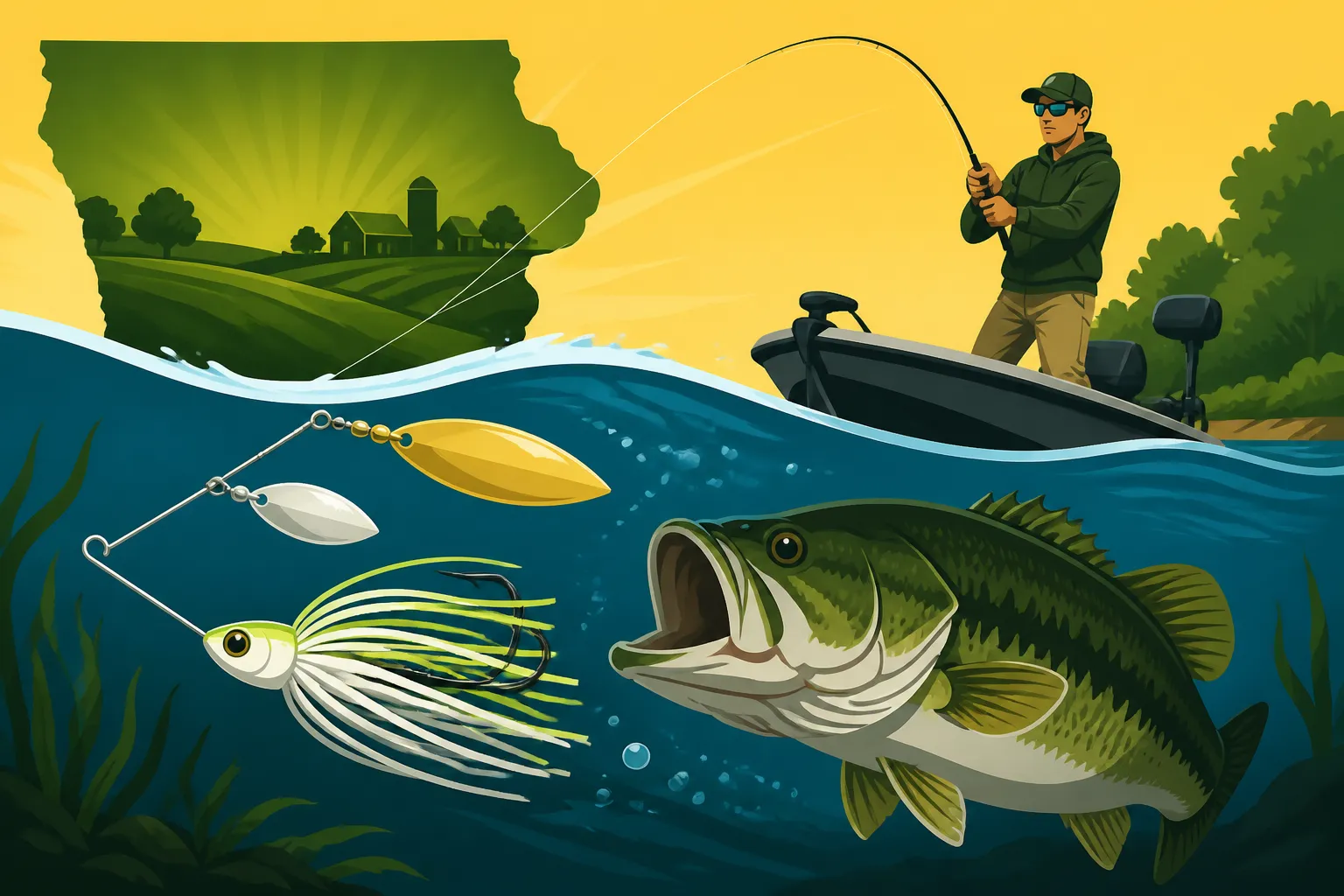
At its core, a spinnerbait consists of a sturdy wire frame. This frame has two arms: one holds the lead head and skirt, and the other holds the blades. The lead head typically has a single, stout hook that's often dressed with a silicone or Mylar skirt. This skirt pulsates and flares in the water, adding lifelike action and bulk to the lure's profile. You'll find a wide variety of skirt colors and patterns, from natural baitfish imitations to vibrant, attention-grabbing hues. The blades are perhaps the most distinctive feature, creating flash and vibration that bass find irresistible. There are several popular blade shapes, each offering a different combination of flash and thump. For instance, the round, cupped Colorado blade creates a strong thumping vibration and a lot of flash, making it excellent for dirty water or low-light conditions. The longer, narrower willow leaf blade provides more flash and less vibration, cutting through the water efficiently and imitating faster baitfish. Indiana blades offer a good middle ground, combining flash and vibration. Often, spinnerbaits come with tandem blade setups, such as a large Colorado leading a smaller willow leaf, to maximize both flash and thumping action, giving the bass plenty to key in on.
Mastering the Retrieve: Techniques for Spinnerbait Success in Iowa
The beauty of a spinnerbait lies not just in its construction, but in the myriad of ways you can retrieve it. Simply casting and reeling can work, but understanding and employing different retrieve styles will drastically increase your success rate, allowing you to adapt to the mood and location of the bass. The goal is always to make the lure look like an easy meal that's either fleeing, wounded, or just passing by.
The Standard Retrieve: Steady and True
The most fundamental way to fish a spinnerbait is with a steady retrieve. After casting your spinnerbait out, let it sink to your desired depth – maybe a foot or two for shallow cover, or deeper if you're working along a drop-off. Then, simply begin a steady, continuous retrieve, keeping your rod tip pointed towards the lure. The blades will spin consistently, creating a constant flash and vibration that can be incredibly effective, especially when bass are actively feeding. This retrieve is fantastic for covering open water quickly, "searching" for active bass along weed lines, or working parallel to bluff walls and rip-rap.
While simple, it's vital to stay focused. Pay close attention to the feel of your line and the rod tip; any sudden change in pressure or a subtle "thump" could indicate a strike. Bass often hit spinnerbaits aggressively, but sometimes they'll just mouth the lure, and you'll only feel a slight resistance. Don't be afraid to experiment with retrieve speed on the standard retrieve; some days, a slow, methodical pace is what they want, while other days, a faster, more erratic retrieve triggers more bites. A good quality baitcasting reel, easily found on Amazon, can make a big difference in maintaining a consistent retrieve and handling those aggressive strikes.
Slow Rolling and Bottom Bouncing
When the water is colder, the bass are deeper, or they're just not chasing fast-moving baits, the slow roll becomes your secret weapon. This technique involves letting your spinnerbait sink all the way to the bottom or just above known submerged structure, then retrieving it very slowly, just fast enough to keep the blades turning. The idea is to keep the lure in the strike zone for an extended period, mimicking a sluggish baitfish or a crawfish crawling along the bottom. This method is particularly deadly when fishing around deep timber, rock piles, or ledges, where bass might be hunkered down and less willing to chase.
Bottom bouncing takes the slow roll a step further, deliberately letting the lead head of the spinnerbait occasionally tick or bounce off the bottom. This kicks up puffs of sediment, simulating a crawfish or baitfish rooting around, which can trigger a reaction strike from curious bass. When employing these techniques, think about fishing during the cooler months on a reservoir like Coralville Reservoir, where bass might hold tight to contour changes or brush piles in deeper water. Keeping constant contact with the bottom or structure is key, so a slightly heavier spinnerbait can be beneficial to maintain that depth and feel.
Waking and Burning: Aggressive Tactics
On the opposite end of the spectrum from slow rolling are the "waking" and "burning" retrieves – aggressive tactics designed to trigger explosive strikes from highly active bass. The "waking" retrieve involves keeping your spinnerbait just under or even on the surface, creating a prominent "wake" as the blades churn. This can be incredibly effective during low-light conditions, early mornings, or late evenings when bass are looking up for an easy meal, mimicking a struggling baitfish near the surface. The visual appeal of that wake can be enough to draw fish from surprising distances.
The "burning" retrieve is exactly what it sounds like: reeling your spinnerbait in as fast as you possibly can, making the blades blur and the lure dart erratically through the water. This rapid retrieve can trigger powerful reaction strikes from aggressive bass, especially in warmer water when they're actively chasing baitfish. It's an excellent technique for covering water quickly and locating highly active fish in areas like the shallow flats of Clear Lake during summer. When a bass decides to hit a spinnerbait on the burn, there's no mistaking it – prepare for a jarring strike! Both waking and burning capitalize on the bass's predatory instincts, often resulting in spectacular topwater or near-surface explosions.
The Stop-and-Go and Yo-Yo Retrieve
Sometimes, bass need a little more convincing than a steady retrieve. That's where the stop-and-go and yo-yo retrieves come into play, adding an erratic, wounded-baitfish action that can be irresistible. For the stop-and-go, simply reel a few cranks, then pause briefly, letting the spinnerbait flutter and fall for a second or two before resuming your retrieve. This sudden change in pace often triggers a reaction strike from bass that might have been following the lure but weren't committing. It mimics a baitfish that's struggling or changing direction, a vulnerable target for a predator.
The yo-yo retrieve is particularly effective when fishing vertical structure or ledges. You cast your spinnerbait out, let it sink to the desired depth (often near the bottom), then quickly lift your rod tip to pull the lure up a few feet, then drop it back down on a semi-slack line. This up-and-down motion is highly suggestive of a dying or disoriented baitfish, especially effective when bass are positioned deep. This technique can be outstanding when probing deeper pockets or along submerged timber, making the lure dance in place, tempting even the most hesitant fish. Don't be afraid to experiment with the length of your pauses or the aggressiveness of your lifts; subtle changes can make all the difference on any given day.
Matching Your Spinnerbait to Iowa's Conditions
The beauty of spinnerbaits isn't just in how you retrieve them, but in how many variations there are. Choosing the right blade style, color, and size for the specific conditions you're facing in Iowa's diverse waters can significantly impact your success. It’s all about presenting the most appealing imitation of what the bass are feeding on, or simply what will get their attention.
Choosing Blade Styles and Colors
Blade choice is paramount for spinnerbait effectiveness. Each style imparts a different vibration and flash profile.
- Colorado Blades: These round, cupped blades produce maximum vibration and a strong thumping action, even at very slow speeds. They also create a lot of lift, keeping your bait higher in the water column. Colorado blades are your go-to in murky or stained water conditions, like after a rain on the Des Moines River, or in low-light situations (dawn, dusk, or heavily overcast days). The strong thumping vibration helps bass locate the lure when visibility is poor, relying on their lateral line.
- Willow Leaf Blades: Long and slender, these blades offer maximum flash and minimal vibration. They cut through the water efficiently, making them ideal for faster retrieves and fishing in clearer water or when trying to imitate fleeing shad. Willow leaf blades are also more weedless, making them a good choice for working through sparse vegetation or around vertical cover. If you're fishing a relatively clear lake like West Okoboji Lake on a sunny day, the flash of a willow leaf can be incredibly enticing.
- Indiana Blades: A hybrid of the Colorado and willow leaf, Indiana blades provide a good balance of flash and vibration. They're a versatile choice when you're not sure which blade style to commit to, or when bass seem to be responding to both visual and vibrational cues. They offer a medium thump and a good amount of flash, making them a solid all-around option.
When it comes to blade colors, a good rule of thumb is:
- Silver or Nickel: Excellent for clear water and bright, sunny days, mimicking shad and other silvery baitfish.
- Gold or Brass: Best for slightly stained to murky water, sunny days, or when targeting bass that might be feeding on golden shiners or sunfish.
- Painted Blades (White, Chartreuse, Orange): Ideal for very dirty water, overcast days, or when you need a high-contrast presentation to stand out. Sometimes, a bright chartreuse blade can trigger an aggressive strike even in clear water if the bass are just looking for something different. You'll find a wide variety of these blade types available on Amazon, allowing you to fine-tune your selection.
Skirt Colors and Trailer Considerations
The skirt of a spinnerbait adds bulk, color, and lifelike pulsating action, giving the lure a more natural profile. Just like with blade colors, your skirt choice should reflect the water clarity and the prevalent baitfish in the area.
- Natural Colors: White, chartreuse, green pumpkin, and combinations of these are popular and effective. White and white/chartreuse are classic baitfish imitations, while green pumpkin or brown/orange skirts can mimic crawfish, especially when slow-rolled. Use these in clearer water or when bass are feeding heavily on specific forage.
- Brighter Colors: Neon chartreuse, bright orange, or even black/blue can be highly effective in stained or muddy water, or during low-light conditions when you need a high-visibility target. Sometimes a bold color can elicit a reaction strike even if it doesn't perfectly match the hatch.
Adding a soft plastic trailer to your spinnerbait's hook can greatly enhance its appeal. Trailers add extra bulk, lengthen the profile, and provide additional action, often sealing the deal for reluctant bass.
- Grubs or Swimbaits: Small paddle-tail grubs or minnow-shaped swimbaits can add a subtle tail kick, mimicking a baitfish's tail. These are great for adding to willow leaf spinnerbaits to enhance the baitfish profile.
- Crawfish Imitations: When slow-rolling or bottom-bouncing, a small crawfish trailer with flapping claws can make your spinnerbait look incredibly realistic to a bass searching for a meal on the bottom.
- Action and Profile: Experiment with different trailer sizes and shapes to see what the bass prefer. A larger trailer can slow down the fall rate of your spinnerbait, allowing it to stay in the strike zone longer. Often, a contrasting color trailer can provide just enough additional flash or visual interest to draw a strike.
When to Use Different Weights and Sizes
The weight and size of your spinnerbait directly impact how it fishes. Generally, heavier spinnerbaits sink faster, cast further, and maintain depth better in current or wind. Lighter spinnerbaits are ideal for shallower water and slower presentations.
- Heavier Baits (3/8 oz to 1 oz+): These are your workhorses for deeper water, strong wind, or situations with current, such as fishing the main channel of the Mississippi River. They help you get down to the bass quickly and stay there, especially when probing deeper ledges or brush piles. Heavier baits also generate more vibration, which can be an advantage in stained water.
- Lighter Baits (1/4 oz to 1/2 oz): Perfect for shallow water applications, like working over submerged grass beds in a calm farm pond, or when you need a slower fall rate. They create a more subtle presentation, which can be key when bass are pressured or finicky. Lighter spinnerbaits are also excellent for waking just under the surface.
- Size and Profile: The overall size of the spinnerbait should generally match the size of the baitfish in the area. If bass are feeding on small shad, a smaller, more compact spinnerbait might be more effective. If they're keying in on larger forage, a bigger spinnerbait with a bulkier skirt and trailer will be more appealing. Having a selection of weights and sizes in your tackle box will ensure you're prepared for whatever Iowa's diverse fishing spots throw at you.
Essential Gear for Spinnerbait Fishing (and a Few Pro Tips)
Having the right gear makes a world of difference when you're throwing spinnerbaits, ensuring you can cast effectively, feel subtle bites, and land those hard-fighting bass. Beyond the tackle, a few pro tips can further stack the odds in your favor.
Rod, Reel, and Line Recommendations
For spinnerbait fishing, you want a setup that offers a balance of casting distance, power, and sensitivity.
- Rod: A medium-heavy to heavy power baitcasting rod, typically between 6'6" and 7'6" in length, is ideal. A fast action tip will give you the sensitivity to feel subtle bites and the backbone to drive the hook home, even through the hard mouth of a big bass. The length helps with casting distance and leverage when fighting fish in cover. For general use, a 7-foot medium-heavy rod is a fantastic all-around choice for many Iowa anglers, allowing you to effectively fish a range of lure weights and sizes.
- Reel: A baitcasting reel with a gear ratio in the 6.3:1 to 7.1:1 range is perfect. This provides a versatile retrieve speed, allowing you to slow-roll when needed or burn the bait when bass are aggressive. Smoothness is key, as you'll be making many casts and retrieves. You can find some excellent, reliable baitcasting reels online, with many anglers frequently searching Amazon for popular brands.
- Line: You'll want a strong, abrasion-resistant line.
- Fluorocarbon (15-20 lb test): Offers low stretch for better sensitivity and hooksets, and it's virtually invisible underwater, which can be a huge advantage in clear water. Its abrasion resistance is also a plus when fishing around timber or rocks.
- Monofilament (17-25 lb test): Provides a bit more stretch, which can be forgiving with aggressive strikes, and it floats, which can be helpful for keeping your spinnerbait just under the surface during a waking retrieve. It's also generally more affordable.
The choice between fluorocarbon and monofilament often comes down to personal preference and specific conditions, but having both options in your arsenal will prepare you for any situation.
Practical Tips for Maximizing Your Bites
Beyond the gear, these nuanced tips can elevate your spinnerbait game from good to great.
- Target Cover Relentlessly: Bass are ambush predators, and spinnerbaits excel at drawing them out of cover. Focus your casts on laydowns, brush piles, submerged stumps, dock pilings, rock piles, and distinct weed lines. Make multiple casts to the same piece of cover from different angles, often triggering a strike that wasn't there on the first pass. This is especially true when you're fishing a spot known for big bass.
- Vary Your Retrieve: Don't get stuck in a rut with one retrieve speed or style. Start with a standard retrieve, but if it's not working, switch it up. Try a stop-and-go, a burn, or a slow roll. Sometimes a subtle twitch of the rod tip or a brief pause is all it takes to trigger a following fish into striking. The bass will tell you what they want if you pay attention!
- Use a Trailer Hook: Spinnerbaits have a single hook, and sometimes bass will short strike, meaning they nip at the tail or blades without getting the main hook in their mouth. Adding a small, sharp trailer hook (often a treble hook or a single-strand wire hook) can dramatically increase your hook-up ratio, especially with finicky fish or when fishing in open water. Just make sure the trailer hook doesn't impede the action of the skirt or blades.
- Keep Hooks Sharp: A sharp hook is paramount for good hooksets. After a few fish or if your lure has bumped off rocks or timber, take a moment to sharpen your hook. A dull hook can lead to lost fish, and nobody wants that.
- Check Your Line: Always inspect the first few feet of your fishing line for nicks or abrasions, particularly after fighting a fish or fishing around heavy cover. Even a small imperfection can lead to a broken line on your next cast or strike. Re-tie your knot regularly, especially if you've been catching fish.
- Consider a Leader (When Appropriate): While not always necessary, in extremely clear water or highly pressured lakes, a fluorocarbon leader tied to your main line (if you're using braided line) can increase stealth without sacrificing strength. This is especially useful in spots known for being tough, like some of the clearest areas of the Iowa Great Lakes.
| Blade Type | Primary Action | Best Conditions | Pros | Cons |
|---|---|---|---|---|
| Colorado | Strong vibration, Thump | Murky/stained water, Low light | High vibration, slow retrieve capable | Less flash, more drag, less weedless |
| Willow Leaf | Maximum flash, Subtle | Clear water, Bright sun, Fast retrieve | High flash, good in weeds, fast action | Less vibration, harder to fish slow |
| Indiana | Balanced flash/vibration | All-around, Versatile | Good blend, decent in most conditions | Not specialized for extreme conditions |
| Tandem | Combo of both | Versatile, Searching, Variable conditions | Combines flash and vibration, good profile | Can be bulkier, more complex |
Disclaimer
This article is for general informational purposes only and does not constitute professional advice. Laws, prices and regulations vary by location and change over time. Consult a qualified professional for guidance on your specific situation.