Best Aerator for Keeping Iowa Bait Shop Minnows Alive
Oh, the age-old struggle of keeping those lively little minnows kicking all day long! We've all been there, haven't we? You leave the bait shop with a bucket full of active bait, full of hope for a great day on the water, only to find them sluggish or even worse, belly-up, by the time you reach your favorite Iowa fishing spot. It's incredibly frustrating and can truly put a damper on your fishing trip. This guide is here to tackle that very problem, helping you understand the best aerators and strategies to keep your bait shop minnows healthy, happy, and irresistible to those hungry Iowa fish.
The Minnow Mortality Challenge: Why Keeping Bait Alive is Tough in Iowa
You buy your minnows, usually brimming with energy, from a local bait shop. They look great in the tank, darting around. But the moment they leave that controlled environment and enter your bait bucket, they start facing a gauntlet of stressors. Iowa's weather can be notoriously unpredictable – a cool morning might turn into a sweltering afternoon, or you might hit a sudden cold front. These temperature swings are incredibly hard on minnows. Couple that with the vibrations and sloshing during transport, and the limited oxygen in a cramped bucket, and you've got a recipe for stressed-out, dying bait. Nobody wants to watch their hard-earned bait go to waste, especially when a lively minnow can make all the difference between a sluggish bite and a full stringer of walleye or channel catfish.
It's not just about temperature either. The water quality in your bucket rapidly deteriorates as minnows excrete waste. This leads to ammonia buildup, which is toxic. Without a constant supply of fresh, oxygenated water, your minnows are essentially suffocating in their own waste. This is where a good aerator becomes an absolute game-changer, transforming your bait bucket from a death trap into a temporary sanctuary, keeping your bait lively and ready to entice fish, whether you're targeting a trophy How Big Walleye Get in Iowa or just some panfish for dinner.
Demystifying Aerator Types for Your Iowa Bait Bucket
When you start looking at aerators, the options can seem a bit overwhelming. But really, they boil down to a few core types, each with its own set of advantages depending on your fishing style and where you plan to use it. Understanding these will help you pick the best one to keep those precious minnows alive and kicking.
Battery-Powered Aerators: The Portable Workhorses
These are perhaps the most common and versatile aerators you'll find, and they're a staple for many Iowa anglers. They typically run on D-cell or C-cell batteries, making them incredibly portable. You just clip them onto the side of your bait bucket, drop the air stone into the water, and you're good to go. They're perfect for bank fishing, wading a stream, or for smaller boats and canoes where you might not have access to a 12-volt power source.
The beauty of these is their simplicity and independence. You don't need to be near an outlet or your boat's battery. However, battery life is always a consideration. Some models might run for 10-20 hours on a set of batteries, while others are less efficient. Always carry spare batteries, especially if you're out for a long day or multiple days. You can find a wide range of these at places like Bass Pro Shops or even a quick search on Amazon will show you countless options. Many offer single-output air lines, but some have dual outputs for extra oxygenation, which can be a real plus if you're carrying a larger quantity of minnows or fishing in warmer conditions. These units are a solid choice for anyone who values mobility and ease of use in their Iowa Fishing Techniques Guide.
USB or Rechargeable Aerators: The Modern Convenience
In our increasingly tech-driven world, it's no surprise that rechargeable aerators are becoming more popular. These units often feature an internal, rechargeable lithium-ion battery, similar to what's in your phone or other portable electronics. You simply charge them via a USB cable, and they're ready for action. Many anglers appreciate these because they don't have to constantly buy and replace disposable batteries, which is both convenient and more environmentally friendly.
Beyond the charging convenience, many rechargeable models are surprisingly quiet. This can be a significant advantage, as a noisy aerator vibrating on your bucket might be a minor distraction to you, but it can be a major stressor for already fragile minnows. They offer a good balance of portability and consistent power, though like all battery-powered units, you'll want to ensure it's fully charged before you head out, and perhaps carry a portable power bank for extended trips. This type of aerator pairs perfectly with a well-insulated Best Bait Bucket for Live Minnows.
12V Powered Aerators: For Serious Boat Anglers
If you're primarily fishing from a boat that has a 12-volt power system (which most fishing boats do), then a 12V powered aerator might be your best bet. These connect directly to your boat's battery or a dedicated 12V outlet. The main advantage here is consistent, powerful airflow without worrying about disposable batteries or recharging. They often have stronger pumps, capable of aerating larger volumes of water, making them ideal for built-in livewells or larger portable bait tanks.
While less portable for bank fishing, for boat-based anglers, these offer reliability that's hard to beat. They ensure your minnows stay vibrant, even through long hours of trolling for walleye or bass fishing in large lakes like Rathbun or Saylorville. Just remember to have good wiring and connections to avoid any power issues while you're out on the water. These are robust options for those who prioritize maximum power and don't need to carry their aerator far from a power source.
Vital Features to Prioritize in Your Minnow Aerator
Choosing the right aerator isn't just about picking a type; it's about looking at the specific features that will make the biggest difference in keeping your minnows healthy through a typical Iowa fishing day. From the strength of the bubbles to how long it'll run, these details truly matter.
Airflow and Oxygenation Capacity: Keep Those Bubbles Coming
This is the absolute core function of an aerator: to get oxygen into the water. A good aerator should produce a steady stream of fine bubbles. Why fine bubbles? Because smaller bubbles have a larger collective surface area, allowing more oxygen to dissolve into the water. If you see big, sparse bubbles, it's likely not as effective.
Consider the volume of water you'll be aerating and the number of minnows you plan to carry. For a standard 5-gallon bait bucket with a dozen minnows, a single-outlet aerator might be perfectly fine. But if you're packing your bucket with a couple dozen minnows for a serious day of How to Catch Walleye in Iowa or How to Catch Catfish in Iowa, or if the water is particularly warm, a dual-outlet aerator or one with a higher GPH (gallons per hour) rating will be far more effective. More oxygen means less stress and more energetic bait, which is critical for convincing those finicky fish to bite.
Battery Life and Power Source: Endurance is Key
Nothing is worse than your aerator dying mid-trip. If you're using a battery-powered model, pay close attention to its advertised battery life. This can vary wildly, so check reviews and consider what type of batteries it uses (D-cell batteries typically last longer than C-cells, for example). Always, always carry spare batteries or ensure your rechargeable unit is fully topped off and you have a backup power bank if needed. Many anglers swear by carrying an extra set of alkaline batteries or a fully charged power bank, especially for an all-day excursion.
For 12V models, ensure your boat's electrical system is in good shape. While these draw consistent power, you still need to be mindful of your boat battery's overall charge, especially if you're running other electronics like a fish finder or trolling motor for Trolling for Crappie in Iowa. The last thing you want is a dead battery when you're miles from the ramp!
Durability and Water Resistance: Built for the Outdoors
Let's face it, fishing gear takes a beating. It gets wet, it gets dropped, it gets jostled. An aerator needs to be built to withstand the rigors of the outdoors. Look for models described as "water-resistant" or "splash-proof." While you're not going to submerge the actual pump unit, splashes from waves or rain are inevitable. A robust housing that can handle a bump or two is also a plus. Many quality aerators, like those you might find at Bass Pro Shops, are designed with anglers in mind, featuring sturdy clips and durable plastic casings. Spending a little extra upfront on a well-built unit can save you the headache and expense of replacing a flimsy one after just a few trips.
Noise Level: Quiet Operation for Happy Minnows (and Anglers)
While often overlooked, the noise an aerator makes can actually impact your minnows. A loud, vibrating aerator adds another layer of stress to your bait. Quieter models are not only more pleasant for you, but they create a calmer environment for the minnows, helping them conserve energy. Many newer rechargeable aerators, often available through retailers like Amazon, boast much quieter operation thanks to advanced pump designs. It's a small detail, but one that contributes to overall bait health and your enjoyment of the quiet moments out on the water.
Optimizing Your Setup for Ultimate Minnow Survival
An aerator is a crucial piece of the puzzle, but it's not the only piece. To truly maximize your minnows' lifespan and keep them in prime condition, you need to think about the whole system. From the bucket itself to how you manage water temperature, every detail contributes to a successful outcome.
Choosing the Right Bait Bucket or Livewell: More Than Just a Container
Your aerator can only do so much if it's paired with an inadequate container. The ideal bait bucket for keeping minnows alive is more than just a five-gallon paint bucket. Look for buckets specifically designed for bait, often insulated to help maintain a stable water temperature. Lighter colors reflect sunlight better than dark ones, which can prevent water from overheating on a sunny Iowa day. Many dedicated bait buckets also feature a removable liner with an aerated mesh bottom, which makes it easy to change water without losing your minnows. A good bucket provides adequate space, reducing crowding, which in turn reduces stress and waste buildup. Combining a quality aerator with a well-designed Best Bait Bucket for Live Minnows is a one-two punch for bait longevity.
Water Temperature Management: The Silent Killer
Temperature shock and sustained high temperatures are major causes of minnow mortality. Minnows are cold-blooded and highly sensitive to sudden changes. Try to keep the water in your bait bucket as close to the temperature of the water they came from at the bait shop, and gradually acclimate them to the lake or river water if there's a significant difference.
On warmer days, use frozen water bottles or gel packs (never let the ice melt directly into the minnow water, as it often contains chlorine or other impurities, and the direct cold can shock them) placed around the inner liner of the bucket or in a separate compartment. Shading your bucket is also critical. Don't leave it in direct sunlight on your boat or on the bank. These simple steps can drastically improve minnow survival, especially when targeting species that bite best in warmer Best Water Temperature for Spring Bass conditions, where bait can quickly suffer.
Water Quality and Changes: Keeping Things Clean
Even with an aerator, waste from minnows will accumulate. Overcrowding your bait bucket is a huge no-no; it leads to rapid oxygen depletion and a quick buildup of ammonia. A good rule of thumb is to allow at least a gallon of water per dozen medium-sized minnows.
Periodically changing a portion of the water in your bucket can work wonders. If you're on a lake or river, scoop out some fresh, clean water from your fishing spot and replace about a third to half of the old water. Avoid using tap water unless you've let it sit out for at least 24 hours to de-chlorinate, or you use a de-chlorinating agent. Be mindful of Rules for Transporting Live Fish, as some regulations might restrict moving water from one body of water to another, though typically this refers to transferring live bait and the water they came in, not necessarily small amounts of water for bucket maintenance. Keeping the water clean and oxygenated will help those minnows stay frisky and attractive to fish.
Placement and Maintenance: Little Things Make a Big Difference
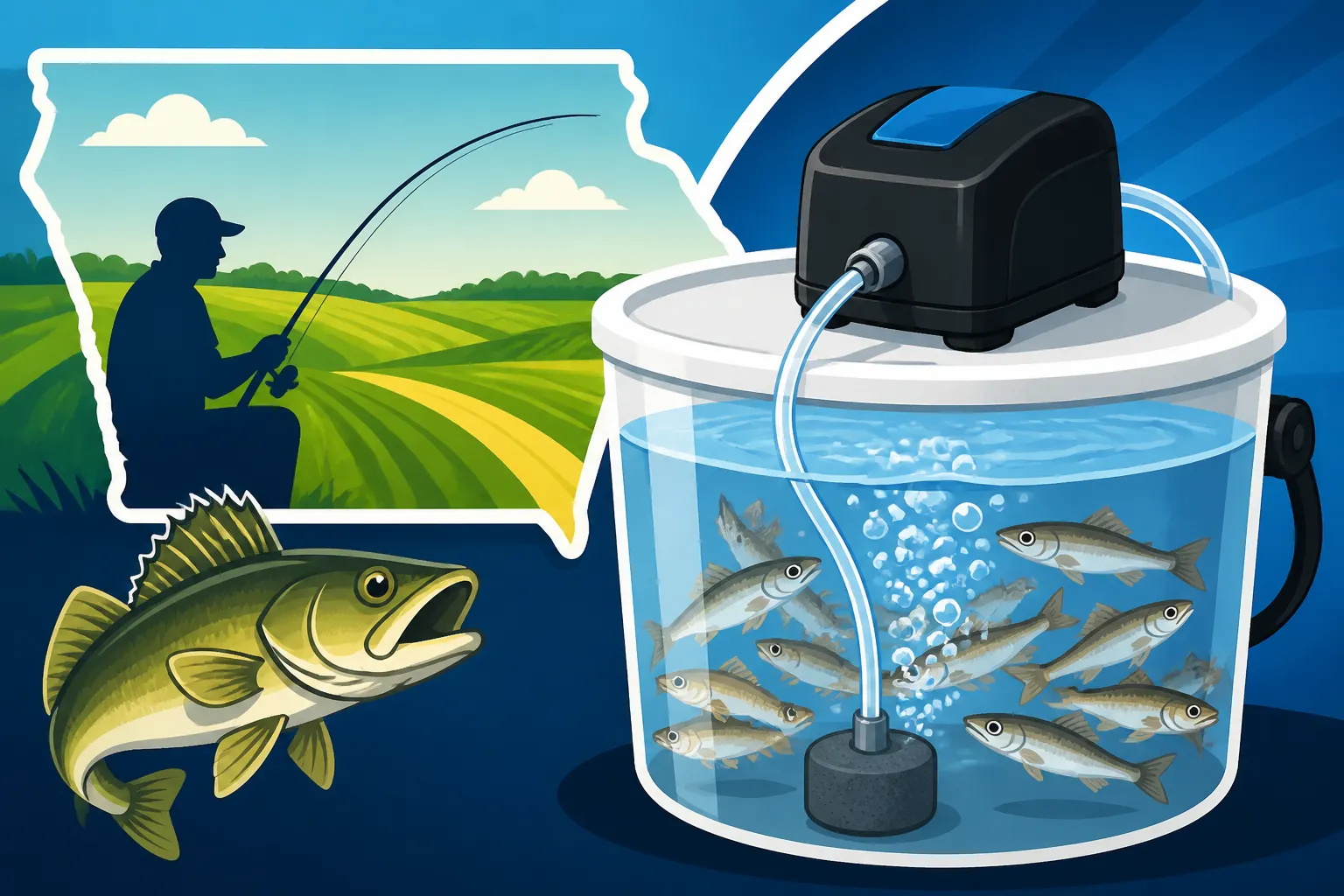
Proper placement of your aerator is straightforward but important. The pump unit itself should always be above the waterline, clipped securely to the rim of your bucket. The air stone, which creates the bubbles, needs to be submerged and sitting near the bottom of the bucket. This allows the bubbles to rise through the maximum column of water, maximizing oxygen transfer.
Regular maintenance for your aerator will ensure it keeps working reliably. Periodically clean the air stone, as it can get clogged with algae or mineral deposits, reducing airflow. A quick scrub with a brush or soaking in a mild vinegar solution can clear it right up. Check the air hose for kinks or cracks, and ensure the battery compartment is clean and free of corrosion. These small checks will prevent frustrating breakdowns when you're miles from the nearest bait shop or tackle store that carries Best Tackle for Iowa Fishing.
By paying attention to these details, you'll find that keeping minnows alive isn't just possible, it's actually quite simple. A good aerator, paired with smart water management and a suitable bucket, will keep your bait lively and your fishing trips more successful in the great fishing waters of Iowa, from the Mississippi River to the small farm ponds.
| Aerator Type | Portability | Power Source | Battery Life (Typical) | Ideal Use Case |
|---|---|---|---|---|
| Battery-Powered | Excellent | D/C-cell Batteries | 10-30+ hours | Bank fishing, small boats, short trips |
| USB/Rechargeable | Excellent | USB, internal batt. | 15-40+ hours | Bank fishing, kayak fishing, silent operation |
| 12V Powered | Good (boat only) | Boat's 12V system | Continuous | Built-in livewells, large boat setups |
Disclaimer
This article is for general informational purposes only and does not constitute professional advice. Laws, prices and regulations vary by location and change over time. Consult a qualified professional for guidance on your specific situation.