Do You Need an Aerator for a Short Fishing Trip?
You've just wrapped up a fantastic morning on the lake, the sun is shining, and you've got a bucket full of lively baitfish or a stringer of panfish that are looking pretty good for the dinner table. But as you head back to shore, a nagging question pops into your head: for a trip that only lasted a few hours, did you really need that noisy aerator? This guide will dive deep into that common dilemma, helping you understand when an aerator is a must-have, when you can probably get by without one, and how to keep your catch and bait healthy on even the quickest Iowa fishing outings.
Understanding Aerators and Their Vital Role
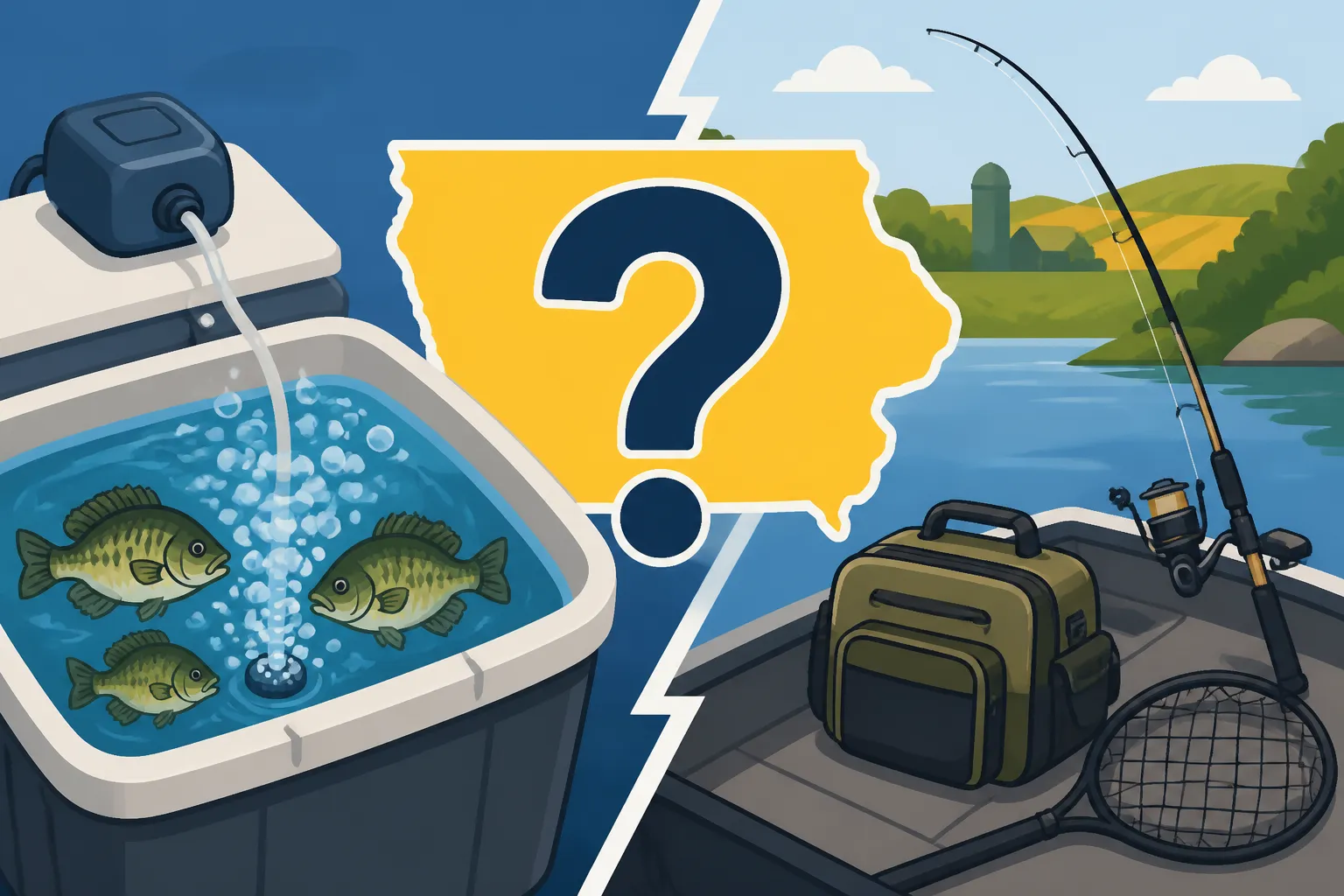
Let's start by demystifying what an aerator actually does and why it's such a staple for many anglers. At its core, an aerator is just a device designed to introduce oxygen into water. Think of it like a little lung for your bait bucket or livewell. Fish, like us, need oxygen to survive. They absorb it through their gills from the water around them. When the oxygen in the water starts to run low, that's when trouble begins.
The misconception often lies in the "short trip" part. Many of us assume that if it's only a couple of hours, the fish or bait will be fine. And sometimes, they are! But there are so many variables at play – water temperature, the number of fish, the size of your container – that can quickly turn a seemingly short, harmless trip into a stressful, even fatal, situation for your aquatic companions.
The Science Behind Fish Survival
Fish are incredibly sensitive to their environment, and dissolved oxygen (DO) is one of the most critical factors for their well-being. When we catch a fish and place it in a bucket, or when we bring a scoop of minnows from the bait shop, we're essentially taking them out of a large, naturally oxygenated ecosystem and putting them into a much smaller, enclosed space.
In their natural habitat, whether it's the vast expanse of Rathbun Lake Fishing or a swift Iowa trout stream, water is constantly moving, flowing, and interacting with the air. This natural movement helps to replenish oxygen levels. In a static bucket, however, the oxygen quickly gets used up by the fish themselves, as well as any bacteria or organic matter in the water. The cooler the water, the more oxygen it can hold, but even then, without replenishment, levels will steadily drop. This drop is why you often see fish gasping at the surface when oxygen is scarce – they're trying desperately to get whatever little oxygen might be available at the water's surface.
When Oxygen Levels Plummet
What happens when dissolved oxygen levels drop too low? It’s not just about fish dying. Long before they float belly-up, fish experience immense stress. This stress can weaken their immune systems, make them more susceptible to disease, and for baitfish, it makes them sluggish and less attractive to the fish you're trying to catch.
Imagine being in a crowded room with barely any fresh air. You'd start to feel tired, sluggish, maybe even get a headache. Fish feel something similar, but with more severe consequences because they can't simply open a window. For an angler hoping to release a healthy fish or keep bait lively, understanding this is key. A fish that's been stressed by low oxygen might swim away upon release, but its chances of long-term survival are significantly reduced. This is particularly important for species that are sensitive, or if you're aiming for catch and release to preserve local populations, like during the Iowa Bass Season Opening Day.
Factors to Consider for Your Short Trip
Alright, so an aerator is good, but is it always necessary for just a short trip? The answer, like most things in fishing, is "it depends." Let's break down the key factors that should influence your decision.
Trip Duration and Water Temperature
While the general definition of a "short trip" might be a couple of hours, the real impact of that time varies wildly with conditions. Two hours on a crisp, cool spring morning, with water temperatures in the 50s, is completely different from two hours on a sweltering August afternoon, when the water in your bucket could easily hit the 80s or even 90s.
Water temperature is arguably the biggest factor. Cooler water holds more dissolved oxygen than warmer water. Period. This is why ice fishing often doesn't require aerators for bait – the water is naturally super-oxygenated and cold. As water temperatures rise, fish metabolisms speed up, meaning they consume oxygen faster. At the same time, the water's ability to hold oxygen decreases. It's a double whammy! So, if your "short trip" is in the peak of summer, even 60-90 minutes can be enough for oxygen levels to plummet to dangerous levels, especially if the container is exposed to direct sunlight.
Species and Quantity
Not all fish are created equal when it comes to oxygen demands. Some species are naturally hardier and can tolerate lower oxygen levels for longer periods, while others are incredibly delicate.
Consider baitfish:
- Minnows: Often quite resilient, but still benefit greatly from aeration, especially if packed densely.
- Shiners: Can be more sensitive than common minnows, especially in warm water.
- Perch or Bluegill for cut bait: If you're using larger live bait or keeping a few panfish for the frying pan, they'll have higher individual oxygen demands than smaller minnows.
When it comes to keeping your catch, species like walleye, bass, and crappie are generally hardier than, say, trout. However, any fish you plan to release needs to be kept in the best possible condition to ensure its survival. If you’ve landed a few nice Channel Catfish Daily Limit in Iowa or a decent-sized bass, even a short stint in a non-aerated, crowded livewell can put them under significant stress. The more fish you have, the faster they'll deplete the available oxygen. A single bluegill might be fine for a couple of hours in a medium bucket, but a dozen of them? That's a different story.
Container Size and Crowding
This one goes hand-in-hand with the quantity of fish. A small, five-gallon bucket with ten minnows will lose oxygen much faster than a large, insulated 20-gallon livewell with the same ten minnows. The ratio of water volume to fish biomass is critical.
A cramped container leads to stress, which in turn leads to faster oxygen consumption and the release of waste products (ammonia, carbon dioxide) that further degrade water quality. It's a vicious cycle. If you're determined to skip the aerator for a very short trip, making sure your container is as large as practically possible and not overcrowding it are crucial steps. You can find robust bait buckets and coolers that double as livewells at stores like Bass Pro Shops or even a quick search on Amazon, which can make a big difference. Many dedicated fishing coolers feature insulated walls, which can help keep water temperatures stable longer.
| Factor | High Risk (Aerator Recommended) | Low Risk (Aerator Less Critical) |
|---|---|---|
| Trip Duration | 2+ hours (especially in warm weather) | Less than 1 hour (cool weather only) |
| Water Temperature | Above 70°F (21°C) | Below 60°F (15°C) |
| Species Sensitivity | Trout, shiners, game fish (walleye, bass) | Bullheads, common minnows, panfish (small quantity) |
| Quantity of Fish | More than a few small baitfish or 1-2 game fish | One or two small baitfish |
| Container Size | Small 1-5 gallon bucket | Large insulated livewell or 10+ gallon container |
| Exposure to Sun | Direct sunlight | Shaded, cool area |
Alternatives to an Aerator for Brief Outings
Sometimes, an aerator isn't an option. Maybe you forgot it, the batteries died, or you're just on a quick, spontaneous trip where packing one felt like overkill. Don't despair! There are still things you can do to maximize the survival chances of your bait or catch for those truly brief outings.
The Ice Method: Keeping Things Cool
One of the most effective ways to help fish survive without an aerator, especially in warmer weather, is to keep the water cool. As we discussed, cooler water holds more oxygen. This is where ice comes in handy.
A common technique is to put a small amount of ice (from a sealed bag or a frozen water bottle) directly into your bait bucket. The key here is slowly adding ice, or using a frozen bottle, to avoid shocking the fish with a sudden temperature change. A rapid drop in temperature can be as harmful as a lack of oxygen. The goal is to gradually lower the water temperature by a few degrees. This slows down the fish's metabolism, reducing their oxygen consumption, and increases the water's capacity to hold oxygen. It’s a simple trick that can buy you valuable time. Just be mindful not to over-cool the water or dilute it excessively with melting ice, which can change the water chemistry. A frozen plastic water bottle works wonders as it cools without diluting. Many anglers swear by this for keeping Best Live Bait for Iowa Walleye lively.
Frequent Water Changes
This is the most labor-intensive method, but it's undoubtedly effective if you're diligent. Regularly changing out a portion of the water in your container with fresh, oxygenated water from the lake or river can make a huge difference.
If you're on a boat, simply scoop out a third to half of the old water and replace it with fresh water from overboard every 15-30 minutes, depending on the conditions and number of fish. If you're fishing from shore, this might mean having a second bucket to collect fresh water, or carefully walking back and forth. The fresh water replenishes oxygen and helps flush out harmful waste products. The downside, of course, is that it requires constant attention and can be a bit of a hassle when you're trying to focus on fishing. It also means you need to be fishing in an area with good quality, clean water.
Larger Containers and Less Crowding
Sometimes the simplest solutions are the best. If you know you're going on a short trip and don't want to mess with an aerator, start with a larger container and resist the urge to over-pack it.
A wider opening allows for more surface area interaction with the air, which contributes to natural oxygen absorption, albeit slowly. A larger volume of water means more dissolved oxygen to begin with, and it takes longer for that oxygen to be depleted. If you usually take a 5-gallon bucket for bait, consider bumping up to a 7-gallon or even a cooler that offers more space. And, as mentioned before, try to minimize the number of fish you're keeping in that space. Fewer fish mean less oxygen consumed and less waste produced. This principle is key whether you're bringing minnows for Best Bait for Channel Catfish or keeping a few panfish for a meal.
Making the Decision: Do You Really Need One?
So, after considering all of this, should you grab that aerator for your next short Iowa fishing trip? The goal here isn't to scare you into always using one, but to empower you to make an informed decision based on your specific situation.
Scenarios Where an Aerator is Highly Recommended
Let's be real: there are times when an aerator is non-negotiable, even for what seems like a "short" trip.
- Warm Weather Fishing: If you're fishing when the air and water temperatures are high (say, 70°F and above), an aerator becomes incredibly important. The warmer water holds less oxygen, and fish metabolisms are higher, meaning they consume oxygen faster. A couple of hours in a warm bucket can quickly turn deadly.
- Sensitive Species: If you're trying to keep live shiners, game fish (like walleye or bass), or any species known to be delicate, an aerator significantly increases their chances of survival, whether you're keeping them as bait or planning catch-and-release.
- Crowded Conditions: If your bait bucket or livewell is going to hold more than a few fish, or if they're particularly large, an aerator is crucial to prevent rapid oxygen depletion and stress.
- Longer-than-planned "Short" Trips: We've all been there. A "quick hour" turns into three because the bite is hot, or you get chatting with a fellow angler. An aerator provides peace of mind for those unforeseen extensions.
- Transportation of Fish: If you're moving live bait or fish a significant distance, even if it's just from the bait shop to your fishing spot or from the lake back home, an aerator is almost always a good idea. The jostling and increased stress of transport make oxygen crucial. Consider how much effort goes into How to Keep Minnows Alive Longer – aeration is a big part of that.
For these situations, a small, portable, battery-powered aerator can be a lifesaver. You can often find reliable, affordable options at outdoor retailers like Bass Pro Shops or even a simple search on Amazon will bring up many choices.
When You Can Probably Skip It
There are indeed times when you can likely get away without an aerator, especially if you're prepared.
- Very Cold Water Conditions: During the cooler months, like early spring, late fall, or certainly if you're Ice Fishing in Iowa, the water itself is highly oxygenated, and fish metabolisms are slower. A truly short trip (under an hour) might be fine without an aerator.
- Minimal Fish/Bait: If you're only carrying a handful of minnows for a quick outing, or just one or two smaller panfish, and your container is generously sized, they might manage for a brief period.
- Extremely Short, Controlled Trips: If you're literally only going to be on the water for 30-45 minutes, and the conditions are cool, and you're not overcrowding, you might be okay. But this is the tightest margin.
- Active Water Changes: If you're committed to frequently refreshing the water with fresh lake water every 15-20 minutes, you can effectively mimic the benefits of aeration.
Practical Tips for Both Scenarios
Regardless of whether you choose to use an aerator or not, here are some universal tips to keep your fish and bait as healthy as possible:
- Use a Clean Container: Always start with a thoroughly cleaned bucket or livewell. Residues from old bait, chemicals, or soap can be toxic to fish.
- Avoid Direct Sunlight: Keep your bait bucket or livewell in the shade as much as possible to prevent water temperature from rising quickly.
- Insulated Containers: If you're serious about keeping fish or bait alive, invest in an insulated bait bucket or cooler. These maintain stable temperatures much better than a standard plastic bucket. Many fishing gear guides, like our Iowa Fishing Gear Guide, highlight the importance of good quality containers.
- Don't Overcrowd: This cannot be stressed enough. Give your fish plenty of space.
- Handle Fish Gently: When transferring fish, minimize handling. Use a soft net, and get them into fresh water quickly.
- Monitor Your Fish: Pay attention to how your fish are behaving. If they start gasping at the surface, are sluggish, or losing color, it's a clear sign that oxygen levels are too low, and you need to take immediate action, whether that's adding ice, changing water, or turning on an aerator.
Ultimately, for a "short fishing trip," the need for an aerator isn't a simple yes or no. It's a nuanced decision based on current conditions, the type and quantity of fish you're holding, and how much effort you're willing to put into manual alternatives. When in doubt, especially if you care about the well-being of your bait or catch, that little aerator can be a very wise companion to bring along.
Disclaimer
This article is for general informational purposes only and does not constitute professional advice. Laws, prices and regulations vary by location and change over time. Consult a qualified professional for guidance on your specific situation.