Best Water Temperature for Spring Bass
One of the biggest head-scratchers for us Iowa bass anglers in the spring is figuring out where the fish are hiding and, more importantly, why. It often feels like you're casting into an empty lake, especially when the weather decides to tease us with a warm day followed by a sudden cold snap. But believe me, once you crack the code of water temperature, you'll unlock a whole new level of understanding about spring bass behavior, and this guide is here to help you do exactly that.
Understanding Spring Bass Behavior and Water Temperature
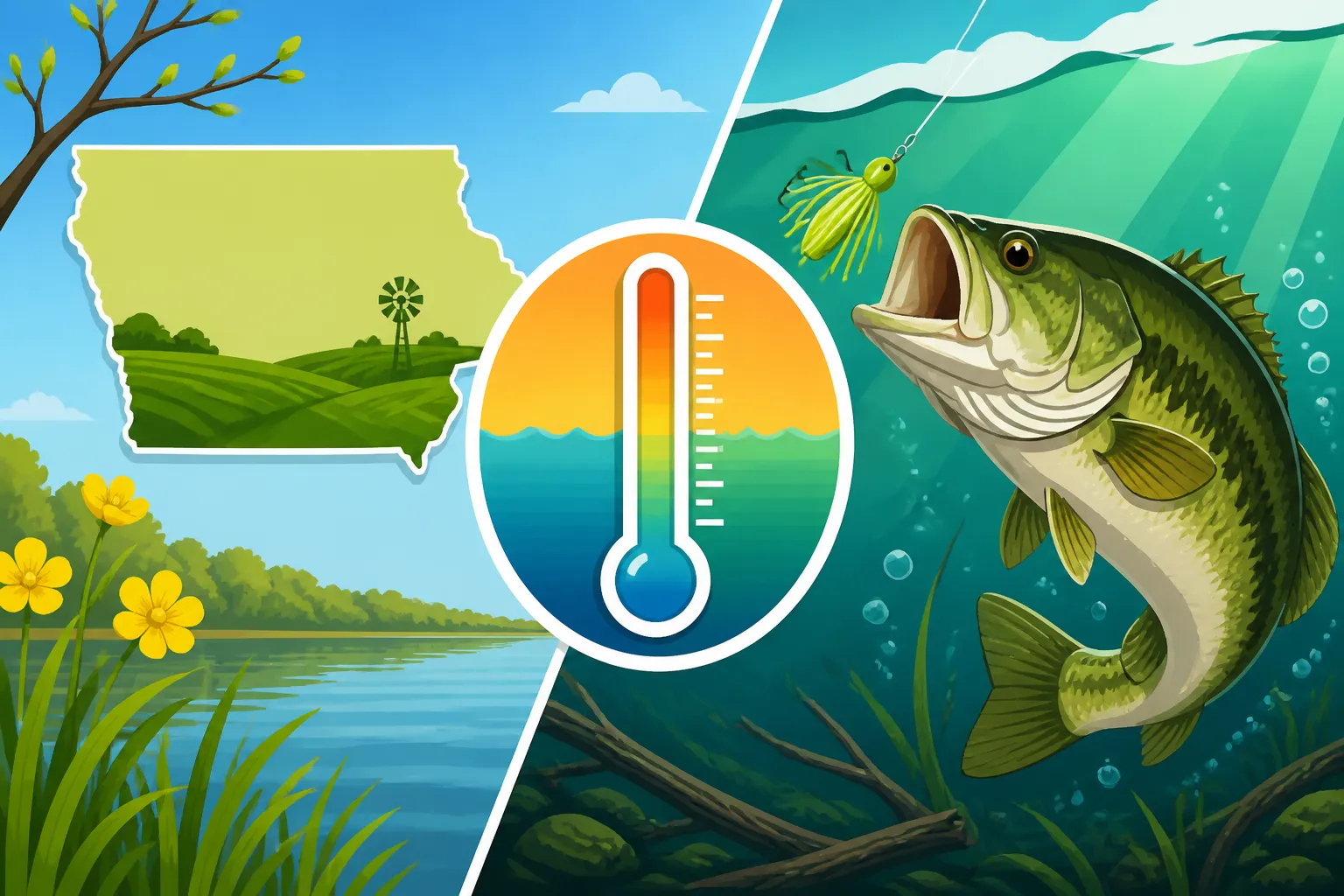
Spring in Iowa is a beautiful but temperamental season. One day the sun is shining, the next you're dodging snowflakes. For bass, these fluctuating conditions are everything, dictating their metabolism, their feeding patterns, and ultimately, where they'll be found. It’s all about the water temperature, and knowing the key ranges can dramatically improve your chances of success.
The Thaw and Early Spring Bass (40-50°F)
When the ice finally gives way on our beloved Iowa lakes and reservoirs, like Clear Lake or Rathbun Lake, the water is still incredibly cold. In this 40-50°F range, bass are pretty sluggish. Think of it like waking up from a long winter nap; they're not exactly in a hurry to run a marathon. Their metabolism is slow, and they're holding tight to whatever cover offers warmth and security. You won't find them chasing fast-moving baits across open water. Instead, they're often tucked into the deepest, darkest corners of the lake, sometimes still in their wintering holes.
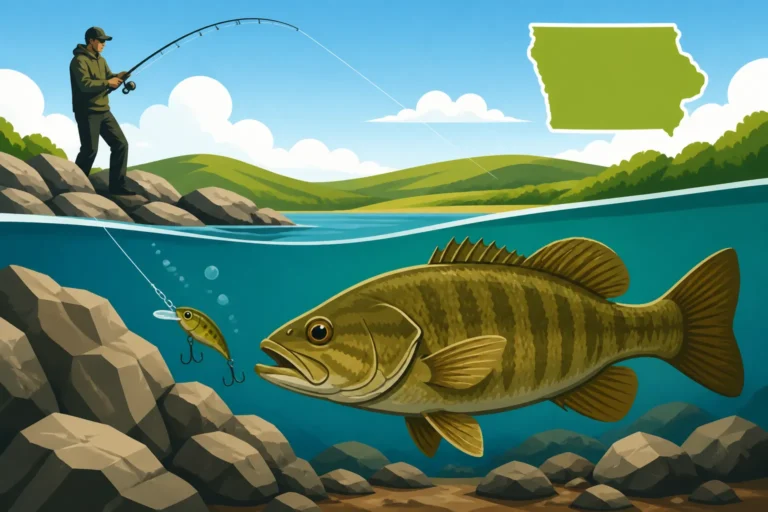
This is a time for patience and precision. These fish aren't actively foraging over wide areas. Instead, they’re looking for an easy meal that practically falls into their lap. Targeting deep points, channel swings, and areas with access to deeper water near potential spawning grounds is a good bet. Even a slight increase in temperature in these deeper zones can make a huge difference. Largemouth Bass Fishing in Iowa during this early stage requires a finesse approach, slowing down your retrieve to match their languid pace.
Pre-Spawn Aggression and Migration (50-60°F)
Ah, the magical pre-spawn phase! Once the water creeps into the 50-60°F range, things start to get exciting. This is when bass begin to shed their winter lethargy and really start thinking about one thing: food. They need to pack on calories for the upcoming spawn, so they become much more active and aggressive. This temperature window triggers a significant migration from their deeper wintering areas towards shallower staging grounds.
You'll find them moving into coves, along main lake points, and near submerged structure like brush piles or rock formations. They're not on the beds yet, but they're scouting out the perfect spots. This is often the best time to catch some of the biggest bass of the year in Iowa. They’re hungry, they’re active, and they’re willing to chase down a meal. Think about the protected bays of Saylorville Reservoir or the abundant cover in farm ponds; these areas will warm up faster than the main lake, becoming prime staging zones. Understanding these Pre-Spawn Bass Patterns in Iowa is key to a successful spring outing.
The Spawning Sweet Spot (60-70°F)
This is what all the previous stages lead up to: the spawn. For many Iowa anglers, hitting this window is the ultimate goal, not just for the challenge, but to witness bass in their most fundamental act.
Nesting and Reproduction
When the water temperature consistently hits that 60-70°F sweet spot, bass are all in on spawning. They'll move onto shallow flats, often in protected coves or along shorelines with hard bottom, to fan out their nests, also known as "beds." You can often spot these circular, cleared-out depressions on sandy or gravelly bottoms in clear water. The male bass guards the nest, fanning the eggs to keep them clean and protecting them from predators. During this time, they become incredibly territorial and protective.
Fishing for bedding bass can be controversial, as it directly impacts reproduction. However, if you choose to target them, a precise cast and presentation are crucial. A subtle soft plastic bait dropped directly into the bed will often trigger a defensive strike rather than a feeding one. Lakes like those in the Iowa Great Lakes region, where water clarity can be excellent, are prime spots to observe this behavior. It’s important to be aware of Bass Season and Size Limits which are set to help protect these fish during their most vulnerable times.
Post-Spawn Recovery and Summer Transition (70°F+)
Once the eggs have hatched and the fry have dispersed, the bass enter their post-spawn phase. The water temperature is now generally above 70°F and climbing, pushing them out of the super-shallow spawning areas. Both male and female bass are exhausted from the spawning process and need time to recover. Immediately after the spawn, the bite can slow down considerably, as fish are lethargic and not actively feeding.
However, as they recover, they'll start to transition towards their summer patterns. This often means moving to slightly deeper water, seeking out submerged vegetation, timber, or drop-offs, especially those near deeper water access. They'll begin to feed again, but perhaps not with the same aggressive abandon as the pre-spawn period. This is when you might start seeing them relate more to deeper structure or shade. It's a bridge period, leading into the Best Time of Day to Catch Bass in Summer which often involves early morning or late evening bites.
Practical Tips for Measuring and Using Water Temperature
Knowing the ideal temperature ranges is one thing, but actually putting that knowledge to use on the water is another. You need to be able to accurately measure the water temperature and understand how to interpret those readings.
Tools and Techniques for Anglers
Having a reliable way to check water temperature is non-negotiable for spring bass fishing. There are a few key tools you can use:
- Handheld Water Thermometers: These are simple, effective, and relatively inexpensive. Many models are available, and you can easily find a good quality one on online retailers like Amazon. Just drop it in the water, let it sit for a minute or two, and you've got a reading. This is great for checking surface temperatures in shallow areas, or you can attach one to a weight to check deeper depths if you're patient.
- Fish Finders and Sonar Units: Most modern fish finders, especially those with advanced sonar capabilities, come equipped with a water temperature sensor built into the transducer. This gives you a continuous, real-time reading of the water temperature right where your transducer is located. High-end units can even show you temperature changes as you move across the lake, allowing you to pinpoint subtle gradients. While a full guide on How to Read a Fish Finder for Walleye is focused on a different species, the basic principles of identifying structure and temperature gradients apply to bass fishing too. You can also find a wide range of these devices, from basic models to advanced charting systems, on Amazon.
It's important to remember that water temperature can vary widely across a lake. Shallow, dark-bottomed coves will warm up much faster than deep, open water. The sunny side of a lake will be warmer than the shady side. Wind can also play a huge role, pushing warmer surface water into certain areas or mixing it with colder water.
Locating Temperature-Driven Hotspots
Once you're armed with your thermometer or fish finder, it's time to become a temperature detective. Bass will always seek out their preferred temperature range, and even a difference of a couple of degrees can concentrate them in a specific area.
Look for areas that naturally warm up faster. North-facing banks in Iowa lakes receive more direct sunlight earlier in the spring, making them prime candidates. Protected coves and pockets, especially those with dark, muddy bottoms, absorb heat more efficiently and hold it longer. These spots might be a few degrees warmer than the main lake, acting like a magnet for early spring bass. Conversely, after a cold front, these same protected areas can offer a buffer from rapidly dropping temperatures. Pay close attention to features like standing timber, rock piles, or old roadbeds in these areas; these are natural magnets for bass as they relate to structure. Even a small increase in water temperature near these structures can make all the difference.
Adjusting Your Approach Based on Spring Water Temperature
Now that we know the temperatures and where bass like to be, let's talk about how to actually catch them. Your lure choice, presentation, and even your casting angles will change dramatically as the water warms up. This is where the art of bass fishing really comes into play.
Lure and Presentation Choices for Each Phase
Matching your bait and retrieve to the bass's activity level is absolutely critical.
- Cold Water (40-50°F): Bass are sluggish and not going to chase anything fast. Think subtle and slow. Jigs with a small plastic trailer, jigging spoons, or even a slow-rolled spinnerbait can work. The key is to keep it moving just enough to entice a bite, often bouncing it along the bottom. Consider a suspending jerkbait that you can twitch and pause for extended periods, almost letting it hang lifelessly in their strike zone.
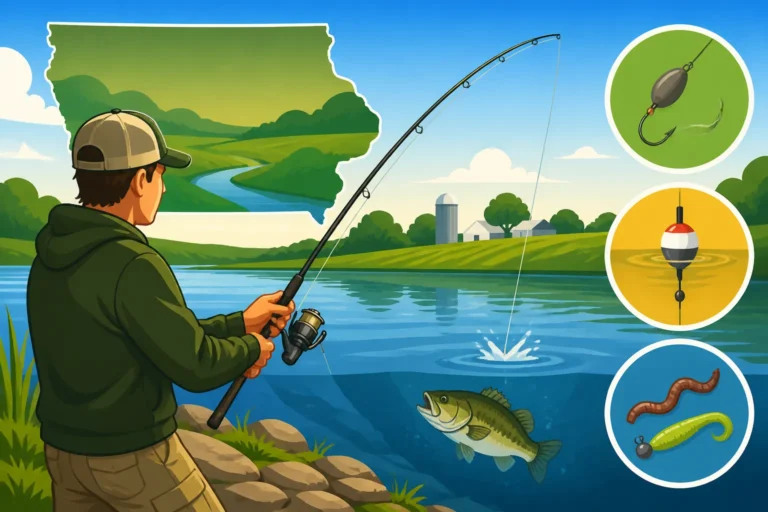
- Pre-Spawn (50-60°F): This is when bass are aggressive and feeding heavily. You can start to speed things up! Crankbaits that mimic baitfish, spinnerbaits with larger blades, chatterbaits, and lipless crankbaits are excellent choices. They're willing to chase, so cover water and experiment with different retrieve speeds. Plastics like Texas-rigged worms or creature baits can be punched into cover where bass are staging. This aggressive feeding period is a fantastic time to use some of the techniques described in Iowa Fishing Techniques Guide.
- Spawning (60-70°F): When bass are on the beds, they're more territorial than hungry. Soft plastics in natural colors, like a lizard, creature bait, or a simple stick worm, presented right on the bed, are often the ticket. The goal isn't to make them eat, but to annoy them into striking. You want to make it look like a predator is threatening their eggs.
- Post-Spawn (70°F+): Bass are recovering but will still feed. Topwater baits can become effective in low light, especially if they've moved to submerged grass beds. Texas-rigged or Carolina-rigged worms, shaky heads, and smaller crankbaits can also produce as they transition to summer patterns and seek out deeper structure.
Key Locations to Target
Knowing where to cast is just as important as what to cast.
- Early Spring (40-50°F): Focus on deep water access. Main lake points that drop off quickly into deeper channels, the mouths of major creeks, and steep break lines are key. Also, look for any type of hard cover like rock piles or timber that might hold residual warmth. Think about areas that offer a quick retreat to deep water if a cold front hits.
- Pre-Spawn (50-60°F): Bass will move up shallower, but still need proximity to deeper water. Concentrate on points that lead into spawning coves, secondary points within larger bays, transition areas from deep to shallow, and prominent structure like brush piles or submerged roadbeds. These are their "staging areas" where they hang out before hitting the beds. Look at fishing maps for Best Fishing Spots in Iowa and identify these transition zones.
- Spawning (60-70°F): This is all about the super shallow. Protected coves, shallow flats, backs of bays, and shorelines with hard bottoms (sand, gravel, small rocks) are prime. Look for areas out of the main current and away from strong winds, especially on the north or west banks that get more sun exposure.
- Post-Spawn (70°F+): Bass will often move slightly deeper, but still relate to cover. Focus on the first available cover outside of spawning areas: weed lines, submerged timber, deeper ends of points, or even shade lines cast by docks or trees. They're usually not far from the spawning grounds, just a bit deeper to recover and find cooler, more comfortable water. If you're fishing Bass Fishing Tips for Iowa Farm Ponds, this could mean the deeper middle section or the area around the dam.
Fishing for spring bass in Iowa is a dynamic experience. The fish are constantly on the move, driven largely by the ever-changing water temperature. By understanding these temperature ranges, knowing what tools to use, and adapting your tactics, you'll be well on your way to more successful and enjoyable days on the water.
Disclaimer
This article is for general informational purposes only and does not constitute professional advice. Laws, prices and regulations vary by location and change over time. Consult a qualified professional for guidance on your specific situation.