Difference Between a Crappie and a Perch
It's incredibly common for anglers, especially those just starting out or visiting Iowa's diverse waters, to get a little mixed up when pulling in some of our most popular panfish. Crappie and perch, while both fantastic catches, have distinct characteristics that can be tricky to differentiate at a glance. This guide will walk you through everything you need to know to confidently tell the difference between a crappie and a perch, ensuring you understand their unique traits, preferred habitats, and even how to best catch and enjoy them here in Iowa.
Unpacking the Crappie vs. Perch Conundrum
When you're out on an Iowa lake or river, and you feel that tell-tale tap on your line, you might instantly hope for a crappie or a perch. Both are delicious, popular panfish, but they are far from identical. The confusion often stems from their similar size and the fact that they often inhabit the same general areas. However, paying close attention to a few key physical features, their behavior, and even where you typically find them can clear up any doubts. It's not just about bragging rights; correctly identifying your catch is also crucial for adhering to Iowa Fishing Regulations Explained regarding daily limits and size restrictions, which can vary by species and location.
The Visual Clues: Spotting the Differences
The most straightforward way to differentiate between a crappie and a perch is by examining their physical appearance. Think of it like distinguishing between two different breeds of dog – they're both canines, but their specific features set them apart.
Body Shape and Fins
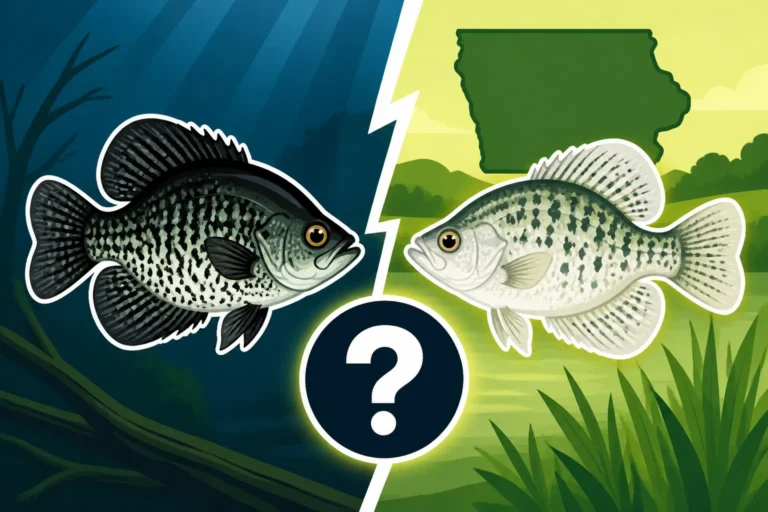
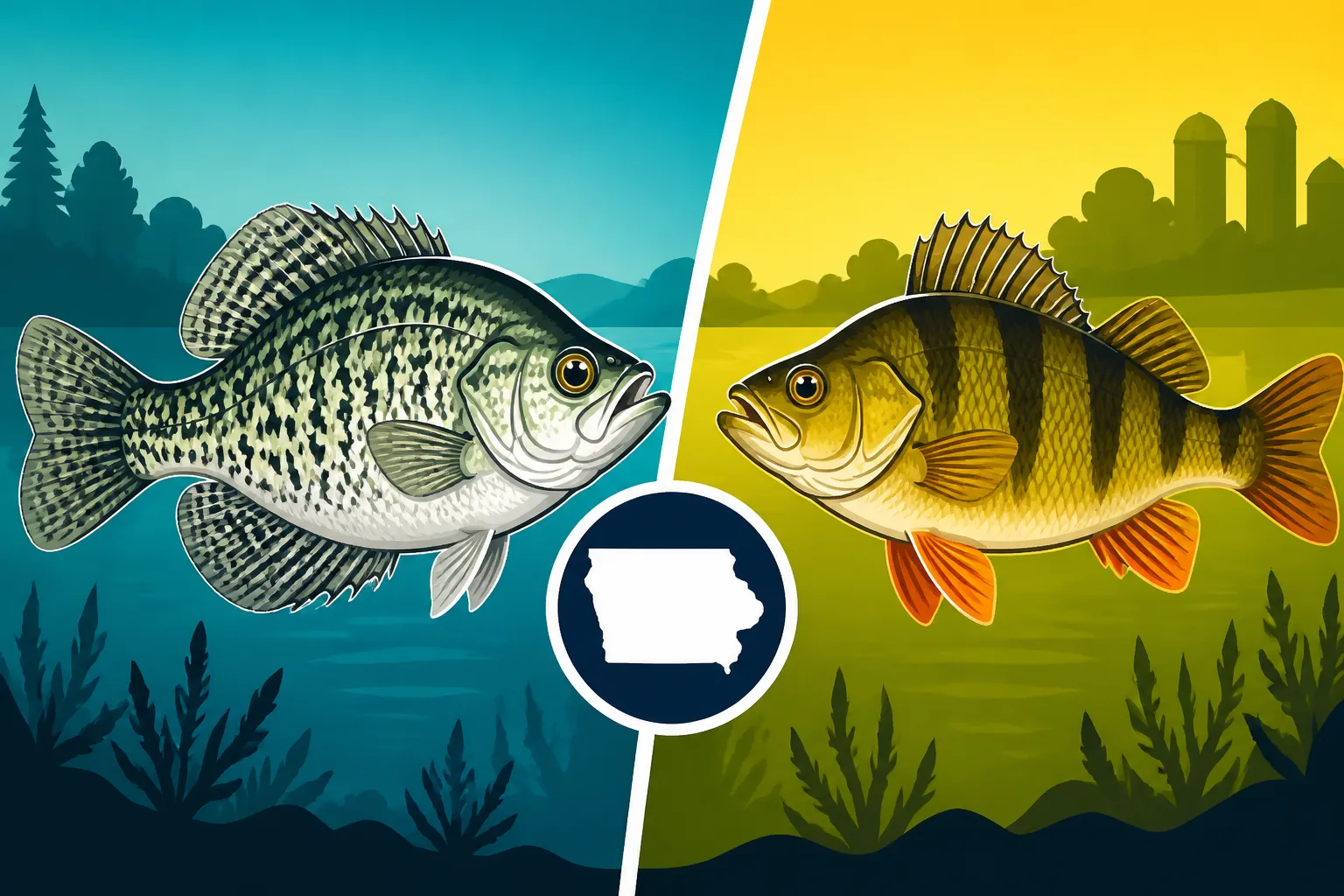
Crappie, whether black or white, generally have a more compressed, disc-like body shape. Imagine a coin or a frisbee – they're wider than they are tall, almost round when viewed from the side. Their dorsal and anal fins are quite prominent and mirror each other in shape and size, giving them a very distinctive profile. When you look at a crappie, you'll notice a smooth, almost elegant curve from their head to their tail. They tend to be silvery with darker speckles or bars. For a deeper dive, check out Crappie Species Found in Iowa.
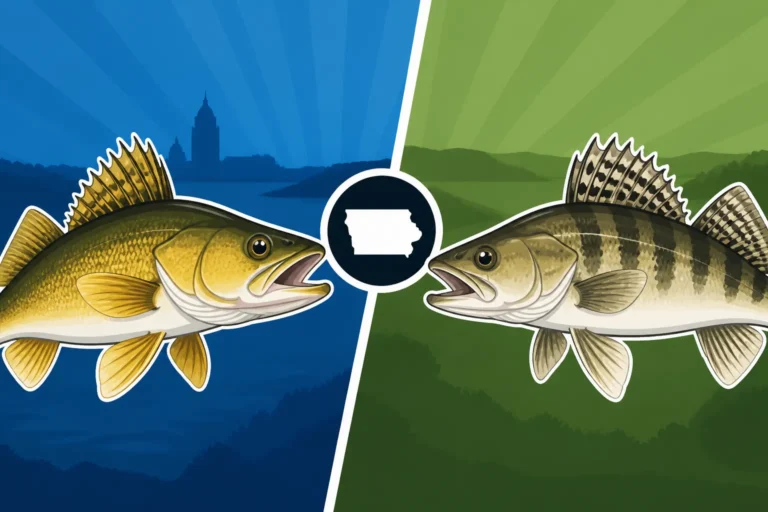
Perch, on the other hand, particularly the common yellow perch found across Iowa, have a more elongated, torpedo-like body. They're much more streamlined and cylindrical than a crappie. Their most striking feature is usually the two distinct dorsal fins on their back. The first dorsal fin is typically spiny and stands erect, while the second is softer-rayed and set further back. They often boast a vibrant golden-yellow hue, often with several dark, vertical bars running down their sides. These bars are a dead giveaway for a yellow perch. If you're out on the Iowa Great Lakes, you'll be seeing a lot of these distinctive beauties.
Mouth and Gill Plate Features
Now, let's get a bit closer and look at their faces. These details are often overlooked but are very telling. A crappie's mouth is relatively large, extending back almost to the middle of its eye. This larger mouth is a clue to its feeding habits, which we'll touch on later. Their gill plate, the bony flap covering their gills, comes to a soft, rounded point. You won't find any sharp edges there.
A perch, especially the yellow perch, has a much smaller, more terminal mouth that doesn't extend nearly as far back towards its eye. It's more suited for picking smaller prey. Their gill plate is another key identifier: it often features a sharp, distinct spine or serration on the rear edge. This can be quite sharp, so always handle perch with care, especially if you're not used to them. This small but significant difference can save you a poke if you're reaching into the livewell without looking.
Where They Live and How They Behave
Beyond their looks, crappie and perch have different preferred hangouts and habits. Understanding these can greatly improve your chances of catching your target species and give you a better appreciation for Iowa's aquatic ecosystems. Knowing where to look for them can be just as important as knowing what bait to use.
Preferred Habitats in Iowa Waters
Crappie are masters of structure. In Iowa, you'll often find them lurking around submerged brush piles, fallen trees, dock pilings, bridge abutments, and even weed beds. They love cover and often hang out in deeper pockets of water near these structures, especially during the day. Lakes and reservoirs like Rathbun Lake Fishing in Iowa and Saylorville Reservoir Fishing in Iowa are renowned for their crappie populations, where anglers often target them around standing timber or artificial fish attractors. They prefer clear to moderately murky water and are often found in areas with slower currents or no current at all.
Perch, on the other hand, are a bit more versatile but also have their favorites. While they can be found in many of the same lakes as crappie, they often prefer cooler, shallower waters, especially during the spring and fall. They'll also relate to structure, but you're more likely to find them cruising open flats, along the edges of weed lines, or over rocky bottoms. The Iowa Great Lakes, including Clear Lake, are absolute hotspots for yellow perch. They tend to be found in slightly clearer water than crappie, often favoring harder bottom compositions.
Schooling Habits and Feeding Patterns
Crappie are notorious schoolers. When you find one crappie, you often find a whole school. They tend to suspend in open water or near structure in tight-knit groups, often at a specific depth. Their diet primarily consists of smaller baitfish, insects, and crustaceans. Their larger mouths are perfectly adapted for gulping down these smaller prey items. This schooling behavior makes them a blast to catch, as you can often fill a stringer once you locate a productive area. They are ambush predators, waiting for prey to come to them from within or near cover.
Perch also school, but their schools can sometimes be more spread out or more nomadic, constantly moving as they forage. They are voracious eaters, preying on insect larvae, small crustaceans, snails, and even the eggs of other fish. Their smaller, more forward-facing mouth is perfect for picking these items off the bottom or from vegetation. Perch are often seen actively foraging, rather than passively waiting for prey. This can mean a more active approach when you're targeting them, as they might be moving in and out of an area quickly. On many of Iowa's lakes, especially the larger ones, perch can be found feeding along expansive weed edges, making them a great target for those drifting or slowly trolling.
Angling for Crappie vs. Perch
Because of their different preferences and behaviors, the best ways to catch crappie and perch often diverge. While there's some overlap, having a species-specific strategy can significantly boost your success on the water.
Baits, Lures, and Techniques for Crappie
When it comes to crappie fishing in Iowa, finesse is often key. Their soft bite means you need sensitive gear to detect a strike. Small jigs, typically 1/32 to 1/8 ounce, tipped with tiny plastic grubs, tubes, or live minnows are incredibly effective. Colors like chartreuse, white, and black are perennial favorites. You can also use small crankbaits or spinnerbaits. Crappie Jig Fishing Techniques often involve vertical jigging over structure or slow-trolling these baits to cover more water. A slip bobber setup, allowing you to present bait at a precise depth, is another classic for crappie.
Consider using a lightweight spinning rod with a fast action tip, paired with light monofilament or fluorocarbon line (4-6 lb test). Crappie often respond well to slow presentations, so don't be afraid to take your time. When you find a brush pile holding fish, try multiple casts from different angles or adjust your boat's position to work the entire area. Many anglers find success using fish finders, which you can find a wide selection of on Amazon, to locate those submerged structures and suspended schools of crappie. Just remember to check the Crappie Daily Limit in Iowa before you start filling your cooler!
Baits, Lures, and Techniques for Perch
Perch fishing in Iowa is often about presentation and sometimes sheer numbers. Like crappie, they have relatively small mouths, so small baits and lures are essential. Worms (especially pieces of nightcrawlers), small minnows, or waxworms are excellent live bait choices. For artificials, tiny spoons, jigs, and small blade baits work wonders. Best Lures for Panfish would certainly include many of these options. Jigging through the ice is particularly popular for perch in winter, and you can often find a good Best Ice Fishing Rod Length for this on Amazon, along with plenty of other ice fishing gear.
Perch often bite aggressively, but they can also be subtle. They're often found closer to the bottom, especially in deeper lakes, so a bottom-bouncing rig or a small jig fished vertically can be very effective. Many anglers use two or three hooks on a spreader rig to increase their chances of catching multiple fish from a school. When you catch one perch, stay put! There are usually more where that came from. It's a fantastic fish to target for consistent action, especially on those cold winter days or during the spring and fall.
Why It Matters: Beyond Identification
Knowing the difference between a crappie and a perch isn't just about showing off your fish identification skills. It has practical implications, from how you approach your fishing trip to what you do with your catch afterward.
Taste and Culinary Preparation
Ah, the taste test! Both crappie and perch are highly regarded table fare, but they do have subtle differences in their meat. Crappie typically have a very mild, sweet, white, flaky meat. Many consider them among the best-eating freshwater fish. They're excellent pan-fried, deep-fried, or baked. Their delicate flavor means they don't need a lot of heavy seasoning to shine. The fillets are usually thinner and more delicate than perch.
Perch, especially the yellow perch, also offer delicious, firm, white, flaky meat. Their flavor is often described as slightly richer and sometimes a bit sweeter than crappie. Many anglers swear by perch, especially those caught from cold, clean waters. They hold up well to various cooking methods, including pan-frying and broiling. The fillets tend to be thicker and meatier than crappie, making them a satisfying meal. Ultimately, both are fantastic, and choosing between them is a matter of personal preference, but you won't be disappointed with either. For more on preparing your catch, you might be interested in our guide on the Best Eating Fish in Iowa.
Understanding Regulations and Limits
This is where correct identification becomes truly important. Iowa has specific regulations for different fish species, including daily bag limits and length limits. For example, the Crappie Daily Limit in Iowa might be different from the combined panfish limit that perch sometimes fall under. These regulations are in place to ensure sustainable fishing and healthy fish populations for everyone to enjoy. Exceeding a limit, even accidentally, can lead to fines or other penalties.
Imagine you're out on the water, having a fantastic day, and your cooler is filling up. If you're not sure whether you've got crappie or perch, you might inadvertently violate a regulation. It's always best practice to identify your fish as soon as you catch it and keep a mental tally of what you've kept. The Iowa Department of Natural Resources (DNR) publishes a fishing regulations booklet each year, which is an invaluable resource. You can often find a digital version online, or pick up a physical copy at bait shops or license vendors. Being informed is part of being a responsible angler.
| Feature | Crappie (Black & White) | Yellow Perch |
|---|---|---|
| Body Shape | Deep, compressed, disc-like | Elongated, cylindrical, torpedo-like |
| Dorsal Fins | One large, continuous dorsal fin | Two distinct dorsal fins (spiny & soft-rayed) |
| Mouth Size | Large, extends back to middle of eye | Smaller, doesn't extend past front of eye |
| Gill Plate | Rounded, no sharp spine | Often has a sharp spine on rear edge |
| Coloration | Silvery, mottled with dark speckles/bars | Golden-yellow with distinct vertical bars |
| Preferred Habitat | Submerged brush, timber, docks, weed edges (deeper) | Weed lines, rocky bottoms, open flats (shallower) |
| Typical Diet | Small baitfish, insects, crustaceans | Insect larvae, crustaceans, snails, fish eggs |
| Common Baits | Small jigs, plastic grubs, minnows, tiny crankbaits | Worms, minnows, waxworms, small spoons, jigs |
| Taste | Very mild, sweet, white, flaky meat | Slightly richer, sweet, firm, white, flaky meat |
Knowing these distinctions will undoubtedly make you a more confident and knowledgeable angler on Iowa's waters. So, the next time you're out there, take a moment to really look at your catch. It’s part of the fun and challenge of fishing!
Disclaimer
This article is for general informational purposes only and does not constitute professional advice. Laws, prices and regulations vary by location and change over time. Consult a qualified professional for guidance on your specific situation.