Best Ice Fishing Rod Length
You're standing on the ice, feeling that chill wind bite, and you've got your line down, but something just feels off. Maybe you're struggling to land a feisty walleye, or perhaps your panfish bites feel muted and hard to detect. Often, the culprit isn't your bait or your spot, but the length of your ice fishing rod. This guide is going to dive deep into understanding how rod length impacts your ice fishing experience here in Iowa, helping you choose the perfect stick for every scenario and fish you're chasing.
Why Your Ice Fishing Rod Length Is a Bigger Deal Than You Think
When you're out on open water, rod length is important, sure, but you have a lot more room to maneuver. On the ice, you're dealing with a tiny hole, often in a cramped shanty, and a fish that's fighting in a vertical column. This makes every inch of your rod length a critical factor in your success and enjoyment. It's not just about what feels comfortable; it's about leverage, sensitivity, and how effectively you can work your lure and fight a fish.
Navigating Tight Spaces and Small Holes
One of the most immediate impacts of rod length in ice fishing is simply how well you can move around. If you're fishing in a small ice shanty, especially with others, a longer rod can quickly become a nuisance. You might find yourself constantly bumping the ceiling, walls, or even your fellow anglers. Imagine trying to set the hook on a fast-biting crappie with a rod that’s too long, only to slam it into the roof of your shelter. It’s not only frustrating but can lead to lost fish or even broken rods.
Then there are the holes themselves. Most ice anglers drill holes between 6 to 10 inches in diameter. A rod that's too long can make it awkward to see your line entering the hole, especially if you're sight fishing in clear water. It also limits your ability to "work" the jig right at the top of the hole, which is crucial for sensitive presentations or when fish are suspended just below the ice. The optimal rod allows you to maintain a comfortable posture while keeping your eye on the prize down below.
The Impact on Lure Control and Sensitivity
The length of your rod has a direct effect on how you present your lure and how well you can feel those subtle bites. Shorter rods tend to be stiffer, offering more direct control over small jigs and spoons. This is fantastic for twitching a tiny tear drop jig for bluegills or precisely working a tungsten lure for perch. The minimal flex means more of your movements translate directly to the lure, creating a lively, enticing action.
Conversely, a longer rod, while sometimes offering a bit more "sweep" for a hookset, can dampen the feel of light bites, especially with very small baits. The extra material can absorb some of the vibration, making those faint "thumps" or "lifts" from panfish harder to detect. For truly finesse presentations, a shorter, more responsive rod often reigns supreme, putting you directly in touch with what's happening beneath the ice.
Fighting Fish in a Vertical Plane
Unlike open water where you can chase a fish or let it run, ice fishing forces you into a vertical battle. When a fish dives or pulls hard, your rod needs to act as a shock absorber. A shorter rod, particularly one with a fast action, can make fighting bigger fish feel like a tug-of-war where the fish has all the leverage. There's less rod length to bend and cushion those powerful runs.
A longer rod, on the other hand, provides more parabolic bend, distributing the stress along the blank. This gives you more leverage and helps tire out the fish more efficiently without putting too much strain on your line or hooks. Imagine trying to hoist a strong walleye through an 8-inch hole with a 24-inch rod – it’s a much different fight than with a 36-inch rod that can absorb more of its head shakes. This is where balancing control with fighting power really comes into play.
Common Ice Fishing Rod Lengths and Their Applications
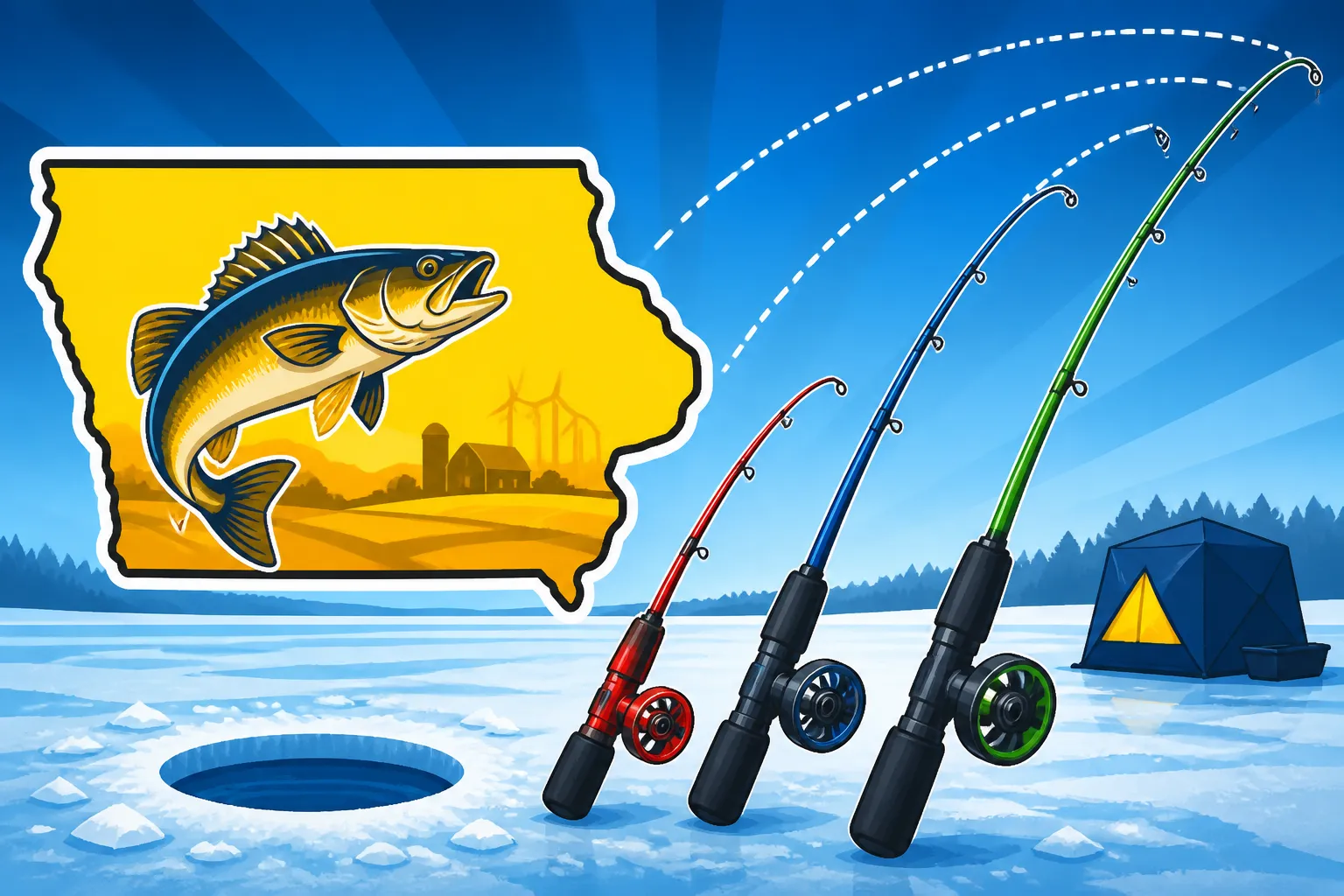
When you walk into a store like Bass Pro Shops or browse the fishing section on Amazon, you'll notice a wide array of ice fishing rods, typically ranging from about 18 inches to 48 inches or more. Each length serves a specific purpose, designed to optimize your experience for different fish, conditions, and fishing styles. Understanding these categories is key to building a versatile ice fishing arsenal.
Short Rods (18-26 inches)
These are often the go-to for panfish anglers and those who prefer to sit close to their hole, often sight-fishing. The main advantage of a short rod is its superior sensitivity and control over small jigs. Think about those tiny tungsten jigs tipped with a wax worm or a micro-soft plastic – a short rod allows you to impart the most subtle action.
If you're tucked away in a small one-person portable shelter, a short rod is a blessing. It keeps the tip close to the hole, minimizes overhead interference, and makes it easy to manage your line. For targeting bluegills, crappies, or perch, especially when they're finicky, a quick twitch or a precise jiggle is what often triggers a bite. The direct feedback from a short rod helps you feel those subtle takes that might be missed on a longer, softer rod. When fighting smaller fish, the directness is less of an issue, as they don't have the brute force to overwhelm the rod.
Medium Rods (28-36 inches)
This is arguably the most versatile range for ice fishing in Iowa, covering a vast spectrum of target species and techniques. A medium-length rod strikes a balance between the pinpoint control of a short rod and the leverage of a longer one. Many anglers find a 30-32 inch rod to be a sweet spot for general-purpose fishing.
These rods excel when jigging for walleye, sauger, or larger crappie. They allow for a good hookset sweep, absorb the initial shock of a strong fish, and provide enough length to comfortably stand or sit further back from your hole. If you're using a flasher or a fish finder like a Garmin or Humminbird unit, a medium rod often provides the ideal distance to watch your electronics and your line simultaneously. Many anglers will find themselves reaching for a medium rod when they're targeting species like walleye on lakes such as Clear Lake or Rathbun Lake. How to Jig for Walleye Through the Ice is a great resource to pair with this rod length.
Long Rods (38+ inches)
While less common for active jigging in a confined space, longer ice fishing rods have their niche, especially for specific techniques or targeting larger, more aggressive species. These rods offer maximum leverage and a more forgiving action when fighting powerful fish. They are particularly popular for deadsticking, where the rod is left in a holder with a live minnow, or for fishing with tip-ups.
If you're targeting big northern pike, especially on a larger open hole or when using a tip-up, a longer rod provides the backbone and flexibility needed to manage those strong runs and head shakes. They are also favored by anglers who prefer to stand and fish, offering a more comfortable posture and a broader sweep for deep water hooksets. While they might be cumbersome in a small shanty, for open-ice fishing or larger shelters, the extra length can provide a significant advantage in controlling a trophy fish. If you're planning to chase the biggest fish Iowa has to offer, like Muskie, a longer rod might be exactly what you need.
Matching Rod Length to Your Iowa Fish Species
Iowa's diverse waters offer a variety of ice fishing opportunities, from tiny bluegills in farm ponds to hefty walleye in the Great Lakes and powerful pike in backwaters. The "best" rod length is highly dependent on which species you're specifically targeting. Let's break down some common Iowa ice fishing scenarios.
Panfish: Bluegill, Crappie, and Perch
For the majority of panfish scenarios, especially when fishing small jigs and focusing on detecting light bites, a shorter rod is typically king.
- Bluegill & Small Perch (18-24 inches): These tiny rods offer maximum sensitivity for light bites. When bluegills are just barely nipping at a tiny wax worm, you need all the feel you can get. The short length also makes them ideal for sight-fishing in clear water, allowing you to watch the fish approach and take your lure. Many anglers who fish smaller jigs and baits find that a rod in this range gives them the best control and bite detection. Think about those chilly winter mornings when you're trying to coax a bite from sluggish bluegills – sensitivity is paramount.
- Crappie & Larger Perch (24-30 inches): While still relatively short, adding a few inches here gives you a bit more backbone for larger crappie and perch, especially if they're aggressive. It also provides a bit more forgiveness if you hook into a surprise walleye while panfishing. This range is excellent for jigging spoons or slightly larger tungsten jigs. The slightly longer length can also provide a bit more reach if you're standing or fishing from a slightly larger hole. If you're fishing for crappie at a place like Rathbun Lake, a rod in this range gives you great versatility.
Walleye and Sauger
Walleye are a prime target for many Iowa ice anglers, and choosing the right rod length is critical for success. They hit harder than panfish and fight with more power, requiring a rod that can handle the stress while still providing good lure control.
- Active Jigging (30-36 inches): This is the sweet spot for actively jigging for walleye. The length provides enough leverage for a solid hookset and cushion for their powerful head shakes, yet it's short enough for precise jigging movements. Whether you're working a Rippin' Rap, a Chubby Darter, or a spoon tipped with a minnow head, this rod length gives you excellent control. It's comfortable for fishing in most shelters and provides a good balance of power and sensitivity. This is the length you'll want when you're exploring the depths of the Iowa Great Lakes for those schooling walleye. Check out our guide on How to Jig for Walleye Through the Ice for more tips on techniques to pair with these rods.
- Deadsticking/Set Lines (36-48 inches): When setting up a stationary line with a live minnow, a longer rod offers several advantages. The extra length keeps the rod tip further from the hole, reducing line freeze-up, and provides more flex when a walleye takes the bait, allowing them to swim off a bit before feeling resistance. This can lead to deeper hooksets. These rods are often used in conjunction with a rod holder, acting almost like a small tip-up.
Northern Pike
If you're after the toothy northern pike, you're dealing with a whole different beast. These fish are aggressive, powerful, and will put your gear to the test.
- Tip-Up/Large Hole Fishing (38-48+ inches): For pike, especially when fishing larger shiners or suckers under a tip-up, a longer, heavier action rod is highly recommended. You need the length and backbone to absorb those initial blistering runs and turn a big pike's head when it decides to dive. These longer rods are often paired with heavier line and baitcasting reels. The extra length also helps keep your hands further from the hole, minimizing freezing in extreme cold. Many anglers will set these longer rods in rod holders near their larger holes or utilize them for chasing trophy pike on large, more open bodies of water. For serious pike fishing, you might also be interested in our Northern Pike Fishing in Iowa guide.
Other Considerations Beyond Length: Action, Power, and Handle
While rod length is a crucial starting point, it's just one piece of the puzzle. To truly optimize your ice fishing setup, you also need to consider the rod's action, power, and handle design. These elements work in concert with length to dictate how a rod performs.
Rod Action: Where the Bend Happens
The action of a rod refers to where along its length the rod bends when pressure is applied. This is critical for both detecting bites and fighting fish effectively.
- Fast Action: A fast action rod bends mostly in the tip section. This provides extreme sensitivity, allowing you to feel even the lightest taps. It also offers a very quick, powerful hookset because most of the rod's backbone remains stiff. These are fantastic for tiny panfish jigs where quick reflexes are needed, but they can be less forgiving with larger, head-shaking fish. If you're into precision jigging, you'll likely gravitate towards a faster action rod.
- Medium Action: A medium action rod bends through the top half or third of the blank. This is a versatile choice, offering a good balance of sensitivity and backbone. It's often preferred for walleye and larger crappie, providing enough flex to absorb powerful runs while still giving you a strong hookset. It's a great all-around choice for many Iowa ice fishing situations.
- Slow/Moderate Action: These rods bend throughout the entire blank, almost to the handle. They are the most forgiving action, absorbing the shock of powerful fish exceptionally well, making them ideal for larger species like northern pike or lake trout where long, powerful runs are common. However, they are less sensitive for subtle bites and offer a slower, more sweeping hookset.
Rod Power: How Much Muscle the Rod Has
Rod power, or weight, refers to the amount of force required to bend the rod. This dictates the size of the fish and the weight of the lures the rod is best suited for.
- Ultra-Light (UL): Perfect for the smallest jigs and lightest lines, primarily targeting panfish. An ultra-light rod will bend significantly with minimal weight, maximizing bite detection for tiny fish.
- Light (L): Still geared towards panfish but can handle slightly larger baits and provide a bit more backbone for bigger crappie or perch.
- Medium-Light (ML): A very popular choice for versatile panfish, larger crappie, and even light walleye presentations. It’s a great compromise for a mixed bag day.
- Medium (M): The workhorse for walleye, sauger, and mid-sized pike. It handles heavier jigs and spoons and has the power to fight these stronger fish.
- Medium-Heavy (MH) & Heavy (H): Reserved for larger walleye, northern pike, and lake trout. These rods have serious backbone to manage powerful fish and heavier presentations. When you're after those trophy fish, you need a rod with serious stopping power.
You can often find detailed descriptions of a rod's action and power when shopping online at places like Amazon, or by feeling them out in person at retailers such as Bass Pro Shops. Don't be afraid to give them a wiggle!
Handle Design and Material
The handle of your ice fishing rod plays a significant role in comfort, sensitivity, and control. Since you'll be holding onto this rod in freezing temperatures, a comfortable, warm grip is essential.
- Cork Handles: These are a classic for a reason. Cork is lightweight, provides excellent grip even when wet, and offers good insulation against the cold. It also transmits vibrations well, enhancing sensitivity.
- EVA Foam Handles: More durable than cork and often seen on budget-friendly rods, EVA foam also provides good grip and insulation. It can be a bit bulkier than cork but is very comfortable.
- Reel Seat Design: Some ice rods have traditional reel seats that thread down to secure your reel, while others use band-style systems. Both work, but a comfortable, ergonomic reel seat that positions your hand naturally for sensitivity is key. Make sure your reel fits snugly and doesn't wobble.
- Handle Length: Shorter handles are common on ice rods to save space and keep your hand closer to the blank for sensitivity. However, some longer rods designed for powerful fish might have slightly longer handles for two-handed leverage during a tough fight. When ice fishing, keeping your hands warm is a big deal. Consider combining your rod choice with good gloves or mittens. Check out our guide on What to Wear Ice Fishing in Iowa for more tips.
Creating a Versatile Ice Fishing Rod Arsenal for Iowa Waters
Let's be real, no single rod is going to be "the best" for every single fish or situation you encounter on Iowa's frozen lakes and rivers. A truly effective ice angler usually has a small arsenal of rods, each tailored to a specific purpose. Think of it like a golfer with their clubs – you wouldn't use a putter to drive off the tee, right?
The Two-Rod Starter Kit
If you're just getting started or looking to upgrade your basic setup, a two-rod approach is a fantastic way to cover most of your bases without breaking the bank.
- The Panfish Finesse Rod: A 24-28 inch ultra-light or light power rod with a fast action. This will be your go-to for bluegills, crappie, and smaller perch. It's incredibly sensitive for those light winter bites and perfect for small jigs and baits. This rod will help you maximize your catch rate on those days when fish are finicky.
- The Walleye/Versatility Rod: A 30-36 inch medium-light or medium power rod with a medium-fast action. This rod will handle your walleye jigging, larger crappie, and aggressive perch. It offers a good balance of sensitivity, power, and leverage, making it your most versatile rod for targeting some of Iowa's most popular game fish. This rod is excellent for working spoons, larger tungsten jigs, or small crankbaits.
These two rods will allow you to confidently fish for almost any common species you'll encounter on the ice in Iowa. Ice Fishing Gear Basics for Beginners provides even more context for setting up your initial gear.
Expanding Your Collection: Specialized Setups
Once you've got the basics down, you might find yourself wanting to specialize further. This is where those longer, heavier rods or ultra-specific finesse rods come into play.
- Big Game Rod (38-48+ inches, Medium-Heavy/Heavy Power): If you're serious about chasing trophy northern pike or even larger walleye, adding a longer, more powerful rod is a must. This is for those moments when you're not just hoping for a big fish, but actively targeting one with larger baits. This rod will give you the confidence to tackle powerful runs and wrestle a big fish through the ice.
- Deadstick Rod (36-42 inches, Medium-Light/Medium Power): A dedicated deadstick rod is often left in a rod holder with a live minnow. It usually has a softer tip or more moderate action to allow fish to take the bait without feeling immediate resistance, which can be crucial for enticing hesitant biters. This setup allows you to cover more water or focus on actively jigging another hole while waiting for a passive bite.
- Sight Fishing Rod (18-22 inches, Ultra-Light Power, Noodle Action): For the true finesse angler who loves to watch fish respond to their lure, an ultra-short, "noodle" action rod can be incredibly fun. These rods have an extremely soft, limber tip that bends at the slightest touch, making them perfect for micro-jigs and ultra-light line. This is truly a specialized tool for targeting panfish in very clear, shallow water.
| Rod Length Category | Typical Length Range | Primary Target Species | Ideal Lure Weight | Action | Key Benefit |
|---|---|---|---|---|---|
| Short Finesse | 18-26 inches | Bluegill, Small Perch | 1/64 – 1/32 oz | Ultra-light, Fast | Max sensitivity, precise jig control |
| Medium Versatile | 28-36 inches | Walleye, Crappie, Larger Perch | 1/16 – 1/4 oz | Medium-light/Medium, Medium-Fast | Balance of sensitivity & power, good hookset |
| Long Power | 38-48+ inches | Northern Pike, Large Walleye | 1/4 oz + | Medium-Heavy/Heavy, Moderate-Fast | Max leverage, absorbs powerful runs |
This table provides a general guideline, but remember that personal preference and specific fishing conditions can always influence your final choice.
Practical Tips for Choosing and Using Your Ice Fishing Rods
Now that you know the theory, let's talk about putting it into practice out on the ice. Selecting the right rod is an art, and mastering its use is a skill developed over time.
Consider Your Fishing Style and Comfort
Are you an active jigging enthusiast who's constantly moving your lure, or do you prefer to sit back and wait for a deadstick bite? Your style dictates your ideal rod length. If you like to keep your eye glued to your flasher, a rod that's comfortable to hold while doing so is essential. Likewise, if you're often standing, a slightly longer rod might feel more natural.
Your physical comfort is paramount, especially during long hours on the ice. A rod that's too long can strain your wrist in a small shanty, and one that's too short might make you hunch over uncomfortably if you prefer to stand. Don't be afraid to simulate your fishing position in a store like Bass Pro Shops before buying. Hold the rod, imagine setting the hook, and see how it feels in your hand.
Line and Lure Pairing
The rod length is just one component; it needs to be matched with the correct line and lure. A super sensitive, ultra-light rod for panfish needs a super light line (like 2-4 lb test monofilament or fluorocarbon) and tiny jigs. Trying to throw a 1/2 oz spoon on an ultra-light rod will overwhelm it, while a tiny 1/64 oz jig on a heavy pike rod will feel like you're fishing with a broomstick.
Always check the recommended line and lure weights printed on the rod blank. Staying within these parameters will ensure your rod performs as intended, maximizes sensitivity, and prevents breakage. For more information on line choice, our guide on Best Ice Fishing Line Weight offers excellent insights.
Experimentation is Key
Ultimately, the "best" rod length often comes down to personal preference. What one angler swears by, another might find unwieldy. The best way to find your perfect match is to experiment. If possible, borrow a friend's rod of a different length, or start with a versatile medium-length rod and expand from there.
Over time, you'll develop a feel for what works best for your hands, your fishing style, and the species you love to target. Don't be afraid to try different setups! The world of ice fishing gear is constantly evolving, and there's always something new to learn and try. And remember, the goal is to have fun and catch some fish, so pick the gear that helps you do that most effectively and comfortably.
Disclaimer
This article is for general informational purposes only and does not constitute professional advice. Laws, prices and regulations vary by location and change over time. Consult a qualified professional for guidance on your specific situation.