How to Tell a Walleye From a Sauger
It’s a tale as old as time for many Iowa anglers: you pull up a fish that looks just like a walleye, but something feels a little…off. Is it a walleye, a sauger, or maybe even a saugeye hybrid? This confusion isn't just a fun fish tale; it has real implications for adhering to fishing regulations. This guide is here to untangle that watery mystery, giving you clear, practical ways to confidently identify whether you've landed a walleye or a sauger, ensuring you stay compliant and understand the fish you're catching.
Why Accurate Identification Matters for Iowa Anglers
Before we dive into the nitty-gritty of fish anatomy, let's talk about why this distinction is so crucial. It’s not just about bragging rights (though those are nice!). Misidentifying a walleye for a sauger, or vice versa, can inadvertently lead to issues with daily limits and size restrictions, which vary between species and even between different water bodies in Iowa. Nobody wants a fishing trip to end with a fine because of an honest mistake. Iowa Fishing Regulations Explained covers the broader landscape, but understanding specific species is key.
Understanding Daily Bag and Size Limits
Imagine you're having an incredible day on the Mississippi River, catching fish left and right. You're carefully counting your walleye, thinking you're within the legal limit. But what if some of those "walleye" were actually sauger? The daily bag limits and minimum length requirements for walleye and sauger can be different, especially on certain border waters or specific lakes. Exceeding a limit for one species, even accidentally, can lead to serious penalties. It's a frustrating situation to be in, especially when you're just out there trying to enjoy nature. Knowing exactly what you've got in your livewell or on your stringer is vital for respecting the resource and avoiding legal trouble. Always check the current Iowa Fishing Daily Bag Limits Guide before heading out.
Knowing Where to Find Them
Beyond regulations, understanding the differences helps you become a more effective angler. Walleye and sauger, while similar, often prefer slightly different habitats and conditions. Walleye, for instance, are commonly found in larger, clearer lakes and reservoirs across Iowa, like the Iowa Great Lakes, and in slower river stretches. Sauger, on the other hand, tend to prefer the murkier, swifter waters of larger rivers, like the Mississippi River, often congregating below dams or in deeper channels. If you're consistently catching one type when targeting the other, understanding their distinct preferences can help you adjust your strategy, gear, and location. This knowledge sharpens your skills and makes your time on the water more productive. Walleye Identification and Habitat in Iowa and Sauger Identification on the Mississippi River offer more in-depth looks at their preferred environments.
Key Physical Features to Look For
Okay, let's get down to brass tacks. When you pull that fish out of the water, what are the immediate giveaways? This is where a keen eye and a bit of practice come in handy. Don't worry, it's easier than it sounds once you know what to focus on.
Dorsal Fin Distinctions
This is often the most reliable way to tell the two species apart, and it’s right there on their back! Both walleye and sauger have two distinct dorsal fins: a spiny one towards the front and a softer-rayed one behind it.
-
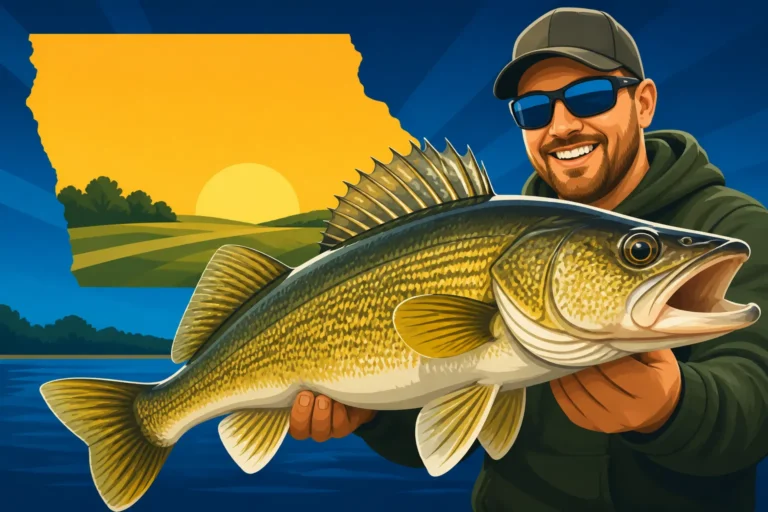
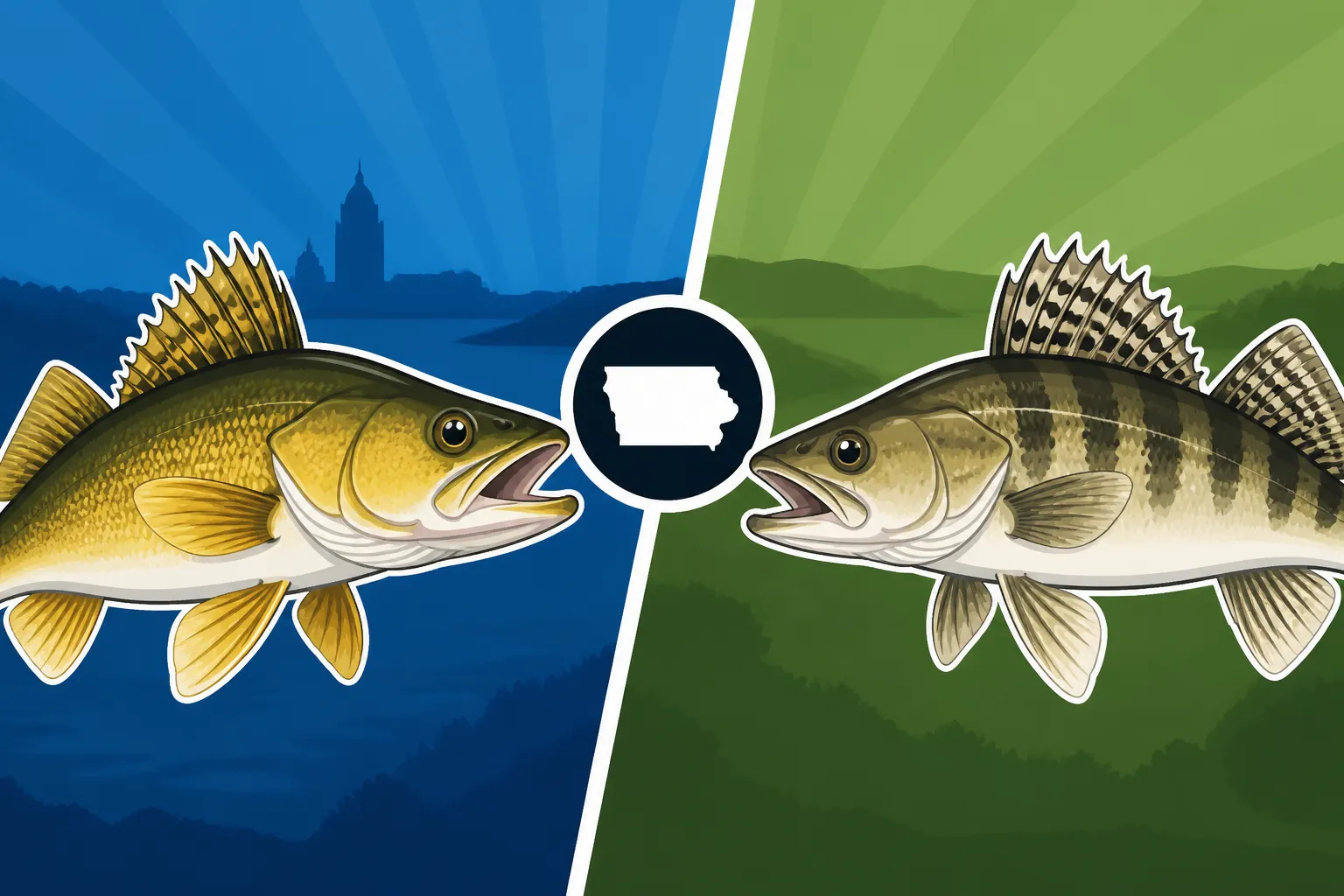
Walleye: Look at the spiny front dorsal fin. A walleye will almost always have a distinct, dark spot at the very base of the last few spines. It looks like a little thumbprint. Furthermore, their spiny dorsal fin will typically be a uniform, dusky color, without any noticeable spotting or banding. The rays on the second dorsal fin are generally unmarked.
-
Sauger: Now, for the sauger, things are quite different. Instead of a single dark spot, the spiny dorsal fin of a sauger will have several distinct rows of dark spots that form clear bands. It's almost like a leopard print, but in rows. This is a dead giveaway! You won't see that single large spot at the base of the last spines like you do on a walleye. The second, softer dorsal fin will also often have spotting or streaking, adding to that overall mottled appearance. If you're ever in doubt, this dorsal fin pattern is your first and best friend for identification.
Body Markings and Coloration
Beyond the fins, the overall look of the fish’s body can offer significant clues. Think of it like comparing two different breeds of dog – same family, but distinct coats.
-
Walleye: Generally, walleye have a more uniform body coloration, ranging from olive green to golden brown on their backs, fading to a lighter, creamy white on their bellies. They might have some subtle, dark mottling or bars, but these are usually faint and blend into their background color. The most striking visual on a walleye is often that prominent white tip on the lower lobe of their tail fin, which we'll get to in a moment. Their sides tend to be smoother in appearance, reflecting light in a more consistent way.
-
Sauger: Sauger, conversely, have a much more distinctive, mottled or blotchy pattern on their sides. These dark splotches and saddles are usually quite pronounced, giving them a camouflaged look that helps them blend into river bottom structures. Their overall coloration tends to be more bronze or yellowish-brown, especially in the murkier waters they often inhabit. This mottled appearance is consistent over their entire body, from head to tail, making them look somewhat "dirtier" or more rustic than their walleye cousins. If you see those clear, dark blotches, you're likely holding a sauger. You can find many identification charts on sites like Amazon that highlight these differences.
Tail Fin Markings
The tail fin, or caudal fin, is another crucial indicator that often gets overlooked in the excitement of a catch. This is a very clear distinguishing feature that's hard to miss once you know what to look for.
-
Walleye: The absolute defining characteristic of a walleye's tail is a bright white tip on the lower lobe. It's almost as if someone dipped the bottom corner of their tail in white paint. This white tip is very prominent and can be seen even from a distance or in lower light conditions. If your fish has this, it’s a walleye, plain and simple.
-
Sauger: A sauger, on the other hand, will not have this distinct white tip on its tail fin. Their tail fin will be more uniformly colored, matching their mottled body, often with dark spots or bands, but no bright white patch on the lower lobe. This absence of the white tip is just as important as the presence of it on a walleye. So, if you see no white on the tail, combine that with the spotted dorsal fin and mottled body, and you've got your sauger. What a Sauger Looks Like provides more detail on these specific markings.
Overall Size and Body Shape
While not always a perfect indicator, especially with younger fish, the general size and body shape can provide a hint, particularly when dealing with mature specimens.
-
Walleye: Walleye tend to grow larger and have a more robust, cylindrical body shape. They can grow to impressive sizes in Iowa, with many anglers dreaming of catching a true trophy walleye. Their bodies often appear more streamlined and less chunky than a sauger of similar length. When you look at a big walleye, it has a certain heft and power to it. Remember, always release fish gently if they don't meet the legal size limits.
-
Sauger: Sauger generally run smaller than walleye. While they can still be good-sized fish, they typically don't reach the same maximum lengths or weights as walleye. Their bodies also tend to be a bit more slender and elongated, almost cigar-shaped, compared to the bulkier walleye. They might appear slightly more compressed from side to side. So, if you've got a smaller fish with the other sauger characteristics, it further confirms your identification. It’s definitely a factor to consider, though never rely solely on size for proper identification. For a deep dive into specific species, you can check out resources like Iowa Fish Species Guide.
Habitat and Behavioral Clues
Beyond what they look like, where you catch a fish and how it behaves can also give you strong hints about its identity. These aren't definitive proof, but they add to the puzzle.
Preferred Water Types in Iowa
Knowing the typical haunts of each species can guide your fishing efforts and help you anticipate what you might hook. Iowa has a diverse range of waterways, and each species tends to favor specific environments.
-
Walleye: These fish are often found in the clear, cooler waters of larger lakes and reservoirs across Iowa. Think about places like the Iowa Great Lakes, Rathbun Lake, or Clear Lake. They prefer areas with structural elements like rock piles, humps, and submerged timber, but they’re also comfortable in open water. While they do inhabit rivers, they tend to be in the slower, deeper pools, away from the strongest currents. Their eyes, adapted for low light, make them more active during dawn, dusk, and even at night in these clearer environments. Walleye Fishing in Iowa goes into great detail about targeting these elusive fish.
-
Sauger: Sauger are truly river rats at heart. They thrive in the turbid (murky) and faster-flowing waters of major rivers, especially the Mississippi and Missouri Rivers. They love to hang out in deeper channels, below dams, around wing dams, and in other current breaks where they can ambush prey without fighting the main flow too much. They're built for these conditions, and their mottled camouflage helps them disappear against the gravel and mud bottoms. If you're fishing a strong current break on a big river, especially if the water isn't perfectly clear, your chances of catching a sauger increase significantly. This is why Mississippi River Pool 9 Fishing often yields excellent sauger catches.
Feeding Habits and Depths
Their preferred menu and where they look for it can also be a helpful clue, though there's certainly overlap. Both are predatory fish, but their typical hunting grounds differ.
-
Walleye: Walleye are primarily piscivores, meaning they eat other fish. They'll readily strike at minnows, shiners, perch, and even small panfish. They also consume crayfish and insects. They often suspend in open water or near structure, waiting for prey to pass by. In lakes, they might be found at various depths depending on the time of day and year, often moving shallower to feed under low light conditions. Techniques like trolling crankbaits or jigging with live bait are common for walleye, often working depths from 10 to 30 feet or more. Many anglers will consult fish finders (easily found on Amazon) to locate the precise depth walleye are holding.
-
Sauger: Sauger also feed on smaller fish, particularly shiners and minnows, but they tend to be more bottom-oriented feeders. They often hug the river bottom, lurking behind rocks, logs, or other current breaks, waiting for an unsuspecting meal to drift by. You'll often find them concentrated in deeper holes or scour areas on river bottoms. When fishing for sauger, you’re generally targeting depths that are relatively close to the riverbed, using jigs, bottom bouncers, or three-way rigs with minnows. They're less likely to be found suspended high in the water column compared to walleye. If your bait is bumping bottom in a strong current and you get a bite, there’s a good chance it could be a sauger.
The Walleye vs. Sauger Identification Checklist (and Common Mistakes)
Alright, it’s time to put it all together. When that fish comes over the rail or onto the bank, run through this quick checklist. It’s like a rapid-fire identification process that will help you confidently tell them apart.
A Quick Visual Guide for Anglers
Let's summarize those critical features in an easy-to-digest format. This is your go-to guide for a quick decision right there on the water.
| Feature | Walleye | Sauger |
|---|---|---|
| Spiny Dorsal Fin | One prominent dark spot at the base of the last few spines; otherwise clear. | Distinct rows of dark spots forming bands; no single large spot. |
| Body Markings | Generally uniform olive to golden-brown; subtle, faint mottling or bars (if any). | Pronounced dark blotches, saddles, and mottled patterns on sides. |
| Tail Fin | Prominent white tip on the lower lobe. | No white tip; often spotted or banded, matching body. |
| Overall Size | Tends to grow larger and more robust. | Generally smaller and more slender. |
| Preferred Habitat | Clearer, cooler lakes and slower river sections. | Turbid, faster-flowing large rivers (e.g., Mississippi). |
What to Do If You're Still Unsure
Even with all this knowledge, sometimes a fish just looks… ambiguous. This is especially true for saugeye, which are hybrids of walleye and sauger, and can have a mix of characteristics! These hybrids are often stocked and can be found in some Iowa waters, making identification even trickier. If you catch a fish and you are truly, genuinely unsure whether it’s a walleye or a sauger (or a saugeye), the safest course of action is always to err on the side of caution.
Consider which species has the most restrictive regulations for the water body you are on. If, for example, walleye have a higher minimum length or a lower bag limit, assume it's a walleye if you can't be certain, and follow those stricter rules. If you're close to the limit and can't confidently identify your catch, it's often best to release the fish. It's a small price to pay for peace of mind and staying within the law. You can always take a clear photo of the fish, focusing on the dorsal fin, body markings, and tail, and then consult an expert (like a local Iowa DNR officer or experienced angler) later. Remember, respecting the resource and playing it safe is part of being a responsible angler in Iowa.
Disclaimer
This article is for general informational purposes only and does not constitute professional advice. Laws, prices and regulations vary by location and change over time. Consult a qualified professional for guidance on your specific situation.