Are Northern Pike Good to Eat?
It's a common dilemma after a great day out on the water, especially when you've landed a feisty Northern Pike: "Now what do I do with it?" Many anglers are eager to enjoy their catch for dinner but hesitate when it comes to pike, often due to stories about tricky bones or a less-than-desirable taste. This guide is here to tackle that question head-on, giving you all the nitty-gritty details on whether Northern Pike are indeed good to eat, how to properly prepare them, and what you can expect from this exciting Iowa game fish on your dinner plate.
The Culinary Reputation of Northern Pike
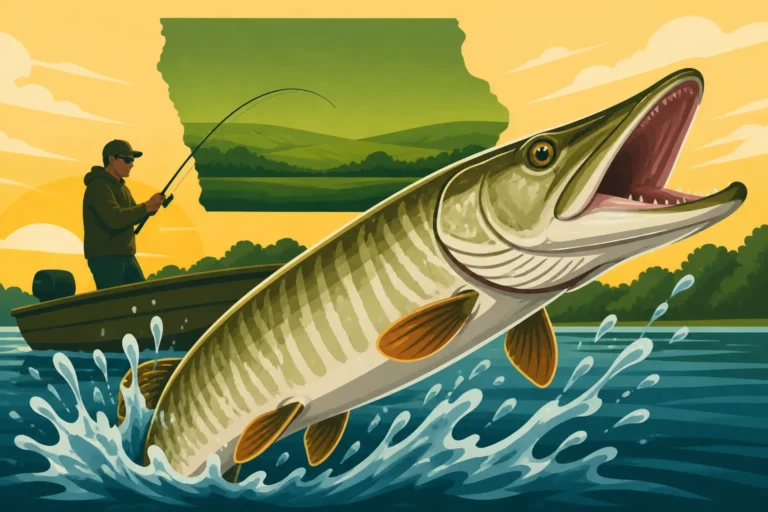
Northern Pike, those long, slender, toothy predators that lurk in many of Iowa's lakes and rivers, often get a bad rap when it comes to table fare. You might hear whispers at the bait shop or read forums where folks dismiss them entirely. But let's be real, a lot of this reputation is built on misunderstanding rather than actual experience. Pike can be absolutely delicious when handled and prepared correctly.
The truth is, many anglers who dismiss pike haven't actually tried to prepare them properly. It's not like cleaning a bluegill or a crappie where a simple two-sided fillet is all you need. Pike have a unique bone structure, specifically those pesky "Y-bones," that can deter the uninitiated. But with a little knowledge and practice, you can easily overcome this challenge and unlock a truly fantastic meal. Don't let old wives' tales keep you from enjoying one of Iowa's exciting sport fish!
Dispelling Common Myths and Misconceptions
Let's clear the air on some of the popular myths surrounding Northern Pike as a food fish.
- Myth #1: Pike taste "fishy" or muddy. Like many freshwater fish, the flavor of a pike can be influenced by its environment. A pike caught from cold, clear water will almost always taste cleaner and milder than one from warm, murky, stagnant water. This isn't unique to pike; it applies to walleye, bass, and catfish too. Proper handling immediately after the catch also plays a huge role in preventing a "fishy" taste. Get that fish on ice quickly, and you're already ahead of the game.
- Myth #2: The meat is tough or dry. When cooked incorrectly, any fish can become tough or dry. Pike meat, in its natural state, is firm, flaky, and surprisingly white. It has a lean texture, which means it can dry out if overcooked, but it's far from inherently tough. In fact, many describe it as having a delicate, almost sweet flavor, especially smaller to medium-sized fish.
- Myth #3: It's just not worth the effort because of the bones. This is perhaps the biggest hurdle for many anglers. Yes, Northern Pike have a unique set of intermuscular bones (the "Y-bones") that can be intimidating. However, with the right filleting technique, these bones can be removed completely, leaving you with boneless fillets ready for cooking. It's a skill that's easy to learn, and once you have it down, it takes very little extra time. Think of it as a small investment for a delicious reward.
The "Y-Bone" Challenge and How It Shapes Perception
The primary reason Northern Pike often get passed over for the dinner plate is their infamous "Y-bones." These aren't like the pin bones you might find in a salmon, which are relatively easy to pull out with pliers. Pike have a series of bones that fork into a 'Y' shape, embedded within the muscle tissue of their sides. If you try to fillet a pike like you would a bass, you'll end up with a lot of bony meat that's a pain to eat.
This unique bone structure has understandably led many anglers to throw pike back, or simply avoid targeting them if their goal is table fare. However, this challenge has also spurred the development of specific filleting techniques designed to cleanly remove these bones, leaving you with beautiful, boneless strips of meat. It's really the perception of difficulty that's the biggest barrier, not the actual process itself once you know what you're doing. It's a specialized skill, but one that is absolutely achievable for any angler willing to put in a little practice.
What Makes Northern Pike Meat Unique?
Beyond the bone structure, Northern Pike offers a distinct culinary experience that sets it apart from other common Iowa game fish. Once you get past the initial preparation, you'll find a versatile fish that can shine in a variety of dishes.
Many compare the flavor and texture of pike to walleye, often considered a premier eating fish. While not identical, there are certainly similarities that make pike a highly desirable catch for the plate. It's a lean, white meat, which means it's not overly fatty, making it a healthy option too.
Flavor Profile and Texture
Let's talk taste. The flesh of a Northern Pike is typically white, firm, and flaky. The flavor is generally mild, often described as delicate or subtly sweet, especially from fish caught in cooler, cleaner waters. It's not an overpowering "fishy" taste, which can be a pleasant surprise for those expecting something strong.
The texture is quite appealing – firm enough to hold up well to various cooking methods, but still tender and flaky when properly cooked. It doesn't have the mushy texture that some overcooked or improperly handled fish can develop. Because it's a lean fish, it does require a bit more attention during cooking to prevent it from drying out, but this is easily managed with appropriate techniques. Many people enjoy the lean aspect, finding it a lighter meal option.
Nutritional Value of Pike
Beyond its taste, Northern Pike is a great source of lean protein and offers a healthy dose of essential nutrients. Like many fish, it's low in saturated fat and a good source of Omega-3 fatty acids, which are fantastic for heart and brain health.
Here’s a general idea of what you get from a serving of Northern Pike:
- High Protein: Excellent for muscle building and repair.
- Low Fat: A lean choice for those watching their fat intake.
- Vitamins & Minerals: Contains important nutrients like Vitamin D, B vitamins, and minerals such as selenium and phosphorus.
It's a wholesome addition to any diet, providing a guilt-free way to enjoy fresh, wild-caught food. When considering your catch for the table, knowing the nutritional benefits can make that extra effort of filleting feel even more worthwhile. Northern Pike Fishing in Iowa is not just about the thrill of the catch, but also the healthy meal afterward.
Preparing Northern Pike for the Plate
Alright, this is where the rubber meets the road! The key to enjoying Northern Pike is mastering the filleting process to remove those Y-bones. It might sound daunting, but it's a skill that's surprisingly easy to pick up, and once you do, a whole new world of delicious meals opens up.
Before you start, make sure you have a very sharp fillet knife. A flexible, sharp blade will make all the difference. Many anglers find great knives for filleting, like those found on Amazon, incredibly useful for this task. Keeping your knife sharp is key to making clean cuts and minimizing waste.
The Art of Filleting and Removing Y-Bones
The standard method for dealing with pike Y-bones is often called the "five-fillet" or "boneless fillet" method. Instead of just two large fillets, you'll end up with five distinct pieces of boneless meat. This technique specifically targets the areas where the Y-bones are located, allowing you to cut them out cleanly.
It takes a little practice, but it's not rocket science. The main idea is to separate the meat around the Y-bones from the meat that's truly boneless. You'll make cuts along the spine and then strategically cut around the Y-bone structure that runs down the middle of the pike's back, above the rib cage.
Some people prefer to freeze the pike whole and then fillet it while it's still slightly frozen. This can make the meat firmer and easier to handle, especially if you're new to the technique. Just be careful not to let it freeze solid, or it will be too hard to cut.
Step-by-Step Guide to the "Five-Fillet" Method
Let's walk through the "five-fillet" method to get those beautiful, boneless pieces of pike.
- Start with the Main Fillet: Lay the pike on its side. Make a cut behind the gill plate down to the backbone. Then, cut along the top of the backbone from that initial cut all the way to the tail, separating the meat from the spine. Stop when you get about an inch from the tail, but don't cut through.
- Separate the Top Loin: Now, from the dorsal fin, make a cut down the side of the fish, following the line of the Y-bones. You'll feel them. Cut above them, essentially creating a top loin strip that is completely boneless. This is your first two fillets (one from each side).
- Address the Rib Cage: With the top loin removed, you can now easily see the rib cage. Carefully cut the meat away from the ribs, from the backbone down to the belly. This will give you the lower, boneless strips from each side. These are your next two fillets.
- The "V-Cut" for the Y-Bones (the often-skipped part): What's left on the fish frame, between where you took the top loin and the lower fillet, is the strip containing the Y-bones. Instead of discarding it, you can make two angled cuts (a "V" shape) along each side of this bony strip, lifting it cleanly off. This leaves you with a smaller, boneless strip of meat (your fifth fillet from that side, often referred to as a "cheek" or "belly" fillet depending on exactly where it's taken from). Many anglers opt to just discard this bony section for simplicity, but if you're after every last bit of meat, it's worth the effort.
It definitely takes some practice, but once you've done it a few times, you'll be a pro. There are plenty of videos online that demonstrate this technique visually, which can be super helpful for beginners. Fillet Knife for Cleaning Fish is an essential tool for this process.
Recommended Cooking Methods for Pike
Once you have those beautiful boneless fillets, the culinary possibilities are endless! Pike's firm, white meat holds up well to a variety of cooking methods.
| Cooking Method | Description | Pros | Cons | Best For |
|---|---|---|---|---|
| Pan-Frying | Dredging fillets in seasoned flour or breading and frying in a shallow amount of oil or butter until golden brown. | Creates a crispy exterior; quick and easy; classic preparation. | Can be greasy if too much oil is used or if not drained properly. | Showcasing the natural flavor of the pike; quick weeknight meals. |
| Baking | Placing fillets in a baking dish with seasonings, herbs, and perhaps a liquid (lemon juice, wine, broth) and baking in the oven. | Healthy option; less hands-on; allows for even cooking; good for larger batches. | Can dry out if overcooked; less crispy texture than frying. | Health-conscious meals; preparing several fillets at once. |
| Grilling | Brushing fillets with oil and seasoning, then grilling directly over medium-high heat or in a foil packet. | Imparts a smoky flavor; nice char on the exterior; great for outdoor cooking. | Fillets can stick to the grates if not properly oiled; easy to overcook. | Summer cookouts; when you want a smoky flavor; firmer fillets. |
| Deep-Frying | Coating fillets in a wet batter and then deep-frying until golden brown and cooked through. | Extremely crispy and delicious; perfect for fish and chips style meals. | Higher in calories and fat; requires a deep fryer and more oil. | Indulgent meals; feeding a crowd; replicating a classic fish fry. |
| Broiling | Placing seasoned fillets under a broiler for a short period of time to cook quickly and achieve a browned, slightly crispy top. | Very fast cooking method; good for quick browning; healthy alternative to frying. | Very easy to burn or overcook if not watched closely. | Quick meals; when you want a browned top quickly; thinner fillets. |
| Poaching | Gently simmering fillets in a flavorful liquid (water, broth, wine, milk) below boiling point until cooked through. | Very healthy; keeps fish moist and tender; excellent for delicate flavors. | Doesn't create a crispy exterior; can be bland if the poaching liquid isn't flavorful. | Light, healthy preparations; serving cold flaked pike in salads. |
Remember that, as a lean fish, pike tends to cook quickly. Overcooking is the number one enemy of delicious fish, so keep a close eye on it! It's done when the flesh becomes opaque and flakes easily with a fork.
Tips for Maximizing the Taste of Your Pike Catch
You've put in the effort to catch that beautiful Northern Pike, and you've mastered the filleting technique. Now, let's make sure that effort truly pays off with a fantastic meal. The taste of your pike isn't just about the cooking; it starts the moment you catch it.
Think about it this way: a chef can't make a bad ingredient taste good. The same applies to fish. The better you care for your catch from the get-go, the better the final product will be. This is especially true for pike, where freshness can greatly influence its mild flavor.
Freshness is Key: Handling Your Catch
This cannot be stressed enough: get your pike on ice immediately after catching it. A cooler full of ice is your best friend when fishing for table fare. The faster you cool the fish down, the better the texture and flavor will be, and the less "fishy" it will taste. How to Keep Fish Fresh Without a Livewell is a critical skill for any angler.
- Bleed the fish: If you're planning to eat your pike, bleeding it quickly after landing can significantly improve the taste and appearance of the meat. A quick cut to the gills will allow the blood to drain, resulting in whiter, cleaner-tasting fillets.
- Keep it cold: Once bled, bury the fish in ice. Don't just lay it on top. The goal is to rapidly drop its core temperature. This slows down spoilage and bacterial growth, preserving the delicate flavor.
- Fillet promptly: While pike can keep on ice for a day or two, it's always best to fillet your catch as soon as possible after returning from your fishing trip. The sooner you fillet, the fresher the meat will be.
- Proper storage of fillets: Once filleted, rinse the fillets in cold water, pat them dry, and store them in an airtight container or vacuum-seal bags. They'll keep well in the refrigerator for a couple of days or can be frozen for several months. For longer-term storage, a vacuum sealer (you can find great options on Amazon) is a fantastic investment.
Seasoning and Recipe Ideas
Northern Pike's mild flavor makes it incredibly versatile in the kitchen. It takes well to a wide range of seasonings and culinary preparations. You don't need to overpower it; instead, aim to enhance its natural taste.
- Simple & Classic: A light dusting of seasoned flour (salt, pepper, garlic powder, a hint of paprika), then pan-fried in butter or olive oil until golden brown and flaky. A squeeze of fresh lemon juice at the end is pure perfection.
- Herbal Infusion: Bake or grill your pike with fresh dill, parsley, thyme, and a slice of lemon. White wine or fish broth can add moisture and flavor when baking.
- Spicy Kick: If you like a little heat, try a blackening seasoning or a Cajun rub. Pan-fry or grill these for a delicious crust.
- Asian Inspired: Marinate pike fillets in soy sauce, ginger, garlic, and a touch of sesame oil before baking or pan-frying. Serve with rice and steamed vegetables.
- Pike Cakes: If you have some leftover cooked pike, flake it and mix it with breadcrumbs, an egg, and your favorite seasonings (like green onions, bell pepper, and a touch of cayenne). Form into patties and pan-fry until golden. This is a fantastic way to use up smaller pieces or turn a single fillet into a meal for two.
- Fish Tacos: Grill or pan-fry seasoned pike, then flake into warm tortillas with your favorite slaw, salsa, and a drizzle of lime crema. Fresh and flavorful!
For a more in-depth look at preparing other popular Iowa species, check out our guide on Best Eating Fish in Iowa.
Addressing Potential "Fishy" Flavors
Even with the best handling, some people are very sensitive to any "fishy" taste. Here are a few tricks to minimize it and ensure your pike is as delicious as possible:
- Soak in Milk: A classic chef's trick is to soak fish fillets in milk for 20-30 minutes before cooking. The casein in the milk is believed to bind with and draw out compounds that contribute to a fishy odor or taste. Just rinse thoroughly and pat dry before cooking.
- Acidic Marinades: Marinades containing lemon juice, lime juice, vinegar, or even buttermilk can also help neutralize any undesirable flavors. The acid subtly "cooks" the exterior of the fish and tenderizes it while masking strong odors.
- Remove Darker Meat: For some fish, the darker red meat along the lateral line can have a stronger flavor. While pike typically has very white meat, if you notice any darker sections, you can simply trim them away before cooking.
- Cook Fresh: As mentioned, the fresher the fish, the less likely it is to develop off-flavors. Aim to cook your pike within a day or two of catching it, or freeze it promptly for later use.
In conclusion, Northern Pike are absolutely good to eat! Don't let the Y-bones or old myths deter you. With the right techniques for filleting and proper handling of your catch, you can transform this exciting game fish into a truly delectable meal. So next time you're out chasing these toothy critters in Iowa's waters, think about bringing one home for the dinner table. You might just discover a new favorite. Happy angling and happy eating!
Disclaimer
This article is for general informational purposes only and does not constitute professional advice. Laws, prices and regulations vary by location and change over time. Consult a qualified professional for guidance on your specific situation.