Can You Catch Walleye in Farm Ponds?
It's a common dream for many Iowa landowners and avid anglers: having a bustling farm pond right in their backyard, teeming with trophy walleye. The idea of stepping out, casting a line into your private water, and pulling in one of those toothy, delicious fish without ever needing to hit the public lakes or rivers is incredibly appealing. But when it comes to walleye, the reality of farm pond life is often quite different from the dream, and understanding why is key to successful private pond management and targeting these fantastic fish. This guide will dive deep into whether walleye can actually thrive in farm ponds, what makes them tick, and where you can find them in Iowa.
The Reality of Walleye in Iowa Farm Ponds
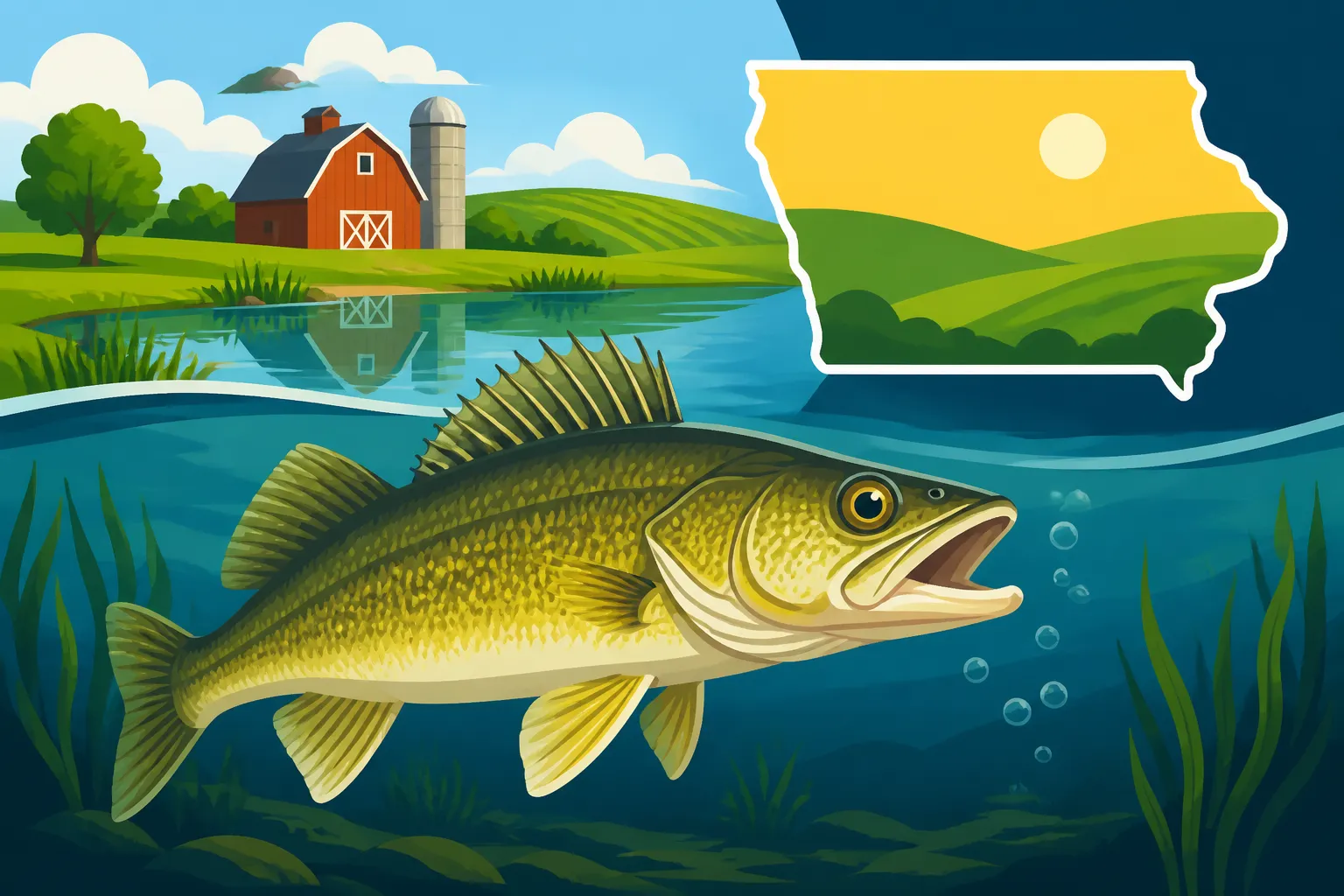
Let's get straight to it: generally speaking, you cannot reliably catch walleye in the vast majority of Iowa farm ponds. I know, it's a bit of a bummer if you had your heart set on it, but there's a good reason for this. Walleye are quite particular about their living conditions, and the typical farm pond simply doesn't meet their stringent requirements for survival, let alone for growing to a catchable size or reproducing successfully.
Why Walleye Don't Typically Thrive in Small Ponds
Walleye are cold-water predators. They prefer specific environmental conditions that are rarely found in the average Iowa farm pond. Think about it: most farm ponds are relatively shallow, especially compared to the sprawling, deep lakes or mighty rivers where walleye truly flourish. These shallow waters tend to warm up significantly in the Iowa summer heat, often exceeding the optimal temperature range for walleye. When water temperatures consistently climb above 75 degrees Fahrenheit for extended periods, walleye become stressed, their growth slows, and they can even perish. Farm ponds also tend to have more aquatic vegetation and softer bottoms, which isn't what walleye prefer. They like structure, yes, but often that means rock, gravel, or timber in deeper, cooler water, not thick weeds that choke out oxygen in warmer, shallower areas.
Furthermore, a healthy walleye population relies on a robust and diverse forage base – smaller baitfish they can actively hunt. While farm ponds might have minnows or bluegill, the specific ecosystem might not provide the consistent, high-energy food source walleye need, especially if other aggressive predators like largemouth bass are also present and competing for the same food, or if the baitfish populations are out of balance. The lack of sufficient dissolved oxygen in deeper areas during hot summer months (a phenomenon known as thermal stratification) can also create "dead zones" where walleye simply cannot survive, shrinking their already limited habitat within a pond. This makes sustaining a healthy, reproducing population incredibly difficult without constant, intensive management, which is often beyond what a private pond owner can reasonably provide.
The Ideal Walleye Habitat vs. Pond Realities
To truly understand why farm ponds aren't ideal, let's look at what walleye do love. Their preferred habitats are large, clear, deep lakes and rivers with expansive areas of rock, gravel, or sandy bottom, which they use for spawning. These bodies of water offer plenty of cooler, well-oxygenated depths where they can retreat during the heat of the day or in summer, conserving energy and finding ample forage. They are visual predators, and clearer water gives them an advantage when hunting. Think of places like the Iowa Great Lakes or the deep channels of the Mississippi River; these are quintessential walleye territories.
A typical farm pond, by contrast, is often smaller, shallower, and may have murkier water due to runoff or sediment. The bottom is usually silty or muddy, not the hard, clean substrate walleye need for their eggs to develop properly. Walleye also require specific spawning conditions, often migrating to shallow, rocky shoals or riverine current to lay their eggs. These conditions are virtually non-existent in most farm ponds. Even if you were to stock walleye, their chances of naturally reproducing and sustaining their population in a farm pond are extremely low. This means a pond owner would be looking at continuous, expensive stocking efforts just to maintain a fishable population, making it an unsustainable and impractical venture for most.
Understanding Walleye Stocking and Management in Iowa
While the dream of farm pond walleye might be fading, it's important to understand how walleye are managed and stocked in Iowa to appreciate why public waters are the true hotspots for these fish.
Iowa DNR's Focus for Walleye Stocking
The Iowa Department of Natural Resources (DNR) plays a crucial role in maintaining and enhancing walleye populations across the state, but their efforts are primarily focused on large, publicly accessible waters that can actually support these fish. You'll find the DNR stocking walleye fingerlings in major lakes like Clear Lake, Rathbun Lake, the Iowa Great Lakes (West Okoboji, East Okoboji, Spirit Lake), and several of the larger reservoirs. They also work to manage natural walleye populations in our major rivers, especially the Mississippi River. The goal of these stocking programs is to create sustainable, high-quality sport fisheries for all Iowa anglers, contributing to the fantastic fishing opportunities we have throughout the state.
These public waters offer the essential habitat requirements we discussed earlier: ample size, sufficient depth to provide cool, oxygenated water, appropriate bottom substrates for spawning (or at least for holding stocked fish), and a diverse forage base. The DNR invests significant resources into fisheries management, including research into growth rates, population dynamics, and the effectiveness of stocking, all to ensure these public fisheries remain vibrant. If you're planning a trip, make sure to check the Iowa Fishing Regulations Explained for specific rules, bag limits, and seasons for walleye in these prime locations. And, of course, a proper Iowa Fishing License Guide will tell you everything you need about getting legal to fish these waters.
The Challenges of Private Pond Stocking
For private pond owners, stocking walleye presents a unique set of challenges. First, obtaining walleye fingerlings can be difficult and costly. Private hatcheries that raise walleye for stocking purposes often have limited supply, and the price per fingerling can be significantly higher than for more common pond species like bluegill or channel catfish. You might find resources on Iowa Fishing License Costs for public waters, but private stocking expenses are an entirely different ballgame. Beyond the initial cost, there's the ongoing expense of supplemental feeding, especially if the natural forage base isn't sufficient, and the potential need for pond aeration systems to maintain adequate oxygen levels during warm periods or under ice.
More importantly, successfully managing a walleye pond requires a considerable amount of ecological expertise. It's not just about dumping fish into the water. You need to understand water quality parameters, predator-prey dynamics, and the specific needs of walleye. Without proper management, stocked walleye are likely to suffer from stress, disease, or simply fail to thrive, leading to disappointing results for the pond owner. There might also be regulations regarding what fish species can be stocked in private waters, and it's always best to check with local authorities to ensure you're in compliance. For most private pond owners, the effort, expense, and specialized knowledge required make walleye stocking an impractical endeavor.
What Fish Do Thrive in Iowa Farm Ponds?
While walleye might be out of the picture for most farm ponds, that doesn't mean your private water can't be an amazing fishing destination! Iowa farm ponds are absolutely fantastic for other popular game fish that are much better suited to their unique environment.
Popular & Sustainable Pond Species
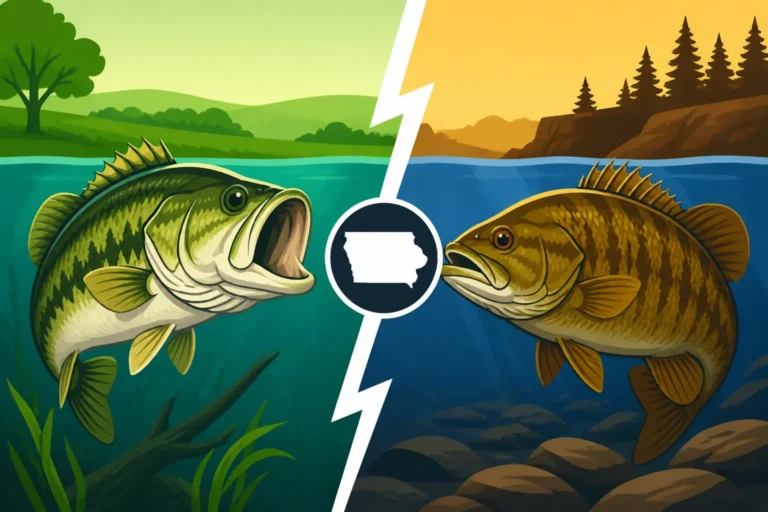
When it comes to stocking an Iowa farm pond, focusing on species that are naturally adapted to smaller, shallower, and often warmer waters is the recipe for success. Largemouth Bass Fishing in Iowa is practically a religion in our state, and farm ponds are prime habitat for these aggressive predators. Largemouth bass thrive in ponds with some vegetation, structure, and a good forage base. They're exciting to catch and can grow to impressive sizes in a well-managed pond.
Another cornerstone of a healthy Iowa farm pond is the humble bluegill. Bluegill Fishing in Iowa offers incredible fun for anglers of all ages, and they reproduce prolifically, providing a sustainable food source for bass and other predators. You can also mix in other panfish like Crappie Fishing in Iowa, though crappie can sometimes overpopulate if not managed correctly. And let's not forget the ever-popular Channel Catfish Fishing in Iowa! Catfish are incredibly hardy, tolerate a wide range of water conditions, and are excellent table fare. They're also relatively easy to manage and can provide years of fishing enjoyment. These species, when stocked in the right balance, create a thriving ecosystem that can produce excellent fishing year after year, often with minimal intervention beyond initial stocking and responsible harvest practices. They're built for pond life, unlike the finicky walleye.
Managing Your Farm Pond for Success
Creating a vibrant, healthy farm pond fishery for bass, bluegill, and catfish requires a bit of planning and ongoing care, but it’s certainly more achievable than trying to force walleye into an unsuitable environment. A good starting point is proper initial stocking, ensuring you have a balanced population of predator (bass) and prey (bluegill, minnows). Many pond owners consult with private fisheries biologists or the Iowa DNR for stocking recommendations tailored to their specific pond size and characteristics.
Maintaining water quality is also paramount. This might involve managing aquatic vegetation to prevent it from becoming too dense and reducing oxygen levels, especially during hot summer months. Aeration systems can be beneficial, particularly in deeper ponds, to ensure dissolved oxygen levels remain healthy throughout the water column. Controlling runoff from surrounding agricultural fields can prevent excess nutrients from entering the pond, which can lead to algae blooms and oxygen depletion. Periodically harvesting fish, especially smaller, overpopulated panfish or stunted bass, helps maintain a healthy size structure in the population. You can find many resources online, or even books on Amazon, about effective pond management techniques that will help you maximize your pond's potential for the right species. Remember, a well-managed pond is a true asset, providing countless hours of fishing fun for family and friends.
Finding Walleye in Iowa: Where to Go
So, if farm ponds aren't the answer, where can you go in Iowa to target those elusive, delicious walleye? The good news is, Iowa has some truly fantastic public walleye fisheries that are well worth the trip.
Premier Walleye Destinations in Iowa
When it comes to chasing walleye in Iowa, you need to think big, deep, and flowing. The Iowa Great Lakes region, including West Okoboji, East Okoboji, and Spirit Lake, are legendary for their walleye populations. These natural lakes offer vast expanses of water, diverse bottom structures, and abundant forage, creating ideal conditions for walleye to grow to impressive sizes. Early spring and late fall often see some of the best fishing here, though summer night fishing can also be highly productive.
Further south, Fishing Clear Lake in Iowa is another incredible destination, known for its consistent walleye bite. This large, relatively shallow lake still offers excellent habitat and is a favorite among many anglers. Then there are our massive reservoirs: Fishing Rathbun Lake in Iowa and Saylorville Reservoir, both managed to support healthy walleye populations. Rathbun, in particular, is a renowned walleye lake, and anglers flock there during the peak seasons. And, of course, we cannot forget the mighty Fishing the Mississippi River in Iowa. The river's vast pools, wing dams, channels, and backwaters are home to an incredible walleye fishery, offering diverse fishing opportunities year-round. Understanding the river's current, structure, and seasonal patterns is key to success on the Mississippi. You'll want to review the Iowa Fishing Season Dates and Limits for specific regulations before you head out, as they can vary by water body.
Essential Gear for Iowa Walleye Fishing
To successfully target walleye in these premier Iowa waters, you'll need the right gear. Generally, a medium-light to medium-action spinning rod (or baitcasting setup for heavier presentations) between 6'6" and 7'6" is a good starting point. Pair that with a reliable reel spooled with 6-10 pound test monofilament or fluorocarbon, or even braided line for sensitivity and strength. Walleye are often found near the bottom, so a variety of jigs (jigging spoons, hair jigs, bucktail jigs), crankbaits (especially those that dive to appropriate depths), and bottom-bouncing rigs with live bait (like nightcrawlers or minnows) are essential. Don't forget a good selection of lead head jigs in various weights and colors.
For specific presentations, like trolling crankbaits on large lakes or jigging current seams in rivers, specialized gear might be beneficial. Many anglers also rely on good quality fish finders and mapping GPS units to locate structure, schools of baitfish, and, hopefully, walleye. You can find a vast array of quality fishing rods, reels, lines, and lures from trusted brands on online retailers like Amazon, making it easy to outfit yourself for your next walleye adventure. Always remember to check the specific Iowa Fishing Regulations Explained for any bait restrictions or gear requirements for the waters you plan to fish. Being prepared with the right equipment and knowledge will greatly increase your chances of landing some fantastic Iowa walleye.
| Feature / Species Needs | Typical Iowa Farm Pond | Ideal Walleye Habitat |
|---|---|---|
| Size | Small (acres) | Large (hundreds/thousands of acres or miles of river) |
| Depth | Shallow (often <20 ft) | Deep (many areas >20 ft, some much deeper) |
| Water Temperature | Warms significantly in summer (often >75°F) | Cooler, stable temperatures with deep-water refuges (optimal 60-70°F) |
| Dissolved Oxygen | Can stratify, low oxygen in deep areas in summer | Well-oxygenated throughout, especially in deeper zones |
| Bottom Substrate | Mostly silt, mud, some clay | Rock, gravel, sand, hard clay; minimal silt |
| Vegetation | Can become dense, choking | Moderate, healthy vegetation in shallows; clear deeps |
| Forage Base | Bluegill, minnows, stunted panfish | Diverse baitfish (shad, cisco, perch, shiners), abundant |
| Reproduction | Poor to none (requires specific habitat) | Good to excellent (needs hard bottom, specific currents) |
| Overall Suitability | Low/Impractical | High/Excellent |
Disclaimer
This article is for general informational purposes only and does not constitute professional advice. Laws, prices and regulations vary by location and change over time. Consult a qualified professional for guidance on your specific situation.