How Big Channel Catfish Get in Iowa
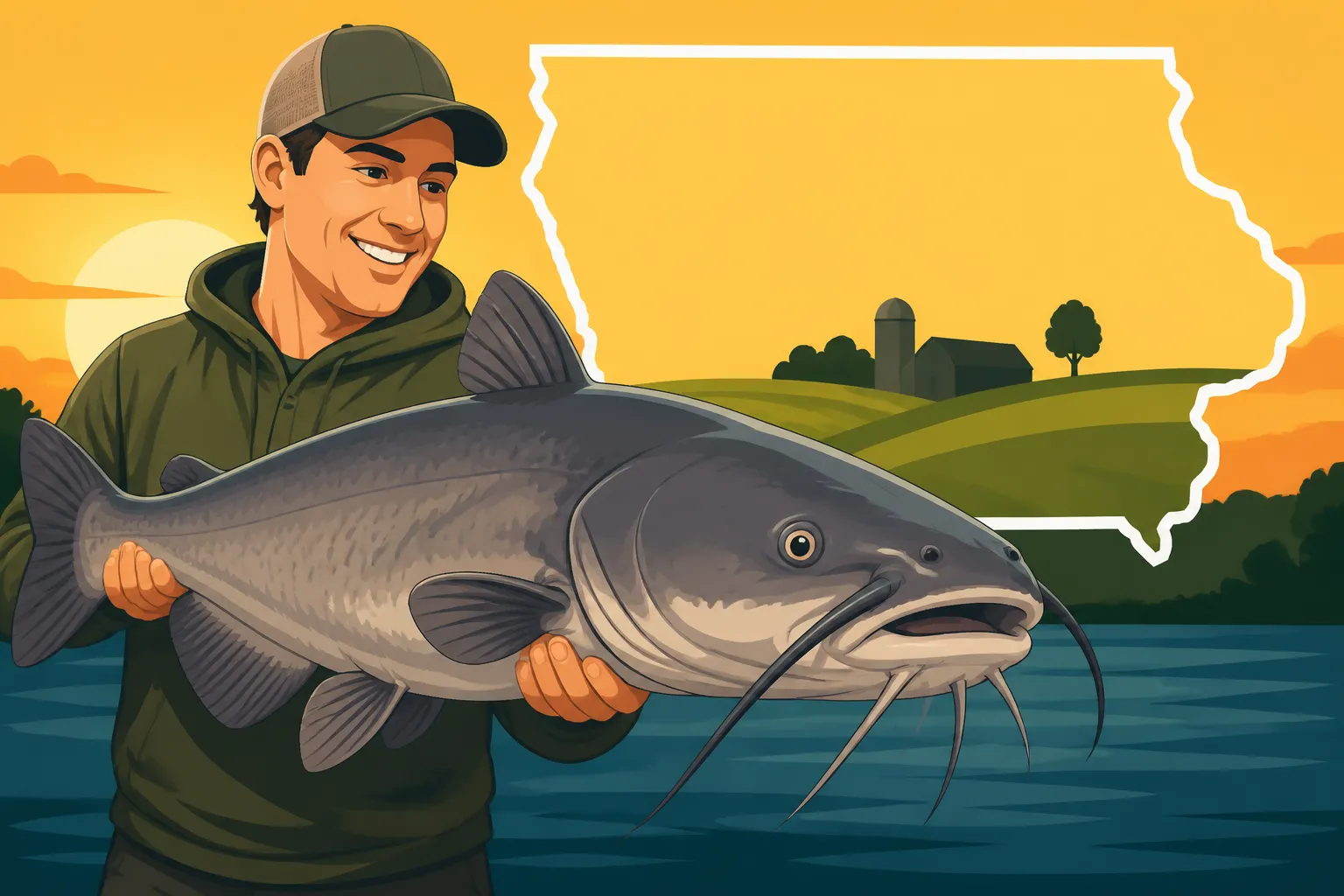
If you've ever cast a line into an Iowa lake or river, you've probably wondered about the magnificent channel catfish lurking beneath the surface. It's a question every angler asks: "Just how big do they really get around here?" You're dreaming of that monster catch, the one that bends your rod double and gives you a story for a lifetime. This guide is here to shed some light on the impressive sizes these whiskered warriors can reach in Iowa's diverse waters, and what it takes to reel one in.
Understanding Channel Catfish Growth in Iowa Waters
Channel catfish are one of Iowa's most beloved and widespread sport fish, thriving in everything from sprawling reservoirs to meandering rivers and even smaller farm ponds. Their size can vary quite a bit depending on where they call home. It's not just a matter of age; it's a whole ecosystem at play that dictates how large these incredible fish can grow.
Average Sizes Across Different Habitats
You might be surprised at how different a channel catfish can look and weigh depending on whether it grew up in a big river like the Mississippi or a quiet community pond. In smaller, often overpopulated ponds, you'll typically find a higher density of fish, but they tend to be smaller, sometimes only a pound or two, struggling for food and space. They might be numerous, but they're not usually the lunkers you're hoping for.
On the flip side, in larger river systems such as the Mississippi River Pool 9 Fishing or the lower stretches of the Des Moines River, channel catfish have vast territories to roam, abundant food sources, and less competition per square mile. Here, it's not uncommon to regularly catch fish in the 5 to 10-pound range. A true hog in these waters might push past 15 pounds, sometimes even reaching the mid-20s. Lakes and reservoirs like Rathbun or Saylorville Reservoir Catfish Spots also offer prime conditions, with ample forage fish and invertebrate life contributing to robust growth rates. It truly paints a picture of "you are what you eat, and where you eat it!"
Factors Influencing a Channel Catfish's Size
Several key factors conspire to determine just how big a channel catfish will grow during its lifetime. It's a complex interplay, much like any living creature, but understanding these elements can help you target areas more likely to hold larger fish.
Firstly, food availability is paramount. Catfish are opportunistic feeders, eating almost anything from insects and crustaceans to smaller fish and even decaying organic matter. Waters rich in diverse forage and nutrients will naturally produce larger, healthier catfish. Think about a big river with a steady flow bringing down all sorts of sustenance versus a small, isolated pond. Secondly, water quality and habitat play a huge role. Clean, well-oxygenated water with plenty of structure – like submerged logs, rock piles, or deep scour holes – provides both a safe haven and prime hunting grounds. Genetics also factor in; just like people, some catfish are simply predisposed to grow larger than others. Lastly, and perhaps most obviously, age is a major determinant. A catfish that has lived for many years in optimal conditions will naturally be much larger than a younger fish. However, growth can slow dramatically once a fish reaches a certain size, especially if food resources become scarcer. For more on their natural behaviors, check out our guide on Channel Catfish Habitat in Iowa.
To give you a clearer picture, here's a general idea of how channel catfish sizes might vary:
| Habitat Type | Typical Catch Size (pounds) | Trophy Potential (pounds) | Key Growth Factors |
|---|---|---|---|
| Small Ponds | 1-3 | 5-8 | Limited food, high density, rapid growth initially |
| Medium Lakes/Rivers | 3-10 | 15-20 | Moderate food, good structure, balanced populations |
| Large Rivers/Res. | 5-15 | 20-30+ | Abundant food, diverse habitat, lower density |
The Thrill of a Trophy Channel Catfish in Iowa
For many anglers, landing a channel catfish isn't just about putting dinner on the table; it's about the fight, the challenge, and the dream of catching a true trophy. Iowa offers some fantastic opportunities for those seeking a fish that will make their reel scream and their arms ache.
What Qualifies as a "Trophy" Channel Catfish?
Defining a "trophy" channel catfish is a bit like defining a "trophy" deer – it's often in the eye of the beholder, but there are generally accepted benchmarks. For most Iowa anglers, a channel catfish exceeding 10 pounds is considered a very respectable catch, certainly a "trophy" in many smaller waters. As you move into the larger river systems or major reservoirs, that threshold might nudge up a bit, with fish in the 15-20 pound range being what most seasoned catfishermen would classify as a true trophy.
These larger fish are often older, wiser, and have survived many seasons and countless hooks, making them a testament to their resilience. The thrill isn't just in their size but in the challenge they present. Imagine the powerful runs and headshakes of a 20-pound channel cat in a river current – that's an experience that sticks with you! If you're wondering about other big fish, you might be interested in the Iowa State Record Flathead Catfish.
Iowa's State Record Channel Catfish
Iowa has a proud history of incredible fishing, and its state record channel catfish stands as a testament to the potential of our waters. While I can't give you the exact current record weight or the year it was caught (you'll want to check the official Iowa DNR website for the very latest figures!), rest assured, it's a truly massive fish, a once-in-a-lifetime catch that pushed the boundaries of what most anglers think is possible.
The existence of such a record proves that genuinely gargantuan channel catfish are swimming in Iowa's rivers and lakes. While breaking a state record is an incredibly rare feat, it certainly fuels the dream. It also highlights that by understanding catfish behavior, choosing the right spots, and employing proper techniques, you significantly increase your odds of encountering those impressive, near-record-breaking fish that make for unforgettable fishing tales.
Where to Find Bigger Channel Catfish in Iowa
Knowing that big channel catfish exist is one thing; knowing where to find them is the key to turning those dreams into reality. Iowa's diverse aquatic landscape provides numerous hotspots for targeting these whiskered giants.
Productive Rivers and Lakes for Large Catfish
When you're chasing larger channel catfish, your best bet is to focus on Iowa's major river systems and large impoundments.
- The Mississippi River: This majestic waterway is arguably the reigning champion for trophy channel catfish in Iowa. Its vastness, deep channels, backwater sloughs, and abundant food sources create an ideal environment. Targeting areas below dams, around wing dams, and in deep holes or channels near current breaks can yield exceptional results. Consider exploring Mississippi River Pool 10 Fishing for some prime action.
- The Missouri River: Forming Iowa's western border, the Missouri River also offers fantastic opportunities. Like the Mississippi, its strong currents, deep scour holes, and snags provide perfect ambush points for large cats.
- Interior Rivers (Des Moines, Iowa, Skunk, Cedar): Don't overlook Iowa's impressive network of interior rivers. The Des Moines River, especially its lower sections, is known for producing excellent channel catfish. Look for deep bends, log jams, and areas where tributaries flow in. These rivers may not have the sheer volume of the Mississippi, but they often hold some surprisingly large fish in more intimate settings.
- Large Reservoirs (Rathbun, Saylorville, Red Rock, Coralville): These big lakes mimic many river characteristics with their size and structure. Rathbun Lake Catfish Spots are legendary, as are those on Saylorville. Catfish in these impoundments often relate to old creek channels, humps, points, and timber. They’re less about current and more about depth and submerged structure.
Key Structures and Depths to Target
Channel catfish, especially the bigger ones, are not just swimming aimlessly. They are creatures of habit and prefer certain types of structure and depth for feeding, resting, and escaping predators. Learning to "read the water" and identify these prime locations is crucial.
- Deep Holes and Channels: Catfish love to sit in deeper water, especially during the day, where temperatures are more stable and they feel secure. Look for pronounced drops, submerged creek channels, or scour holes often found below bends in rivers or near dam structures.
- Submerged Structure (Log Jams, Snags, Rock Piles): These are absolute magnets for catfish. They provide cover from current, ambush points for prey, and a sense of security. Casting your bait near these dense areas, even if it means losing a hook or two, can be incredibly productive.
- Current Breaks and Seams: In rivers, catfish will position themselves just out of the main current, in an eddy or behind a log, waiting for food to be swept past them. These "current seams" are prime feeding zones.
- River Bends and Confluence: Deep bends in rivers often create deeper holes on the outside bend. The confluence of two rivers or a creek mouth emptying into a larger body of water can also be hot spots, as these areas concentrate baitfish and nutrients.
Practical Tips for Catching Larger Channel Catfish
Catching a truly big channel catfish requires more than just luck; it demands strategy, patience, and the right gear. These aren't your grandpa's panfish!
Bait and Tackle for Big Catfish
When you're targeting bigger channel cats, you need to upgrade your gear. Light panfish tackle just won't cut it, and you'll likely end up broken off and disappointed.
- Rods and Reels: Opt for medium-heavy to heavy-action rods, generally 7 to 9 feet long, paired with robust spinning or baitcasting reels. A sturdy rod provides the backbone needed to absorb powerful runs and lift a heavy fish, while a reliable reel with a smooth drag is essential. If you're curious about setups, read our Best Rod for Catfish Fishing guide.
- Line: Don't skimp on line strength. Twenty to 30-pound test monofilament or braided line is a good starting point. Braided line offers superior sensitivity and strength for its diameter, which can be an advantage when fishing in heavy cover.
- Hooks: Forget those tiny panfish hooks. Go with strong, sharp circle hooks or Kahle hooks in sizes ranging from 2/0 to 6/0, depending on your bait size. Circle hooks are excellent for catfish as they typically hook in the corner of the fish's mouth, making for easier, safer releases if you're practicing catch and release.
- Sinkers: You'll need enough weight to get your bait down and hold it in the current. Pyramid sinkers or no-roll sinkers are popular choices in rivers, ranging from 1 to 4 ounces or more, depending on the current.
- Bait: This is where the magic often happens. While small channel cats will eat just about anything, bigger ones often prefer a more substantial meal.
- Cut Bait: Fresh cut bait from oily fish like shad, skipjack herring, or even bluegill (check local regulations on using game fish as bait) is a perennial favorite. The scent trail is irresistible.
- Prepared Baits (Stink Baits, Punch Baits): There are many commercially available "stink" or "punch" baits specifically designed for channel catfish. Brands found on platforms like Amazon offer a wide variety, from strong cheese-based options to blood baits. These often work well in slack water or areas with less current.
- Live Baits: While less common for channel catfish compared to flatheads, a lively nightcrawler or large minnow can sometimes entice a bite. Always check Can You Use Live Bait Fish? rules.
- Dead Baits: Large chunks of shrimp, chicken livers, or even hot dogs can be surprisingly effective, especially when soaked in a strong attractant.
For a deeper dive into bait options, consult our Catfish Bait Guide for Iowa Anglers. And remember to always be aware of the Channel Catfish Daily Limit in Iowa and Is There a Closed Season for Catfish? regulations before you head out.
Patience and Persistence
Catching trophy channel catfish isn't usually a quick affair. It often requires patience, persistence, and a willingness to put in the time. Big fish don't get big by being easy to catch!
- Time of Day/Night: While channel catfish can be caught throughout the day, larger specimens are often more active feeders during low-light conditions, particularly at dawn, dusk, and especially at night. Night fishing allows them to roam more freely, with less boat traffic and human disturbance. Be prepared with a good headlamp (many reliable options are available on Amazon for outdoor enthusiasts) and ensure you know the Night Fishing Techniques for Catfish.
- Setting Up: Once you've identified a promising spot, don't be afraid to set out multiple rods (within the legal limits – check How Many Fishing Poles You Can Use in Iowa) with different baits or at varying depths. This increases your chances of finding what the fish are keying in on.
- Waiting it Out: Catfishing can be a waiting game. Don't be discouraged if you don't get bites immediately. Sometimes it takes a while for the scent of your bait to spread and attract a curious cat. Bring a comfortable chair, some snacks, and enjoy the tranquility of the Iowa outdoors. The reward of a massive channel catfish on the end of your line is well worth the wait!
Disclaimer
This article is for general informational purposes only and does not constitute professional advice. Laws, prices and regulations vary by location and change over time. Consult a qualified professional for guidance on your specific situation.