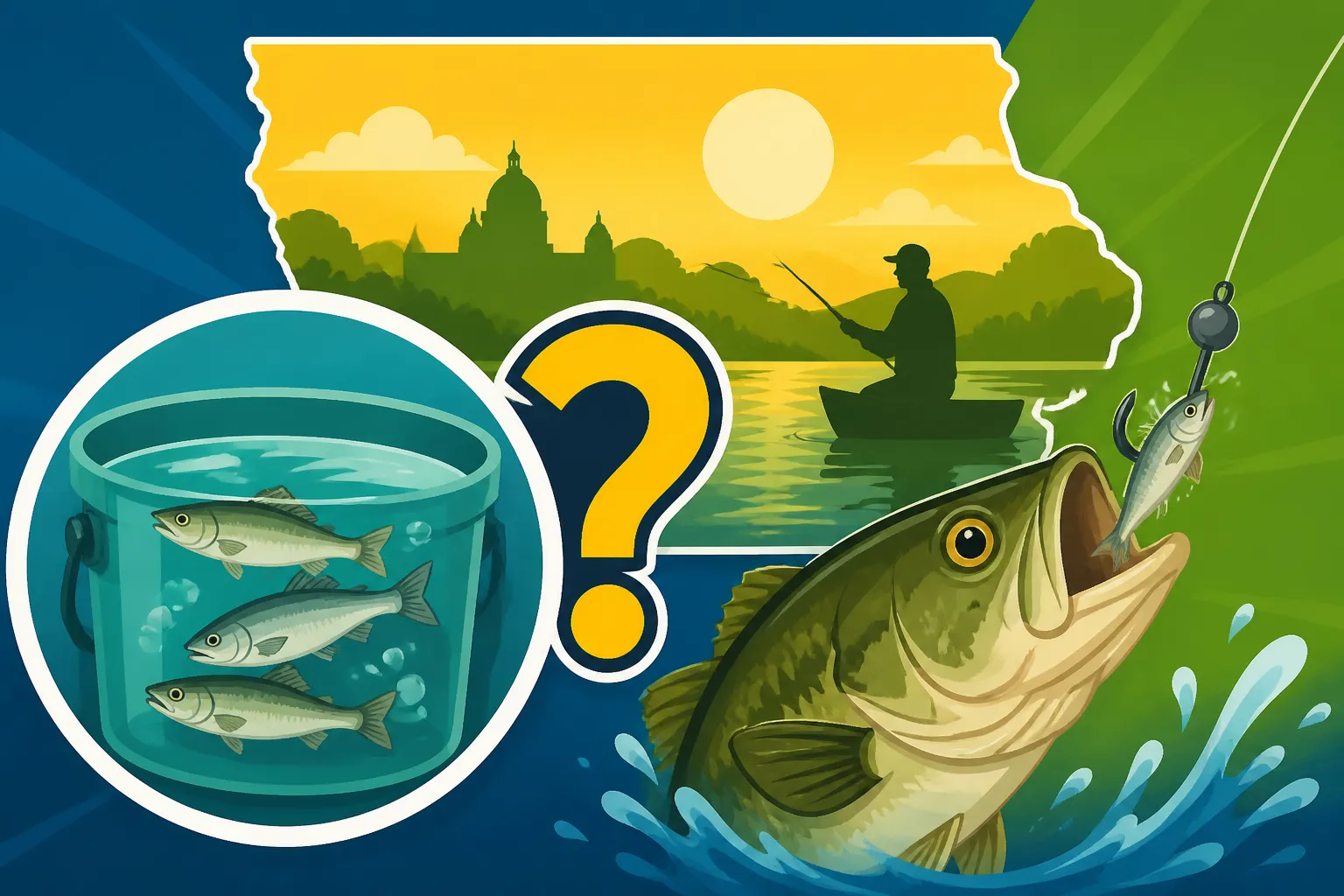
Can You Use Live Bait Fish?
There's nothing quite like the anticipation that comes with dropping a lively minnow or a wriggling worm into the water, feeling that subtle twitch when a fish takes the bait. For many Iowa anglers, using live bait fish is a time-honored tradition and often, the most effective way to entice those prized catches. However, the world of live bait isn't as simple as just scooping up some minnows from a ditch and heading to your favorite fishing hole. Many folks get confused and frustrated by the seemingly endless rules surrounding what bait you can use, where you can get it, and how you can transport it. This guide is here to untangle those regulations, helping you understand exactly how to legally and responsibly use live bait fish in Iowa waters without inadvertently breaking the law or harming our precious aquatic ecosystems.
Understanding Iowa's Live Bait Fish Regulations
Navigating the rules for live bait fish in Iowa can feel a bit like trying to read a treasure map in the dark. The core of these regulations isn't meant to make your life harder, but rather to protect Iowa's fisheries from diseases and invasive species that can hitch a ride on bait. The Iowa Department of Natural Resources (DNR) takes this very seriously, and for good reason—one small mistake can have long-lasting, devastating effects on local fish populations and water quality.
The General Rule for Live Bait Fish
At its heart, Iowa's live bait fish regulation revolves around two key principles: your bait must come from an "approved source," or it must be "caught on-site" from the same body of water you intend to fish. This might sound straightforward, but there are nuances. An approved source ensures that the bait has been inspected and is free from harmful pathogens or invasive species not typically found in Iowa waters. Think of it as a health certificate for your minnows. The "caught on-site" rule is equally vital because it prevents you from accidentally introducing a species or disease from one lake or river into another. It's a critical safeguard against ecological disruption, ensuring that the diverse fish species in Iowa remain healthy and robust. If you're ever in doubt, remember that ignorance of the law isn't a valid excuse, and violations can lead to fines. For a broader overview of all the rules, check out our comprehensive guide on Iowa Fishing Regulations Explained.
What Qualifies as an "Approved Source"?
When the Iowa DNR talks about an "approved source" for live bait fish, they're typically referring to bait purchased from a licensed bait dealer within the state of Iowa. These are the folks who go through specific licensing processes, which include adhering to strict guidelines designed to prevent the spread of aquatic diseases like Viral Hemorrhagic Septicemia (VHS) or the accidental introduction of undesirable species. When you buy minnows, suckers, chubs, or other live bait from a reputable bait shop, you should always keep your receipt. This receipt serves as proof of purchase from an approved source and can be incredibly important if a conservation officer ever checks your bait. It demonstrates that you've done your due diligence in ensuring your bait is legal and safe to use. Many larger sporting goods stores like those that stock gear you might find on Amazon, or local mom-and-pop bait shops, are all generally licensed dealers, so just make sure they provide that crucial receipt!
Catching Your Own Live Bait Fish
The "caught on-site" rule is a fantastic option for anglers who enjoy the full experience of sourcing their own bait. This means you can catch minnows or other small fish directly from the lake, river, or stream you plan to fish, and then immediately use them in that same water body. The critical distinction here is that you absolutely cannot transport these wild-caught baitfish from one body of water to another. For instance, if you catch shiners in West Okoboji Lake, they can only be used in West Okoboji Lake. You can't take them to Spirit Lake or down to the Des Moines River. This restriction is paramount for preventing the spread of diseases and invasive species from one ecosystem to another.
When it comes to the gear you can use to catch your own bait, Iowa regulations are quite specific. You're generally allowed to use:
- Minnow traps: Small, easily deployable traps designed to catch minnows.
- Cast nets: These are circular nets that are cast by hand to ensnare baitfish. Be sure to check the size limitations on cast nets, as they can vary.
- Seines: Long nets used by two people to sweep through shallow water. There are specific length and depth limits for seines, so always verify current regulations.
- Hands: Sometimes, the simplest method is the most effective!
Always double-check the current Iowa Fishing Regulations Explained booklet or the DNR website for precise dimensions and rules regarding bait-catching equipment, as these can be updated annually. Common species caught for bait include small shiners, minnows, chubs, and dace. Just remember: if you catch it yourself, use it there, or lose it!
Restrictions and Prohibited Live Bait Fish
While live bait can be incredibly effective, not all fish are created equal in the eyes of Iowa's conservation laws. There are strict prohibitions on certain species, and even legal bait fish have tight restrictions on how they can be transported. These rules are in place for compelling ecological reasons, primarily to protect Iowa's native fisheries from the threat of disease and invasive species.
Species You Absolutely Cannot Use or Possess as Live Bait
This is a non-negotiable area. Certain fish species are explicitly prohibited from being used or possessed as live bait in Iowa, regardless of where they were obtained. The primary concern here is preventing the spread of invasive species that can outcompete native fish, alter habitats, or introduce diseases. Common examples of species generally prohibited as live bait include:
- Common Carp and Asian Carp species: While these are widespread, they are considered invasive and cannot be used as live bait. This includes Bighead, Silver, and Grass Carp.
- Goldfish: Though a common pet, goldfish are non-native and can introduce diseases or become invasive in natural waters.
- Rusty Crayfish: While not a fish, these are a highly aggressive invasive species often confused with native crayfish and are illegal to possess or use as bait.
- White Perch: Another non-native species that can quickly establish populations and compete with native game fish.
- Gizzard Shad: While native to some parts of Iowa, the use of Gizzard Shad as live bait is restricted in certain water bodies to prevent their spread to new systems where they could be problematic. It's always crucial to check specific lake or river regulations.
The reasoning behind these prohibitions is sound. A single bucket of illegal baitfish dumped into a lake can introduce a new, destructive species that disrupts the entire food web, harms native fish, and can even degrade water quality. Always be absolutely sure of what's in your bait bucket. If you're buying bait, rely on licensed dealers. If you're catching your own, be vigilant about identification. You can find more specific details on what fish are considered illegal to release in Iowa within our guide on What Fish Are Illegal to Release in Iowa.
Rules for Transporting Live Fish
This is perhaps the trickiest part of the live bait puzzle. Transporting live fish in Iowa is heavily regulated, and for very good reasons. The main goal is to prevent the transfer of aquatic invasive species (AIS) and diseases from one water body to another. Imagine unknowingly carrying a tiny hitchhiker invasive species or a microscopic disease agent in your bait bucket. That single transfer could lead to an outbreak that costs millions to manage and irrevocably damages a fishery.
Here's the crucial breakdown:
- Approved Source Bait: If you purchase live bait fish from a licensed bait dealer, you can transport them. However, you must keep them in containers that contain only commercial baitfish, with only the water obtained from the bait dealer. You must also have your receipt of purchase. You cannot mix them with water from a lake or river, nor can you add any wild-caught fish to that container for transport.
- Wild-Caught Bait: Live bait fish you catch yourself are not allowed to be transported alive away from the water body where they were caught. Period. This means if you catch minnows in the Des Moines River, they must be used there, or they must be disposed of properly (e.g., killed and put in the trash, or used as dead bait) before you leave the immediate area of that river. You cannot take them home, and you cannot take them to another lake, even if it's nearby.
- "Drain, Clean, Dry" Principle: This isn't just for boats! Anytime you leave a water body, your bait containers, aerators, and any equipment that has touched the water (nets, boots, etc.) should be drained, cleaned, and ideally dried before you use them in another water body. This prevents the transfer of microscopic organisms, plant fragments, and invasive species larvae.
Failing to adhere to these transportation rules can lead to significant penalties. It's not just about a fine; it's about protecting Iowa's natural resources for future generations. For a detailed breakdown of these rules, particularly relevant to what you might find on a typical fishing trip, consult our article on Rules for Transporting Live Fish.
Practical Tips for Using Live Bait Fish Responsibly
Using live bait fish effectively and responsibly isn't just about following the rules; it's about adopting best practices that benefit both your fishing success and the health of Iowa's aquatic environments. As seasoned anglers, we have a responsibility to be stewards of the waters we enjoy.
Best Practices for Bait Selection and Storage
Choosing and caring for your live bait makes a huge difference, not just for the fish you're targeting, but also for preventing the spread of issues.
- Buy Local, Buy Smart: Always try to purchase your bait from a local, reputable bait shop in Iowa that you trust. These dealers are licensed and knowledgeable about regulations. Don't be shy to ask them questions about their bait source or what's legal in the area you'll be fishing. A good bait shop will gladly share this information.
- Keep Bait Healthy: Healthy bait is lively bait, and lively bait catches more fish! This means providing them with a good environment.
- Aeration: A portable aerator is your best friend. Even a small, battery-operated one can keep minnows vigorous for hours. You can find excellent, affordable options on Amazon, from simple bubble stones to more advanced models with adjustable airflows.
- Water Quality and Temperature: Keep the bait water cool and clean. Avoid overcrowding your bait bucket. If you're out on a hot summer day, consider adding a frozen water bottle (not ice directly, as tap water ice can contain chlorine) to your bait bucket to keep the temperature down. Change the water regularly with water from the body you're fishing in (after you've arrived, of course, and never transport water from one lake to another).
- Proper Containers: Invest in a good bait bucket or livewell. Many come with built-in aerator clips and insulated walls. A quality bait bucket is an essential piece of gear for any live bait angler.
By keeping your bait in top condition, you not only increase your chances of a successful fishing trip but also ensure that any bait you handle is less stressed and, therefore, less susceptible to disease.
Avoiding Accidental Introductions
This is where the rubber meets the road when it comes to being a responsible angler. Accidental introductions of non-native species or diseases often happen because of simple carelessness, not malicious intent.
- Never Release Unused Bait: This is a golden rule. When you're done fishing, do not dump your unused live bait fish into the water. Even if you bought them from an approved source, they might have come into contact with water from the lake you were just fishing, potentially picking up local pathogens. The safest practice is to dispose of them properly.
- Proper Disposal: Kill any remaining baitfish and dispose of them in the trash. Some anglers will freeze them for future dead bait use, or even use them as compost in a garden. The key is that they should not enter any natural water body alive.
- Clean Your Gear Thoroughly: Before moving from one fishing spot to another, especially between different lakes or rivers, take the time to clean all your gear. This includes:
- Bait Buckets and Livewells: Empty all water. Rinse and dry them completely.
- Nets, Lines, and Lures: Remove any weeds, mud, or debris. Again, rinsing and drying is crucial.
- Boats and Trailers: Follow the "Drain, Clean, Dry" protocol religiously. This means pulling the drain plug, removing all weeds, and letting everything dry out for as long as possible.
- Be Vigilant at Public Access Points: It's easy to get caught up in the excitement of fishing, but take an extra moment at boat ramps and access points to ensure your gear is clean. You don't want to be the person who inadvertently introduces a problem to a new water body.
Adhering to these practices helps protect the fishing opportunities we all cherish. If you happen to spot someone not following these rules, consider politely educating them, or if it's a serious violation, you can always contact the Iowa DNR. Learning how to report a fishing violation in Iowa is a valuable skill for any concerned angler.
Common Misconceptions and FAQs About Live Bait
Even experienced anglers sometimes misunderstand specific aspects of Iowa's live bait regulations. Let's clear up some common myths and answer frequently asked questions.
"If I catch it, I can use it anywhere."
This is probably one of the most persistent and potentially problematic misconceptions out there. Many anglers assume that if they legally catch a minnow or small panfish, they can then use it as bait in any other body of water. This is absolutely false for live bait in Iowa. The rule is very clear: bait fish caught from a specific body of water can only be used in that same body of water.
The rationale, as we've discussed, is disease and invasive species prevention. Even if two lakes are geographically close, they can have distinct ecological profiles. A disease present in one might not be in the other, or a non-native species might be present in one but not yet established in another. Transporting live, wild-caught bait, even just a few miles, significantly increases the risk of spreading these harmful elements. So, if you catch your own bait, think of it as "site-specific" bait—it stays where it was caught. If you want to fish different water bodies, you'll either need to catch new bait at each location or purchase commercially sourced bait with a receipt.
"It's just a minnow, what's the big deal?"
This seemingly innocent thought can lead to major ecological problems. It's easy to dismiss a small minnow or a few unused worms as inconsequential, but the collective impact of thousands of anglers doing so can be immense.
- Disease Transmission: Even healthy-looking bait can be a carrier of pathogens. Releasing diseased bait, whether purchased or wild-caught, can introduce illnesses to a native fish population that has no immunity, potentially causing widespread die-offs.
- Invasive Species Introduction: A "minnow" might not be what you think it is. Juvenile invasive species like Asian carp, White Perch, or even species like Goldfish (which are non-native) can easily be mistaken for native baitfish. Releasing these can lead to new, self-sustaining populations that outcompete native fish for food and habitat, altering the entire ecosystem. Imagine the impact if you accidentally introduced a species that consumes all the food sources for native panfish or walleye. This kind of problem is exactly what the Iowa DNR aims to prevent with strict regulations on bait and species limits. You can explore more about species to avoid in our Iowa Fish Species Guide.
- Genetic Pollution: Even if the baitfish you release is the same species as those found naturally in the water, it could be from a different genetic strain. Introducing different genetic material can weaken local populations over time, making them less resilient to environmental changes.
So, while it might seem like "just a minnow," its potential impact is far from small. Responsible bait handling and disposal are crucial components of ethical angling and ensuring the health of Iowa's beautiful waterways for everyone to enjoy.
Essential Live Bait Fish Regulations at a Glance
To make things a little easier to digest, here's a quick summary table of the key regulations for using live bait fish in Iowa:
| Regulation Aspect | Description | Key Action for Anglers |
|---|---|---|
| Source of Bait | Must be from an "approved source" (licensed bait dealer with receipt) OR "caught on-site" from the body of water being fished. | Always keep bait dealer receipts. If wild-caught, use only where caught. |
| Prohibited Species | Certain species are illegal to use or possess as live bait (e.g., Asian carp, common carp, goldfish, white perch, rusty crayfish). | Learn to identify prohibited species. Never use them. |
| Transportation (Approved) | Live bait from a licensed dealer can be transported in water from the dealer, with a valid receipt. | Keep receipt; don't mix with wild-caught fish or water from other bodies. |
| Transportation (Wild-Caught) | Live bait caught from a water body CANNOT be transported alive away from that specific water body. | Use wild-caught bait immediately in the same water, or dispose of properly before leaving. |
| Disposal | Never release unused live bait (from any source) into any water body. | Kill unused bait and dispose of in trash, or use as dead bait. |
| Cleaning Gear | All gear (buckets, nets, boats) must be drained, cleaned, and preferably dried between different water bodies to prevent spread of aquatic invasive species and diseases. | Practice "Drain, Clean, Dry" diligently after every fishing trip. |
These guidelines are designed to help you enjoy your time on the water while protecting Iowa's rich fishing heritage. Whether you're targeting big walleye on the Mississippi or crappie in one of the Iowa Great Lakes, understanding bait rules is crucial for successful and responsible angling. If you're planning a trip to the bigger waters, be sure to brush up on Fishing Regulations at the Iowa Great Lakes as well, as some specific rules might apply.
Disclaimer
Please remember that fishing regulations, including those pertaining to live bait, can change. Always consult the most current Iowa Fishing Regulations booklet published by the Iowa Department of Natural Resources (DNR) or visit their official website before heading out. This article is intended for informational purposes only and should not be considered a substitute for the official regulations.