Rathbun Lake Catfish Spots
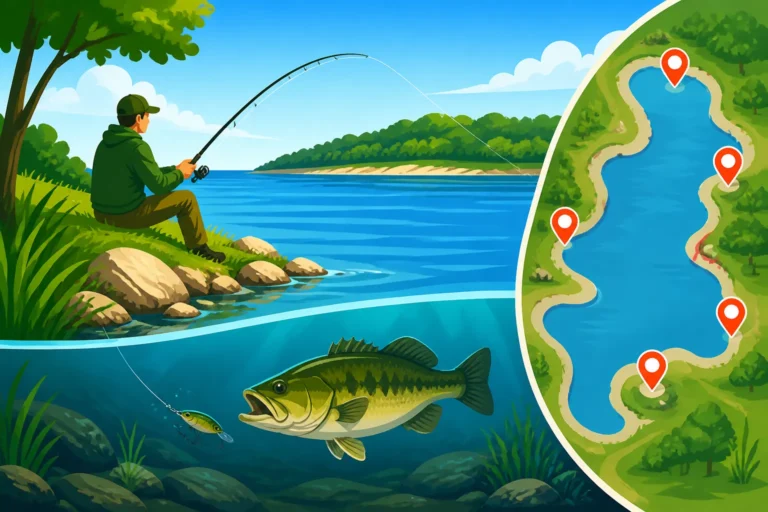
It’s easy to feel a bit lost when you’re staring at a map of Rathbun Lake, especially when you’re on the hunt for catfish. This vast body of water, often called "Iowa's Ocean," can seem intimidating, making it tough to pinpoint those elusive whiskered giants. But don't you worry, this comprehensive guide is designed to demystify Rathbun Lake, revealing its prime catfish real estate and sharing the strategies you need to fill your cooler.
Understanding Rathbun Lake's Catfish Appeal
Rathbun Lake, nestled in south-central Iowa, isn't just a pretty face; it’s a thriving ecosystem that makes it a true mecca for catfish anglers. When you understand what makes this lake tick, you'll start to see why it consistently produces some of the biggest and most numerous catfish in the state. It’s a combination of diverse habitats, an abundant food supply, and consistent stocking efforts by the Iowa Department of Natural Resources (DNR) that contribute to its legendary status.
The Lake's Ecosystem: Why Catfish Thrive Here
What makes Rathbun Lake such a powerhouse for catfish? Well, it boils down to its unique geological features and rich aquatic life. The lake was formed by damming the Chariton River, and as a result, it retains much of the old river channel, creating deep, meandering pathways that catfish absolutely adore. These channels offer vital cooler water and cover during the scorching summer months, acting as natural highways for the fish. Beyond the main channel, there's a vast amount of flooded timber and standing brush, especially in the shallower arms and coves. This woody debris provides perfect ambush points for flathead catfish and offers crucial protection and foraging grounds for all catfish species.
The sheer size of Rathbun Lake, covering over 11,000 acres, also means there's a huge diversity of forage fish. Gizzard shad are particularly abundant, forming the backbone of the diet for many predator species, including catfish. Catfish, especially flatheads, are opportunistic feeders and will gorge on these readily available baitfish. The presence of ample baitfish, coupled with a healthy population of crayfish and other aquatic invertebrates, ensures that Rathbun's catfish are well-fed and grow to impressive sizes. It’s not uncommon to hear tales of 20-pound channel cats and even larger flatheads pulled from these waters, a testament to the lake's rich pantry.
Species You'll Find: Channel, Flathead, and Blue Catfish
While most Iowa lakes might offer you a shot at channel cats, Rathbun Lake really shines by providing excellent opportunities for three distinct species: Channel, Flathead, and, increasingly, Blue Catfish. Each has its own personality, preferred habitat, and angling challenge, making Rathbun a versatile destination for any catfishing enthusiast.
Channel Catfish are, without a doubt, the most common and widespread species in Rathbun. They're often referred to as the "everyman's catfish" because they're relatively easy to catch, put up a respectable fight, and are absolutely delicious. You'll find them almost everywhere in the lake, from shallow flats to deep channels, and they’re not particularly picky eaters. During the warmer months, you can catch them in impressive numbers, often weighing between 2-10 pounds, though bigger ones are definitely present. Their characteristic spotted bodies and forked tails make them easy to identify.
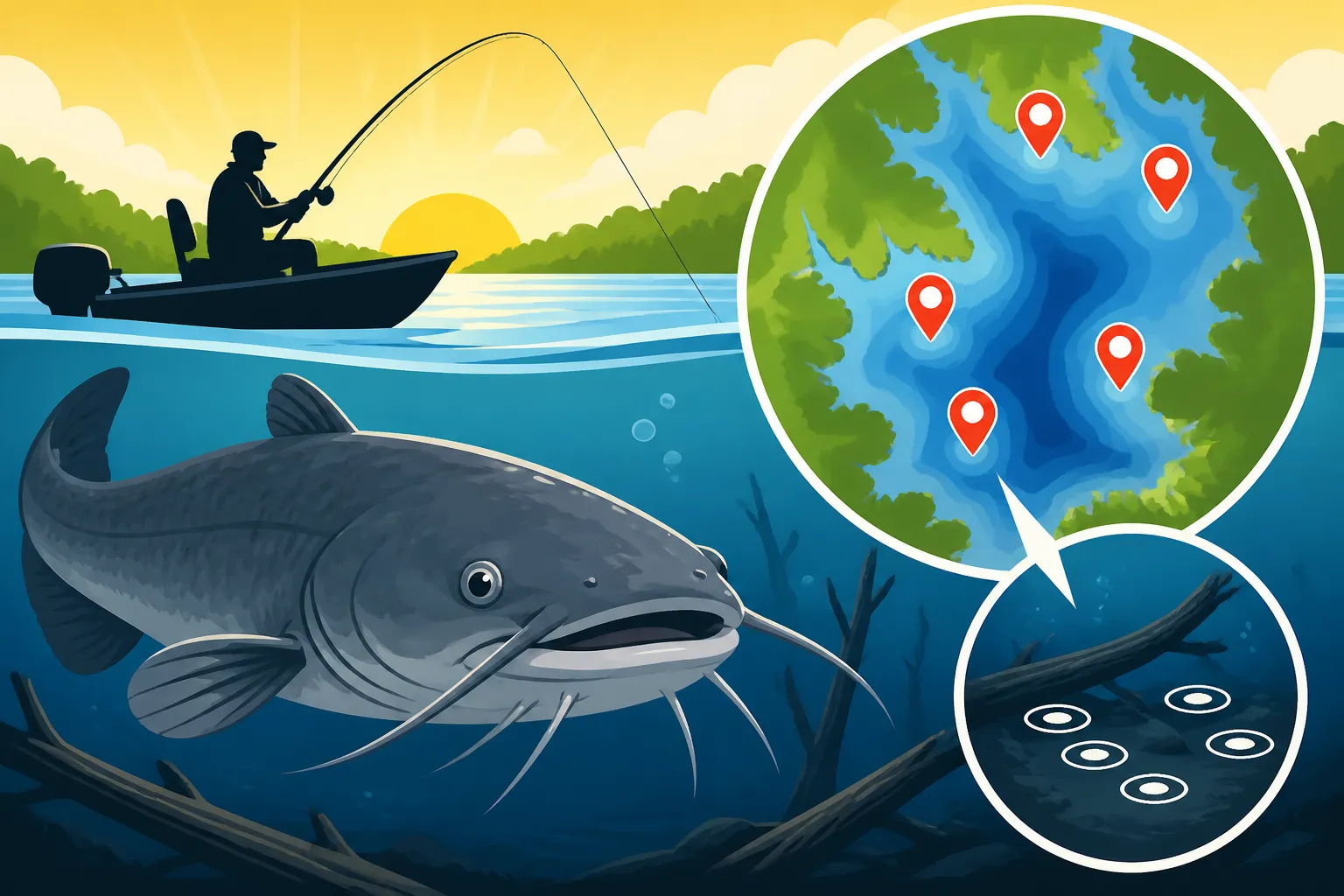
Flathead Catfish are the true giants of Rathbun Lake, known for their broad, flat heads, mottled coloration, and strong, tenacious fight. Unlike channel cats, flatheads are predominantly piscivorous, meaning they prefer to eat live baitfish. They are ambush predators that love to hide in heavy cover like submerged timber, rock piles, or deep holes in the old river channel. Catching a trophy flathead often requires patience, heavy tackle, and a willingness to fish in snaggy areas. They can grow to massive sizes in Rathbun, with fish exceeding 40 pounds not unheard of, making them a bucket-list fish for many anglers. If you’re targeting flatheads, remember that they are often more active at night. If you’re new to targeting these bigger cats, consider looking for a guide on platforms like FishingBooker who specializes in big flatheads; they can save you a lot of trial and error.
Blue Catfish are a newer, but rapidly growing, presence in Rathbun Lake. These are arguably the largest freshwater catfish species in North America, and their introduction has generated a lot of excitement. Blue cats thrive in large riverine and reservoir environments, much like Rathbun, where they can reach truly gargantuan sizes. They share some characteristics with channel cats, including a forked tail, but are typically larger, have a more sloped head, and lack the spots often seen on smaller channel catfish. While they are still establishing their numbers, anglers are already reporting impressive catches. As their population expands, Rathbun Lake is poised to become one of the premier blue catfish destinations in the Midwest. Keep an eye on local fishing reports and the Iowa DNR's updates for the latest on blue catfish populations and hotspots within the lake.
Top Catfish Hotspots on Rathbun Lake
Knowing where to fish on a lake as large as Rathbun is half the battle. Catfish are creatures of habit and structure, and while they might roam, they tend to congregate in certain areas that offer food, cover, and favorable water conditions. Targeting these key spots will dramatically increase your chances of success.
The Core Lake Basin and River Channels
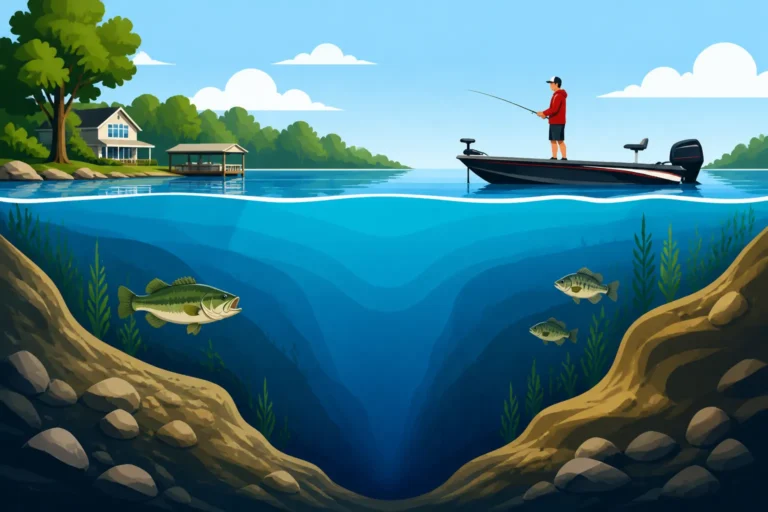
The original Chariton River channel, now submerged under Rathbun Lake, remains a primary highway and holding area for catfish, especially the larger flatheads and blues. This old riverbed snakes its way through the entire lake, offering deeper water and varying bottom contours that fish utilize year-round. It’s like a secret road system under the water.
To locate this channel, a good GPS unit or a detailed lake map is invaluable. Look for sudden depth changes, ledges, and breaks in the bottom contour. These areas often concentrate baitfish, which in turn attract hungry catfish. The bends in the old river channel are particularly productive, as current (even subtle reservoir current) can create scour holes and deposit food, making them prime ambush points. In the deeper sections of the main basin, especially where the channel runs close to major points or humps, you'll often find schools of channel catfish suspending or holding tight to the bottom. These deeper haunts become especially important during the summer when catfish seek refuge from warmer surface temperatures. Drifting the length of the channel with cut bait or live bait can be an incredibly effective strategy, allowing you to cover a lot of water and present your bait to numerous fish.
Coves, Creek Arms, and Timbered Areas
While the main lake channel is great for big fish, the myriad of coves, creek arms, and timbered areas throughout Rathbun Lake are absolute goldmines for channel catfish and offer fantastic opportunities for flatheads too. These shallower, more protected areas often warm up faster in the spring and hold incredible amounts of cover.
Consider creek arms like Honey Creek or Island View – they act as natural funnel points for baitfish and offer abundant submerged timber and brush piles. During the spring spawn, channel catfish will move into these areas, seeking out hard bottoms and protective cover to lay their eggs. Fishing around flooded trees, especially those with visible branches sticking out of the water or those marked on your sonar, can be incredibly productive. These areas provide shade, shelter from predators, and a constant supply of insects and smaller fish. For flatheads, these dense timber areas are their preferred lairs, where they can ambush prey. Dropping a live bluegill or green sunfish tight to a log jam, especially at dusk or throughout the night, can yield a monster flathead. Don't be afraid to fish tight to the cover; sometimes, your bait needs to be practically in their living room to entice a bite. Additionally, the countless small coves and pockets around the lake, often overlooked, can hold surprisingly good numbers of channel catfish, particularly if they have a muddy or silty bottom with some submerged vegetation. These spots can be fantastic for shoreline anglers looking for easy access.
The Dam and Riprap
The Rathbun Lake Dam, and the extensive riprap that lines its face and surrounding areas, is a fantastic structural element that consistently holds catfish. Structure always attracts fish, and the dam is a massive, man-made version of natural features they seek out.
The rocky riprap provides a tremendous amount of surface area for algae to grow, which in turn supports insect larvae, crayfish, and small baitfish. This entire food chain attracts catfish looking for an easy meal. The deep water immediately adjacent to the dam also offers cooler temperatures during the summer heat, making it a comfortable spot for catfish to hang out. Fishing along the face of the dam, particularly at the base where the riprap meets the soft bottom, can be highly effective. Use a Carolina rig or a three-way swivel rig to keep your bait pinned near the bottom. The riprap continues for a significant distance on both sides of the dam, creating a long stretch of productive water. Additionally, the discharge area below the dam can concentrate fish, especially when water is being released. The increased current often disorients baitfish and washes food downstream, creating a feeding frenzy for catfish. Always be mindful of safety and any restricted zones when fishing near the dam structure. For those who like to have all their ducks in a row for a fishing trip, consulting services that help you find local guides can be super helpful, and many of these are available through FishingBooker, offering invaluable insights into these unique fishing situations.
Seasonal Strategies for Rathbun Catfish
Catfish aren't static; their behavior, feeding patterns, and locations change dramatically with the seasons. Understanding these shifts is key to consistent success on Rathbun Lake. What works in spring won't necessarily be effective in fall, so adapting your approach is crucial.
Springtime Spawning Aggregation
As the ice retreats and the water begins to warm in early spring, usually when temperatures hit the upper 50s Fahrenheit, Rathbun's channel catfish start to become incredibly active. This is the pre-spawn period, and they are gorging themselves, building up energy reserves for the upcoming spawn. You'll find them moving out of their deep wintering holes and into shallower, warming areas.
Look for them in the backs of coves, along sun-drenched flats, and in the shallower sections of creek arms where water temperatures rise fastest. These areas often have muddy bottoms or submerged vegetation, which retain heat. The fish aren't just feeding; they're also scouting for potential nesting sites. Target depths of 5-15 feet during this time. Cut bait, nightcrawlers, and stink baits are all highly effective. As the water continues to warm into the low to mid-70s, typically late May through early July, the channel catfish will begin to spawn. During the actual spawn, their feeding activity might slow down temporarily as they focus on reproduction, often hiding in submerged cavities like old tires, hollow logs, or undercut banks. After the spawn, they become aggressive again, recuperating and protecting their fry. This period can offer some of the best fishing of the year, both in terms of quantity and quality. Keep an eye on water temperatures and combine that with knowledge of the local spawning habits for the best results.
Summer Deep Water and Night Fishing
Summer on Rathbun Lake means warm surface temperatures and often bright, sunny days, which can push catfish into deeper, cooler water during daylight hours. This is especially true for the larger flatheads and blue catfish. You'll want to focus your efforts on the deeper sections of the old Chariton River channel, major creek channels, and areas around the dam or deep points where there's access to cooler, oxygenated water.
During the day, fishing depths of 20-40 feet can be productive, particularly if you're using electronics to locate schools of baitfish or subtle bottom structure. Flatheads will often be tucked tight into log jams or deep holes in the channel. For these big fish, live bait such as bluegills or green sunfish presented on a heavy bottom rig is paramount. However, summer also brings incredible night fishing opportunities for all species of catfish. As the sun sets, catfish, especially channel cats, move into shallower water to feed. They'll cruise shallow flats, sandbars, and the edges of weed lines, taking advantage of the cooler temperatures and reduced light. This is an excellent time to target them with prepared baits, cut shad, or even shrimp. Setting up a few rods along a shallow point or flat and waiting for the bites under the moonlight can be a magical and highly productive experience. Make sure to check the Night Fishing Rules for Anglers before heading out after dark!
Fall Feeding Frenzy
Fall is a fantastic time to target catfish on Rathbun Lake, as all species enter a robust feeding frenzy, packing on calories for the long winter ahead. The cooling water temperatures signal to the fish that it’s time to eat, and they become much more aggressive and less picky.
In early fall, as water temperatures begin to drop from their summer highs, catfish will start to spread out, often found along main lake points, submerged humps, and the edges of creek channels. They might still be found in deeper water during the day, but they will be more willing to move into shallower areas to feed. As fall progresses and temperatures continue to fall, catfish will begin to aggregate in deeper holes, particularly in the main river channel and the deepest sections of major creek arms. They won't be as lethargic as in winter, but they will be conserving energy and looking for easy meals. Both cut bait and live bait are highly effective during this period. Drifting with fresh cut shad along the old river channel or anchoring on a deep hump with a spread of baits can lead to some truly impressive catches. This is often the last hurrah for strong bites before the brutal Iowa winter sets in, so take advantage of those crisp autumn days.
Effective Baits and Techniques for Rathbun's Giants
Catching catfish on Rathbun Lake isn't just about finding them; it's about presenting the right bait with the right technique. Catfish are incredibly diverse in their eating habits and behaviors, so a versatile approach will always yield the best results.
The Best Baits: From Stink Baits to Live Offerings
When it comes to catfish, bait choice can be as varied as the fish themselves. On Rathbun Lake, you'll want a diverse arsenal to cover all your bases, from the common channel cats to the elusive flatheads.
Prepared Baits and Stink Baits are classic choices for channel catfish. Brands like Sonny's Super Sticky or Catfish Charlie have a strong following among Iowa anglers. These baits, often applied to a treble hook or sponge bait holder, emit a powerful odor that channel cats find irresistible, especially in warmer water. They're excellent for fishing from the bank or when you're anchored in a boat, targeting active fish. The key is to use enough bait to create a scent trail but not so much that it's easily pulled off the hook. Regular dipping and re-baiting keep that scent plume strong.
Cut Bait is perhaps the most universally effective bait for all three species of catfish in Rathbun, but it truly excels for channel and blue catfish. Freshly cut shad, caught directly from the lake, is often considered the best. You can cut a shad into steaks, strips, or chunks, exposing the flesh and blood to maximize scent. Other good cut baits include carp, suckers, or even panfish (where legal). The natural oils and blood are powerful attractants, making cut bait deadly when fished on the bottom.
For flathead catfish, there’s really only one true champion: live bait. Flatheads are apex predators that prefer to ambush live, struggling prey. Small bluegills, green sunfish, creek chubs, or large shiners are perfect choices. The key is to keep them alive and active on the hook, ensuring they send out distress signals that attract flatheads. Hook them through the back (above the lateral line, avoiding the spine) or through the lips to allow maximum movement. Always check Iowa Fishing Regulations Explained regarding the use of live baitfish, as regulations can vary.
Rigging Up: Bottom Rigs, Slip Bobbers, and Drifting
Your rigging setup is just as important as your bait. Matching the rig to the conditions and the catfish species you're targeting will make a huge difference in your success rate on Rathbun Lake.
Bottom Rigs are the bread and butter for most catfishing. The classic Carolina Rig (also known as a slip sinker rig) is incredibly versatile. It consists of a slip sinker (egg sinker or no-roll sinker) threaded onto your main line, followed by a bead (to protect your knot), a swivel, and then a leader (12-24 inches of fluorocarbon or monofilament) tied to your hook. This setup allows the fish to pick up the bait and run with it without feeling the weight of the sinker, leading to more solid hooksets. It's fantastic for anchoring and fishing multiple rods on the bottom, whether you're using cut bait, stink bait, or live bait.
Slip Bobber Rigs are excellent for suspending your bait at a precise depth, especially when targeting channel catfish that might be holding off the bottom or when fishing over submerged structure where a bottom rig would snag. A slip bobber allows you to cast a significant distance and then have the bait fall to your desired depth, marked by a bobber stop. This is particularly effective in areas with current or when you want to keep your live baitfish active just above a weed line or submerged timber.
Drifting Rigs are invaluable for covering large expanses of water, especially in the main lake basin or along the river channels. You can use a modified three-way swivel rig or a Santee Cooper rig. With a three-way swivel, your main line goes to one eye, a short leader with a heavy sinker goes to the second, and a longer leader with your hook and bait goes to the third. This keeps your bait near the bottom but slightly elevated, preventing snags while drifting. The key with drifting is to match your sinker weight to the speed of your drift, ensuring your bait stays in the strike zone. You can also drift with multiple rods, covering different depths and bait options.
Advanced Tactics: Jugs, Trotlines, and Set Lines
For those looking to go beyond traditional rod and reel fishing, Rathbun Lake offers opportunities for more advanced, passive techniques like jug fishing and trotlines. These methods can be incredibly effective for harvesting large numbers of catfish, but they come with strict regulations you must follow. Checking the Trotline Fishing Rules and Tips in Iowa is a must before deploying any of these.
Jug Fishing involves rigging a line with a hook and bait to a floating jug (often a sealed plastic bottle or a designated jug fishing device). You then deploy multiple jugs, letting them drift freely across a productive area. When a fish bites, the jug will start to move erratically, signaling a strike. This technique allows you to cover a vast area and is particularly effective for channel and blue catfish during warm summer nights when they are actively roaming and feeding on shallow flats or over deep channels. The regulations typically specify the number of jugs allowed, how they must be marked with your name and address, and specific times for deployment and retrieval.
Trotlines are non-stationary lines set with multiple hooks, anchored at both ends, and typically suspended horizontally at a specific depth. They are designed to catch multiple fish over a period, making them highly efficient. For Rathbun, trotlines can be incredibly productive for both channel and flathead catfish when set in major creek channels, along the old river channel, or in timbered coves. You might use cut bait for channel and blue cats, and live bait for flatheads. Again, regulations are very strict regarding trotline length, number of hooks, marking requirements, and placement. Misuse can lead to fines and loss of equipment, so educate yourself on Iowa’s specific rules, which can be found in the Iowa Fishing Regulations Explained.
Set Lines are similar to trotlines but typically involve a single line tied to a stationary object (like a tree branch or a dock) with one or more hooks. While not as common as jugs or trotlines for large-scale catfishing on Rathbun, they can be effective in specific situations, especially for targeting individual flatheads in heavy cover. Just like with jugs and trotlines, set lines are subject to strict regulations regarding permits, marking, and placement. Always consult the most current Iowa fishing regulations before using any passive fishing gear to ensure compliance.
Essential Gear for Your Rathbun Catfishing Adventure
Having the right gear isn't just about catching fish; it's about comfort, efficiency, and safety. Rathbun Lake's diverse conditions demand tackle that can handle everything from feisty channel cats to monster flatheads.
Rod and Reel Combinations for Every Catfish
Choosing the right rod and reel can make all the difference between landing a trophy and telling a tale about "the one that got away." For Rathbun's catfish, you'll want gear that's tough and reliable.
For channel catfish, a medium-heavy to heavy action spinning rod (7-8 feet in length) paired with a robust spinning reel (size 4000-6000) is an excellent all-around choice. This setup offers enough backbone to handle feisty 10-pounders but is still sensitive enough to detect lighter bites. The longer rod aids in casting heavier weights and provides better leverage during a fight. Popular brands like Ugly Stik or Shakespeare offer durable, affordable options perfect for this.
When you're stepping up to flathead and blue catfish, you need to bring out the big guns. A heavy to extra-heavy action baitcasting rod (7.5-9 feet) combined with a high-capacity, robust baitcasting reel (like an Ambassadeur 6500 or equivalent) is crucial. These reels are designed for heavy lines and provide the cranking power needed to pull a 40-pound flathead out of submerged timber. The longer, heavy-action rod provides the leverage to turn a big fish's head and keep it from burying itself in snags. You’ll be grateful for that extra power when you hook into a true Rathbun monster. Consider checking out an Iowa Fishing Gear Guide for more detailed recommendations.
Line, Hooks, and Terminal Tackle
The small details in your terminal tackle can make or break your catfishing trip. From the strength of your line to the sharpness of your hook, every component plays a vital role.
For line, monofilament in the 15-30 pound test range is perfectly adequate for most channel catfishing. Its stretch provides some shock absorption, which can be forgiving. However, for serious flathead and blue cat anglers, braided line is often preferred. Braided line, typically 50-80 pound test, has virtually no stretch, offering incredible sensitivity and immense pulling power. This is critical when you're trying to muscle a big fish out of thick cover. Regardless of your main line choice, always use a fluorocarbon or heavy monofilament leader (30-80 pound test) for abrasion resistance, especially in snaggy environments.
Hooks are paramount. For channel catfish, a sharp, strong circle hook in sizes 4/0 to 8/0 is ideal. Circle hooks are designed to hook fish in the corner of the mouth, minimizing gut hooks and making catch and release much easier. They also tend to be self-setting, meaning you often just need to reel into the fish rather than setting the hook hard. For flatheads and blue cats, you'll want even larger and heavier-duty circle hooks, perhaps 8/0 to 12/0, to accommodate larger live baits and stand up to the immense power of these fish.
Don't forget sinkers! Egg sinkers or no-roll sinkers (1-6 ounces, depending on current and depth) are standard for bottom rigs. A selection of heavy-duty swivels (barrel or ball-bearing) to prevent line twist, and strong snaps for quick lure changes, rounds out your essential terminal tackle.
Boats, Electronics, and Safety
Fishing Rathbun Lake, especially its vast main basin, often requires a boat to access the best spots. But it's not just about getting there; it's about staying safe and finding fish efficiently.
For navigating Rathbun's often choppy waters, a Deep-V fiberglass boat or a sturdy aluminum jon boat (16 feet or longer) is highly recommended. A deep-V hull handles waves much better, providing a safer and more comfortable ride. Jon boats are excellent for accessing shallower creek arms and timbered areas but can be a wet ride on windy days in the main lake. Regardless of your boat type, ensure it has a reliable motor, preferably 50 horsepower or more, to cover distances efficiently. If you're wondering which specific boat types are best for Iowa waters, our guide on Best Boats for Iowa Fishing offers fantastic insights.
Electronics have become indispensable for serious catfishing. A good fish finder/depth sounder (with GPS and mapping capabilities) is crucial for locating the old river channel, identifying deep holes, marking submerged timber, and finding baitfish schools. Side-imaging and down-imaging technologies can give you a clear picture of what lies beneath and to the sides of your boat, helping you pinpoint those flathead hideouts. Brands like Humminbird, Lowrance, and Garmin offer excellent units for all budgets.
Finally, safety on the water is non-negotiable. Always wear a life jacket, especially when operating your boat, and ensure all passengers have access to one. Carry all required safety equipment, including fire extinguishers, signaling devices, and a whistle or horn. A reliable anchor (preferably two for larger boats) is also essential, especially when fishing in windy conditions or near current. Before heading out, always check the weather forecast and let someone know your float plan.
Navigating Rathbun Lake's Catfish Regulations
Iowa's fishing regulations are designed to protect fish populations and ensure sustainable angling for everyone. When you're fishing Rathbun Lake, it's crucial to understand and adhere to the specific rules for catfish, including daily bag limits, possession limits, and any special permits required. Ignorance of the law is never an excuse, and violations can lead to hefty fines and loss of fishing privileges.
Understanding Daily Bag and Possession Limits
The Iowa DNR sets specific daily bag limits and possession limits for various fish species, and catfish are no exception. These limits help manage the population, allowing enough fish to mature and reproduce, ensuring healthy fisheries for years to come.
For channel catfish, the general daily bag limit in Iowa is typically 15, with a possession limit of 30. This means you can keep up to 15 channel catfish in a single day, and you can have no more than 30 in your possession at any given time (this usually applies to fish at your home, in your cooler, or in your vehicle from previous trips). These are generous limits, allowing you to bring home a good mess of fish for the frying pan.
Flathead catfish and blue catfish often have more restrictive limits due to their slower growth rates and larger size potential. For flatheads, the daily bag limit is typically 5, with a possession limit of 10. For blue catfish, it’s often a combined limit with flatheads, or sometimes even more restrictive, perhaps just 3 per day. These tighter limits are in place to protect the larger, trophy-sized fish and allow the populations to grow. It’s always best to consult the most current Iowa Fishing Daily Bag Limits Guide or the official Iowa Fishing Regulations booklet before your trip, as these rules can change annually.
It’s important to remember the difference between daily and possession limits. If you fish for two days and keep 10 channel cats each day, you've met your daily limit on both days, but you would be at your possession limit of 20. If you keep more, you're breaking the rules. Always count your fish carefully!
License Requirements and Special Permits
Before you even cast a line in Rathbun Lake, you absolutely need to ensure you have the proper licensing. Fishing without a license is a common mistake that can easily be avoided.
Every angler aged 16 or older must possess a valid Iowa fishing license. This applies to both residents and non-residents. You can purchase these licenses online through the Iowa DNR's website, at various retail locations like sporting goods stores and bait shops, or through the Go Outdoors Iowa mobile app. If you're an Iowa resident, you might consider an Iowa Resident Annual Fishing License, or perhaps even the Outdoor Combo Hunting and Fishing License if you enjoy both activities. Non-residents have options like the Iowa Nonresident Annual Fishing License or shorter-term licenses like the Iowa Three-Day Nonresident Fishing License. Details on all license types and costs can be found in our comprehensive Iowa Fishing License Guide.
Beyond the basic fishing license, certain advanced catfishing techniques require special permits. If you plan on using trotlines, throwlines, or jug fishing, you must purchase a specific permit for each of these methods. These permits are typically inexpensive but are mandatory. The number of lines/jugs you can use and how they must be marked with your name and address are all part of these regulations. Failing to obtain the necessary permits and properly mark your gear can result in your equipment being confiscated and you receiving a citation. Always double-check the regulations for these methods before deployment.
Conservation Practices and Responsible Angling
Being a responsible angler on Rathbun Lake means more than just following the rules; it means actively contributing to the health and sustainability of the fishery. Conservation isn't just for the DNR; it's for all of us who love to fish.
Catch and Release is a vital conservation practice, especially for larger catfish. While keeping a few smaller channel cats for a meal is perfectly fine and encouraged, consider releasing the bigger flatheads and blue catfish. These older, larger fish are the prime breeders, contributing significantly to the lake's population. Releasing them ensures they can continue to spawn and pass on their strong genetics. If you decide to release a fish, handle it carefully, minimize its time out of water, and revive it gently before letting it go. Using circle hooks, as mentioned earlier, also greatly increases the chances of a healthy release by reducing gut-hooking.
Proper disposal of bait and litter is another crucial aspect of responsible angling. Never dump unused live bait into Rathbun Lake, as this can introduce invasive species or diseases that could devastate native fish populations. Dispose of all trash, including bait containers, fishing line, and food wrappers, properly in designated receptacles or pack it out with you. Maintaining the cleanliness of the lake's shores and waters benefits everyone and preserves the natural beauty of Rathbun. Remember, we're all stewards of these incredible natural resources.
Disclaimer
Please note that fishing regulations and conditions can change. Always consult the official Iowa Department of Natural Resources (DNR) website or their most current fishing regulations booklet before heading out on your fishing trip to Rathbun Lake. This guide is for informational purposes only and should not be considered a substitute for official regulations.