How Big Largemouth Bass Get in Iowa Ponds
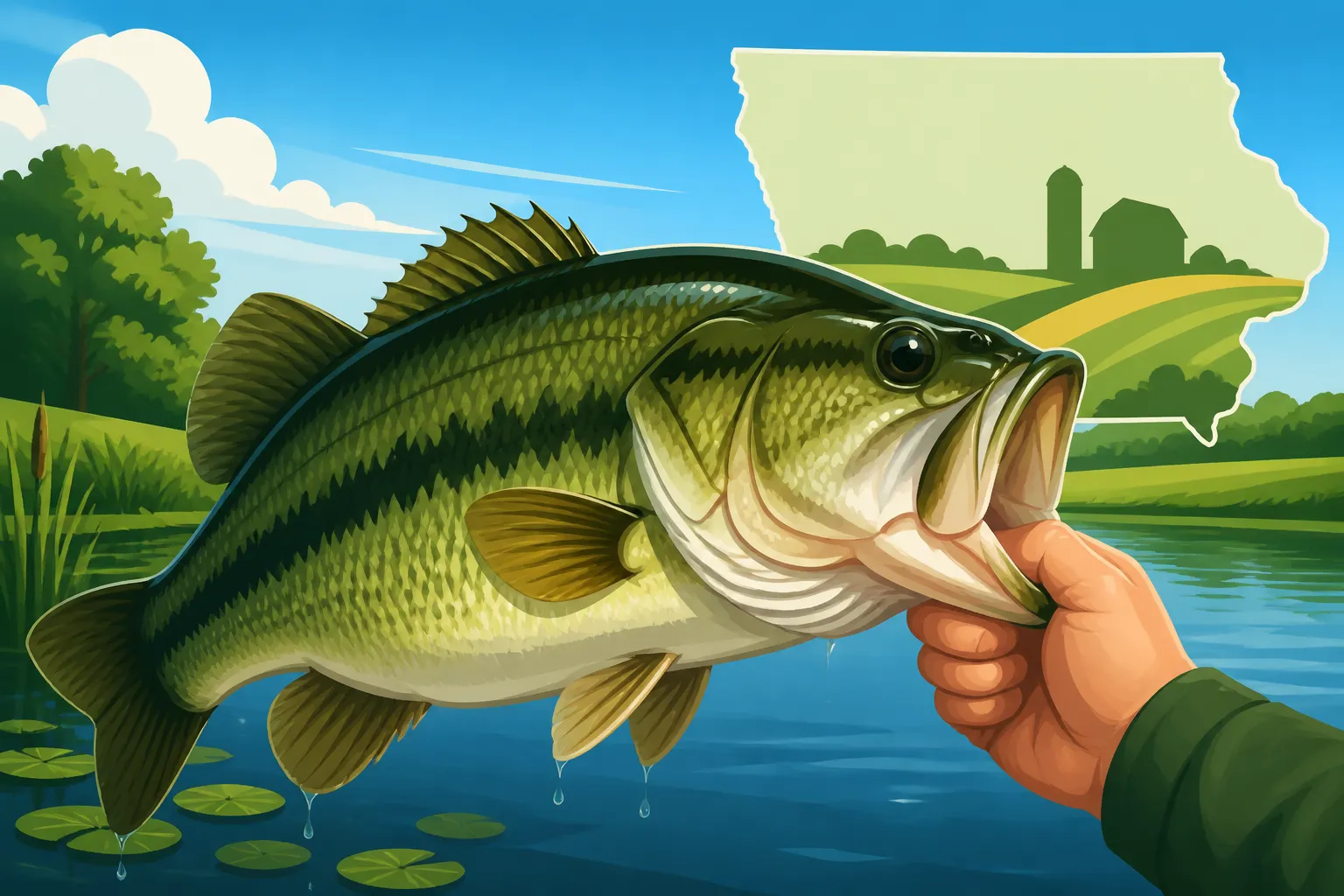
It's a question every Iowa angler has pondered, staring at the ripple on a private pond or a small public lake: "Just how big do those largemouth bass get in there?" We all dream of pulling in a monster, a true hawg from a humble body of water. This comprehensive guide is here to peel back the layers on largemouth bass growth in Iowa ponds, helping you understand what makes them tick and how you might just land that lunker.
The Allure of Largemouth Bass in Iowa Ponds
There’s something uniquely special about fishing a pond. Maybe it’s the intimacy, the feeling that you know every nook and cranny, or perhaps it’s the sense of potential – that any cast could connect you with a surprisingly large fish. For many Iowa anglers, ponds are the first classrooms, teaching us the basics of casting and presentation, and often, they’re where we catch our biggest bass.
Why Ponds Are Largemouth Havens
Ponds, especially well-managed ones, can be incredibly productive environments for largemouth bass. Unlike large reservoirs or sprawling rivers, ponds often offer a more concentrated ecosystem. They typically have an abundance of shallow, vegetated areas that serve as perfect ambush points for bass, allowing them to hide from prey and launch sudden attacks. The often murky or stained water also provides cover, making bass feel more secure and less stressed, which contributes to their overall health and growth. Think of a pond as a self-contained little universe where everything a bass needs to thrive is usually within easy reach: plenty of cover, a stable food supply, and often less predation from larger fish species that might be present in bigger lakes. This controlled environment can often foster consistent growth, sometimes even leading to impressive sizes. For more on where these green giants like to hang out, check out Largemouth Bass Habitat in Iowa Ponds.
The Thrill of the Pond Bass Catch
There’s a distinct thrill to landing a largemouth from a pond. These fish are often aggressive, striking with a force that can surprise you in such a small water body. Because ponds are generally more accessible than large lakes or remote rivers, they offer fantastic opportunities for both beginners and seasoned anglers to hone their skills. You can often scout a pond quickly, identifying key structure like weed lines, fallen trees, or sudden depth changes that are magnets for bass. This intimate knowledge of a small body of water means you spend less time searching and more time fishing. Plus, the fight of a healthy pond bass, especially one that has been growing unchecked in a nutrient-rich environment, is absolutely unforgettable. It’s not uncommon for anglers to return to the same pond year after year, forming a special connection with the water and the fish within it.
Understanding Largemouth Bass Growth Factors in Ponds
While the dream of a giant bass is universal, the reality of how big they get in Iowa ponds is influenced by a complex cocktail of environmental and biological factors. It's not just a matter of time; it's about optimal conditions.
Diet and Forage Availability
The biggest driver of how large a largemouth bass can grow is its diet. Just like us, bass need a consistent and nutrient-rich food supply to pack on the pounds. In a healthy Iowa pond, this means a diverse forage base. Smaller baitfish like minnows, shad, or even smaller panfish such as bluegill and crappie are critical. If a pond has a booming population of these prey species, the bass have a veritable buffet at their fins, allowing them to grow quickly and reach impressive sizes. Conversely, ponds with limited or unhealthy forage populations will produce smaller, leaner bass, even if they're abundant in numbers. Sometimes, a pond can even become overpopulated with bass, leading to stunted growth for the entire population because there isn't enough food to go around. It’s all about balance in the food chain. Understanding what bass eat and ensuring a healthy forage base is key for any pond owner aiming for trophy fish.
Pond Size and Habitat
You might think a bigger pond automatically means bigger fish, but it's not always that simple. While larger ponds can support bigger fish due to more space and potentially more diverse habitats, even smaller, well-managed ponds can produce giants. The key isn't just size, but the quality of the habitat within that size.
Bass love structure – anything that breaks up the open water and offers cover. This includes submerged timber, weed beds, lily pads, rock piles, and even old tires or culverts that have found their way into the water. These structures provide excellent ambush points for hunting and safe zones for resting. Ponds with a good mix of shallow, vegetated areas for spawning and feeding, alongside deeper pockets for refuge during extreme temperatures, are ideal. A pond that's too shallow or too uniform will limit a bass's ability to thrive year-round, regardless of its acreage. For more general advice on fishing techniques that capitalize on these habitats, consider our Iowa Fishing Techniques Guide.
Water Quality and Oxygen Levels
Good water quality is non-negotiable for growing large, healthy bass. Clear, well-oxygenated water, free from excessive pollutants or harmful algae blooms, is essential. Bass are hardy, but they are also sensitive to drastic changes in their environment. Ponds with poor water clarity can reduce visibility for bass hunting, making it harder for them to feed effectively. Low oxygen levels, often caused by decaying organic matter or severe algae blooms, can stress fish, reduce their growth rate, and in extreme cases, lead to fish kills. Temperature also plays a crucial role; bass are cold-blooded and their metabolism, and thus their growth rate, is directly tied to water temperature. Optimal temperatures allow them to feed aggressively and convert that food into growth. Extreme hot or cold spells can slow down their feeding and growth significantly.
Angling Pressure and Genetics
Believe it or not, human intervention can also impact how big bass get in a pond. High angling pressure, especially catch-and-release, can stress fish, though bass are generally resilient. However, if anglers are consistently removing the largest, fastest-growing fish, it can inadvertently "cull" the genetics for larger size over time. On the flip side, careful management, where smaller fish are harvested to reduce competition and allow the bigger fish more food, can help grow larger individuals. Genetics also play an undeniable role. Some bass strains simply have the genetic potential to grow larger and faster than others. While you can't change a wild bass's DNA, pond managers sometimes stock specific strains known for their growth potential to cultivate trophy fisheries. If you’re a pond owner looking to boost your bass population, you might find some useful strategies in Bass Fishing Tips for Iowa Farm Ponds.
Realistic Expectations for Iowa Pond Largemouth Bass Sizes
So, after all that, what can you really expect when you're casting into an Iowa pond? It's easy to get caught up in the hype of massive bass, but having realistic expectations can make your fishing experience even more rewarding.
Average Sizes You Can Expect
In most well-maintained Iowa ponds, you can realistically expect to catch largemouth bass in the 1 to 3-pound range with some regularity. These are healthy, feisty fish that provide excellent sport. A 4-pound bass is considered a really solid catch for a pond, and anything 5 pounds and over starts to enter that "trophy" category for many anglers, especially in smaller waters. These larger fish are usually older, wiser, and have successfully navigated the challenges of their environment. While not every pond will produce a 5-pounder, many have the potential if the conditions are right. They represent the apex predators of their small watery worlds, having outcompeted their peers for food and territory.
| Size Category | Typical Weight Range | Characteristics | Frequency in Ponds |
|---|---|---|---|
| Average Pond Bass | 1 – 3 pounds | Healthy, common, provides good sport | High |
| Solid Pond Bass | 3 – 5 pounds | Excellent catch, shows good pond health and forage | Moderate |
| Trophy Pond Bass | 5 – 8+ pounds | Rare, exceptional, often requires specific conditions/management | Low, but possible |
The Trophy Pond Bass
Now, let's talk about the true giants. Catching a largemouth bass of 6 pounds or more from an Iowa pond is a significant achievement. These fish are rare, often old, and have likely found a particular niche within the pond that allows them to thrive. Anything pushing 8 pounds or beyond is truly a fish of a lifetime for a pond angler in Iowa. While the Iowa state record for largemouth bass stands at an incredible 10 pounds, 12 ounces (a record that's held strong for many decades), remember that this was likely caught from a much larger, highly productive lake or reservoir, or an incredibly unique pond.
For most ponds, a 6-to-7-pound bass is the absolute peak, and these are few and far between. These trophy fish often come from ponds that are either very old, have been meticulously managed for years, or are simply blessed with an unusually rich ecosystem and ideal habitat. They didn't get that big by being easy to catch, so landing one is a testament to both the fish's longevity and the angler's skill and persistence. Don't go into every pond expecting to break a state record, but always cast with the hope that a true lunker might be lurking in the shadows. For tips on finding these rare fish, you might also want to read Best Farm Ponds for Bass Fishing.
Managing Your Pond for Bigger Bass
If you happen to be a pond owner or have influence over pond management, there are concrete steps you can take to encourage larger bass.
- Introduce Forage Fish: Stocking fathead minnows, golden shiners, or even crappie and bluegill (if appropriate for the pond size) can provide a consistent food source. Be careful not to overstock.
- Add Structure: Submerged brush piles, cedar trees, or rock piles create crucial habitat. These can be added strategically to provide cover and ambush points.
- Manage Angling Pressure: Consider limiting the harvest of medium-sized bass (say, 12-15 inches) to allow them to reach trophy potential, while perhaps encouraging harvest of smaller, stunted bass to reduce competition. Catch and release practices, especially for larger fish, also help maintain a healthy population.
- Monitor Water Quality: Regular checks for pH, dissolved oxygen, and algae levels can help identify and address issues before they become critical. Aerators can be beneficial in some ponds to maintain oxygen levels.
- Control Aquatic Vegetation: Too much vegetation can make fishing difficult and consume oxygen at night. Too little leaves bass exposed. A balanced approach using mechanical removal or approved aquatic herbicides (with caution and expert advice) is best.
Gear and Techniques for Targeting Large Pond Bass
Chasing after those elusive, larger largemouth bass in Iowa ponds requires a bit of strategy, both in terms of what you use and how you present it. It's about being prepared for the fight and understanding what makes these fish bite.
Essential Rods, Reels, and Line
When targeting larger bass, you'll want gear that can handle the power and sudden surges of a big fish, especially around heavy cover like submerged timber or dense lily pads.
- Rods: A medium-heavy to heavy power rod, typically 6'6" to 7'6" in length, is ideal. This gives you the backbone to wrestle a big bass out of cover and make accurate casts with heavier lures. If you're comparing, this is often a bit heavier than what you might use for river walleye, as discussed in Best Rod Length for Iowa River Walleye Fishing.
- Reels: For most pond fishing, a reliable spinning reel in the 2500-3000 size range or a baitcasting reel with a good braking system is perfect. Baitcasters excel at throwing heavier lures and provide more power for fighting big fish. If you're debating, Do You Need a Baitcaster for Bass Fishing? delves into the specifics. You can find a fantastic selection of these at retailers like Amazon, offering a wide range of brands and price points to suit any budget.
- Line: For heavy cover, 15-20 pound braided line is a fantastic choice due to its strength and no-stretch properties, which help you feel bites and set hooks through thick weeds. You might use a fluorocarbon leader of 10-17 pounds for invisibility. If fishing more open water, 10-12 pound fluorocarbon or monofilament will do the trick.
Top Baits and Lures for Pond Giants
Big bass often prefer a bigger meal, so don't be afraid to size up your lures a bit when targeting pond giants.
- Soft Plastics: These are incredibly versatile. Texas-rigged worms (7-10 inches), creature baits, and senkos are phenomenal for pitching into cover or around weed edges. Their subtle action can tempt even the most cautious bass.
- Jigs: Flipping and pitching jigs (1/4 to 1/2 ounce) with a craw-style trailer are deadly around heavy cover, docks, and laydowns. They mimic crawfish, a favorite food of big bass.
- Spinnerbaits and Bladed Jigs: These are excellent search baits, especially in murky water or on windy days. The vibration and flash can draw bass out of cover. Consider a 1/2 ounce spinnerbait with tandem blades for maximum appeal. Learning How to Fish a Spinnerbait for Bass can significantly improve your success.
- Topwater Lures: Frogs, poppers, and walking baits fished over lily pads or shallow weeds can trigger explosive strikes from larger bass, especially during early mornings, evenings, or on overcast days. For those magical moments, check out Topwater Frog Fishing for Bass at Dawn.
- Crankbaits: Medium-diving crankbaits that bump off submerged structure can be incredibly effective. Experiment with colors that match local baitfish or crawfish.
You'll find an extensive array of these and other effective bass lures at retailers like Amazon, which makes stocking your tackle box easy. For a general overview of useful baits, our Best Lures for a Starter Tackle Box can give you a great head start.
Strategic Approaches to Pond Bass Fishing
Pond fishing, despite its often smaller scale, benefits greatly from thoughtful strategy.
- Focus on Structure: As mentioned, bass are structure-oriented. Fish around any visible or suspected cover. Don't neglect subtle changes, like a slight depth drop-off or a harder bottom area.
- Fish the Edges: Bass often patrol the edges of weed lines, lily pads, or timber. Cast parallel to these edges to keep your lure in the strike zone longer.
- Slow Down: Big bass can be lazy. Work your lures slowly and deliberately, allowing them time to react. Often, a subtle twitch or a long pause is what triggers a strike. This is especially true when using techniques like those for Best Technique for Pre-Spawn Bass where fish are still lethargic.
- Vary Your Retrieve: Don't get stuck in a rut. Experiment with different retrieve speeds, pauses, and jigging actions until you find what the fish are responding to.
- Observe and Adapt: Pay attention to how the fish react (or don't react). If one lure isn't working, switch colors, sizes, or even lure types entirely. The most successful anglers are those who can quickly adapt to changing conditions.
- Respect the Water: Ponds are fragile ecosystems. Practice catch and release, especially with larger fish, to ensure a healthy fishery for future generations. Also, be sure to bring along a reliable Best Cooler for Keeping Fish Fresh if you decide to keep any legal-sized bass.
By understanding the factors that influence bass growth and employing these strategic fishing approaches, your chances of catching a true Iowa pond giant will increase dramatically.
Disclaimer
This article is for general informational purposes only and does not constitute professional advice. Laws, prices and regulations vary by location and change over time. Consult a qualified professional for guidance on your specific situation.