Do You Need a Baitcaster for Bass Fishing?
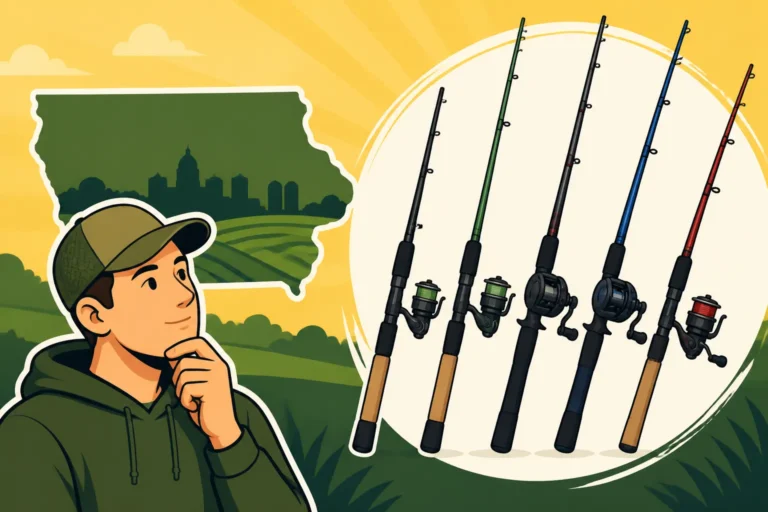
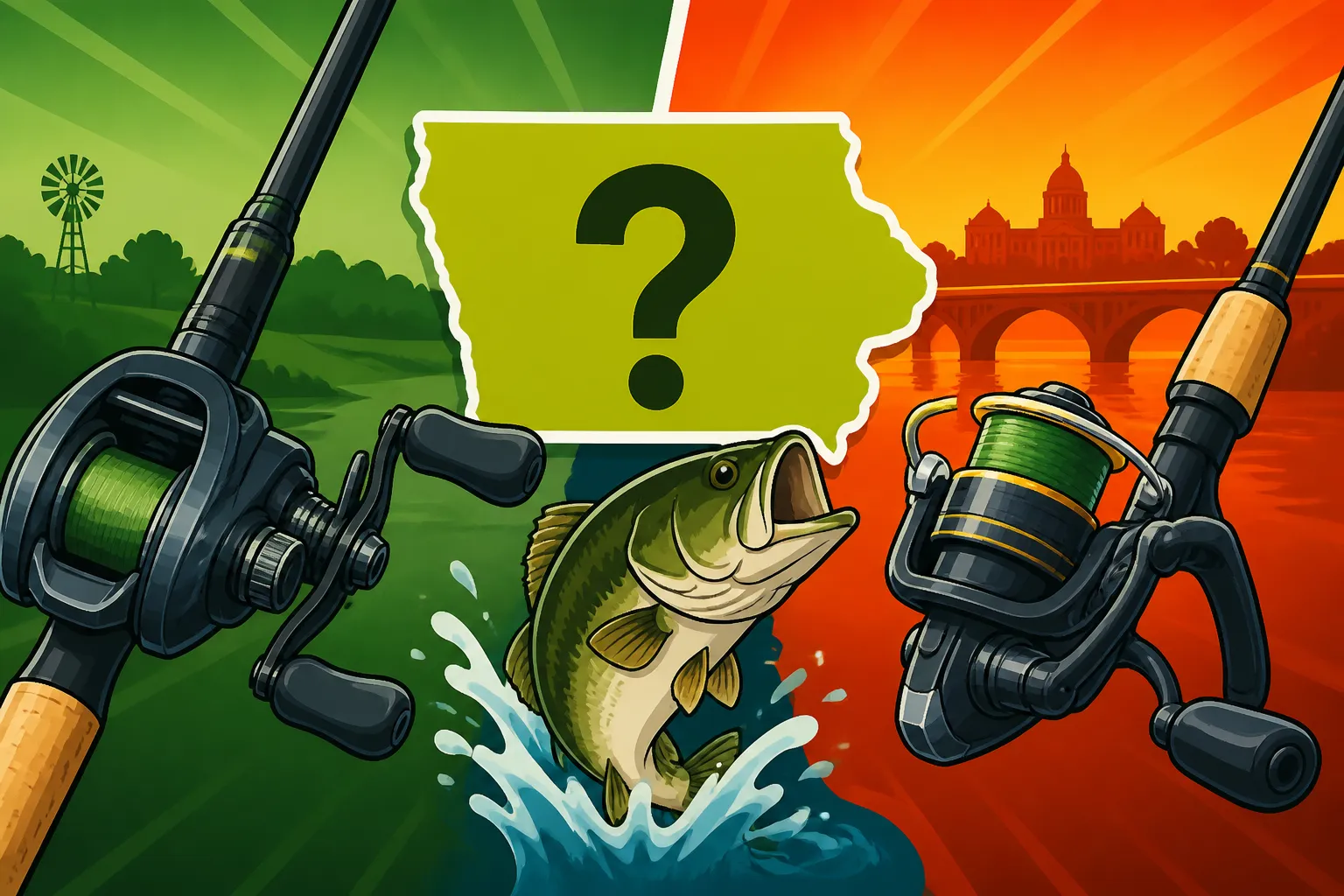
The world of bass fishing can sometimes feel a bit like an exclusive club, especially when you start hearing anglers passionately debating the merits of different gear. One question that pops up a lot, often causing a bit of confusion or even intimidation for newcomers, is whether you absolutely need a baitcaster to effectively catch bass. Many folks feel pressured to upgrade, worried they're missing out on vital advantages, but the truth is far more nuanced. This guide is here to cut through the noise, validate those feelings of being overwhelmed, and help you understand if a baitcasting reel is truly a necessary tool for your Iowa bass fishing adventures, or if your trusted spinning reel is more than capable.
Understanding the Baitcaster's Appeal in Bass Fishing
Let's be honest, there's a certain allure to a baitcasting reel. You see professional anglers on TV slinging heavy jigs with incredible accuracy, and often, they're using a baitcaster. This isn't just for show; there are genuine reasons why these reels have become synonymous with serious bass fishing for many.
The Power and Precision Advantage
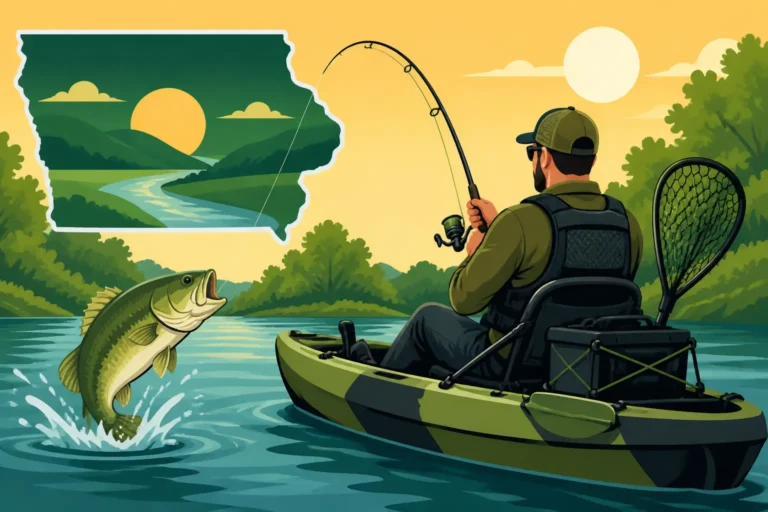
When it comes to handling heavier baits and fighting larger, more powerful fish, baitcasters truly shine. They're designed with a direct drive system where the spool rotates with the handle, giving you a more direct connection to your lure and any fish that bites it. This design translates into superior torque, which is invaluable when you're trying to winch a feisty Largemouth Bass Fishing in Iowa out of thick cover like submerged timber or dense lily pads. Think about those moments when you hook into a hog near a snag; a baitcaster often provides that extra leverage to pull the fish away from danger before it can wrap you up.
Beyond raw power, precision in casting is another major draw. Once mastered, a baitcaster allows for incredibly accurate casts, often with more control over the distance and trajectory of your lure, especially when you're trying to hit a specific target like a small opening in the weeds or the edge of a dock. This "feathering" ability with your thumb on the spool allows you to stop the bait dead in its tracks the moment it reaches your desired spot, minimizing splashes and maximizing stealth. This can be a game-changer when bass are spooky, or you're trying to pitch a jig into a tight spot that a less controlled cast might overshoot.
The Learning Curve and "Backlash" Myth
Ah, the dreaded backlash! This is probably the number one reason many anglers hesitate to even try a baitcaster, and I completely get it. It's frustrating to spend precious fishing time untangling a bird's nest of line, especially when you just want to get your bait back in the water. For the uninitiated, backlash happens when your lure slows down in flight, but the spool continues to spin due to momentum, creating a tangled mess of line that looks like a super-sized bird's nest.
However, calling it a "myth" isn't to say it doesn't happen; it's to challenge the idea that it's an insurmountable problem. It's a rite of passage, really. Every single angler who uses a baitcaster has experienced backlash, often many times over. The key is understanding that it's a skill issue, not a flaw in the reel's design. Modern baitcasters come with sophisticated braking systems (both centrifugal and magnetic) that help manage spool speed, making them far more forgiving than the reels of yesteryear. With proper setup, a bit of practice, and a gentle touch, you can drastically reduce the occurrence of backlash. It's about learning to tune your reel to your lure's weight and your casting motion, which simply takes time and patience – something all anglers have to develop anyway!
Specific Bass Fishing Scenarios Where Baitcasters Shine
So, where do baitcasters really earn their stripes in the Iowa bass fishing scene? Well, if your idea of a perfect day is tossing heavy baits into thick cover, then a baitcaster becomes incredibly advantageous.
Consider flipping and pitching. These are short, accurate casts designed to drop a lure into small, precise targets like lily pads, fallen trees, brush piles, or beneath overhanging branches along the shoreline. A baitcaster's ability to maintain thumb control on the spool allows for these delicate, quiet entries, which are crucial when bass are hunkered down deep in cover. A spinning reel can do it, but the line coming off the spool in coils tends to create a larger splash and less control on the drop.
Another prime example is when you're throwing larger, heavier lures. Think big swimbaits, deep-diving crankbaits that pull like a tractor, or hefty jigs designed to punch through dense vegetation. These baits have significant wind resistance or create a lot of drag in the water, and a baitcaster is built to handle that stress. The beefier gears and robust construction prevent flex and wear, giving you the power to retrieve these baits efficiently and the strength to set the hook hard on a striking fish. Plus, if you're using heavy braided line – which many anglers prefer for its no-stretch sensitivity and incredible strength in thick cover – a baitcaster manages it beautifully, whereas spinning reels can sometimes struggle with line twist when using very stiff braided lines. Learning How to Catch Bass in Iowa effectively often means adapting to these situations, and a baitcaster provides a great tool for the job.
The Versatility and Benefits of Spinning Gear for Bass
Now, before anyone gets the idea that you must run out and buy a baitcaster, let's talk about the incredible merits of spinning gear. For many anglers, and for many situations, a spinning reel is not just sufficient but often the superior choice for bass fishing.
Ease of Use and Forgiveness for Beginners
If you're new to fishing, or even new to targeting bass specifically, a spinning reel is almost always the recommended starting point. Why? Because they are incredibly user-friendly and forgiving. Learning to cast with a spinning reel is far simpler, involving fewer moving parts and less fine-tuning. You don't have to worry about thumb control or intricate brake settings; you just open the bail, hold the line, cast, and close the bail. This ease of use means you spend more time fishing and less time frustrated with tangles.
The design of a spinning reel, where the line comes off a fixed spool, virtually eliminates the nightmare of backlash. While you can still get tangles (like wind knots with light line in heavy wind), they are generally far less severe and much easier to resolve than a baitcaster's bird's nest. This low-frustration factor is massive, especially when you're trying to get comfortable with basic casting techniques or just enjoy a relaxing day on the water. It allows beginners to focus on learning fish behavior, reading the water, and developing a feel for retrieves, rather than wrestling with their gear.
Excelling in Finesse and Light Lure Applications
Where spinning reels truly shine for bass fishing is in their ability to handle lighter lines and smaller, more delicate lures. When bass are pressured, finicky, or in clear water, a finesse approach can be the difference between a productive day and a frustrating one. Techniques like wacky rigging a Senko, dropshotting a small worm, throwing tiny crankbaits, or fishing very light jigs require lighter lines (think 6-10 lb test fluorocarbon or monofilament) and lighter lures.
Spinning reels are perfectly suited for these presentations because they allow these lightweight baits to cast smoothly and accurately without the need for a lot of momentum. A baitcaster often struggles to cast very light baits effectively, as there simply isn't enough weight to overcome the spool's inertia and keep it spinning smoothly. With a spinning reel, you can achieve long, effortless casts with feather-light offerings, making subtle presentations that are often irresistible to wary bass. This ability to present small baits naturally is a huge advantage when the bite gets tough, making a spinning setup indispensable for a well-rounded bass angler.
When a Spinning Setup is a Smart Choice for Iowa Bass
In Iowa, there are plenty of situations where a spinning setup is not just good, but arguably the best tool for the job. Early in the season, when water temperatures are cool and bass might be less aggressive, lighter baits and slower retrieves often outperform heavy power fishing. In clearer lakes, especially places like Clear Lake or the Iowa Great Lakes, where visibility is high, a subtle approach with lighter line and smaller baits is often critical.
Many of Iowa's public fishing lakes and even some of the popular fishing spots on larger rivers see a lot of pressure. In these scenarios, bass become more cautious, and throwing a heavy, splashy bait might just scare them away. A spinning rod allows you to downsize your presentation, throwing small swimbaits, tubes, or shaky heads that mimic natural forage without alarming the fish. It's also fantastic for targeting Bass Season and Size Limits in smaller farm ponds, where bass may not be as large but are still great fun to catch on lighter tackle. Having the right tool for these situations can make all the difference, and often, that tool is a spinning rod.
Making the Right Choice for Your Iowa Bass Fishing Style
So, with both types of reels offering clear advantages, how do you decide which one is right for you, or if you even need both? It really comes down to a personal assessment of your fishing habits, your comfort level, and your goals on the water.
Factors to Consider: Experience, Budget, and Technique
First, be honest about your experience level. If you're just starting out, or you're not interested in dedicating significant time to mastering a new casting technique, a spinning reel is undoubtedly the way to go. It offers immediate gratification and allows you to build fundamental fishing skills without added frustration. There's absolutely no shame in sticking with what works and what's enjoyable.
Budget is another big one. While you can find budget-friendly options for both, a quality baitcasting setup (reel and rod designed to work together) often comes with a higher price tag than a comparable spinning setup. If you're not ready to invest a significant amount, or you're still exploring if bass fishing is your long-term passion, a good spinning combo offers excellent performance without breaking the bank. You can find fantastic spinning gear at places like Bass Pro Shops or on Amazon that will serve you well for many seasons.
Finally, think about the techniques you genuinely enjoy or want to focus on. Do you love the aggressive, power-fishing style of throwing big lures into heavy cover? Or do you prefer the finesse game, working smaller baits slowly and methodically? If you find yourself consistently gravitating towards one end of this spectrum, your reel choice should reflect that. There’s no point in buying a baitcaster if you’re only ever going to throw small worms in open water.
The "Hybrid" Approach: Having Both Setups
For many seasoned bass anglers, the question isn't "baitcaster or spinning reel?" but rather "which baitcaster and which spinning reel for this specific scenario?" It's very common to see anglers on the water with multiple rod and reel setups in their boat, each spooled with a different line type and rigged with a specific lure or technique in mind.
This "hybrid" approach allows you to quickly adapt to changing conditions or target different types of cover. You might have a heavy baitcasting setup for pitching jigs into deep brush, a medium baitcaster for cranking, and a light spinning setup for dropshotting in open water. This versatility is incredibly powerful, enabling you to maximize your chances of catching fish no matter what the bass are doing. Of course, this isn't always practical for everyone, especially if you're fishing from shore or on a budget. But it's a testament to the fact that both reel types have their place in the serious angler's arsenal.
Trying Before Buying and Where to Find Gear
If you're on the fence about a baitcaster, the best advice I can give is to try one out before you commit to buying. Ask a friend who uses one if you can make a few practice casts in their yard. Even better, visit a reputable tackle shop where staff can often let you feel different setups and explain the nuances. Some larger outdoor retailers might even have casting ponds or demonstration areas. This hands-on experience can help you understand the feel of a baitcaster and whether its mechanics appeal to you.
When you're ready to buy, whether it's a spinning reel or a baitcaster, you'll find a wide range of options. Your local bait and tackle shop is always a great place to start for personalized advice and local knowledge. Larger chain stores like Bass Pro Shops offer a huge selection, and online retailers like Amazon provide convenience and competitive pricing. Just remember to read reviews and perhaps consult a few trusted sources before making your final decision. Don't be afraid to start with a mid-range, good-quality spinning combo. It will serve you well while you explore different techniques and build your confidence. You can always add a baitcaster later if you find yourself needing its specific advantages. You can even find Best Budget Spinning Combo for Panfish which can easily double for bass.
| Feature | Spinning Reel | Baitcasting Reel |
|---|---|---|
| Ease of Use | High (great for beginners) | Moderate to Low (requires practice) |
| Backlash Risk | Very Low | Moderate to High (manageable with practice) |
| Lure Weight | Excels with light, finesse baits | Excels with heavy, power-fishing baits |
| Casting Accuracy | Good (especially for distance) | Excellent (especially for precision and short pitches) |
| Power/Torque | Good for general fishing | Excellent for fighting big fish and heavy cover |
| Line Type | Versatile (mono, fluoro, braid) | Best with mono, fluoro, braid (stronger applications) |
| Typical Cost | Generally more affordable for quality gear | Often higher for quality gear and matching rod |
| Common Uses | Dropshot, wacky rig, light jigs, small crankbaits | Flipping, pitching, heavy jigs, large crankbaits, swimbaits |
Dispelling the "Must-Have" Myth and Focusing on Skill
At the end of the day, the gear you choose is a tool to help you achieve your goal: catching fish and enjoying your time on the water. The idea that you must have a baitcaster to be a "real" bass angler is simply not true.
It's About the Angler, Not Just the Gear
I've seen incredibly skilled anglers pull trophy bass out of tough spots using nothing more than a simple spinning combo. Conversely, I've seen folks with the most expensive, top-of-the-line baitcasters struggle because they haven't put in the time to learn their craft. The truth is, your knowledge of bass behavior, your ability to read the water, your understanding of local Iowa Fishing Seasons Explained, and your presentation skills are far more critical than the specific brand or type of reel you're holding.
Confidence in your gear is also huge. If you're constantly fighting a baitcaster and feeling frustrated, you're not focused on the fishing. If you're confident and comfortable with your spinning gear, you'll likely fish more effectively and have a much better time. Don't let anyone tell you that your gear isn't good enough if it's getting the job done for you. Focus on honing your skills, learning about Iowa Fish Species Guide, and discovering new fishing spots, and the catches will follow.
Practice Makes Perfect, Regardless of Reel Type
Whether you choose a spinning reel, a baitcaster, or eventually both, dedication to practice is what truly makes an angler effective. Spend time in your backyard practicing your casting accuracy and distance. Learn to feel the retrieve of different lures and understand what a bite feels like. Take the time to understand your reel's drag system and how to adjust it properly.
If you do decide to venture into baitcasters, don't give up after the first few backlashes. Start with heavier lures that are easier to cast, set your brakes a bit tighter than you think you need, and gradually loosen them as you gain confidence. There are countless online tutorials demonstrating proper baitcaster setup and casting techniques. Just like learning to tie knots or identify fish species, mastering a baitcaster is a process that yields great rewards but requires patience. Don't forget that even experienced anglers need to be aware of Iowa Fishing Regulations Explained to avoid issues.
Enjoying the Experience, Not Just the Catch
Ultimately, fishing is about so much more than the gear you use or the size of the fish you catch. It's about the peacefulness of being out on the water, the thrill of the chase, the camaraderie with fellow anglers, and the constant learning process. Don't let the pursuit of the "right" gear overshadow the simple joy of fishing.
Whether you're slinging a big swimbait with a baitcaster or delicately dropshotting with a spinning rod, the goal is to enjoy your time. Explore new waters, like Fishing the Iowa Great Lakes or Fishing Rathbun Lake in Iowa. Experiment with different techniques. And most importantly, have fun. A baitcaster can be a valuable tool, but it's not a prerequisite for being a successful or happy bass angler in Iowa. Choose the gear that fits your style, your comfort level, and your budget, and you'll be well on your way to many memorable days chasing bass.
Disclaimer
This article is for general informational purposes only and does not constitute professional advice. Laws, prices and regulations vary by location and change over time. Consult a qualified professional for guidance on your specific situation.